The French government and defense industry is set to encounter fresh diplomatic friction with the United Arab Emirates over the financing structure of the next-generation Rafale F5 fighter programme. The dispute, emerging in early 2026, centers on expectations that Abu Dhabi would co-finance development costs.
La Tribune reported that “Abu Dhabi ended up paying a bill without any technological return” and this is set to spark deeper tensions regarding cost-sharing, technology access, and strategic autonomy, particularly as France pushes forward with the advanced Rafale F5.
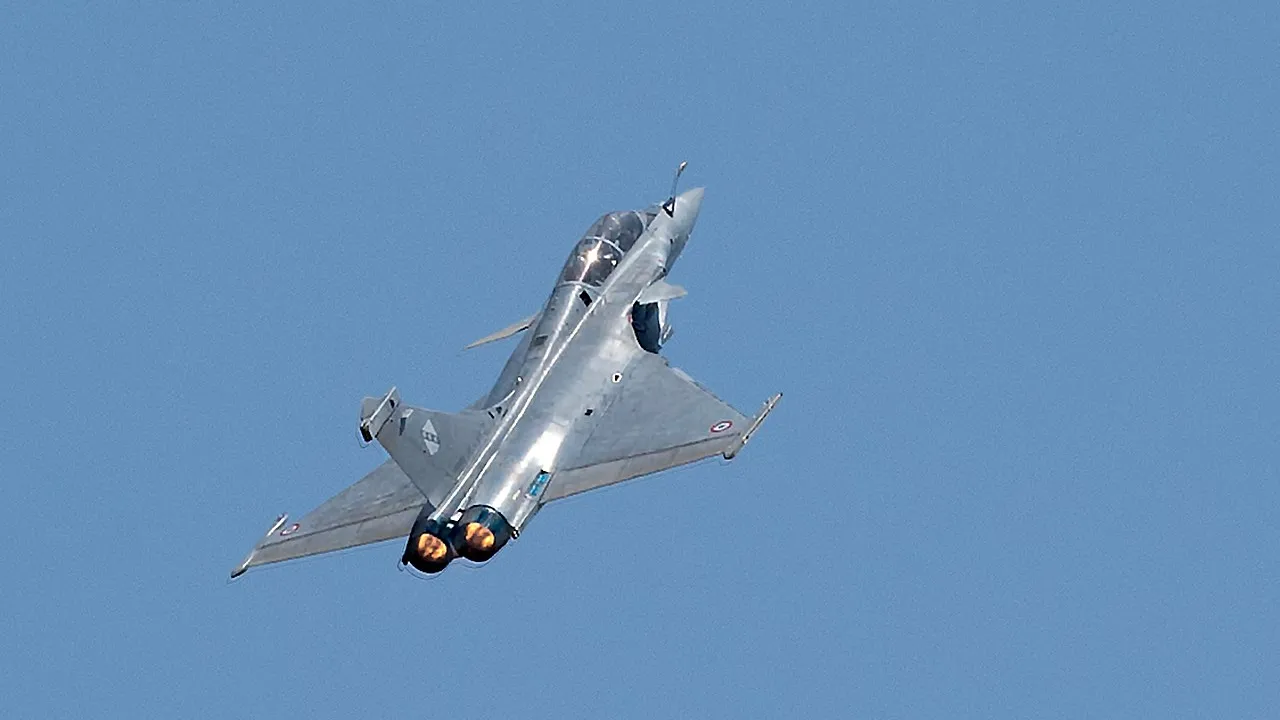
Rafale Programme Overview and Industrial Structure
| Parameter | Details |
|---|---|
| Aircraft | Dassault Rafale |
| Manufacturer | Dassault Aviation |
| Country of origin | France |
| First flight | 1986 (prototype Rafale A) |
| Entry into service | 2001 |
| Current operators | France, India, UAE, Egypt, Qatar, Greece, Croatia |
| Upcoming variant | Rafale F5 |
| Programme type | Multirole fighter aircraft |
| Industrial partners | Safran, Thales, MBDA |
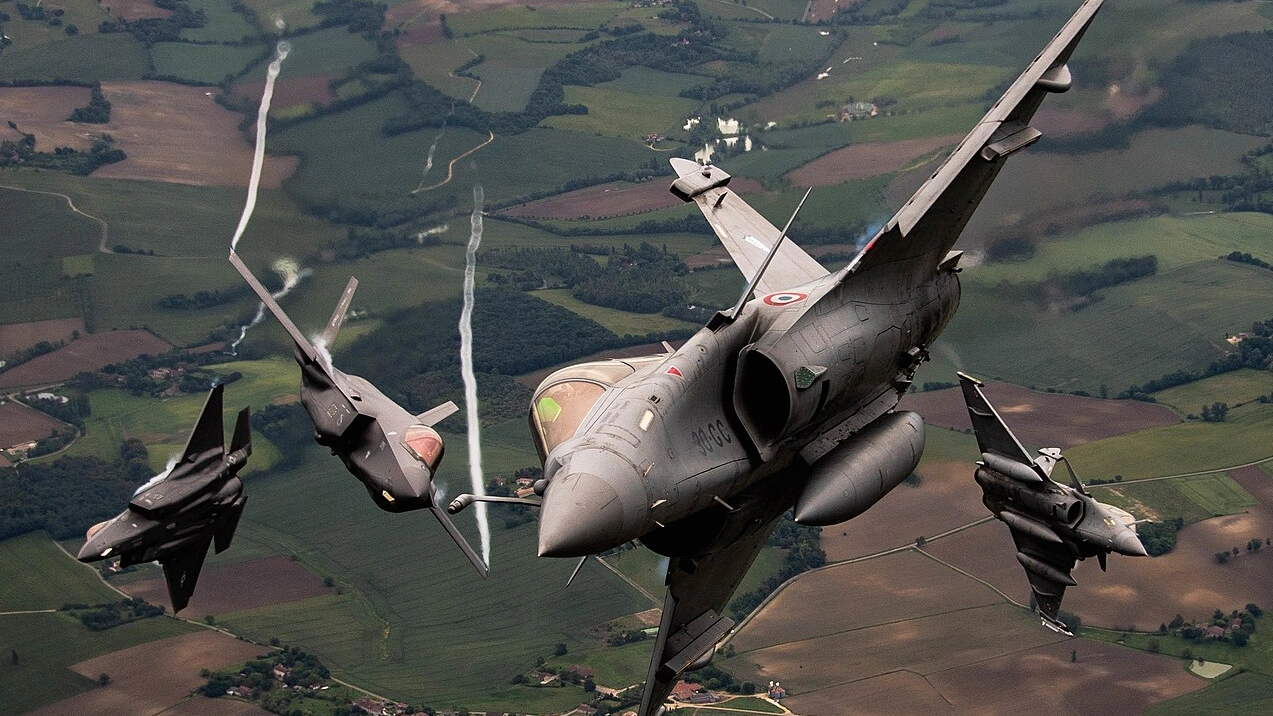
Rafale f5 Financing Dispute Between France and UAE
The core of the disagreement lies in France’s expectation that the UAE could participate financially in the Rafale F5 development program. Abu Dhabi, despite being a major Rafale customer, reportedly resisted this approach, emphasizing its position as a buyer rather than a development partner.
Key points of contention include:
- Proposed financial contributions from the UAE toward F5 development
- Limited technology transfer despite potential funding
- Concerns over return on investment for the Emirati side
A La Tribune analysis noted that the request for financial participation without corresponding industrial guarantees has been poorly received in Abu Dhabi. The friction is particularly significant given the UAE’s landmark 2021 order for 80 Rafale F4 aircraft. When the order was made, Dassault Aviation noted that the partnership with the Emirates Air Force came “on the back of a more than 45-year long relationship of trust between the United Arab Emirates and our company, built on the Mirage family of fighter aircraft, notably the Mirage 2000-9, the modernization of which began two years ago“. The deal was worth approximately €16 billion.
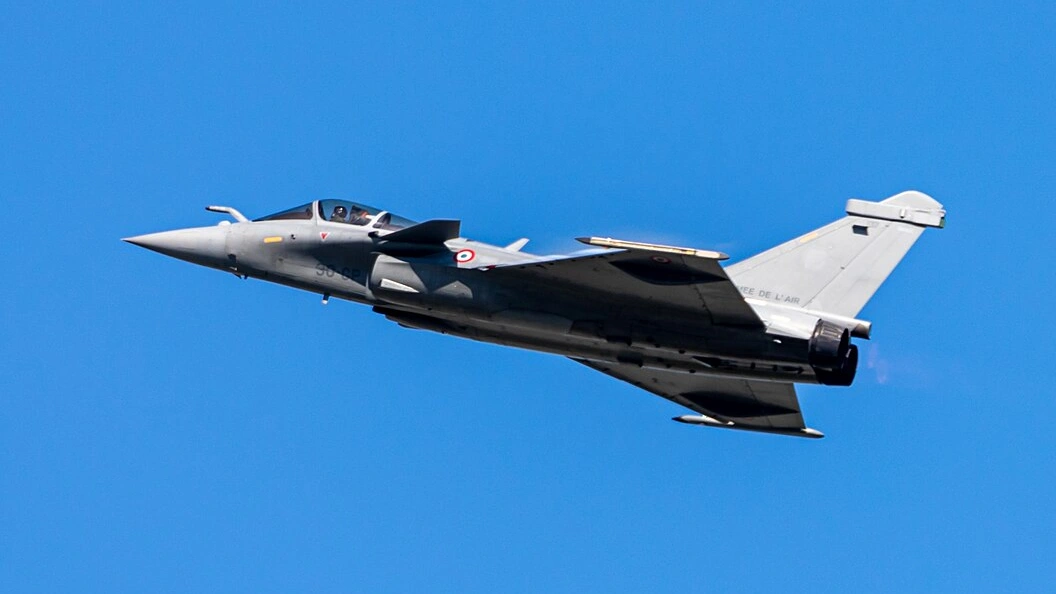
The Rafale F5 Goes Far Beyond a Routine upgrade of an existing fighter jet
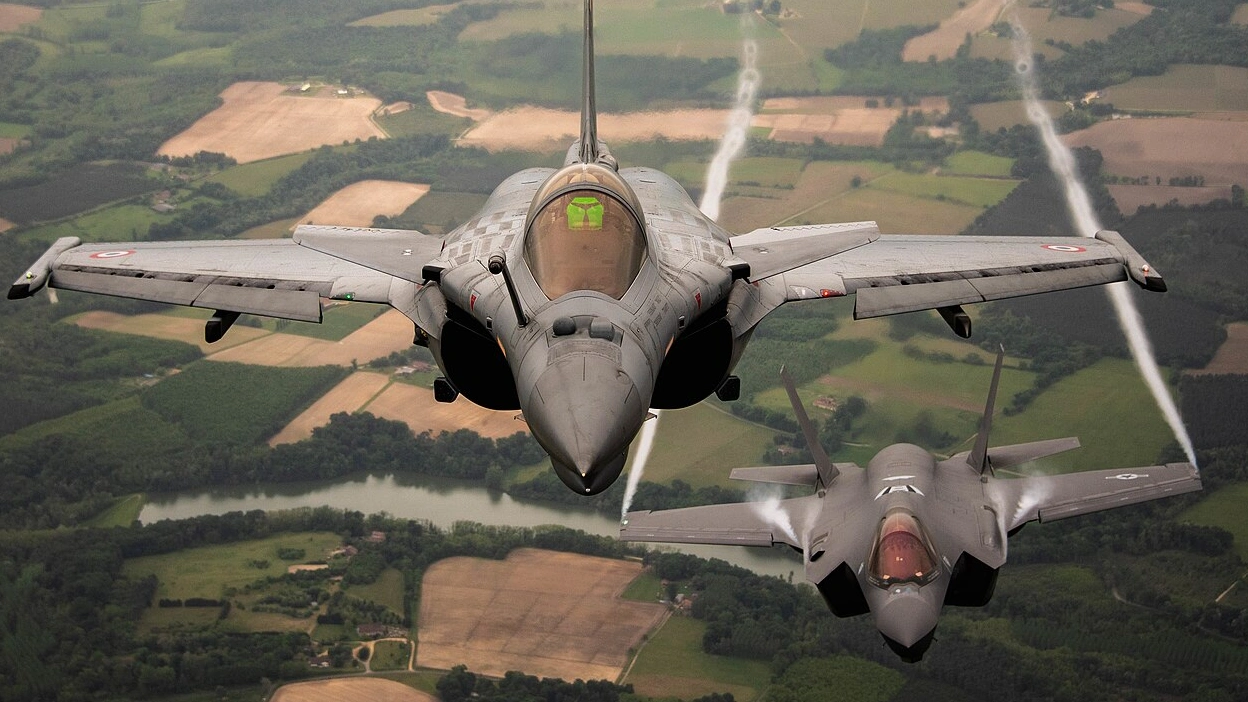
It is expected to enter service around 2033, and it is being designed as part of a much more interconnected and technologically advanced combat environment.
Rather than operating alone, the aircraft will function within a broader “system of systems,” working in coordination with drones, satellites, and other military assets through enhanced connectivity and data-sharing.
Key features include:
- Next-generation sensors for improved detection and situational awareness
- More sophisticated electronic warfare capabilities
- Advanced networking that enables seamless coordination with other platforms
A defining aspect of the Rafale F5 will be its integration with combat drones acting as “loyal wingmen.” These drones are expected to:
- Conduct reconnaissance missions
- Support electronic warfare operations
- Carry out strike roles alongside the aircraft
In addition, the Rafale F5 is likely to be equipped with the future ASN4G hypersonic nuclear missile, further strengthening its strategic role. Here’s a further look at the fighter jet:
| Category | Details |
|---|---|
| Designation | Rafale F5 (“Super Rafale”) |
| Role | Next-generation multirole fighter with strategic nuclear capability |
| Radar | Thales RBE2 XG (Gallium Nitride AESA radar) |
| Electronic Warfare | Upgraded SPECTRA electronic warfare suite |
| Sensors | New-generation optronic (infrared/optical) sensors |
| Fuel System | Conformal fuel tanks for extended range |
| Primary Strategic Weapon | ASN4G hypersonic nuclear missile (scramjet-powered) |
| Missile Developer | MBDA |
| Engine | Safran M88 T-REX (upgraded variant of M88) |
| Thrust (Afterburner) | 88 kN (19,840 lb) |
| Previous Thrust (Baseline M88) | 73 kN (16,500 lb) |
| Performance Increase | ~20% increase in afterburning thrust |
| Engine Improvements | Improved low-pressure compressor, advanced turbine materials, enhanced cooling circuits, optimized nozzle |
| Airframe Changes | Maintains same engine physical envelope despite upgrades |
| Development Cost | Over €4 billion (contracts notified) |
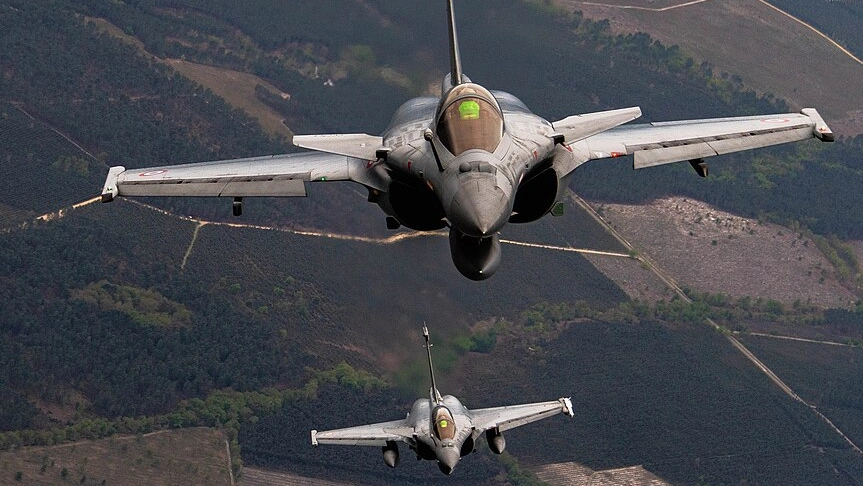
But Why Did the UAE Pull Out of the Rafale Deal With France?
UAE was willing to finance 3.5 billion euros of the approximately 5-billion-euro cost of the Rafale F5. However, even by December, this financing agreement hadn’t been finalized. UAE wanted a say in the development of the aircraft because they were paying a big part of it. La Tribune reported that France was reluctant to share certain technological secrets, especially in optronics (advanced sensors and optics). UAE saw this refusal as arrogance, so they refused to pay without involvement.
“Very irritated by the turn taken by this flawed file, Emmanuel Macron passed on all his annoyance to the Ministry of the Armed Forces, in particular the Directorate General of Armaments (DGA) and the General Staff of the Armed Forces (EMA).”
.jpg)


What Does this Imply For the Rafale f5?
The Rafale F5 standard is designed to serve as a bridge between current-generation fighters and future sixth-generation systems. It will likely integrate:
- advanced data fusion
- artificial intelligence-assisted combat systems
- cooperative engagement
..with unmanned aerial vehicles (UAVs).
The Rafale F5 is expected to incorporate advanced capabilities, including:
- integration with combat drones under the loyal wingman concept
- enhanced electronic warfare systems
- upgraded radar and sensor fusion technologies
- expanded long-range strike capabilities
The F5 upgrade is therefore not merely incremental but represents a doctrinal shift in air combat strategy. France’s insistence on maintaining technological leadership partly explains its attempt to diversify funding sources.