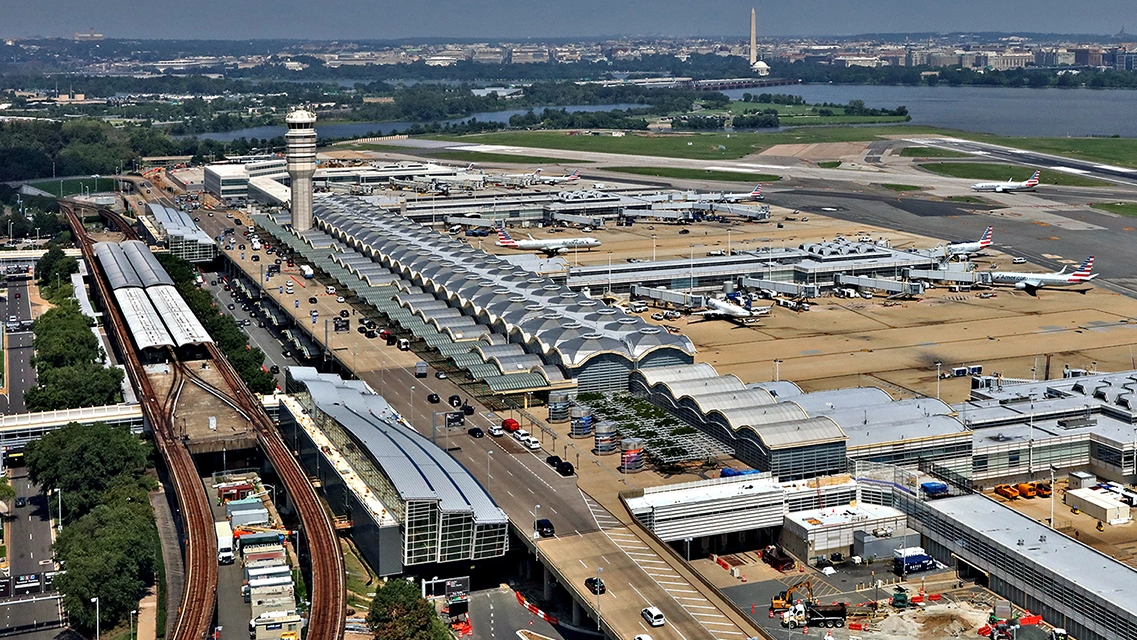
In a development that has reignited scrutiny of U.S. airspace management, the Federal Aviation Administration (FAA) rejected internal requests from air traffic controllers to reduce arrival rates at Ronald Reagan Washington National Airport (DCA) months before a devastating mid-air collision occurred near the airport on January 29, 2025, Washington Times reported.
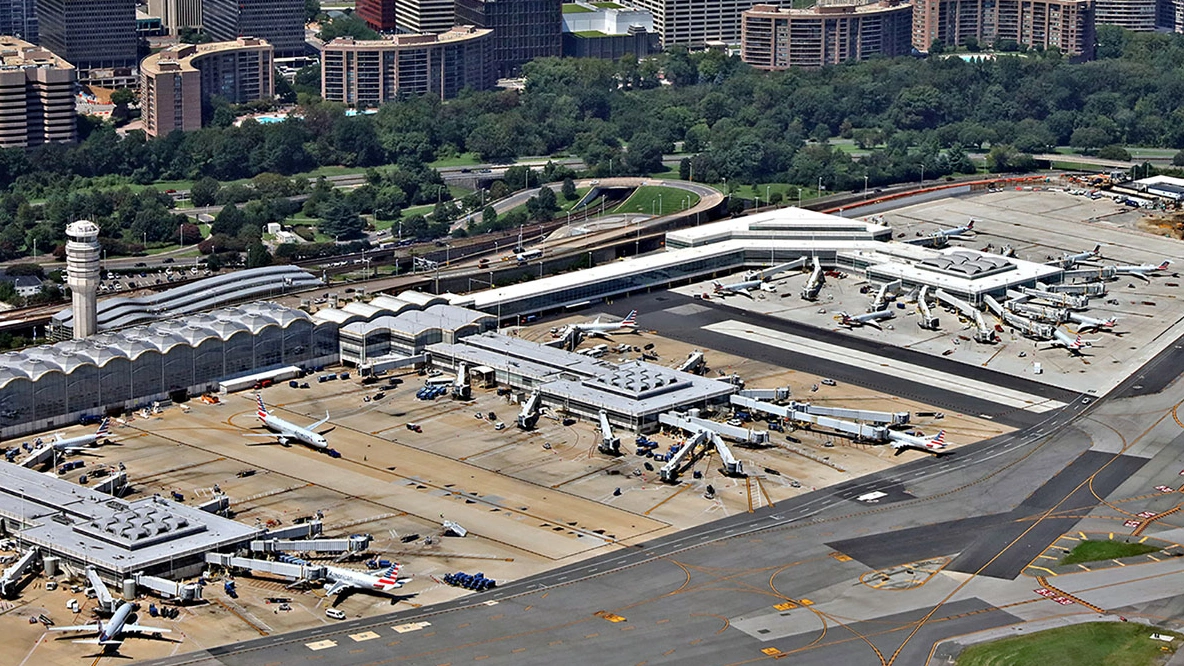
Air traffic controllers’ (ATC) safety concerns stemmed from the complexity of mixed fixed-wing and rotorcraft operations in tightly constrained airspace, where helicopters routinely intersect aircraft approach corridors with minimal vertical separation. Yet months before the catastrophe, the Federal Aviation Administration (FAA) declined controller proposals to dial back the number of hourly arrivals — a decision now central to ongoing investigations and hearings.
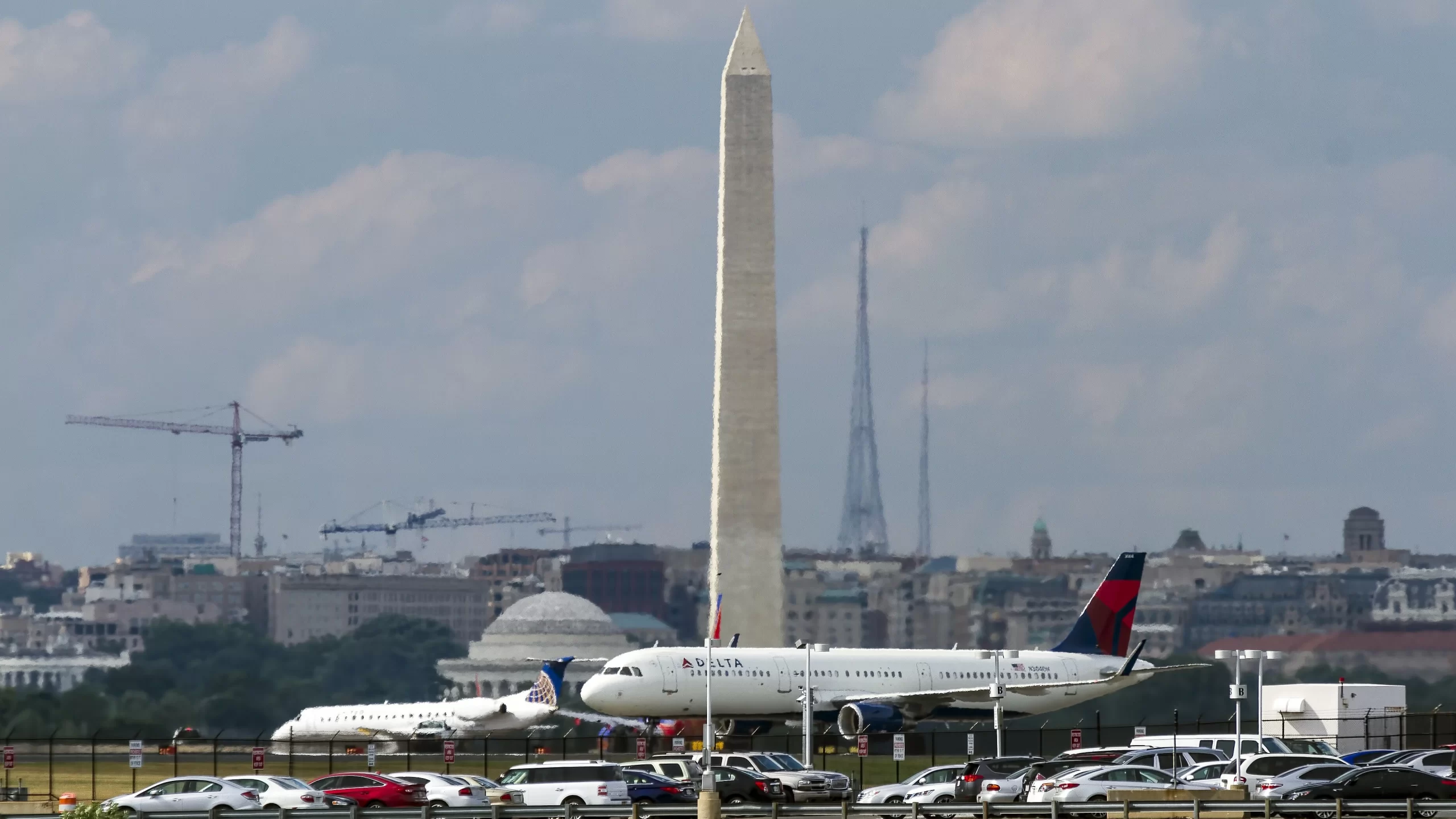
Rejection of Flight-Arrival Reduction at DCA and Implications
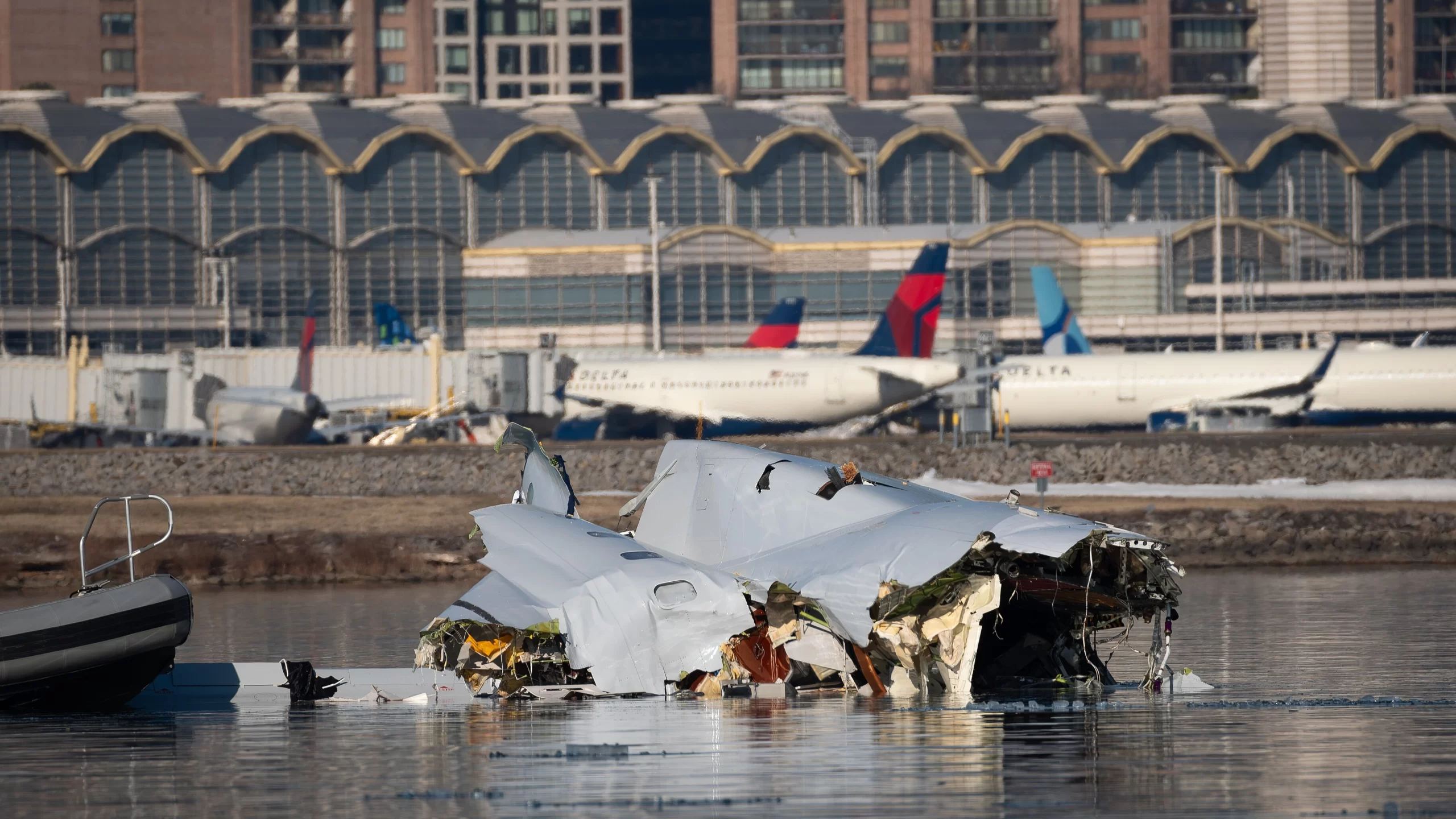
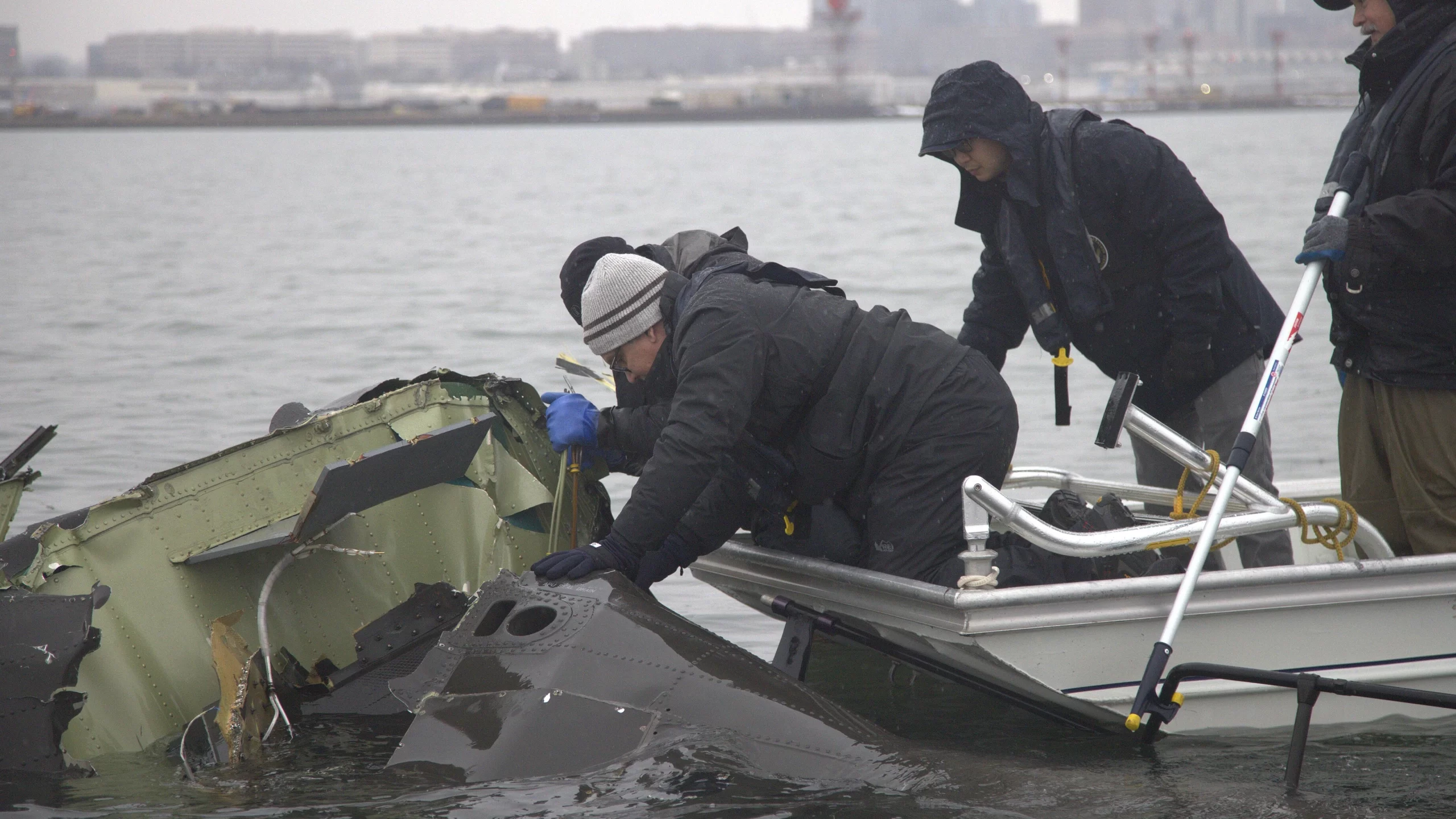
The collision that has brought FAA’s denial to take air traffic controller’s request of limiting the number of aircraft movements at Washington National Airport involved an American Airlines Bombardier CRJ700 (operated by PSA Airlines for American Eagle Flight 5342) and a U.S. Army Sikorsky UH-60 Black Hawk helicopter over the Potomac River, killing 67 people — 64 aboard the airliner and all three on the helicopter.
It was the deadliest U.S. commercial aviation disaster in more than two decades, has catalyzed calls for fundamental reforms in airport traffic limits, airspace design, and regulatory oversight.
An internal FAA memo later made public by the National Transportation Safety Board (NTSB) revealed that air traffic controllers at the Potomac Consolidated Terminal Radar Approach Control (PCT TRACON) in Warrenton had previously requested a reduction in the number of hourly arrivals at Ronald Reagan Washington National Airport (DCA). The controllers cited persistent traffic saturation and difficulties maintaining the required four-mile separation between arriving aircraft, seeking to reduce arrivals on the airport’s main runway from 36 to 32 per hour.
However, the request was not formally advanced through the FAA management chain. According to the memo, controllers did not receive a formal written response, while an official reportedly indicated that forwarding the proposal could provoke opposition from members of Congress who relied heavily on Reagan National Airport.
The disclosure came just days before the first anniversary of the January 29, 2025, collision between American Airlines Flight 5342 and a U.S. Army Black Hawk helicopter near Reagan National Airport, adding another dimension to questions about congestion and air traffic management at DCA.
2025 Potomac River Mid-Air Collision and Implications for Air Traffic Control
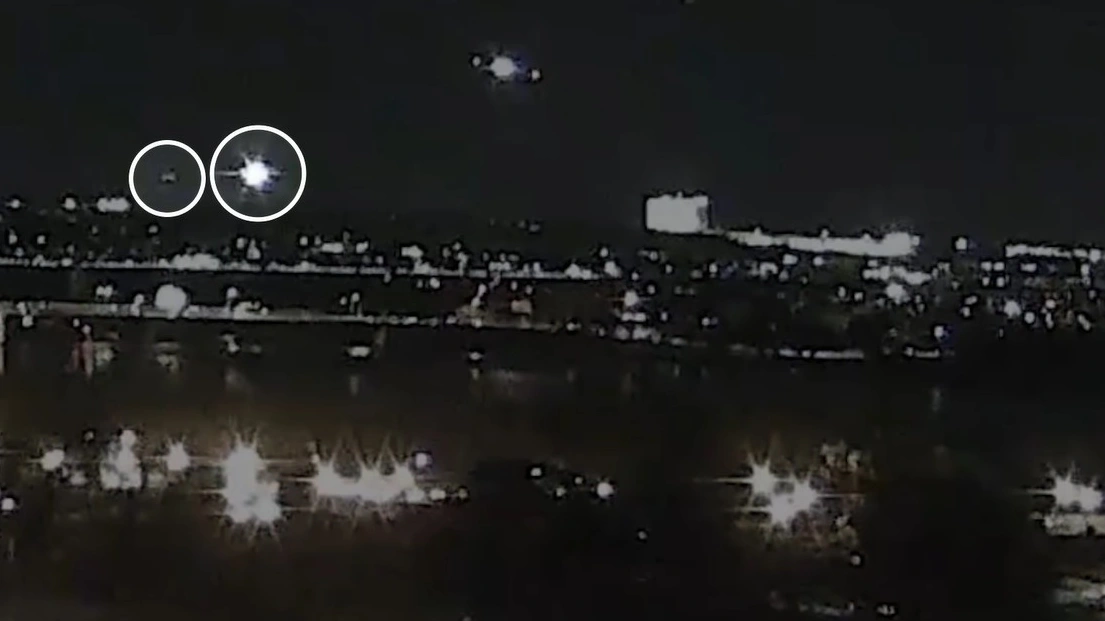
On January 29, 2025, at approximately 8:47 p.m. local time, a Bombardier CRJ700 regional aircraft operating as Flight 5342 collided with a U.S. Army Sikorsky UH-60 Black Hawk helicopter designated PAT25 over the Potomac River, just short of runway 33 at Ronald Reagan Washington National Airport (DCA).
Initial investigations showed the helicopter was flying above its permitted altitude and lacked radar-friendly surveillance (ADS-B) transmissions at the time of impact, reported ABC:
“a video animation… showed how the helicopter flew above the 200 feet (61 metres) altitude limit on the helicopter route along the Potomac River before colliding with the plane. It took just seconds for disaster to strike in the air above the US capital, where two aircraft collided and killed 67 people on Wednesday. Investigators said the flight data recorder showed the helicopter was actually 80 to 100 feet higher than the barometric altimeter the pilots relied upon showed they were flying.”
After the crash, a review of voluntary safety reporting programs and FAA data from 2011 to 2024 indicated the following:
- In more than half of Traffic Collision Avoidance System (TCAS)-related encounters, the helicopter may have been operating above its prescribed route altitude restriction.
- Approximately two-thirds of reported encounters occurred during night operations, indicating a strong temporal concentration of risk.
- Between October 2021 and December 2024, DCA recorded 944,179 commercial IFR arrivals and departures.
- During this period, 15,214 encounters involved a lateral separation of less than 1 nautical mile and vertical separation of less than 400 feet between commercial aircraft and helicopters.
- Within this group, 85 events met higher-severity criteria, involving lateral separation of less than 1,500 feet and vertical separation of less than 200 feet.
Runway Utilization Patterns at DCA (2018–2024) show that Runway 1 handled approximately 57% of arrivals, making it by far the airport’s most frequently used arrival runway. Runway 19 accounted for around 38%, while Runway 33 handled approximately 4% and Runway 15 less than 1% of arrivals; Runway 15, however, was used for roughly 5% of departures.
In the aftermath of the collision, the FAA introduced additional restrictions on helicopter operations around Reagan National Airport. One NOTAM prohibited helicopter traffic over the Potomac River near DCA from the surface through 17,999 feet above mean sea level, with exceptions for lifesaving medical flights, active law-enforcement operations, air-defense missions and presidential transport. If an exempt mission required the airspace, civilian aircraft were not permitted to operate in the affected area.
Implications of the FAA’s Rejection of Flight-Arrival Reduction at DCA
Washington Post’s report also claimed that arrivals at Reagan National were reduced to 28 per hour after the crash and have since risen to about 30, the cap is not permanent, and pre-crash operations at times exceeded nominal limits, reaching as many as 50 arrivals per hour during peak periods, according to a source familiar with the investigation.
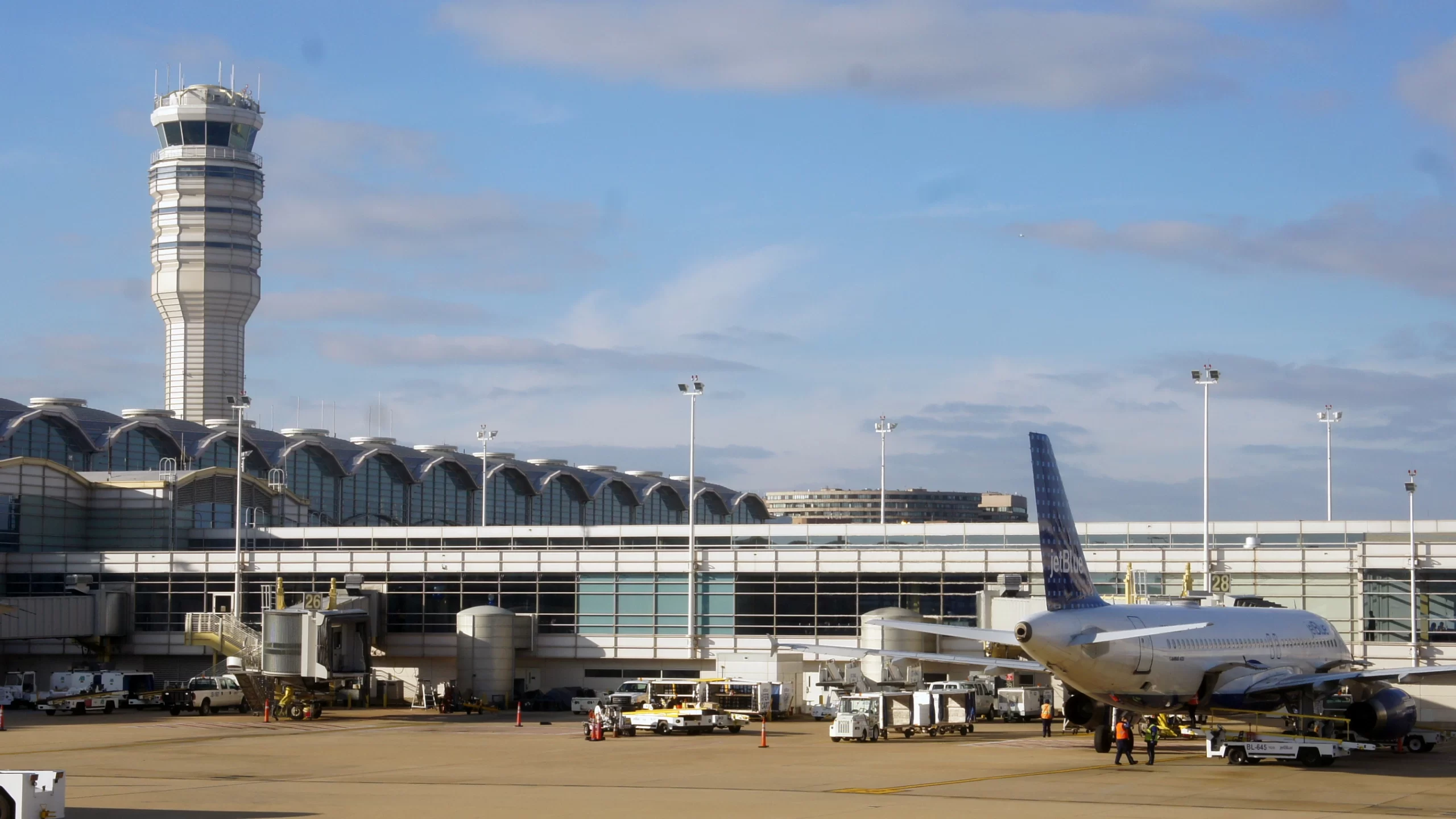
The workload facing the air traffic controller was particularly significant in the final stages before the collision. According to reporting by The Washington Times, the controller was handling 12 aircraft during the final 90 seconds, while controllers at Reagan National had developed various methods of managing the airport’s congested airspace.
One such measure involved directing some arriving aircraft to Runway 33, an approach that could help manage traffic but required a more complex flight path. American Airlines Flight 5342 was redirected to Runway 33 shortly before the collision, placing the aircraft’s approach path in the vicinity of the helicopter corridor used by the Army Black Hawk.