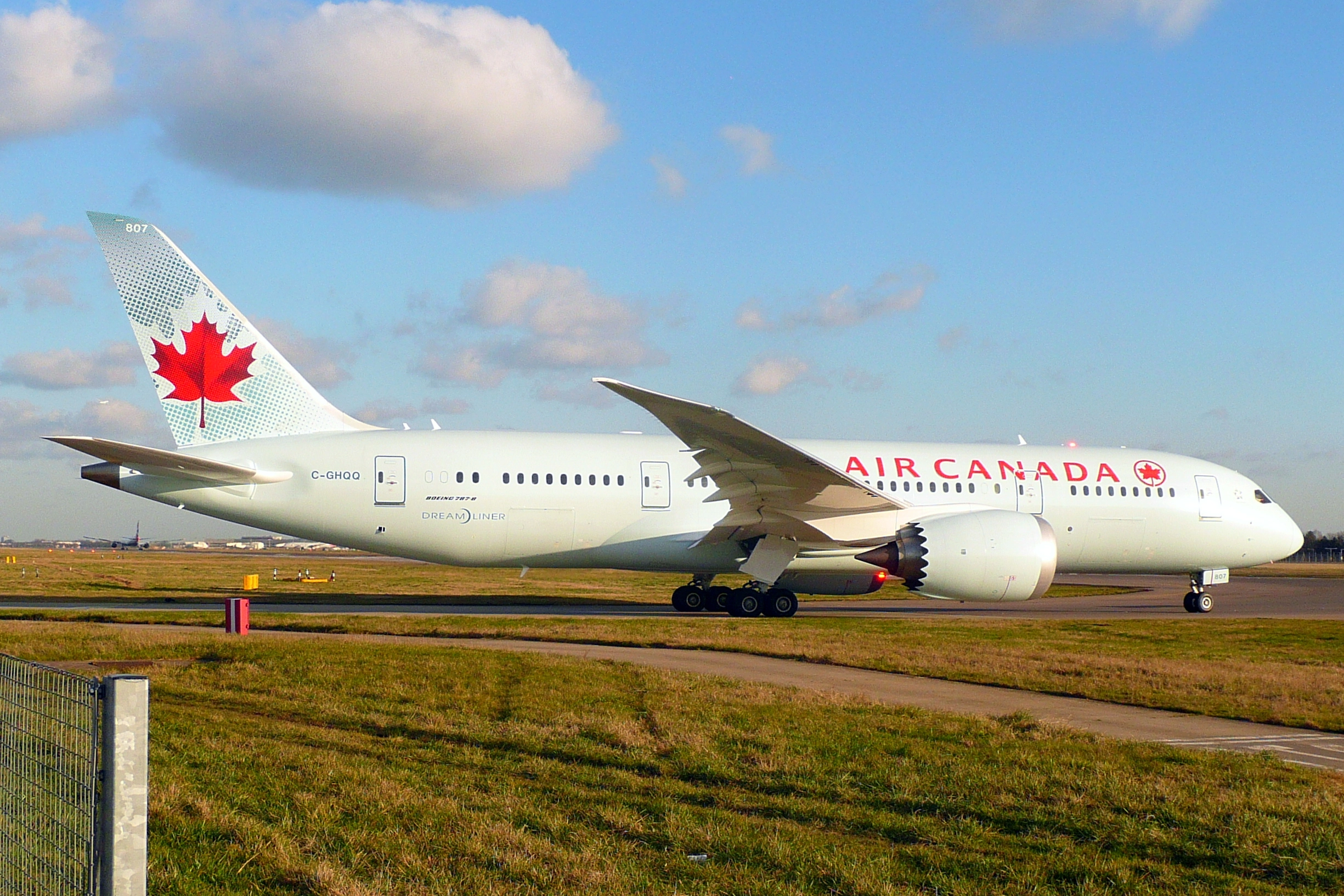
An Air Canada (AC) international service bound for Vancouver International Airport (YVR), Vancouver, Canada returned to Auckland International Airport (AKL), Auckland, New Zealand on Tuesday afternoon after pilots detected an “unusual odour” in the flight deck shortly after departure, reported NewstalkZB.
_C-GHQQ_LHR_(15839803554).jpg)
The flight, designated AC40, had departed AKL at approximately 14:51 NZDT on 13 January 2026, carrying 269 passengers and 14 crew members on a scheduled trans-Pacific journey expected to last about 13 hours. Within roughly an hour, the flight’s captain made the decision to loop back and land safely at AKL at 16:02 NZDT.
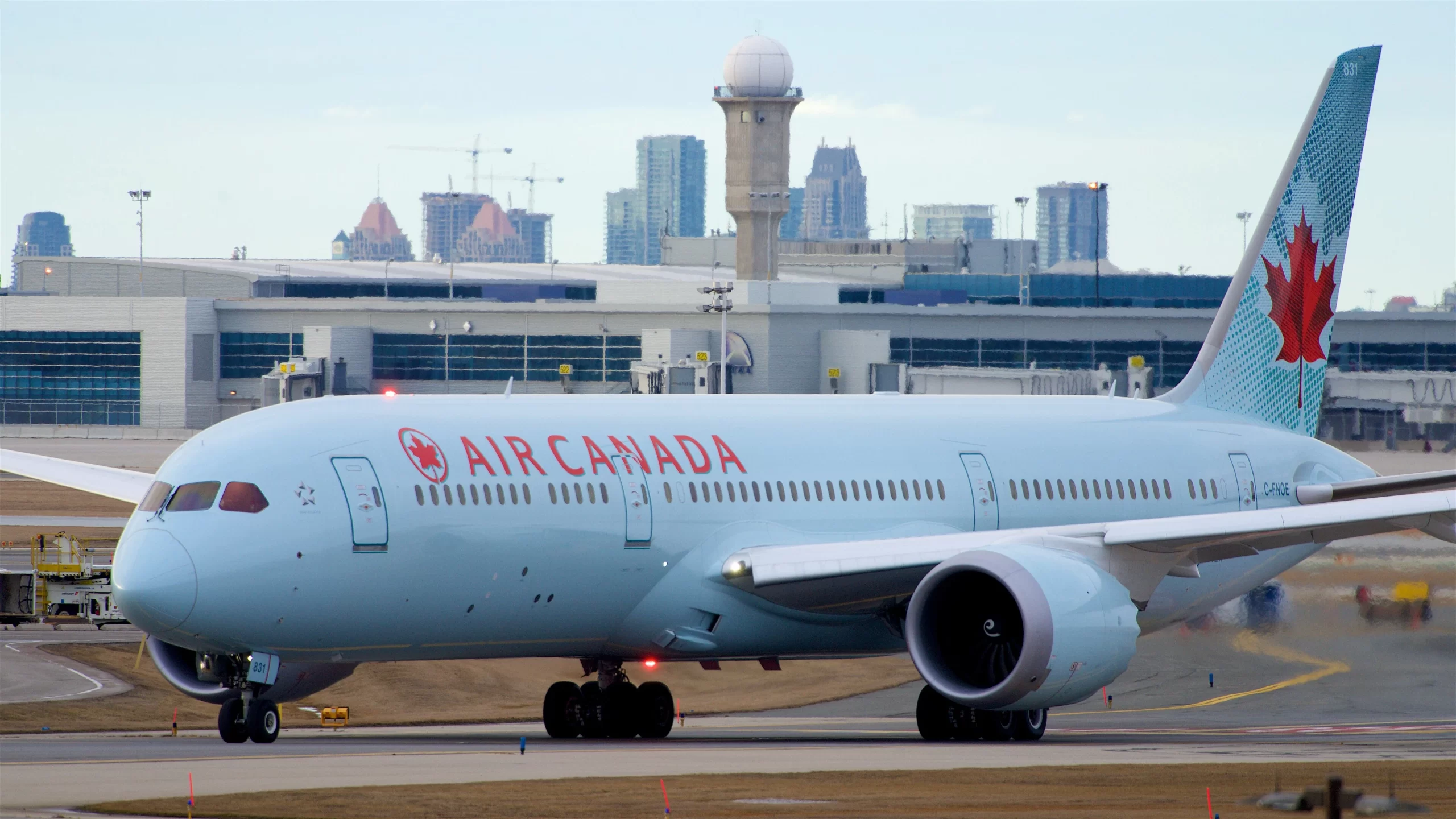
Air Canada (AC)
| Feature | Details |
|---|---|
| Airline Name | Air Canada |
| ICAO Code | ACA |
| Headquarters | Montréal, Québec, Canada |
| Founded | 1937 |
| Hubs | Toronto Pearson International Airport (YYZ), Montréal–Trudeau International Airport (YUL), Vancouver International Airport (YVR) |
| Fleet Size | 216 |
| Destinations | 180+ global destinations across 6 continents |
| Alliance | Star Alliance |
| Frequent Flyer Program | Aeroplan |
| Parent Company | Air Canada (publicly traded) |
.jpg)
What Happened Aboard Flight AC40?
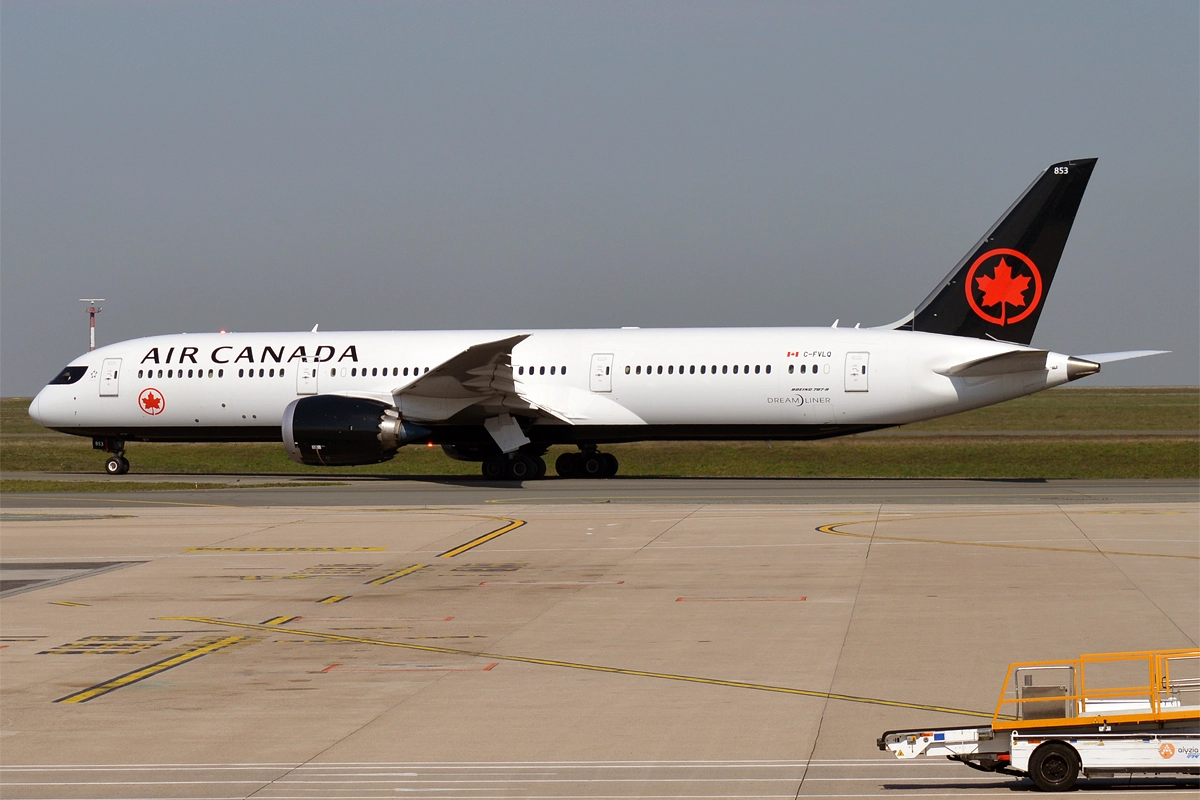
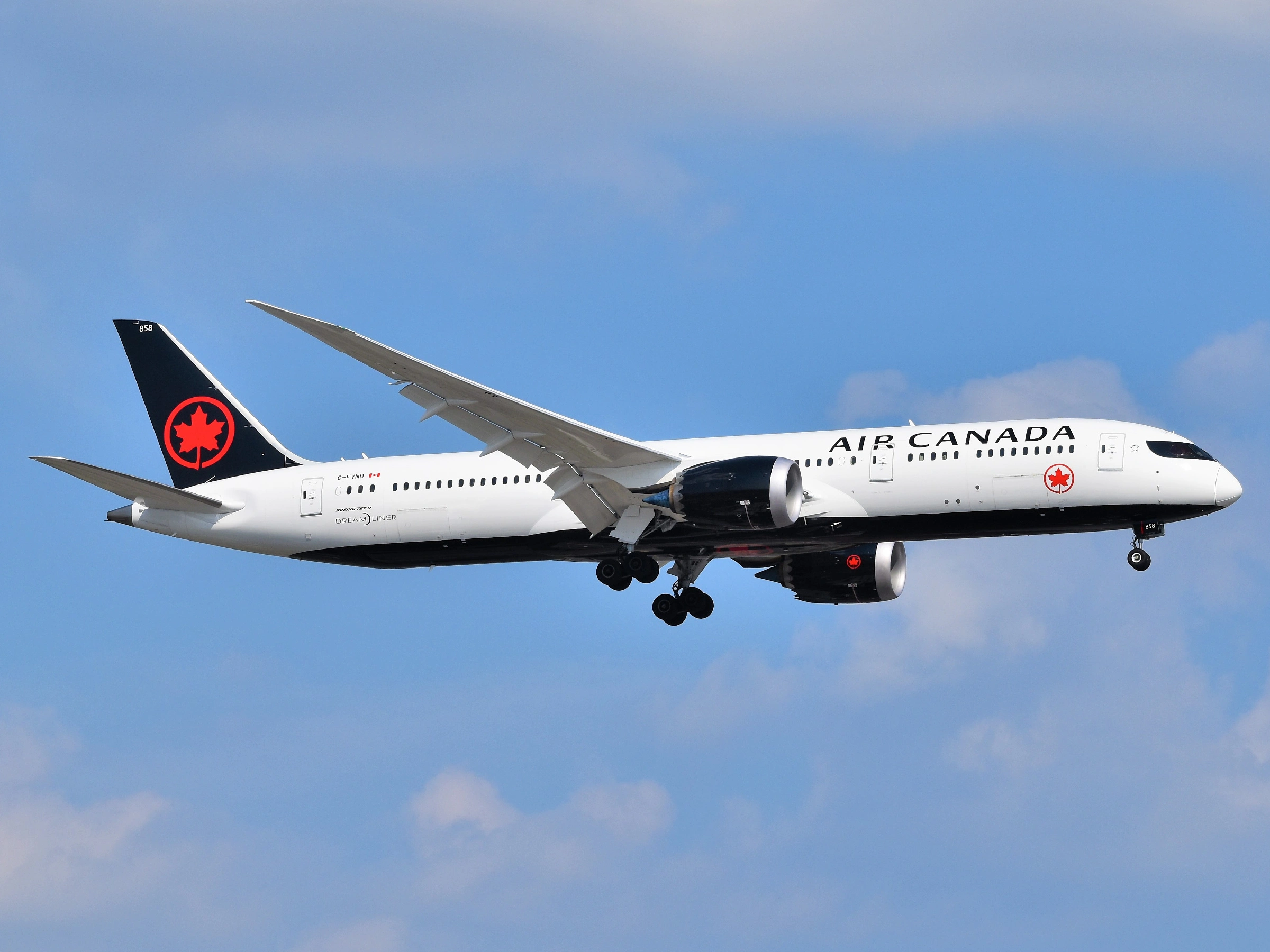
According to data from FlightAware, AC40 was a Boeing 787-9 Dreamliner – a long-range, wide-body aircraft known for fuel efficiency and advanced environmental control systems. It is widely used on trans-Pacific services by multiple carriers including Air Canada.
Pilots detected an unusual odor emanating within the flight deck — the compartment of the aircraft where flight controls and navigation systems are operated — and elected to discontinue the flight as a precautionary safety measure.
An Air Canada spokesperson was quoted in NewsTalk ZB as having said:
“The aircraft landed normally and has been taken offline for an inspection by maintenance and technical professionals. “We are making arrangements for the passengers to be rebooked to their final destinations.”
.jpg)
Previous Similar Aviation Returns: Comparison Table
Below is a non-exhaustive table of noted commercial flights that have returned to origin airports due to unusual smells, smoke, or odours in either the cockpit or passenger cabin:
| Category | easyJet U2 8380 | Qantas QF-163 | Lufthansa LH-418 |
|---|---|---|---|
| Airline | easyJet Europe | Qantas | Lufthansa |
| Aircraft Type | Airbus A320-200 | Boeing 737-800 | Airbus A340-600 |
| Aircraft Registration | OE-IJV | VH-XZL | D-AIHF |
| Route | London Gatwick → Bordeaux | Sydney → Wellington | Frankfurt → Washington Dulles |
| Phase of Flight | Initial climb after departure | En route (~400 nm SE of Sydney) | En route over the Netherlands |
| Nature of Issue | Smoke and fumes in cockpit | Unusual odour onboard | Unidentified smell in cabin |
| Crew Decision | Abandoned climb and returned | Returned to departure airport | Returned to Frankfurt |
| Time to Return | ~25 minutes after takeoff | Not specified | Not specified |
| Passengers Affected | Not specified | 144 passengers | Not specified |
| Medical Response | None reported | One crew member assessed and released | Passenger discomfort reported |
| Operational Outcome | Passengers rebooked next day | Flight cancelled; cause unclear | Flight re-operated; arrival ~9 hours late |
Data: Simple Flying
.jpg)
AC40: Aircraft Age and History
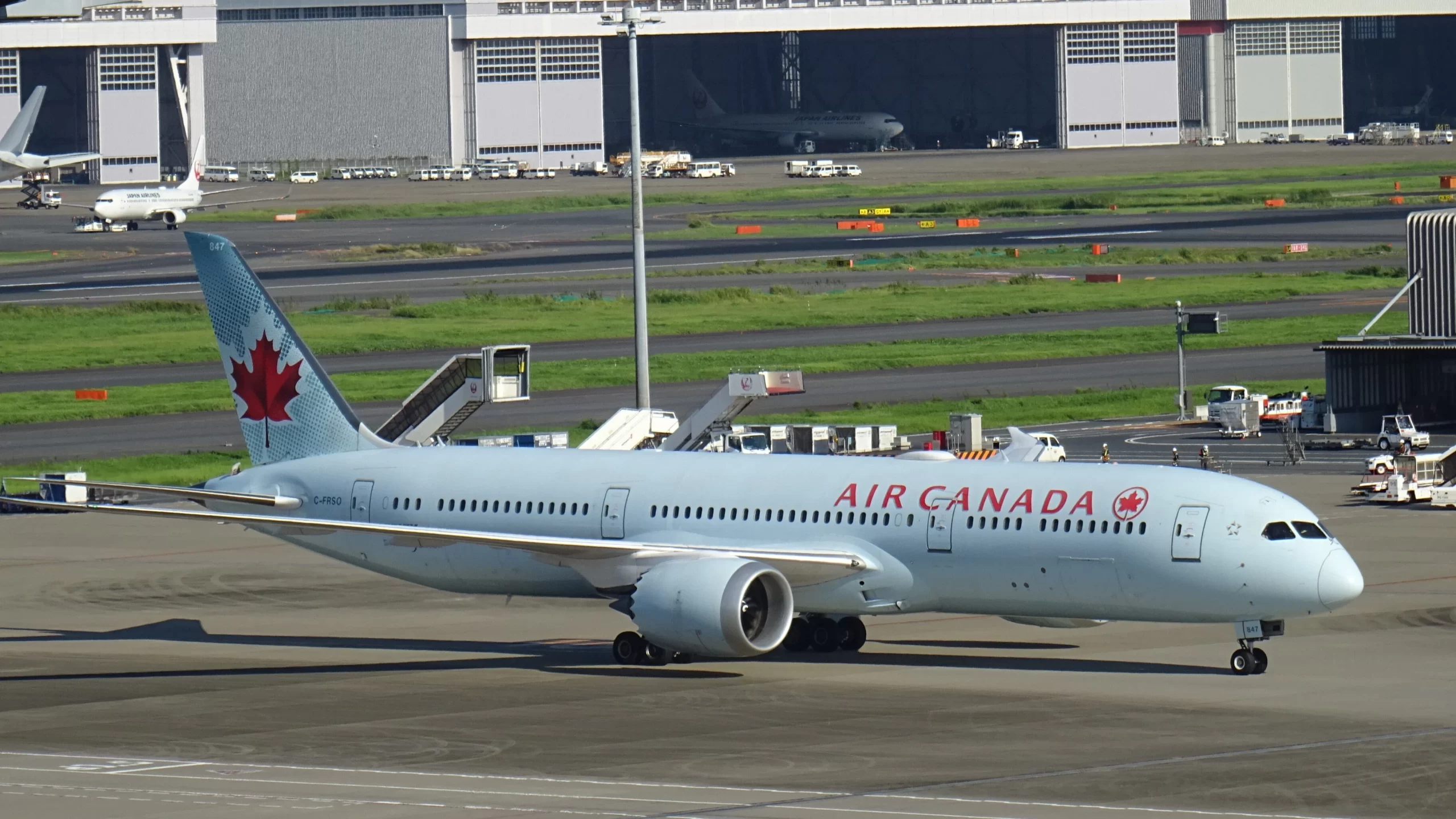
The specific aircraft operating AC40 on 13 January 2026 was a Boeing 787-9 Dreamliner, a type that is deployed around the world in some of the longest routes in the world.
Air Canada has 32 aircraft of this type in its fleet and these average 8.3 years. These are configured in the following manner:
-
Business Class: 30 seats, 78″ pitch, 21″ width, 180° recline; features state-of-the-art amenities, luxurious seating, top-tier entertainment, and personalized crew service.
-
Premium Economy: 21 seats, 38″ pitch, 19″ width, 7° recline; offers modern comforts, upgraded entertainment, superior seating, with specially trained crew.
-
Economy Class: 247 seats, 31″ pitch, 17″ width, 5° recline; includes comfortable seating, advanced entertainment, modern amenities, and attentive crew service.

All in All
Only a week ago, Delta Flight 2150, a Boeing 737-900ER, was diverted as a result of an onboard smell.
What causes such smell as observed in AC40?
It has been noted that the sources of mysterious cabin odors could be:
- engine oil leaks
- cleaning chemicals
- spoiled food
- hydraulic fluid entering the cabin air system
According to a report published in Simple Flying:
“When those onboard an aircraft detect a strange smell or odor, the usual practice is for the captain to divert out of an abundance of caution, as it can be a signal for more serious issues, such as fume events (which are oil or hydraulic fluid leaks into the pressurized cabin air). The fact that pilots felt the need for oxygen masks suggests the odor was more than just unpleasant, it potentially posed a health risk to the flight crew responsible for safely operating the aircraft”.