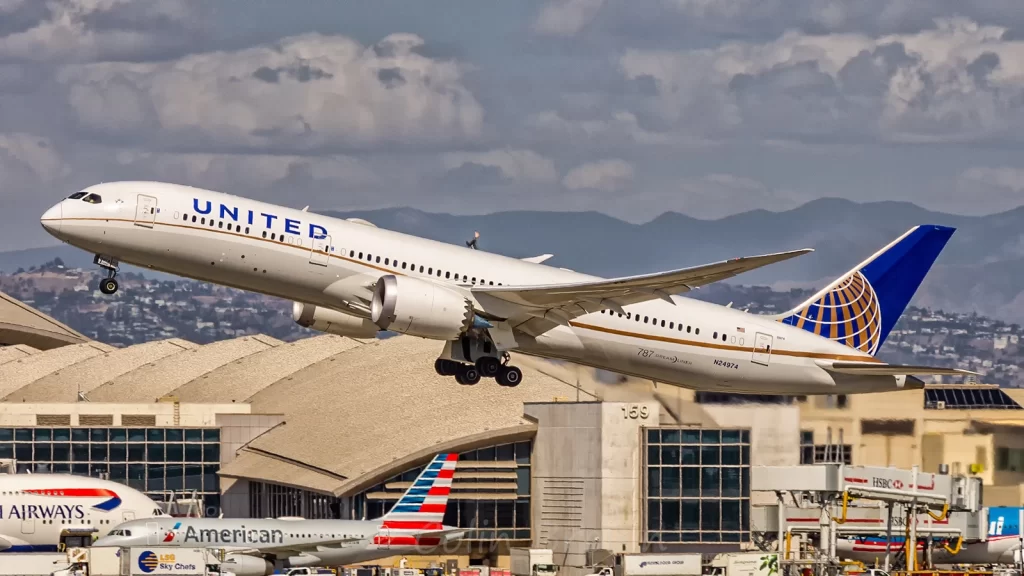
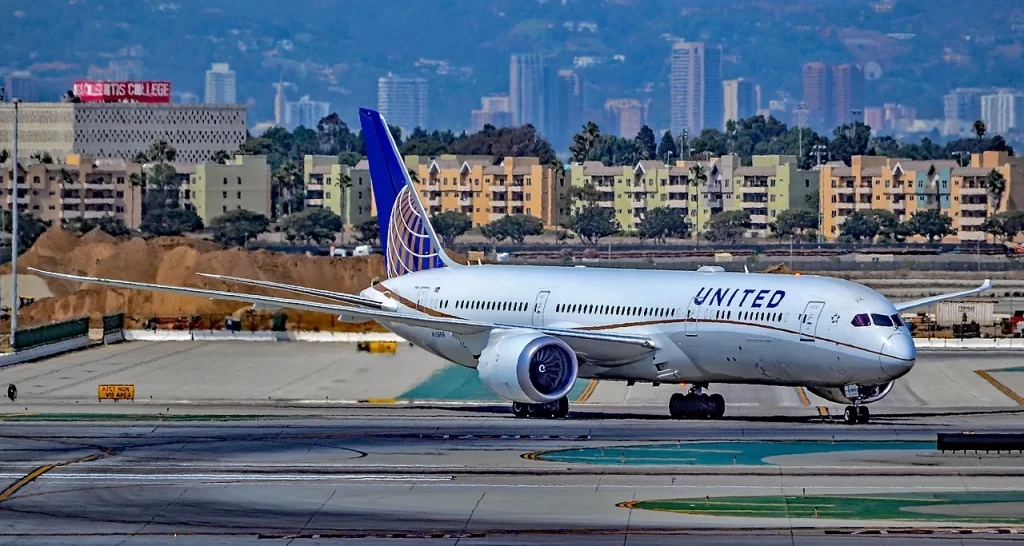
A United Airlines (UA) Boeing 787-9 Dreamliner operating flight UA2127 from Los Angeles International Airport (LAX) to Newark Liberty International Airport experienced a serious engine fire event shortly after departure during its climb phase.
According to preliminary National Transportation Safety Board (NTSB) findings, the aircraft was climbing normally when pilots began noticing abnormal engine behaviour accompanied by strong airframe vibrations and a reduction in left engine N2 speed.
.jpg)
The situation escalated rapidly as the aircraft passed approximately 17,000 feet, when cockpit alerting systems triggered an “L ENGINE FIRE” warning for the left GE Aerospace GEnx-1B76A turbofan.
The aircraft was carrying 256 passengers and 12 crew members at the time of the incident.
| United Airlines UA2127 | Detail |
|---|---|
| Registration | N24972 |
| Model/Series | 787-9 |
| Amateur Built | No |
| Operator | United Airlines Inc |
| Operating Certificate(s) Held | Flag carrier (Part 121) |
| Crew Injuries | 11 (None) |
| Passenger Injuries | 239 (None) |
| Total Injuries | 250 (None) |
| Aircraft Damage | None |
| Aircraft Fire | In-flight |
| Aircraft Explosion | None |
| Latitude, Longitude | 33.942368, -118.40354 |
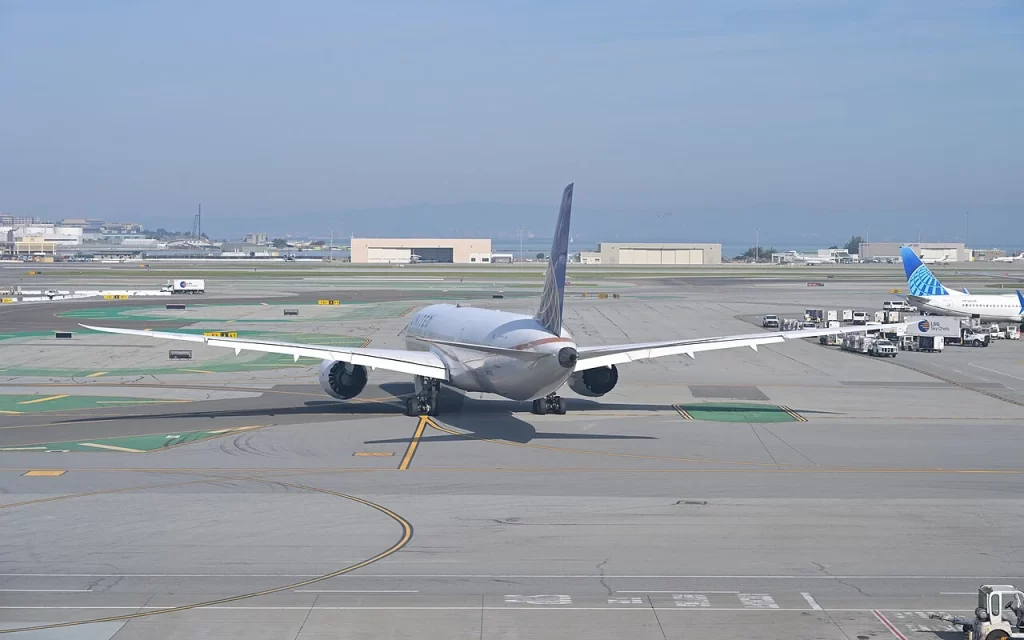

UA 2127’s Fire Warning Returned Even After First Suppression Attempt
Following standard emergency procedures, the flight crew immediately initiated the engine fire checklist and discharged the first fire suppression bottle into the affected engine.
Initially, this appeared effective—the fire warning cleared.
However, within roughly 30 seconds, the warning reappeared, indicating that the fire had not been fully extinguished or had re-ignited internally.
At this stage, the crew escalated the response by:
- Discharging the second fire bottle
- Declaring an emergency
- Initiating a return to LAX while continuing to monitor repeated fire warnings
Despite both suppression systems being activated, the engine continued to show signs consistent with an ongoing internal thermal event.
According to crew statements recorded in NTSB‘s findings:
One fire bottle was discharged and the engine fire warning extinguished after about 30 seconds. The warning returned on the EICAS, and the second fire bottle was discharged. The crew declared an emergency, advised ATC of a suspected engine fire, requested clearance for immediate return to LAX, and asked for airport crash and fire rescue (CFR) assistance. The crew continued receiving intermittent fire warnings during their return to LAX.
.jpg)
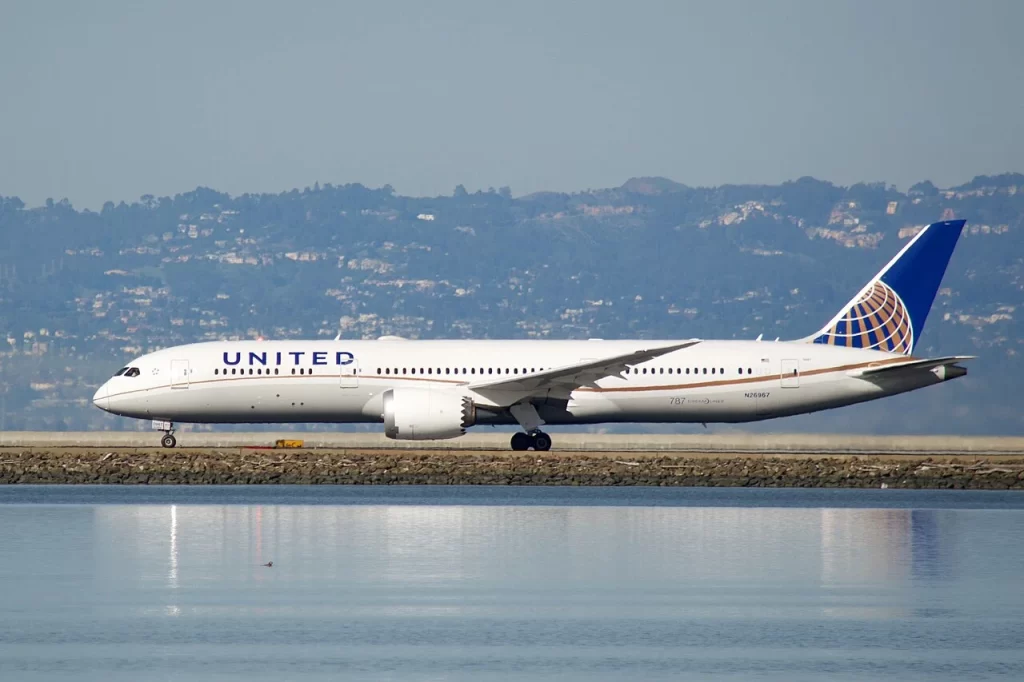
Fire Persisted but UA 2127 Landed Safely to be Evacuated
The persistence of the fire indication meant the aircraft had to continue flying on a single functioning engine during its return to Los Angeles.
Yhe left engine fire event was not immediately contained and instead remained active long enough to cause internal thermal damage within the engine core section.
The flight crew maintained control of the aircraft and coordinated closely with air traffic control to ensure a prioritized return approach to LAX. The aircraft landed safely at LAX and was brought to a stop on the runway/taxiway system, where emergency services were already on standby.
Following landing, authorities ordered a precautionary full evacuation, deploying emergency slides to expedite passenger exit. All 268 occupants evacuated safely, and no serious injuries were reported.
| Category | Detail |
|---|---|
| Conditions at Accident Site | VMC |
| Light Condition | Day |
| Observation Facility | KLAX |
| Observation Time | Not specified |
| Distance from Accident Site | Not specified |
| Temperature / Dew Point | 16°C / 14°C |
| Lowest Cloud Condition | Few |
| Lowest Ceiling | Broken / 22,000 ft AGL |
| Visibility | 6 miles |
| Wind Speed / Gusts / Direction | 4 knots / None |
| Altimeter Setting | Not specified |
| Type of Flight Plan Filed | IFR |
| Departure Point | Los Angeles, CA |
| Destination | Newark, NJ (EWR) |
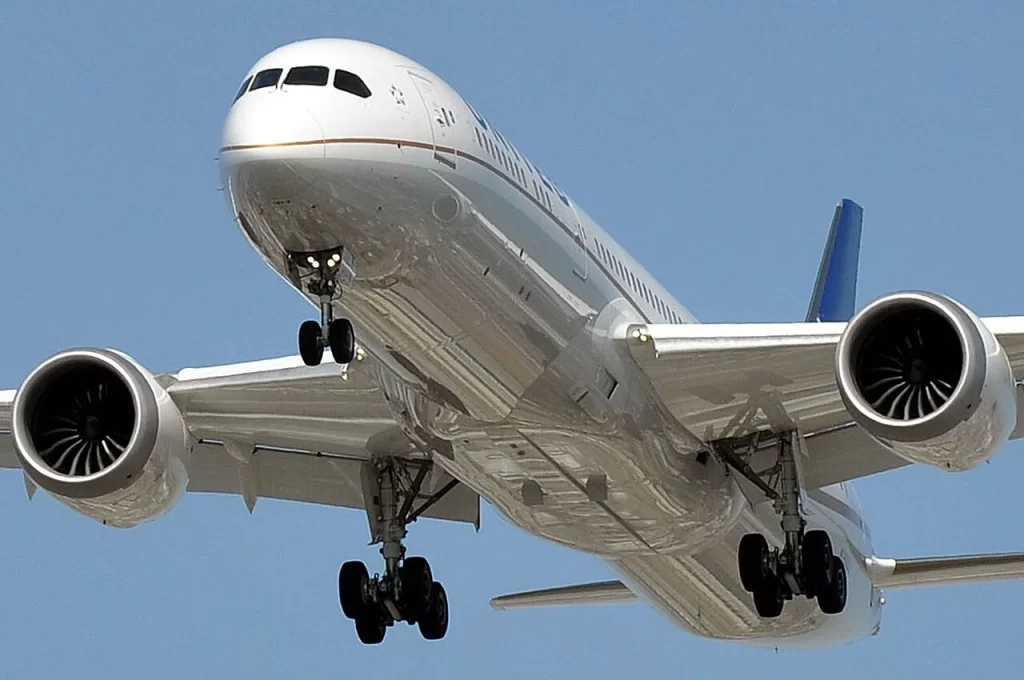
However, post-landing observations revealed a more alarming detail: fire activity or heavy smoke was still visible from the left engine after touchdown, confirming that the event had not been fully extinguished during flight.
.jpg)
Post-Incident Findings Reveal Deep Engine Damage
Subsequent inspections conducted as part of the investigation revealed significant damage inside the affected engine, including:
- Sooting and thermal damage concentrated in the engine core module
- Heat effects extending toward the engine pylon structure
- Evidence of high-pressure turbine damage confirmed via borescope inspection
Importantly, investigators also found that external components such as the thrust reverser showed minimal thermal impact, suggesting the fire was largely concentrated internally within the engine core rather than externally driven.
These findings support the conclusion that the event involved a sustained internal thermal failure rather than a brief, easily contained fire.
.jpg)
The NTSB is continuing its formal investigation into the incident.
At this stage, authorities have not issued a final determination on the root cause, though analysis is focused on engine performance data, maintenance history, and flight crew actions during the event.