Canada is actively assessing participation in the UK–Japan–Italy-led Global Combat Air Program-me (GCAP) while reviewing its long-standing procurement of Lockheed Martin’s F-35 fighter jets. The development, reported in early 2026, reflects Ottawa’s strategic reassessment of defence dependencies, industrial participation, and future air combat requirements.
The potential move comes amid an ongoing government review initiated in 2025, which evaluates whether Canada should proceed with its planned acquisition of 88 F-35 aircraft or diversify into next-generation alternatives. The GCAP, a sixth-generation fighter initiative targeting service entry by 2035, has emerged as a viable—albeit complex—option, The Eurasian Times reported.
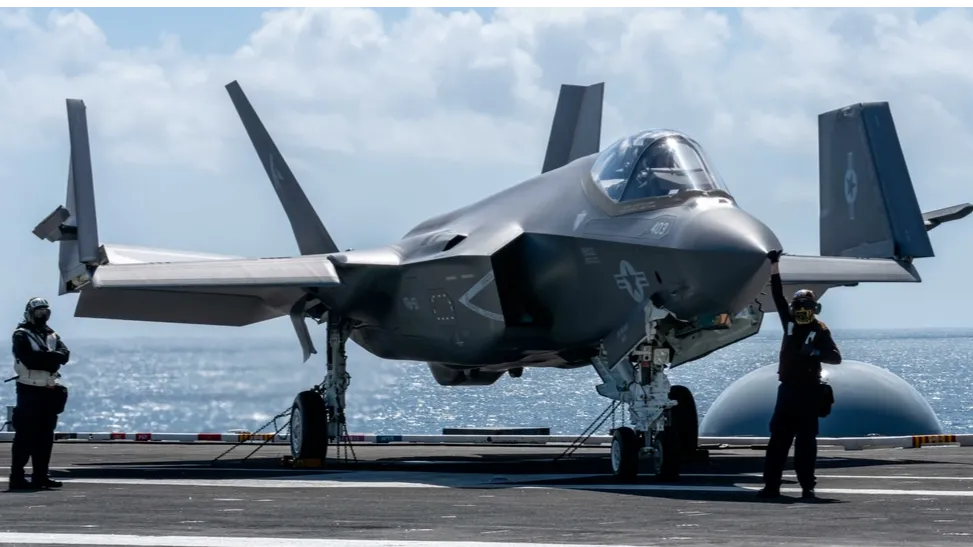
Royal Canadian Air Force (RCAF) overview and fleet modernization
| Category | Details |
|---|---|
| Operator | Royal Canadian Air Force (RCAF) |
| Current Fleet | CF-18 Hornet (legacy fighter fleet) |
| Planned Replacement | Lockheed Martin F-35 Lightning II |
| Total F-35 Order | 88 aircraft |
| Confirmed Purchase | First 16 aircraft |
| Alternative Considerations | Saab G ripen E/F, GCAP sixth-generation fighter |
| Strategic Role | NORAD commitments, Arctic sovereignty, NATO interoperability |
Canada f-35 review: strategic uncertainty and political re-calibration
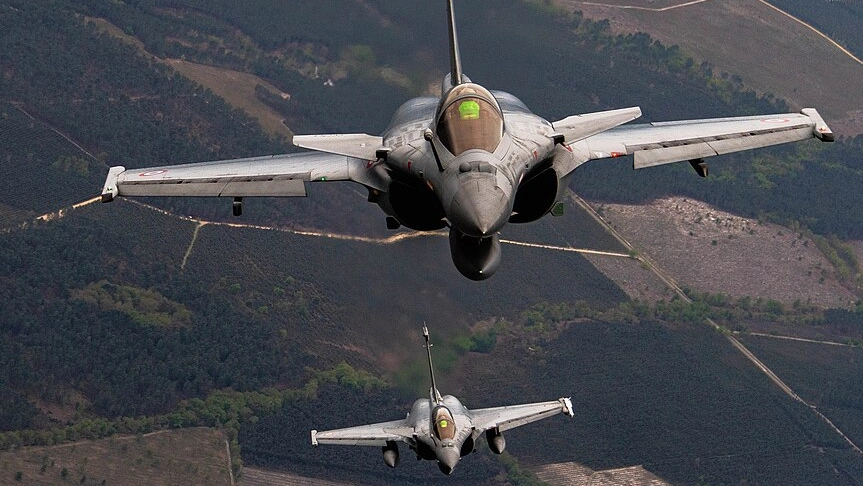
The Canadian government initiated a formal review of its F-35 acquisition in March 2025, citing concerns over over-reliance on the United States de-fence ecosystem.
.jpg)
- Ottawa has already committed to the first tranche of 16 aircraft.
- The remaining 72 jets remain under evaluation pending the review’s outcome.
- The Royal Canadian Air Force leadership has largely supported completing the F-35 acquisition.
A Reuters report indicates that internal assessments favor continuing the F-35 program-me due to interoperability and cost efficiencies. However, political considerations—particularly defence sovereignty—continue to influence deliberations, especially given the fact that US has expressed its wish to make Canada is 51st state.
GCAP sixth-generation fighter program: Capabilities and Strategic Appeal
The Global Combat Air Program-me (GCAP) was formally launched in December 2022 as a trilateral initiative between the United Kingdom, Japan, and Italy to develop a sixth-generation combat aircraft.
Key characteristics of GCAP include:
- Integration of artificial intelligence and advanced sensor fusion
- Optional manned-unmanned teaming capabilities
- Enhanced stealth and electronic warfare systems
- Network-centric warfare architecture
The program-me merges the UK’s Tempest and Japan’s F-X initiatives, aiming to deliver operational capability by 2035.
Canada’s potential entry as an observer would:
- Provide access to classified next-generation technologies
- Enable future procurement options without immediate commitment
- Offer industrial participation opportunities in aerospace development
However, observer status does not guarantee full partnership or procurement obligations.
Industrial, financial, and geopolitical implications of Canada’s GCAP participation
GCAP represents one of the most ambitious multinational defence projects currently underway, with projected development costs reaching tens of billions of euros.
- Italy alone has approved €8.8 billion for early program-me phases through 2037.
- Total program-me costs could approach €60 billion across partner nations.
- Industrial leadership includes BAE Systems, Leonardo, and Mitsubishi Heavy Industries.
Participation could enhance Canada’s domestic aerospace sector, but it also introduces:
- Long development timelines
- Cost escalation risks
- Technological uncertainties
Geopolitically, joining GCAP could signal a shift toward diversified defence partnerships beyond traditional U.S.-centric frameworks. Last year, British Defense Minister Maria Eagle was quoted to have said in that despite the fact that Canada was currently not a GCAP partner:
“all three Global Combat Air Program nations have highlighted an openness to working with other nations while keeping us on track with the program delivery schedule and helping us deliver future military capabilities.”
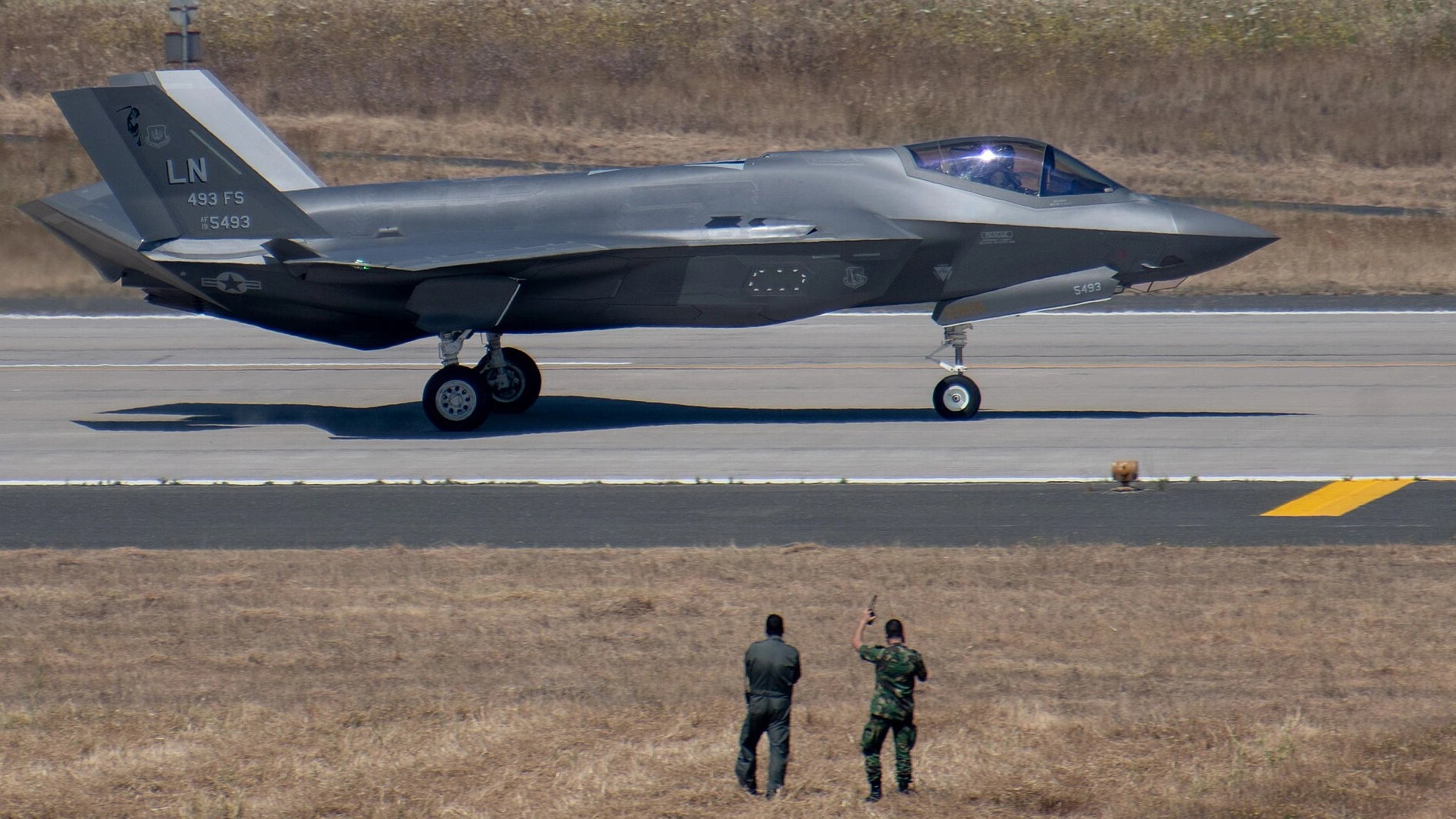
Concerns From Existing GCAP partners over Canada
Despite its technological promise, GCAP faces notable challenges.
A Reuters report highlighted concerns within Japan regarding potential delays in the programme’s timeline, which could push operational deployment beyond the 2035 target.
Additionally:
- Italy has raised concerns about unequal technology sharing within the partnership.
- Budgetary constraints and differing national priorities have slowed progress.
In a Reuters report, unnamed sources indicated that delays could force interim reliance on existing platforms such as the F-35, underscoring the programme’s uncertainty:
Canada unveiled the C$19-billion ($14-billion) deal in early 2023. But in June, Canada’s top independent watchdog said buying the jets would cost at least 45% more than initially estimated and said the project was also threatened by a pilot shortage. Ottawa has made a legal commitment of funds for the first 16 F-35 aircraft. Although Carney made clear in March that Canada could seriously look at buying the remaining 72 planes from non-U.S. companies, the Defense Ministry review concluded there was no military sense in splitting the order.
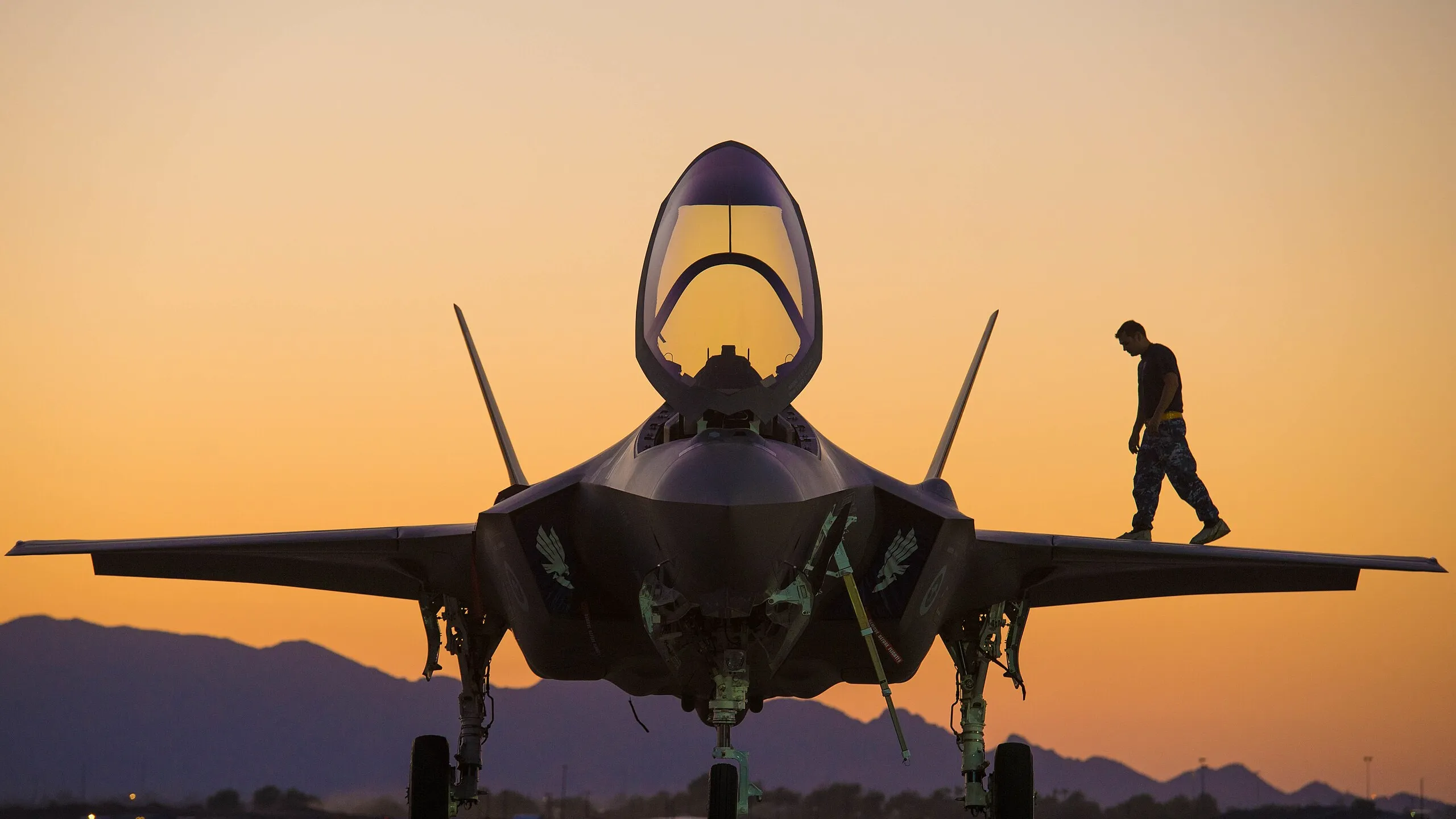
Canada Has A Sixth-Generation Ambition
Canada’s deliberation reflects a broader strategic dilemma faced by many allied nations: whether to invest in proven fifth-generation platforms or leapfrog to emerging sixth-generation technologies.
The F-35 offers immediate operational capability, established logistics, and NATO interoperability. Conversely, GCAP promises technological superiority but remains developmental and uncertain.
Ottawa’s final decision will likely hinge on:
- Near-term defence readiness requirements
- Long-term industrial and technological benefits
- Geopolitical alignment and alliance considerations