“Youth is happy because it has the capacity to see beauty,” wrote Franz Kafka, capturing how young people uniquely perceive the world around them with curiosity and wonder. In the context of the 21st century rife with intercontinental travel, this literary sentiment still resonates as it gives us a chance to wonder how young adults think about life, careers, and personal growth.
Instead of viewing borders as limits, many young people now see them as opportunities to learn, connect, and build meaningful lives in new places. According to data related to migration, an estimated 300+ million people worldwide currently reside outside their country of birth, and young adults (especially those aged roughly 18–34) make up a significant portion of this mobile cohort.
This trend has been driven by globalisation, the rise of remote work, and a growing emphasis on international experience as a career and life advantage.
Modern connectivity plays a huge role. Affordable international travel, digital communication tools, and flexible work arrangements mean that relocating abroad no longer requires putting a career on hold — it can enhance it. Cities around the world now compete to attract young talent, offering friendly visa policies, vibrant cultural scenes, and thriving professional networks.
At the same time, economic pressures at home — such as the rising cost of living in many major cities — have made international opportunities even more appealing. For many young adults today, moving abroad isn’t just about adventure; it’s about building meaningful careers, finding community, and crafting lives that align with their values and aspirations.
In the sections that follow, we explore eight standout destinations for young adults in 2026, as reported by Travel and Leisure:
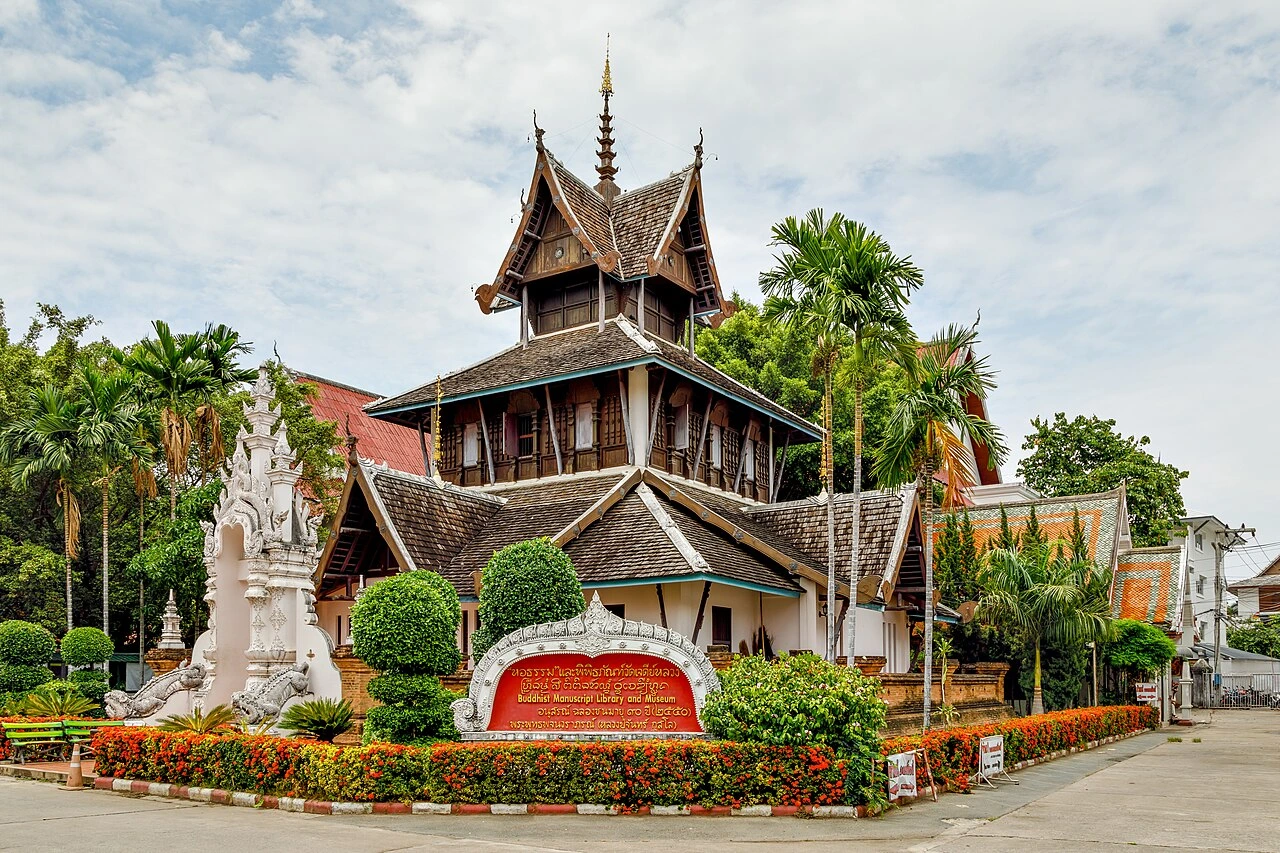

1. Chiang Mai, Thailand – The Digital Nomad Capital
Chiang Mai has long been a favorite among young expats and remote workers, thanks to its blend of affordability, culture, and convenience. Thailand’s Destination Thailand Visa (DTV) now offers a five-year, multi-entry option for digital nomads, making long-term stays far more accessible.
Expats often highlight the city’s friendly community, excellent street food, and easy access to the rest of Southeast Asia as reasons why they never want to leave. The city’s lifestyle makes it ideal for those seeking both adventure and productivity. Affordable living costs allow young adults to explore new hobbies, connect with local culture, and maintain a comfortable standard of living without breaking the bank.
Key Highlights:
- Rent can be as low as $500/month for a furnished apartment.
- Delicious local cuisine with plenty of affordable street food options.
- Thriving expat community offering social events and networking opportunities.
- Domestic flights usually under $100; regional travel is highly accessible.
- Opportunities to explore mountains, temples, and nearby islands on weekends.
City Features Table:
| Feature | Details |
|---|---|
| Cost of Living | ~$500–700/month (excluding utilities) |
| Climate | Tropical; hot and humid, cool season Nov–Feb |
| Visa Options | 5-year multi-entry digital nomad visa |
| Expat Community Size | Large, active, and diverse |
| Remote Work Infrastructure | Multiple coworking spaces, reliable internet, digital nomad events |
| Cultural Highlights | Temples, night markets, traditional festivals, hill tribe villages |
| Regional Accessibility | Easy flights to Bangkok, Vietnam, Cambodia, Laos, and Malaysia |
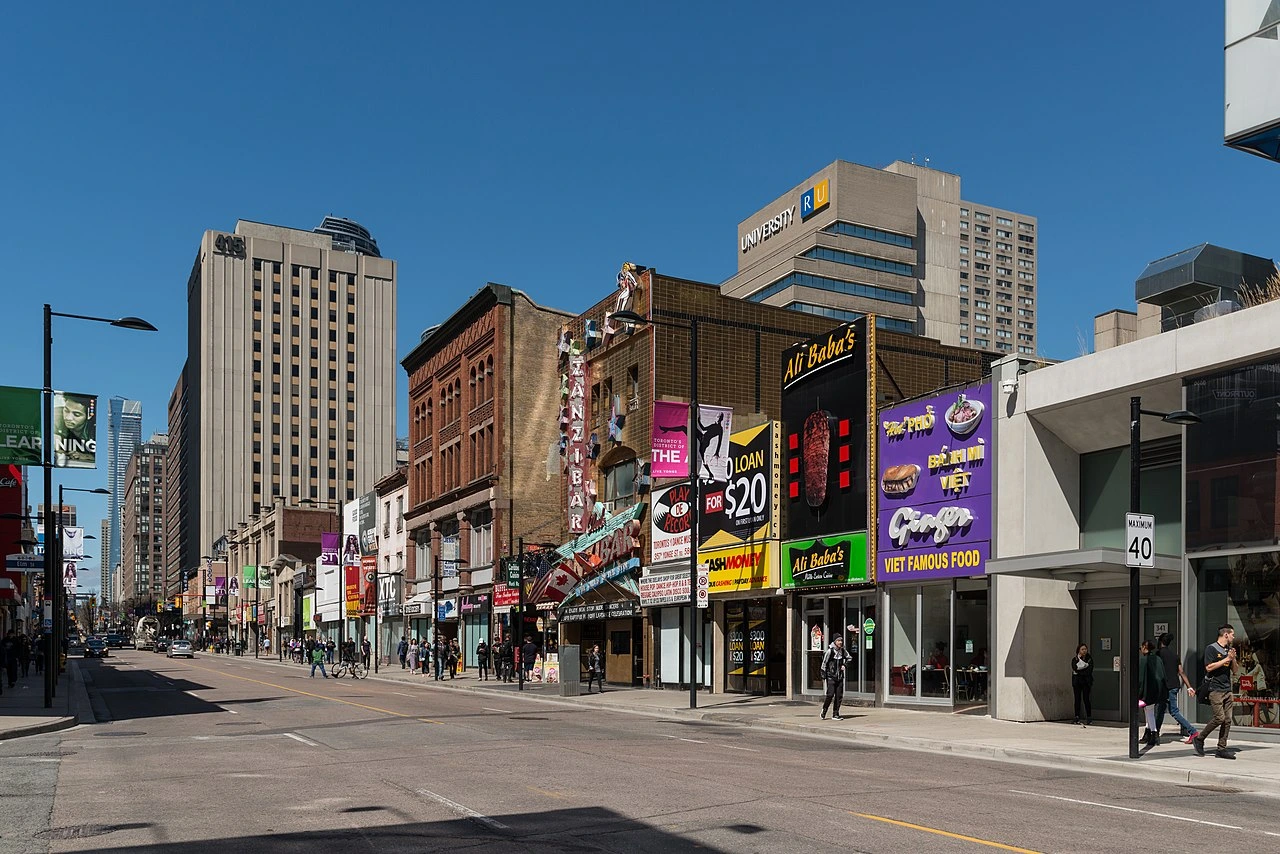

2. Toronto, Canada – Career Growth Meets High Quality of Life
Toronto is a city where ambition meets opportunity, making it a magnet for young adults seeking to advance their careers without sacrificing lifestyle. Known for its multicultural vibrancy, excellent healthcare, and well-maintained public infrastructure, Toronto allows newcomers to immerse themselves in a cosmopolitan environment while enjoying access to parks, lakes, and outdoor adventures.
Luther Yeates, founder of U.K. Expat Mortgage, emphasized in Travel and Leisure that Toronto’s “balance of career opportunities and quality of life” is what sets it apart, especially for young professionals looking to build a sustainable life abroad.
Despite the higher cost of living compared to other cities on this list, Toronto rewards residents with a robust job market in sectors like technology, finance, media, and healthcare. Young adults often highlight the city’s cultural events, music festivals, and diverse neighborhoods as perfect avenues to build both professional networks and personal connections.
Key Highlights:
- Global career opportunities, especially in tech, finance, and creative industries.
- Access to world-class healthcare and public services.
- Diverse neighborhoods with rich cultural and culinary offerings.
- Proximity to nature: lakes, trails, and short trips to Niagara Falls.
- Year-round events and festivals for social and professional networking.
City Features Table:
| Feature | Details |
|---|---|
| Cost of Living | High; average rent for a 1-bedroom ~$2,100/month |
| Climate | Continental; cold winters with snow, warm summers |
| Visa Options | Work permits and Express Entry for skilled immigrants |
| Expat Community Size | Large and highly diverse |
| Remote Work Infrastructure | Widespread coworking spaces, reliable internet, strong startup ecosystem |
| Cultural Highlights | Museums, music festivals, theaters, multicultural neighborhoods |
| Proximity to Nature | Lake Ontario waterfront, hiking trails, weekend trips to Niagara Falls |
Toronto combines the professional edge of a global city with a lifestyle that young adults find both exciting and sustainable. Its diversity, robust infrastructure, and mix of urban and natural attractions make it a prime choice for those willing to invest in a higher-cost, high-reward environment.
_(cropped).jpeg)
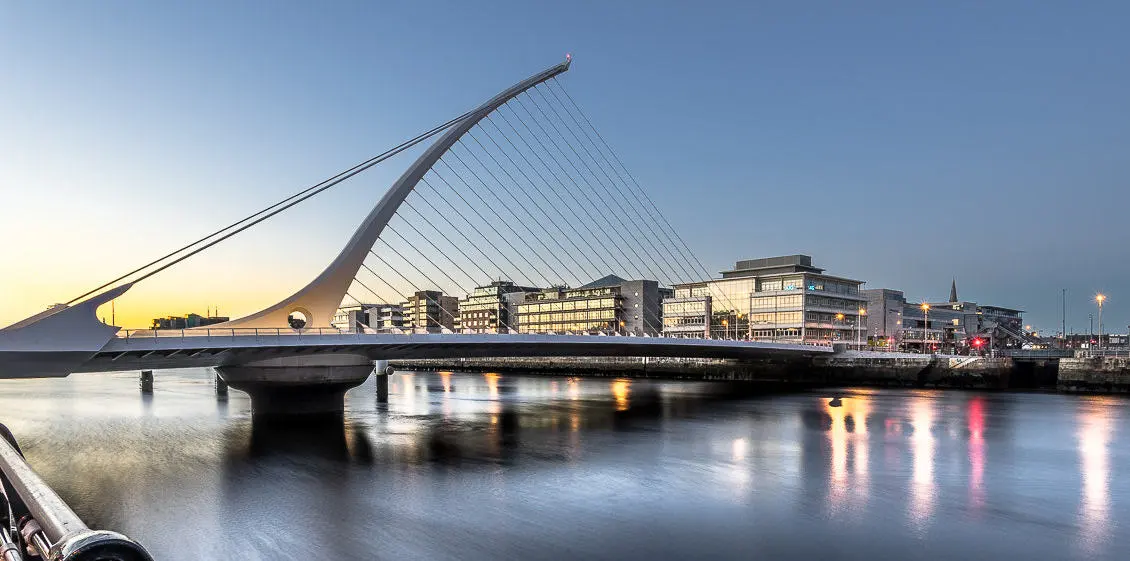
3. Dublin, Ireland – Where Literary Legacy Meets Modern Urban Life
Dublin is a city that wears its history proudly while bustling with contemporary energy. Its cobblestone streets and centuries‑old architecture are the backdrop for one of the world’s richest literary traditions — James Joyce, Oscar Wilde, Jonathan Swift, and Samuel Beckett all called this city home, and their work still shapes Dublin’s cultural identity today.
Young expats and creatives are drawn to its historic charm, writing heritage, and vibrant arts scene — and despite the modern skyline rising around its tech hubs, the spirit of storytelling remains ingrained in daily life.
The Irish term “craic” (pronounced crack) is one of those local linguistic treasures that quickly becomes part of a newcomer’s vocabulary. It refers to enjoyable conversation, fun and good times shared with others — something you’ll hear often in pubs, cafes, and social gatherings. Asking, “What’s the craic?” is the Dublin equivalent of “What’s up?” — capturing both the city’s sociable culture and its residents’ famous wit.
Yet Dublin is more than just history and pub culture. It has emerged as one of Europe’s most dynamic economic centres, with a booming tech and finance job market anchored by the presence of multinational headquarters and startup growth. English being the primary language across business sectors makes integration easier for international professionals, while neighbourhoods like the Silicon Docks blend global corporate life with local character.
At the same time, Dublin’s cost of living — especially housing — is notably high compared with many other European capitals, which newcomers must plan for carefully when relocating.
Dublin: City Features Table
| Feature | Details |
|---|---|
| Primary Language | English (eases relocation & job entry) |
| Cultural Scene | Literary heritage, theatre, music, festivals |
| Cost of Living | High — rent for a 1‑bed city centre €2,000–€2,800/mo for expats |
| Employment Sectors | Tech, finance, pharmaceuticals, professional services |
| Public Transport | Trams, buses, DART commuter rail; relatively walkable city core |
| Social Vibe | Friendly, talkative locals — lots of social activities |
| Expats & Diversity | Significant international community in city and metro region |
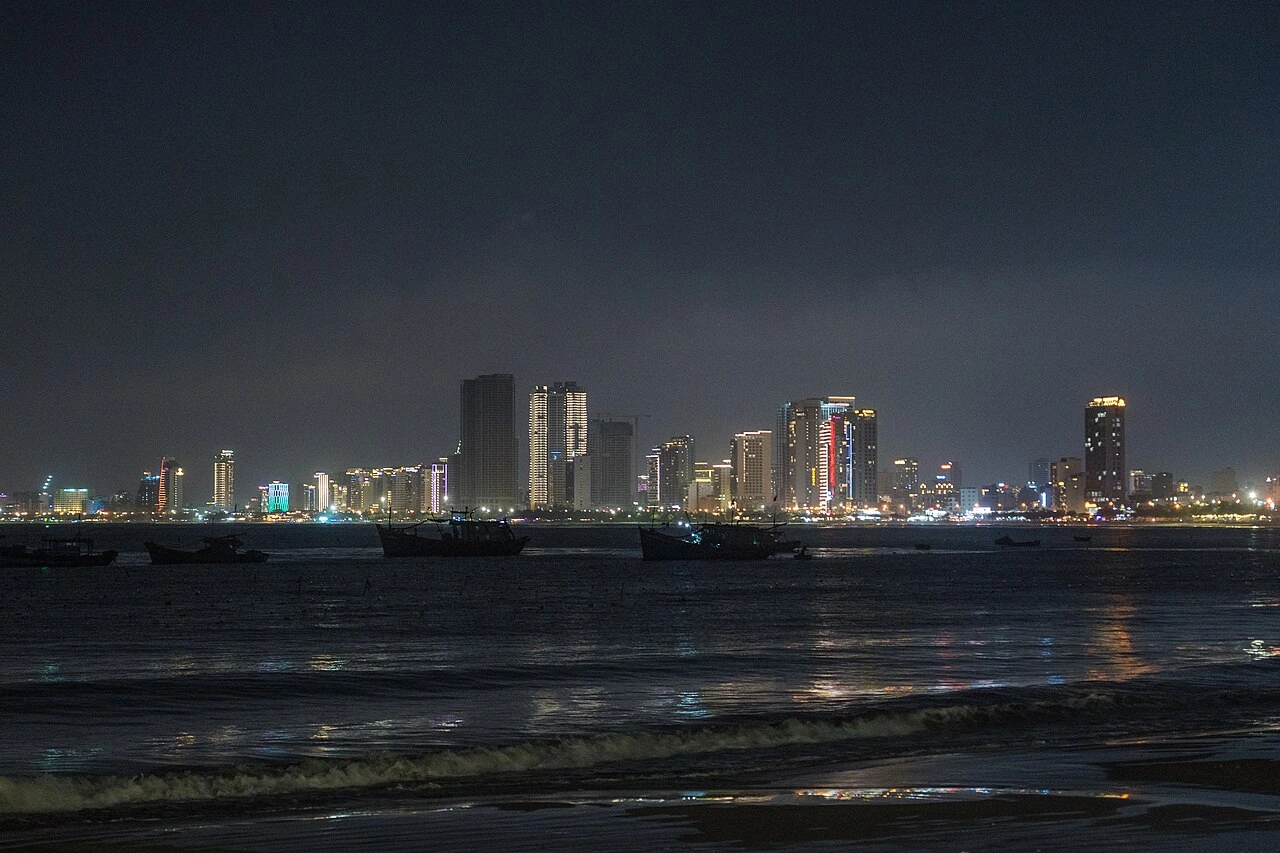

4. Da Nang, Vietnam – Coastal Charm and Growing Opportunities
Da Nang is a rising star among Southeast Asian destinations for young adults seeking affordability, culture, and coastal lifestyle. Nestled along Vietnam’s central coast, the city offers golden beaches, vibrant street markets, and a growing expat community.
Its proximity to historical sites such as the Imperial City of Hue, the ancient town of Hoi An, and the Marble Mountains makes it ideal for those who want a mix of modern life and cultural exploration. At a time when US and Israel are at war with Iran, Da Nang might give us flashes of US’s War in Vietnam as this place was, as constested as, if not more contested than some territories in Iran right now.
The city is particularly attractive to young professionals and digital nomads because of its low cost of living, reliable internet infrastructure, and thriving co-working spaces. Domestic and regional flights make short weekend trips to nearby countries like Thailand, Laos, and Cambodia easy, while the city itself provides a scenic, walkable environment with plenty of cafes and outdoor spaces.
Key Highlights – Things to Do in Da Nang:
- Explore the Marble Mountains, a cluster of limestone hills with caves, pagodas, and panoramic views.
- Stroll along My Khe Beach and enjoy water sports like surfing or paddleboarding.
- Visit Dragon Bridge and catch its fire-and-water show on weekends.
- Take a short trip to Hoi An Ancient Town, a UNESCO World Heritage site famous for lantern-lit streets and traditional crafts.
- Sample the local cuisine, including Mi Quang noodles and fresh seafood at street markets.
- Attend local festivals and cultural performances, especially during Tet (Vietnamese New Year).
- Join the growing expat and digital nomad community in cafes and coworking spaces.
City Features Table
| Feature | Details |
|---|---|
| Cost of Living | Very low — ~$400–500/month for a comfortable lifestyle excluding rent |
| Climate | Tropical; warm year-round, monsoon season Jul–Nov |
| Visa Options | Tourist visa, business visa, and digital nomad long-stay options (up to 1 year) |
| Expat Community Size | Medium; growing community with active meetups |
| Internet & Remote Work | Reliable high-speed internet, many co-working spaces |
| Cultural Attractions | Marble Mountains, pagodas, museums, ancient towns nearby |
| Outdoor & Recreation | Beaches, mountains, rivers, hiking trails, water sports |
| Regional Accessibility | Short flights to Vietnam’s major cities, Thailand, Cambodia, Laos |
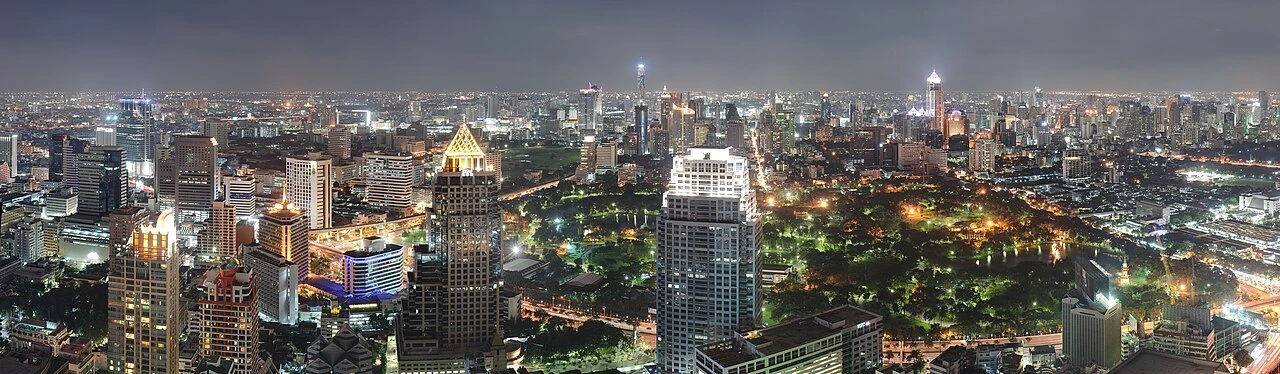

5. Bangkok, Thailand – Vibrant City Life Meets Digital Nomad Culture
Bangkok is a city that never truly sleeps, offering a mix of bustling urban energy, rich cultural heritage, and a surprisingly affordable lifestyle for young adults. Known for its ornate temples, vibrant street life, and sprawling markets, Bangkok balances the intensity of a mega-city with pockets of relaxation along the Chao Phraya River and nearby green spaces. Its thriving digital nomad scene makes it especially appealing for remote workers who want a stimulating environment without breaking the bank.
The city’s infrastructure supports both work and play: high-speed internet, numerous co-working spaces, and excellent domestic transportation options, including the BTS Skytrain and MRT subway, make commuting efficient. Bangkok’s food scene is legendary — from Michelin-starred restaurants to street stalls selling pad Thai, mango sticky rice, and fresh seafood — offering a true taste of Thai culture at every corner. Social life is vibrant too, with rooftop bars, live music venues, and networking events connecting both locals and international residents.
Key Highlights – Things to Do in Bangkok:
- Visit Grand Palace and Wat Pho, home of the Reclining Buddha, for cultural and historical immersion.
- Explore Chatuchak Weekend Market for shopping, local food, and crafts.
- Take a long-tail boat tour along the Chao Phraya River and canals.
- Sample Bangkok’s renowned street food at Yaowarat (Chinatown).
- Experience the nightlife in areas like Khao San Road or Sukhumvit, popular among young travelers.
- Attend traditional Thai festivals such as Songkran (Thai New Year) and Loy Krathong.
- Join the digital nomad community in co-working hubs like WeWork, The Hive, or smaller local spaces.
City Features Table
| Feature | Details |
|---|---|
| Cost of Living | Moderate — ~$800–1,200/month for a comfortable lifestyle excluding rent |
| Climate | Tropical; hot and humid year-round, rainy season Jun–Oct |
| Visa Options | Tourist visa, smart visa for professionals, digital nomad visas |
| Expat Community Size | Large; active digital nomad and international community |
| Internet & Remote Work | Reliable high-speed internet, extensive coworking spaces |
| Cultural Attractions | Grand Palace, Wat Pho, temples, museums, festivals |
| Outdoor & Recreation | Parks, river tours, rooftop bars, nearby beaches and islands |
| Accessibility | International airport with flights across Asia and worldwide; BTS Skytrain and MRT for urban mobility |
Bangkok uniquely combines affordability, culture, and opportunity, making it a prime destination for young adults who want a city that is energetic, diverse, and full of possibilities. Its mix of traditional Thai charm and modern amenities allows newcomers to both explore and thrive professionally.
.jpg)
6. Bansko, Bulgaria – Mountain Heritage Meets Modern Nomad Life
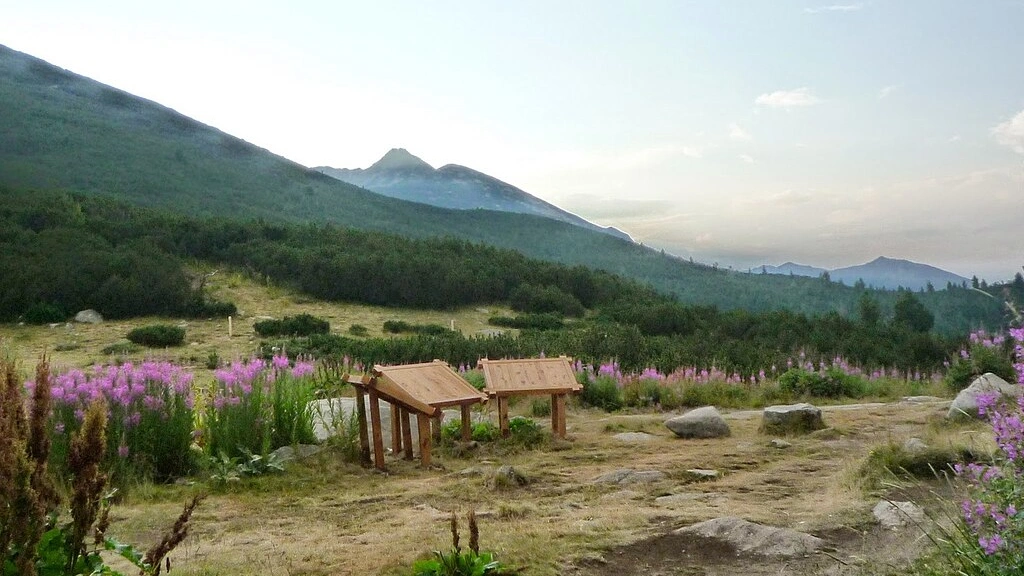
Perched at the foot of the Pirin Mountains, Bansko is a small Bulgarian town with big appeal. Once a quiet alpine village, it has evolved into one of Europe’s most interesting hubs for young adventurers and digital nomads, blending traditional Balkan culture with a growing international community.
The town’s stone‑built Old Quarter evokes centuries of history, while modern cafés, coworking spaces, and an annual nomad festival signal its transformation into a contemporary base for remote work and outdoor lifestyle.
The local language in Bansko is Bulgarian, a rich Slavic tongue that reflects the region’s deep historical roots. While English isn’t universally spoken, it’s increasingly understood in tourist areas and coworking hubs.
Bansko’s charm lies in its rhythm: snowy winters and ski slopes draw thrill‑seekers, while summers bring mountain hikes, lakes, and open‑air festivals. Unlike major cities, Bansko’s pace encourages balance — work interwoven with nature and community events, all against the backdrop of one of Bulgaria’s most striking landscapes.
Key Highlights – Things to Do in Bansko:
- Hit the Slopes in Winter: Bansko is one of Bulgaria’s premier ski resorts with extensive trails and modern lifts.
- Hike the Pirin Mountains: In warmer months, hundreds of trails lead to alpine lakes and vistas.
- Old Town Exploration: Wander through cobbled lanes, admire traditional stone houses, and visit small museums.
- Coworking & Community: Join coworking spaces such as Coworking Bansko, Altspace, or Nestwork to collaborate and connect.
- Bansko Nomad Fest: A lively annual event where nomads, creatives, and remote workers mingle, learn, and celebrate.
- Local Cuisine & Cafés: Try Bulgarian classics like banitsa (savory pastry) and kavarma (hearty stew) in local mehanas (traditional taverns).
- Outdoor Recreation Year‑Round: Mountain biking, river rafting, hot springs, and alpine lakes are all within reach.
City Features Table
| Feature | Details |
|---|---|
| Primary Language | Bulgarian (English commonly understood in tourist zones & coworking hubs) |
| Cost of Living | Very affordable compared to many European towns — low rents, inexpensive food |
| Climate | Mountain climate — snowy winters, mild summers |
| Visa Options | Bulgaria offers a digital nomad visa that allows remote workers to stay and work locally |
| Expat & Nomad Community | Growing digital nomad scene with coworking and meetups |
| Outdoor & Nature | Ski slopes, hiking trails, lakes, hot springs |
| Cultural Attractions | Old Quarter, traditional Bulgarian cuisine, music and folk traditions |
| Accessibility | Has direct access via nearby airports and bus routes to Sofia and other parts of Bulgaria |
.jpg)
7. Montevideo, Uruguay – Coastal Calm Meets Urban Energy
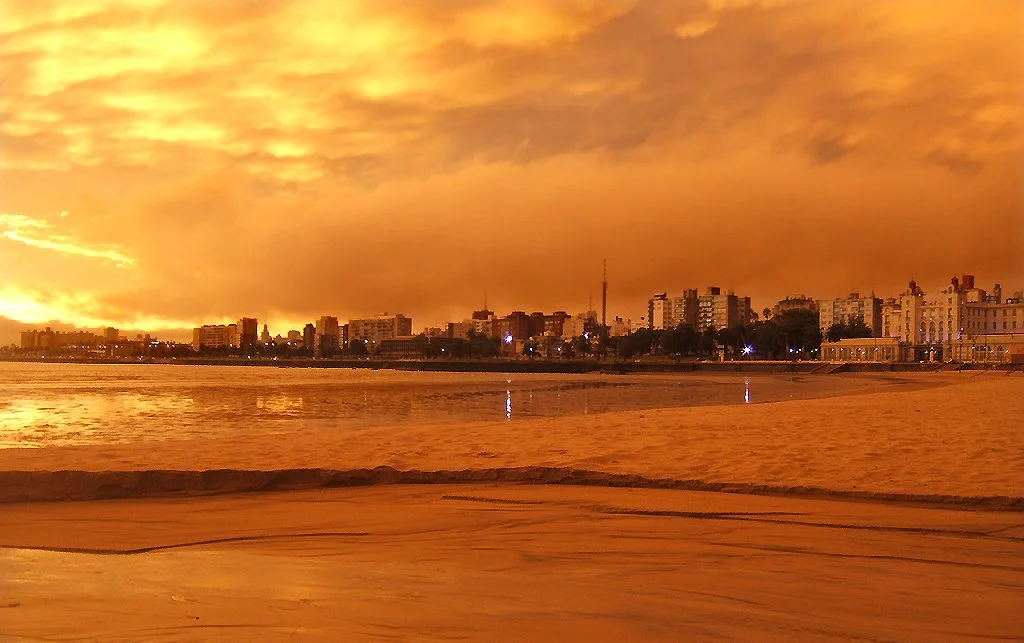
Montevideo stretches along the Rio de la Plata with a charm that blends European elegance and Latin American warmth. Its wide avenues, colonial architecture, and sunlit beaches create a cityscape that feels both relaxed and alive. Locals stroll along the Rambla, a 13-mile waterfront promenade, playing fútbol, jogging, or enjoying mate (the traditional herbal tea) with friends. For young adults, this balance of urban convenience and outdoor lifestyle makes Montevideo a surprisingly accessible, livable city in South America.
Spanish is the local language, but Montevideo has its own distinctive Rioplatense dialect, marked by the use of “vos” instead of “tú” and a melodic intonation influenced by Italian immigration. Words like “che” (a friendly way to call attention) or “bo” (slang for emphasis) give everyday conversations a playful, local flavor. Engaging in this linguistic rhythm quickly helps newcomers feel at home and connected to the culture. (studyspanish.com)
The city’s cultural heartbeat is strong: tango halls, candombe parades, and Carnival festivities give residents and visitors a vibrant rhythm of life year-round. Montevideo is also home to co-working spaces, startup hubs, and a growing creative economy — ideal for digital nomads and young professionals seeking both career opportunities and cultural immersion.
Key Highlights – Things to Do in Montevideo:
- Stroll or bike along the Rambla, taking in sunrise or sunset over the Rio de la Plata.
- Explore Ciudad Vieja (Old Town) with its cobbled streets, art galleries, and historic plazas.
- Enjoy traditional asado at the Mercado del Puerto, Uruguay’s renowned BBQ market.
- Attend Montevideo Carnival or candombe parades for immersive local culture.
- Relax at Pocitos Beach or nearby seaside cafés.
- Visit Museo Nacional de Artes Visuales for a taste of local and national art.
- Connect with the expat community via coworking spaces like Sinergia Coworking.
City Features Table
| Feature | Details |
|---|---|
| Primary Language | Spanish (Rioplatense dialect with “vos”) |
| Cost of Living | Moderate — ~$900–1,200/month for a comfortable lifestyle excluding rent |
| Climate | Humid subtropical; mild winters, warm summers |
| Visa Options | Tourist visa (90 days), long-term work or digital nomad permits |
| Expat & Nomad Community | Medium; concentrated in Pocitos and Ciudad Vieja |
| Outdoor & Recreation | Beaches, waterfront promenades, parks, cycling, water sports |
| Cultural Attractions | Carnival, tango, candombe, historic streets, museums |
| Accessibility | Carrasco International Airport for international flights; buses and taxis for city commuting |

8. Lisbon, Portugal – Sunlit Streets, Cafés, and Urban Adventure
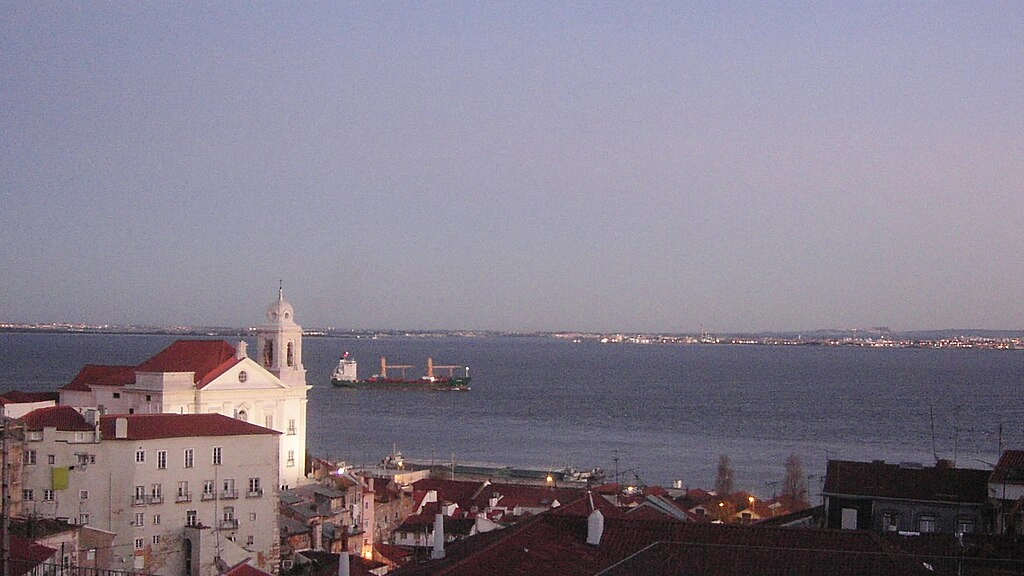
Lisbon is a city that wraps history, ocean breezes, and modern creativity into one unforgettable experience. Wandering its narrow, winding streets lined with pastel-colored buildings and azulejos (ceramic tiles) feels like stepping into a living postcard. Fado music drifts from open windows in Alfama, echoing centuries of melancholy and joy — a perfect backdrop for young adults seeking inspiration, exploration, and a city that’s alive both day and night.
Portuguese is the official language, but locals are increasingly multilingual, especially in cafés, co-working spaces, and tourist areas. Unique Lisbon expressions, like “saudade” (a deep, nostalgic longing) or “fixe” (cool/awesome), are woven into daily conversation and help newcomers feel immersed in local life. With a mild Mediterranean climate, long sunny days, and a coastal lifestyle, Lisbon encourages outdoor work, socializing, and exploration.
For young professionals and digital nomads, Lisbon offers a combination of historical charm and modern conveniences. Co-working spaces, high-speed internet, and a growing tech sector make it a practical base, while the café culture, rooftop bars, and riverside promenades ensure a rich social life.
Key Highlights – Things to Do in Lisbon:
- Ride the Tram 28 through historic neighborhoods for a scenic city tour.
- Explore Belém for the Jerónimos Monastery, Torre de Belém, and famous pastéis de nata.
- Wander the Alfama district and catch live Fado performances in small taverns.
- Visit LX Factory, a creative hub of shops, galleries, and eateries in a repurposed industrial complex.
- Take a day trip to Sintra to see fairytale palaces and lush hills.
- Cycle or stroll along the Tagus River waterfront, soaking up cafes, markets, and street art.
- Join Lisbon’s digital nomad meetups or coworking communities like Second Home or Cowork Central.
City Features Table
| Feature | Details |
|---|---|
| Primary Language | Portuguese; English widely spoken in tourist and professional areas |
| Cost of Living | Moderate — ~$1,100–1,600/month for a comfortable lifestyle excluding rent |
| Climate | Mediterranean; mild winters, hot summers, plenty of sunshine |
| Visa Options | Short-term tourist visa, Portugal digital nomad visa, and residency permit |
| Expat & Nomad Community | Large; active international community with meetups and coworking events |
| Outdoor & Recreation | Beaches nearby, surfing, cycling, parks, hiking trails, riverfront promenades |
| Cultural Attractions | Fado, historic neighborhoods, palaces, museums, festivals |
| Accessibility | Humberto Delgado Airport with connections across Europe, trams, metro, buses for city commuting |
All in All
Living abroad as a young adult is no longer just a dream — it’s a viable opportunity to grow professionally, culturally, and personally. The eight cities explored here represent a spectrum of experiences: from affordable adventure hubs like Da Nang and Chiang Mai, to culturally rich European capitals like Lisbon and Dublin, and coastal lifestyle cities like Montevideo.
Each destination offers a unique blend of cost, climate, cultural immersion, and expat community, allowing young adults to find the right balance between work, adventure, and lifestyle. While some cities shine with digital nomad infrastructure and coworking opportunities, others offer historical charm and cultural depth that can inspire personal growth.
| City, Country | Language | Cost of Living* | Climate | Expat/Nomad Community |
|---|---|---|---|---|
| Chiang Mai, Thailand | Thai (English common in expat areas) | ~$500–800/month | Tropical; warm year-round, rainy season | Large, active |
| Toronto, Canada | English/French | ~$1,500–2,500/month | Continental; cold winters, warm summers | Large |
| Dublin, Ireland | English | ~$1,200–2,000/month | Temperate maritime; mild winters, cool summers | Medium |
| Da Nang, Vietnam | Vietnamese (English common in expat zones) | ~$400–600/month | Tropical monsoon; warm all year | Growing |
| Bangkok, Thailand | Thai | ~$600–1,000/month | Tropical; hot, rainy, and cool seasons | Large, thriving |
| Bansko, Bulgaria | Bulgarian (English in tourist/nomad areas) | ~$500–900/month | Mountain; snowy winters, mild summers | Growing |
| Montevideo, Uruguay | Spanish (Rioplatense dialect, “vos”) | ~$900–1,200/month | Humid subtropical; mild winters, warm summers | Medium |
| Lisbon, Portugal | Portuguese | ~$1,100–1,600/month | Mediterranean; mild winters, hot summers | Large |