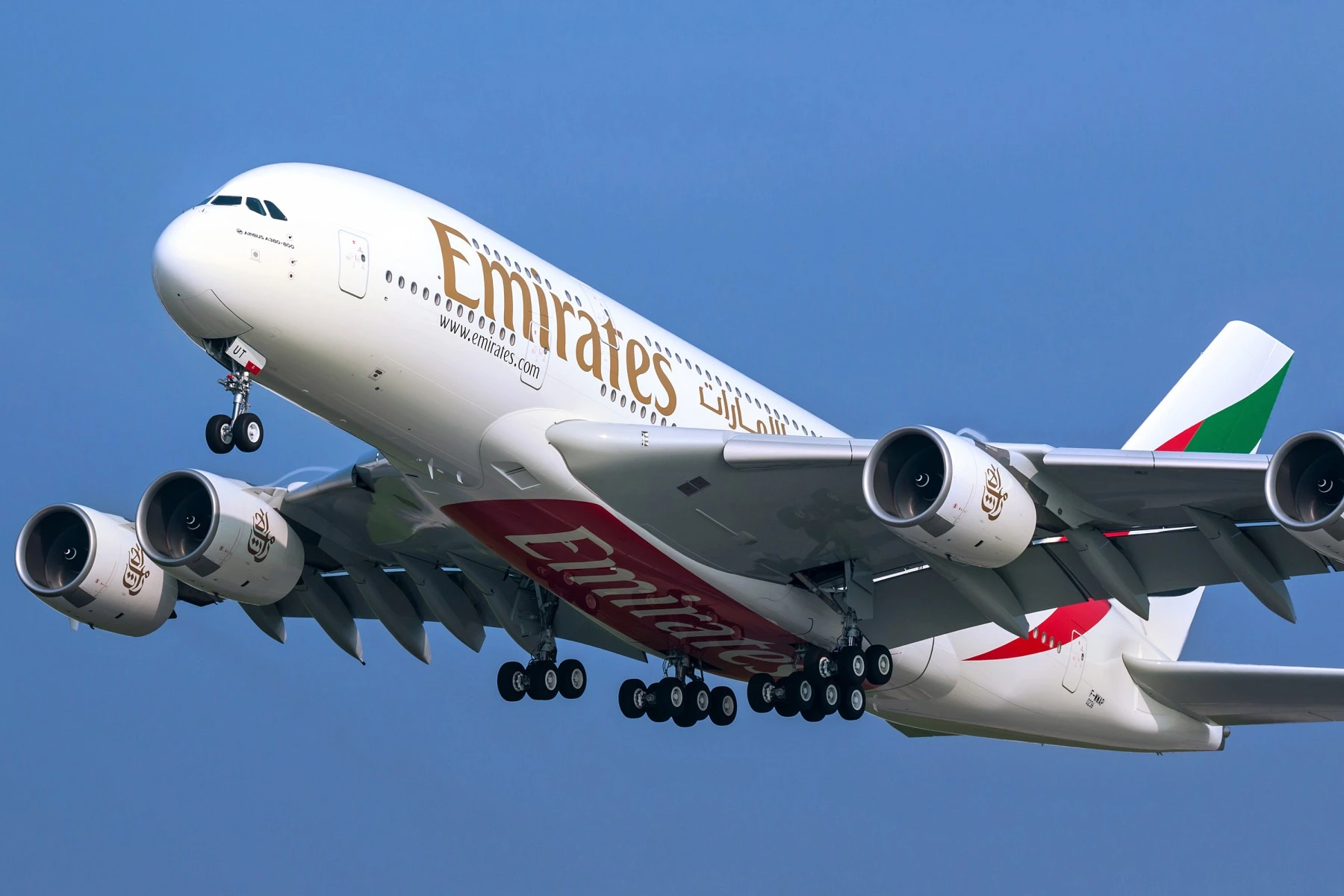
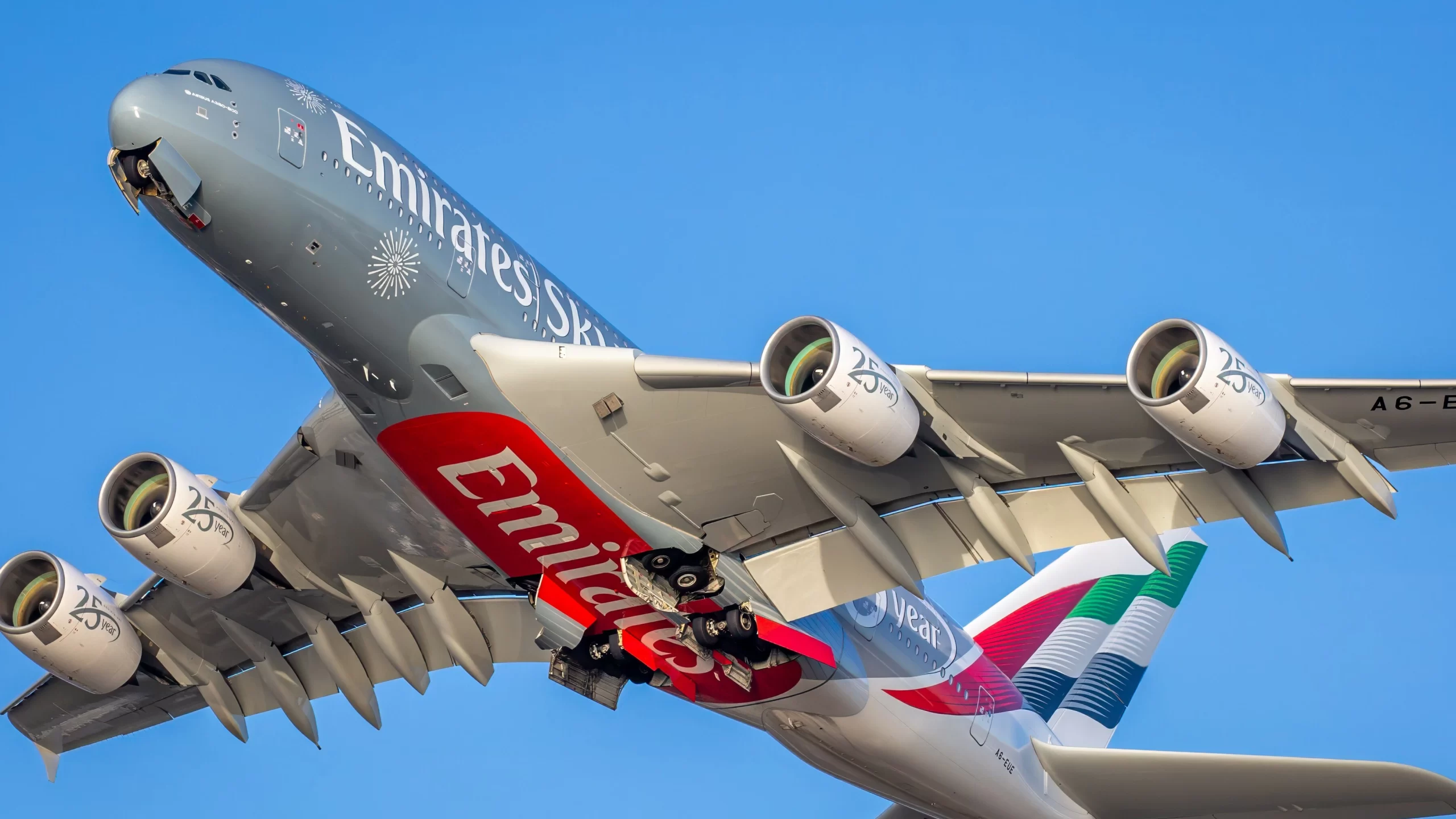
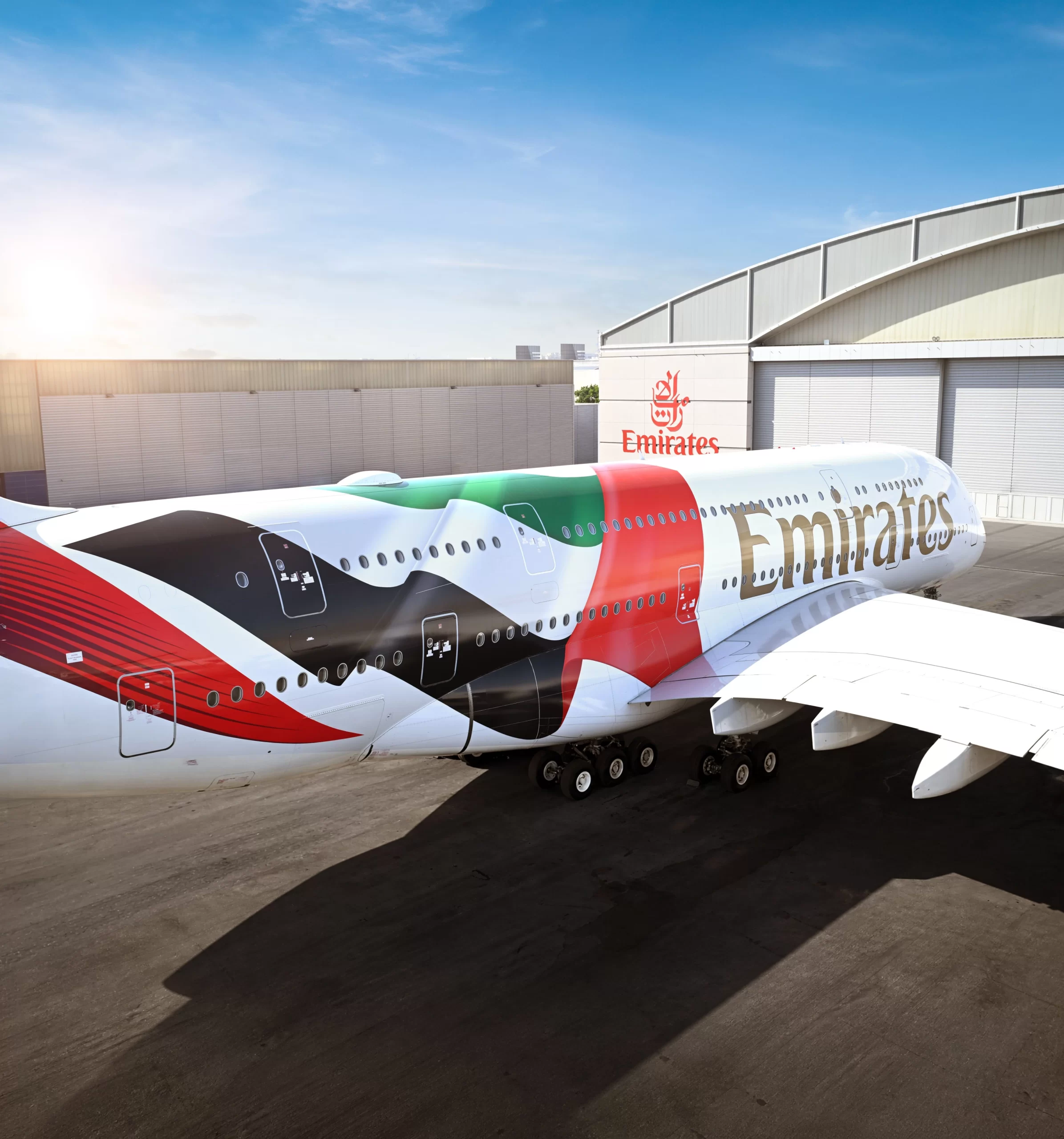
An Emirates (EK) Airbus A380 operating Flight EK302 was forced to divert from Shanghai Pudong Airport (PVG) to Hangzhou Xiaoshan International Airport (HGH), where 373 passengers remained onboard for more than 10 hours before they were permitted to disembark.
The disruption underscored how weather diversions, crew duty limits, immigration formalities, and technical issues can combine to create extended delays, even after an aircraft has landed safely.
Emirates A380 Diverts to Hangzhou
Emirates Flight EK302 departed Dubai International Airport (DXB) for Shanghai Pudong Airport (PVG) on July 22 aboard an Airbus A380 carrying 373 passengers. Adverse weather, including thunderstorms over Shanghai, forced the flight to divert to Hangzhou Xiaoshan International Airport (HGH), where it touched down at around 9:04 p.m. local time. The diversion was initially expected to be brief, with the aircraft refueling before continuing to Shanghai.
Instead, passengers remained inside the aircraft until about 7:30 a.m. the following morning, spending more than 10 hours onboard before they could enter the terminal. Local media reported that passengers described uncomfortable conditions inside the cabin during the overnight wait, including reduced air conditioning. Emergency personnel were also seen responding at the aircraft. Following the incident, Emirates apologized to affected travelers and arranged hotel stays, meals, and coach transfers to Shanghai.
Crew Duty Limits Extended the Delay
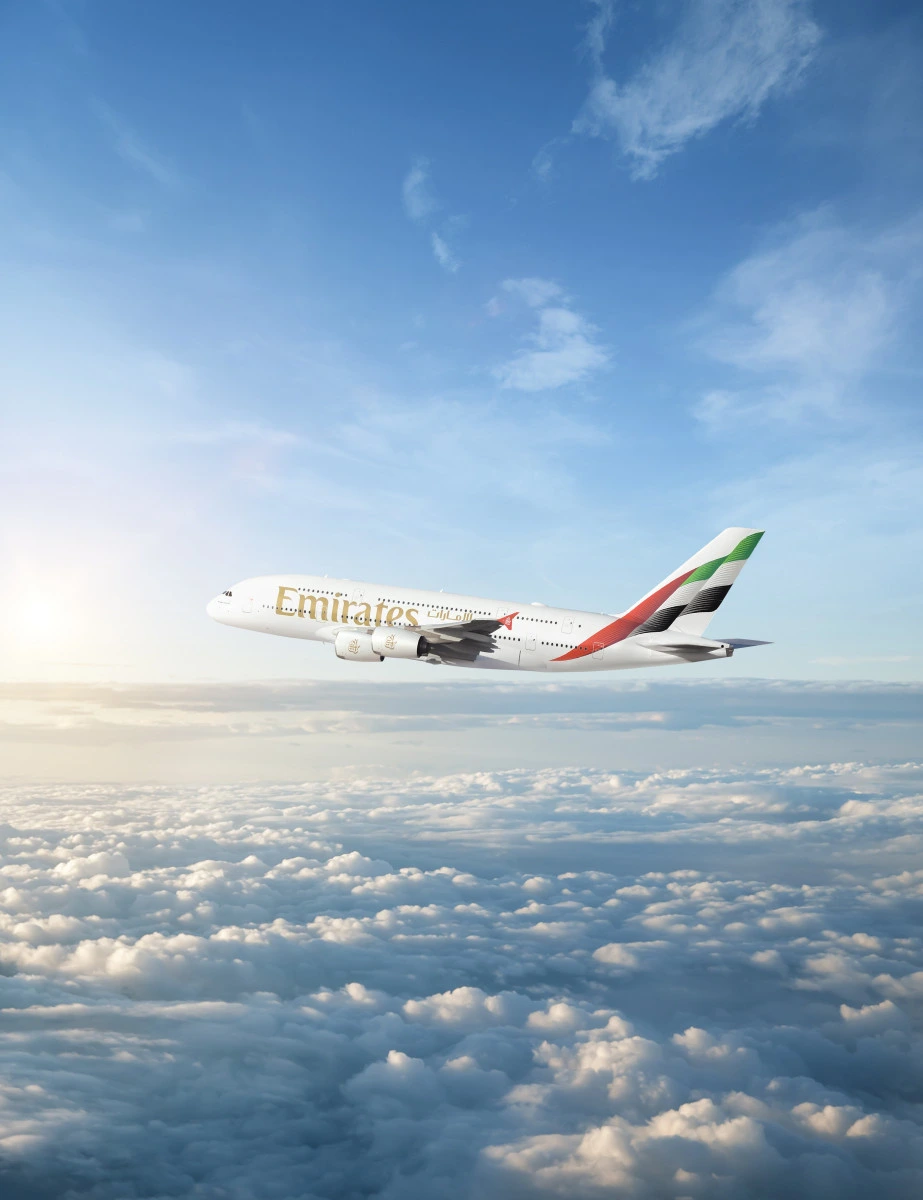
The diversion itself was not initially expected to result in a lengthy delay. According to airport officials, the operating crew exceeded the maximum legally permitted flight duty period after arriving in Hangzhou. As a result, Emirates was required to provide a replacement crew before the flight could continue.
Although the airline serves Hangzhou with scheduled flights, those operations use the Airbus A350-900 rather than the Airbus A380. Since pilots are certified only for specific aircraft types, A350 crews could not operate the A380. The nearest qualified A380 crew had to travel from Shanghai. Airport officials added that road speed restrictions delayed their journey, extending the aircraft’s ground time.
Technical Fault Prevented Immediate Departure
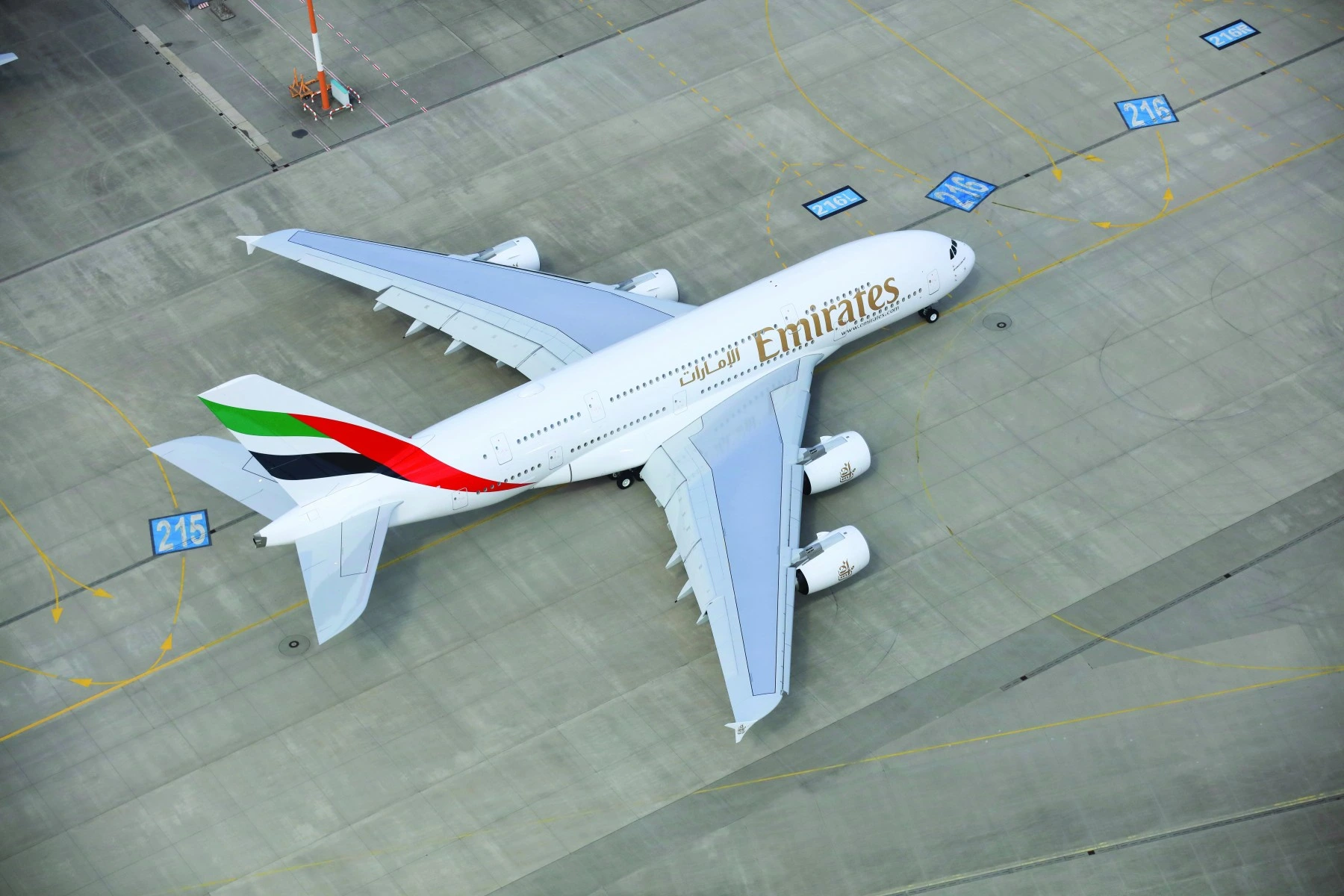
After the replacement crew arrived, engineers reportedly discovered a technical issue that prevented the aircraft from departing as planned. Emirates has not disclosed the exact nature of the problem.
In its official statement, the airline cited technical reasons for the prolonged delay but did not directly comment on passenger reports that the aircraft’s cabin cooling had stopped overnight. Several passengers told Chinese media that temperatures inside the cabin became uncomfortable, while Emirates customer service reportedly said it had received no information indicating an air-conditioning malfunction.
Immigration Procedures Also Contributed
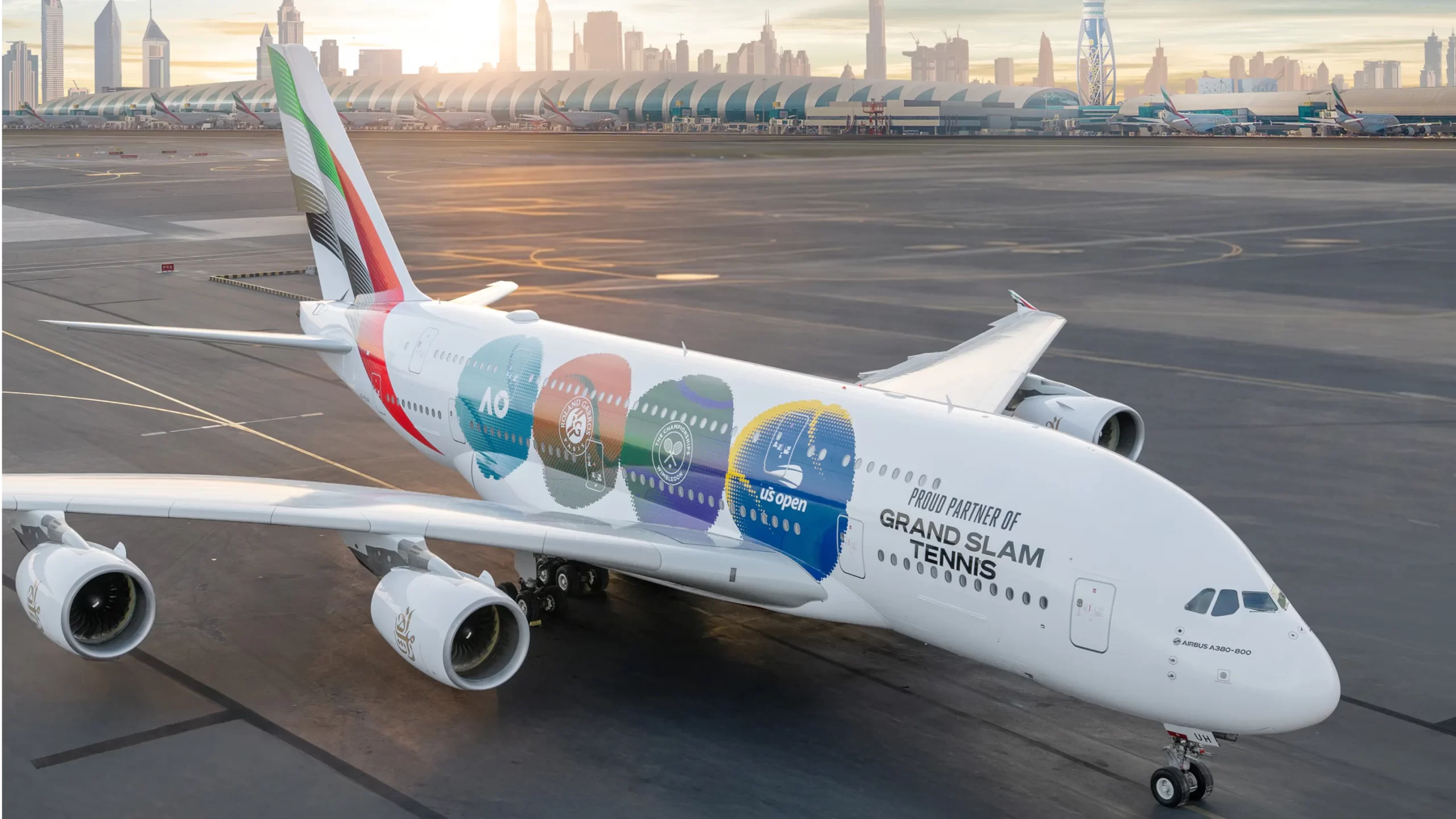
The incident also raised questions about why passengers were unable to leave the aircraft much sooner. Emirates said reports claiming Chinese border authorities refused to allow passengers to disembark were inaccurate.
However, passengers said cabin crew repeatedly informed them that border inspection procedures had to be completed before the aircraft doors could be opened. The situation reflects the procedures that apply when an international flight makes an unplanned landing. Passengers effectively become potential entrants into the country, requiring immigration, customs, quarantine authorities, and the airline to complete legal and operational processes before anyone can leave the aircraft.
Even if authorities do not deny permission to disembark, coordinating those procedures can take significant time.

_(3100408933).jpg)
China’s Three-Hour Rule
China’s Regulations on Flight Normality Management generally require airlines to let passengers leave an aircraft after three hours on the ground if there is no confirmed departure time. The regulations also require carriers to provide regular updates, maintain functioning lavatories, and supply food and drinking water during prolonged delays.
However, legal experts noted that these rules mainly apply to Chinese airlines and foreign carriers operating flights originating from or scheduled to stop in mainland China. Because EK302 departed Dubai and Hangzhou was only an unscheduled diversion rather than a planned destination, the regulations may not have applied in this case.

Passenger Rights Vary by Country
Passenger protections for lengthy ground delays differ significantly across jurisdictions.
In the United States, Department of Transportation rules generally require airlines, including foreign carriers, to give passengers on international flights an opportunity to deplane before a tarmac delay exceeds four hours, subject to safety and operational exceptions. Those rules also cover flights diverted to alternate airports within the United States.
Since Emirates Flight EK302 diverted within China, U.S. regulations were not applicable. European Union passenger compensation rules also did not apply because the flight neither departed from nor arrived in the EU on a qualifying carrier.
.jpg)
Montreal Convention May Still Apply
While there is no automatic compensation scheme for this incident, passengers may still have legal options.
Both the United Arab Emirates and China are signatories to the Montreal Convention of 1999, which governs airline liability for delays on international flights.
Under Article 19, airlines may be liable for proven financial losses caused by delays if passengers can provide evidence of expenses such as hotel stays, meals, onward transportation, or missed connections.
The Convention currently caps delay claims at 6,303 Special Drawing Rights per passenger. Compensation is based on documented losses rather than fixed payouts, and claims generally must be filed within two years of the journey. Emirates has advised affected passengers to submit claims through its online claims portal.
What the Incident Highlights
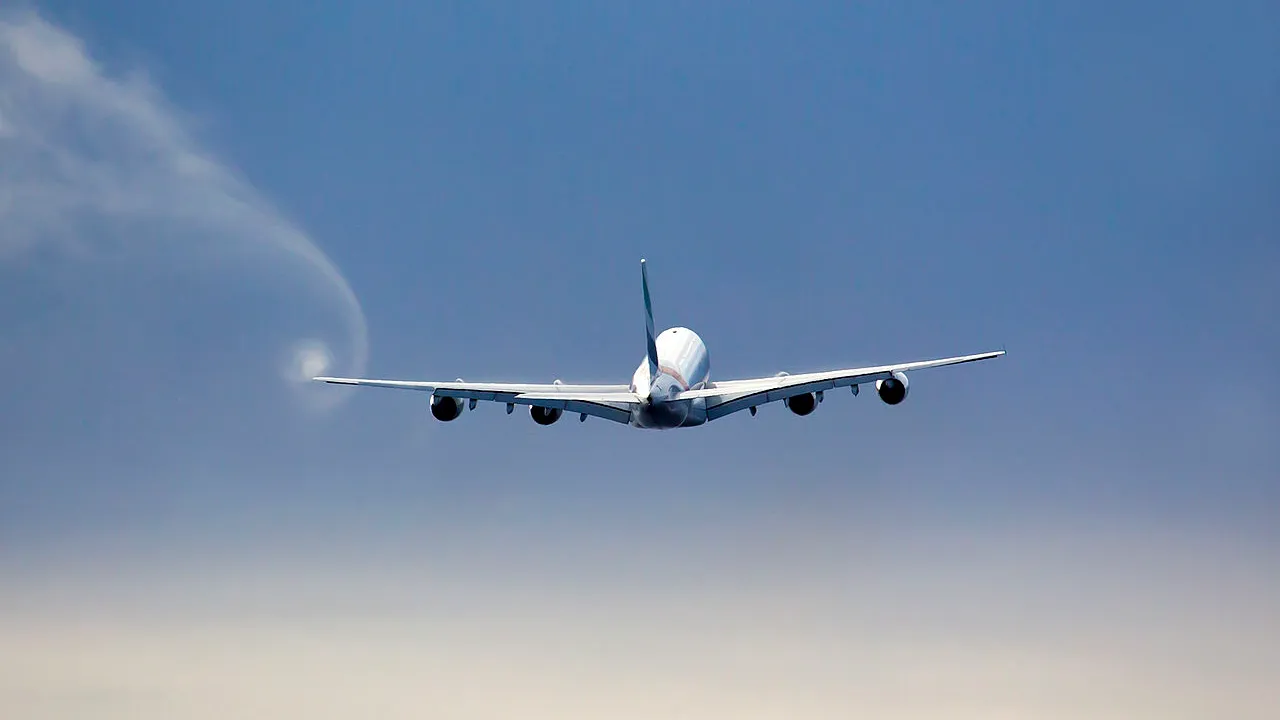
The disruption involving EK302 demonstrates how a weather-related diversion can evolve into a much longer operational challenge. Crew duty restrictions, the availability of qualified A380 crews, technical inspections, immigration procedures, and aviation regulations all contributed to the extended delay.
For international travelers, the incident also highlights that passenger rights during diversions are determined primarily by the country where the aircraft lands, rather than the airline’s nationality or the passenger’s citizenship. Keeping essential medications, travel documents, and receipts for disruption-related expenses readily accessible remains an important precaution during long-haul international travel.