A valid passport is not always enough to board a flight or clear a border. Airlines and immigration officers around the world can refuse a traveler over water stains, torn pages, loose stitching, or even a novelty souvenir stamp. The risk affects both business and leisure travelers, and it grows during peak travel seasons when passports see the most handling.
The problem is not new but reports of denied boarding keep surfacing. Passengers have been stopped over a one-centimetre tear, a scratched data chip, and unofficial ink marks on the data page, even when their passport had months of validity left. Understanding what counts as damage, and which countries enforce the rule hardest, can prevent a canceled trip.
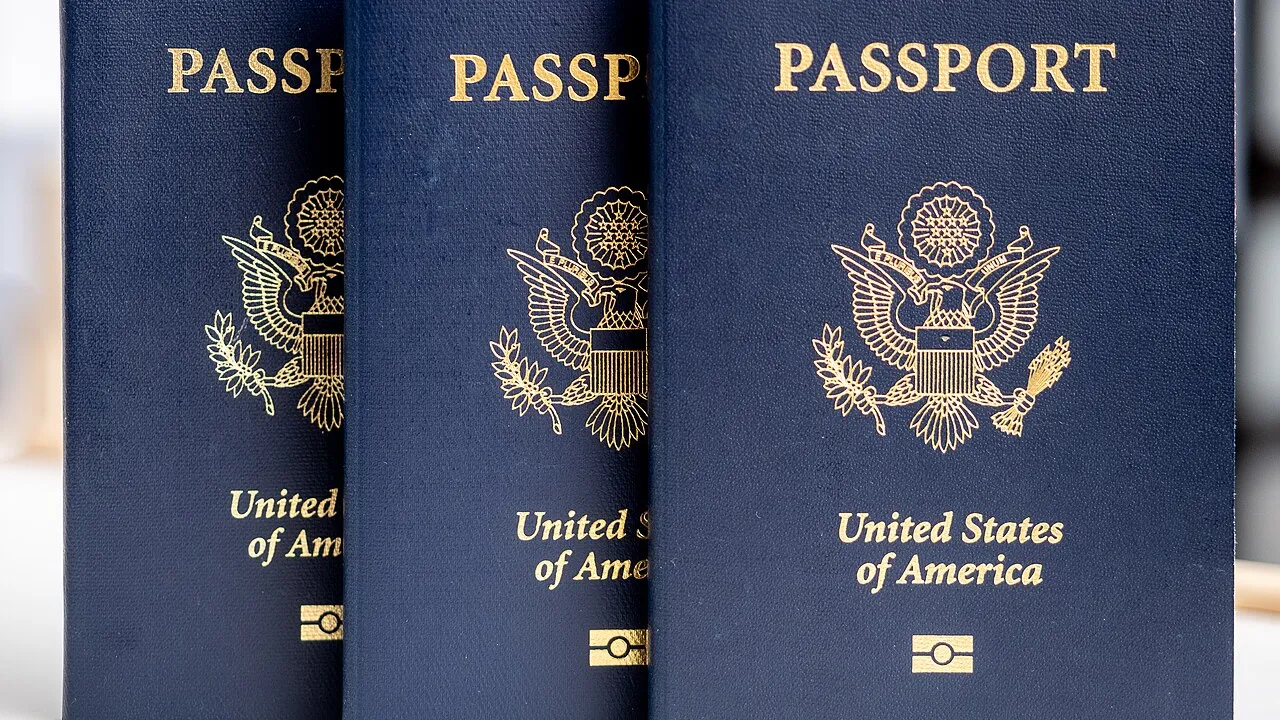

What Counts as Passport Damage According to Officials
The U.S. Department of State says a passport should be replaced if it shows water damage, a significant tear, unofficial markings on the data page, missing visa pages, or a hole punch. Normal wear, such as a bent cover from being carried in a back pocket or fanned pages from regular use, does not count.
A passport can also be considered damaged if it becomes hard to identify its owner, whether the photo has faded or personal details are hidden or altered. Frayed corners, mold, and deep creases can also raise concern at check-in counters.
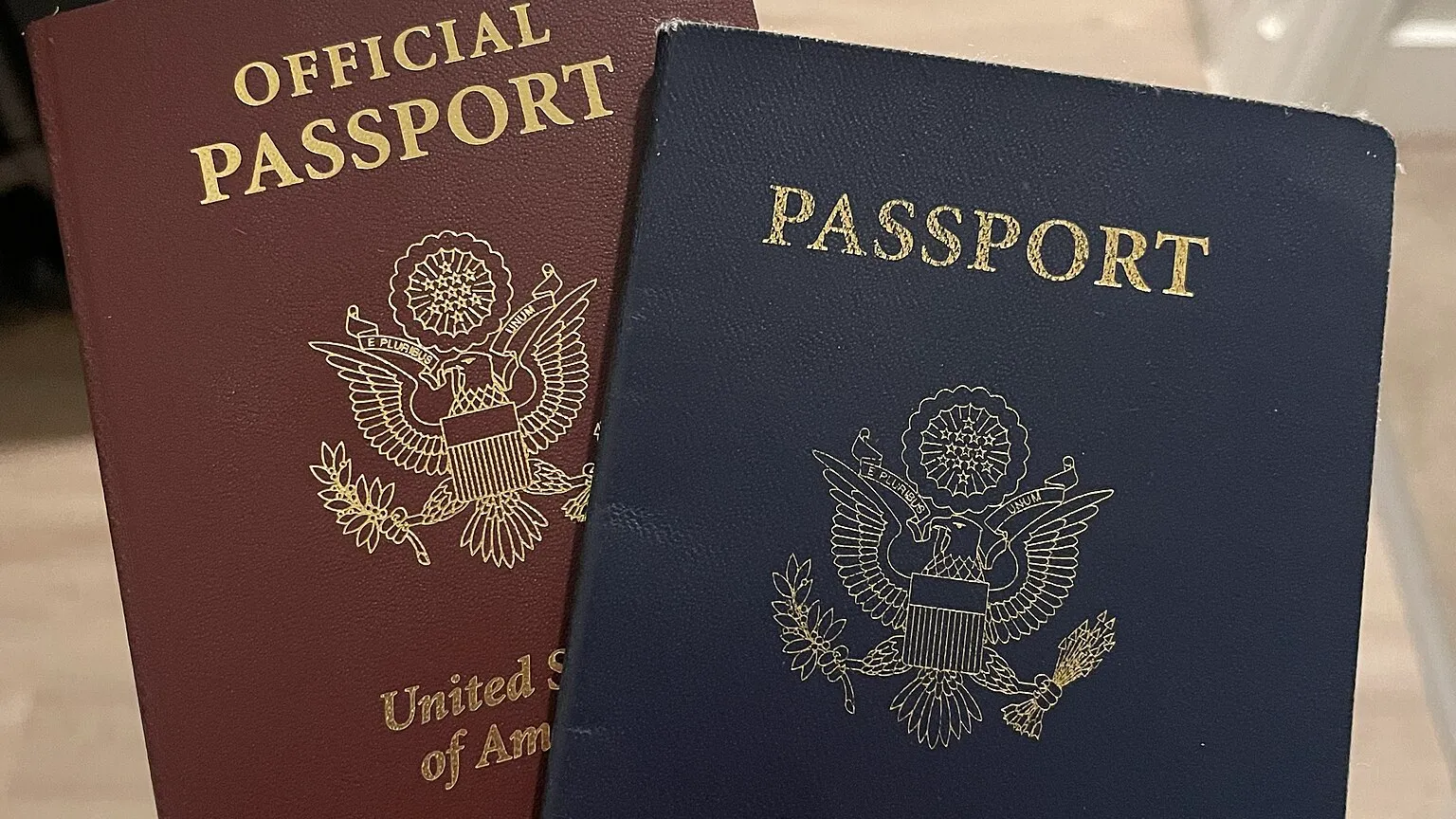

Common Ways Travelers Accidentally Damage Their Passports
Most passport damage happens by accident rather than neglect. Common causes reported by travelers and airlines include the following:
- Leaving a passport in a pocket during laundry, causing water damage
- Getting novelty souvenir stamps added at tourist attractions
- Peeling off visa stickers or old stamps to make room in the booklet
- Pets chewing on the cover or pages
- Loose stitching or a cracked spine from years of use
- Cutting or tearing out old visa pages before applying for a new visa
Souvenir stamps deserve particular caution. Travel + Leisure reports that these unofficial inkings, sold at sites such as Machu Picchu and the Korean Demilitarized Zone, can be treated as an unauthorized alteration by border officials. Peeling laminate from a passport page can be read the same way.
Countries With the Strictest Passport Damage Rules
Enforcement varies widely by country, and a few destinations are known for applying the rule strictly. Indonesia can refuse entry over a tear as small as one centimetre, while Thailand and Vietnam deny boarding over water damage or defects on the photo page.
The United Arab Emirates can reject a passport over loose pages, binding damage, or deep creases. The United States and Australia are also named among the countries that maintain particularly strict passport standards.

Real Passenger Cases Show How Minor Damage Can Ground A Trip
Gaynor Reid, an Australia-based executive who traveled for work up to 30 times a year, was stopped by Border Force officials in Perth over a small tear near where a page attaches to the binding. “They said ‘this is not a valid document because it’s been ripped,'” Reid said.
In a separate case, a traveler named David and his wife flew from England to Australia to board a cruise, only for customs agents at the Overseas Passenger Terminal to turn them away over loose stitching on David’s passport. The cruise line later confirmed the decision followed strict passport standards at an Indonesian port of call on the itinerary.
A Filipino family faced a similar setback at check-in for a flight to Bali. Ground staff photographed a previously unnoticed tear and consulted Indonesian immigration before denying boarding.

How Airlines Compare Their Approach to Damaged Passports
Airline responses to damaged passports differ, though most point to the same underlying risk of a fine or forced return flight if they carry a passenger with an invalid document. Cebu Pacific confirmed the Bali case in a statement, saying, “Even a minor tear or any unauthorised marking may be considered a damaged passport by foreign immigration authorities, which can lead to denied boarding or entry to the intended international destination”.
Qatar Airways has also denied boarding to passengers over peeled laminate and souvenir stamps, according to recent reporting on the issue. Airlines carry the financial risk in these cases, since carriers can be fined for transporting a passenger with an invalid travel document and are required to fly that passenger home at their own expense.

How To Protect Your Passport Before You Travel
Simple habits can prevent most accidental damage. Recommended precautions include the following:
- Store the passport in a rigid holder or sleeve, away from liquids and pets
- Never accept a novelty stamp in the actual passport booklet
- Avoid peeling off old visa stickers or stamps
- Check the passport for tears, stains, or loose pages before every trip
- Confirm at least six months of validity remains before departure
Travel + Leisure recommends placing any souvenir stamps in a separate travel journal instead of the passport itself, to preserve the memory without risking the document’s validity.

Why Border Technology Is Raising the Stakes
Automated border systems have made passport condition matter more than it used to. Even minor damage can interfere with the scanning process at e-gates and other automated checks, since these systems read both the printed data page and an embedded chip.
The European Union’s Entry/Exit System, which biometrically records travelers at the border, adds another layer of scrutiny for passports that show wear. A scratched or cracked data chip can trigger the same red flags as a torn page, even when the printed information remains fully legible.

What To Do If Your Passport Is Already Damaged
Travelers who spot damage before a trip should request a replacement immediately rather than risk denied boarding. Expedited passport processing is available in most countries and costs far less than a cancelled trip.
It also helps to carry a secondary form of photo identification, a copy of flight details, and proof of citizenship, such as a birth certificate copy, in case a damaged passport causes delays at the airport. Officials note that a valid visa does not override a damaged passport, since immigration and airline staff assess the physical document separately from any visa on file.