Southwest Airlines (WN) is introducing an unconventional overnight service between Las Vegas (LAS) and Honolulu (HNL), with flights departing at 2:45 a.m. beginning March 12, 2027. The airline has described the schedule as a “reverse red-eye” because it travels westbound rather than following the traditional overnight eastbound pattern.
Operating from Harry Reid International Airport (LAS) to Daniel K. Inouye International Airport (HNL), the flight is scheduled to arrive at 6:10 a.m. local time, making it the latest scheduled departure ever operated by Southwest.
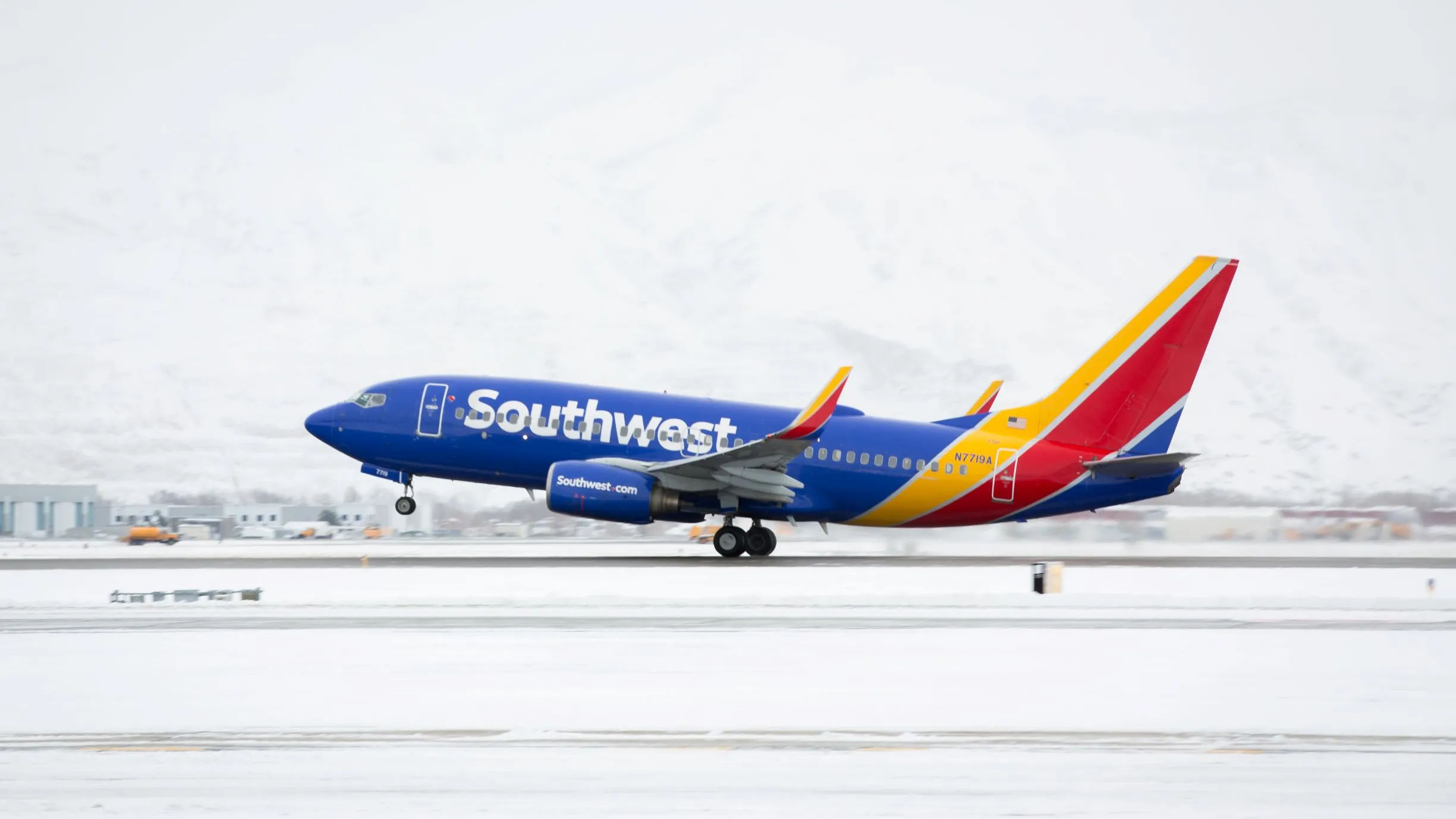
Southwest Introduces First Mainland-to-Hawaii Overnight Flight
Although the departure time is new, the route itself is not. Southwest has served Las Vegas–Honolulu for several years, but the revised schedule shifts one frequency into the early morning hours instead of adding a new destination.
The airline began selling tickets after unveiling the updated timetable on July 16, 2026.
The service will operate four times a week with a scheduled flight time of 6 hours and 25 minutes. Since Hawaii does not observe daylight saving time and remains three hours behind the U.S. West Coast during summer, passengers will leave Las Vegas in the middle of the night and reach Honolulu shortly after sunrise.
The new service also marks Southwest’s first overnight flight from the U.S. mainland to Hawaii. Until now, the carrier’s overnight Hawaii operations have only flown eastbound from Honolulu and neighboring islands to Las Vegas and Phoenix (PHX).
For travelers, the schedule creates an unusual travel experience. Most passengers will need to arrive at the airport around 1:00–2:00 a.m., while those landing in Honolulu will reach the island well before most hotels begin morning check-in.
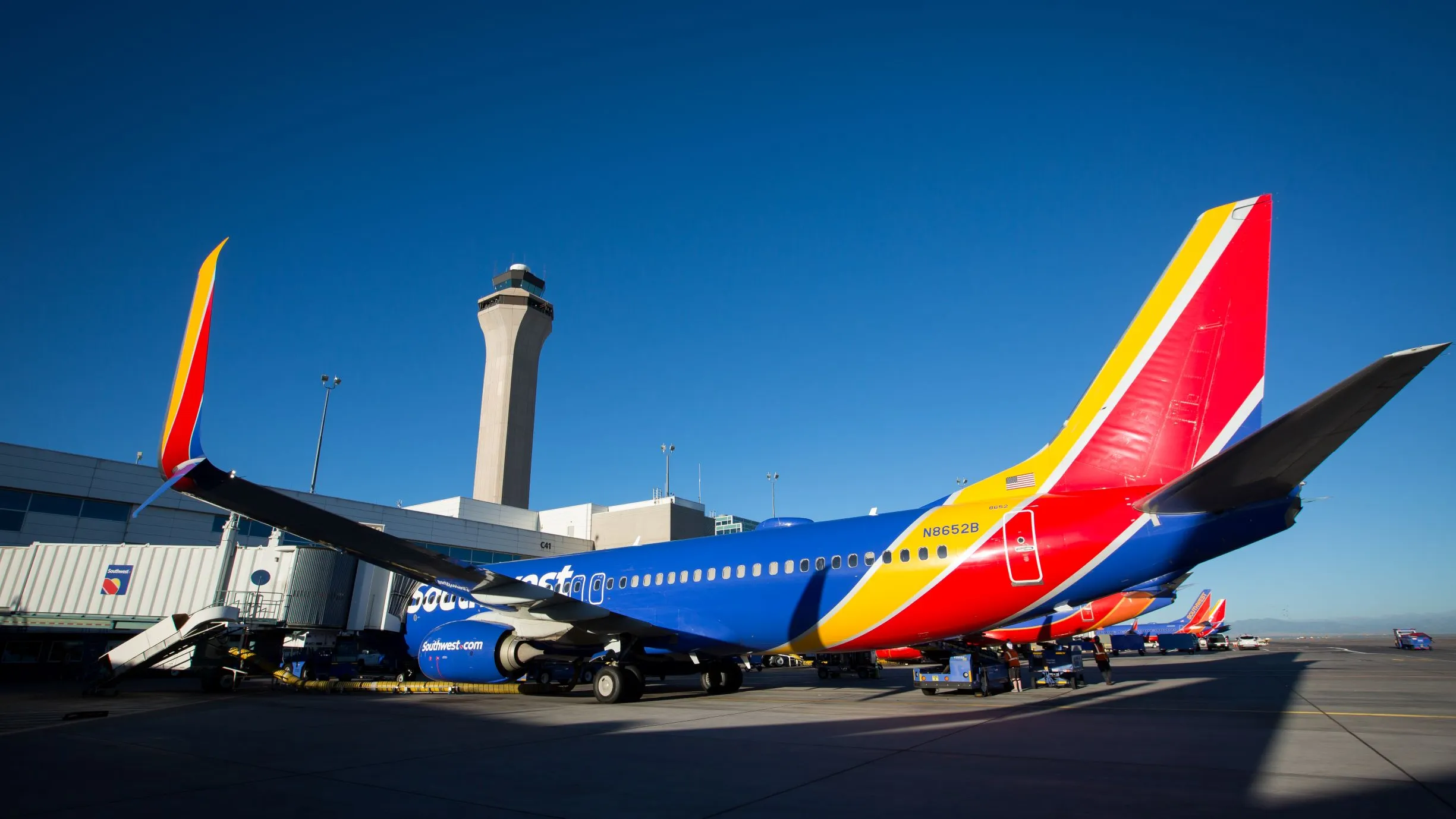
What Makes a Reverse Red-Eye Different?
Most overnight flights in the United States operate eastbound, allowing airlines to take advantage of time-zone changes and arrive early the following morning. Southwest’s Honolulu service works differently.
Instead of flying east, the aircraft heads west across the Pacific after departing in the early hours of the morning. Crossing time zones in the opposite direction compresses the clock, allowing passengers to arrive shortly after dawn despite spending most of the night in the air. The result is a flight that begins during the middle of the night and ends as a new day starts in Hawaii.
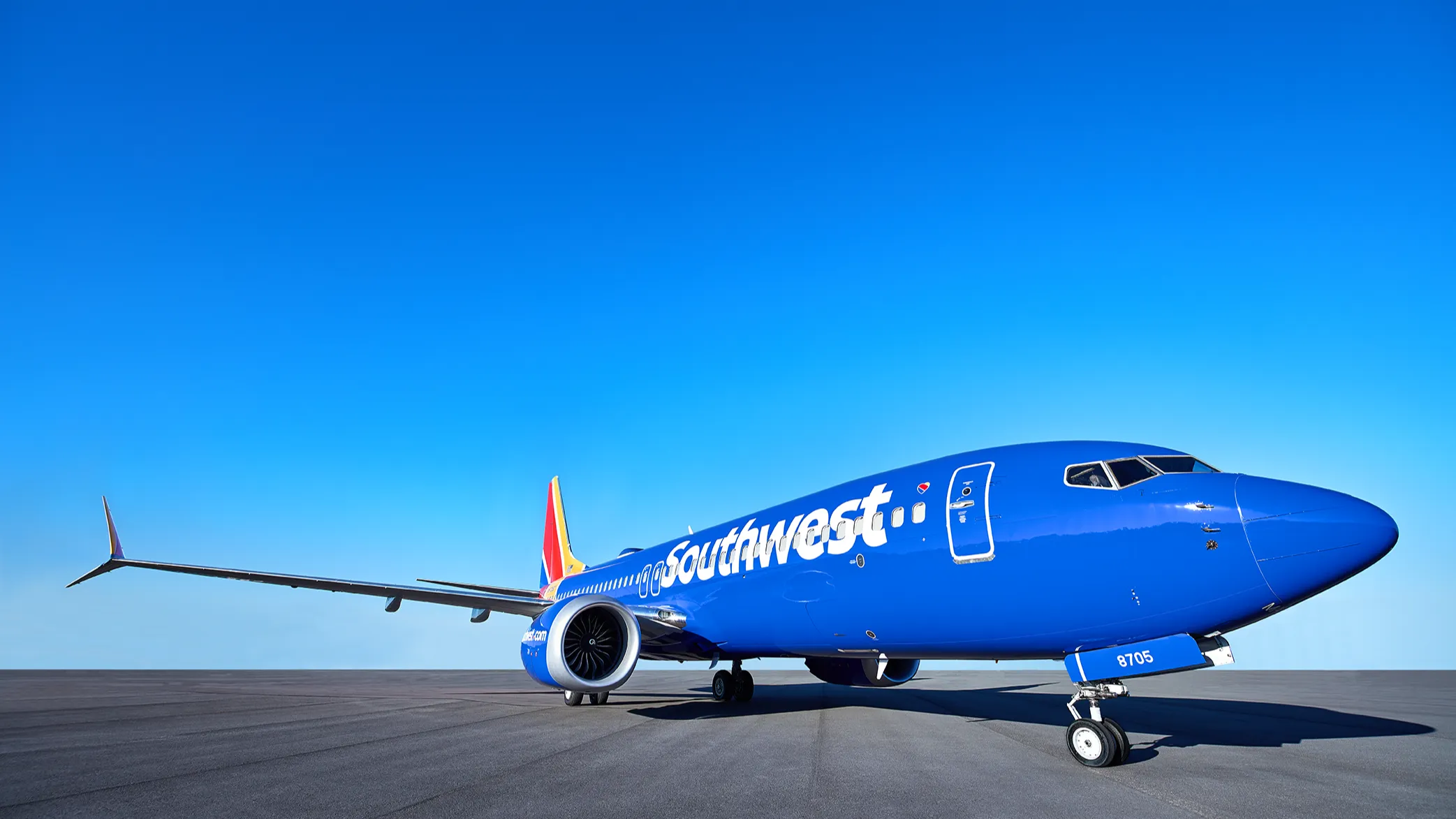
Why Southwest Chose This Schedule
Southwest believes the timing matches strong demand between Las Vegas and Hawaii, particularly among Hawaiian residents who frequently travel to the Nevada city—often referred to as Hawaii’s “Ninth Island.” Speaking to The Points Guy, aviation analyst Robert Mann said the route enjoys exceptionally strong point-to-point demand. He noted that many travelers could spend a full day in Las Vegas before heading directly to the airport for the early morning departure.
Mann also highlighted the operational benefits. Instead of leaving an aircraft parked overnight in Las Vegas, Southwest can position it in Honolulu before sunrise, allowing it to operate a highly desirable morning return flight back to the mainland. That scheduling efficiency improves aircraft utilization while offering passengers afternoon arrival times on the return journey.
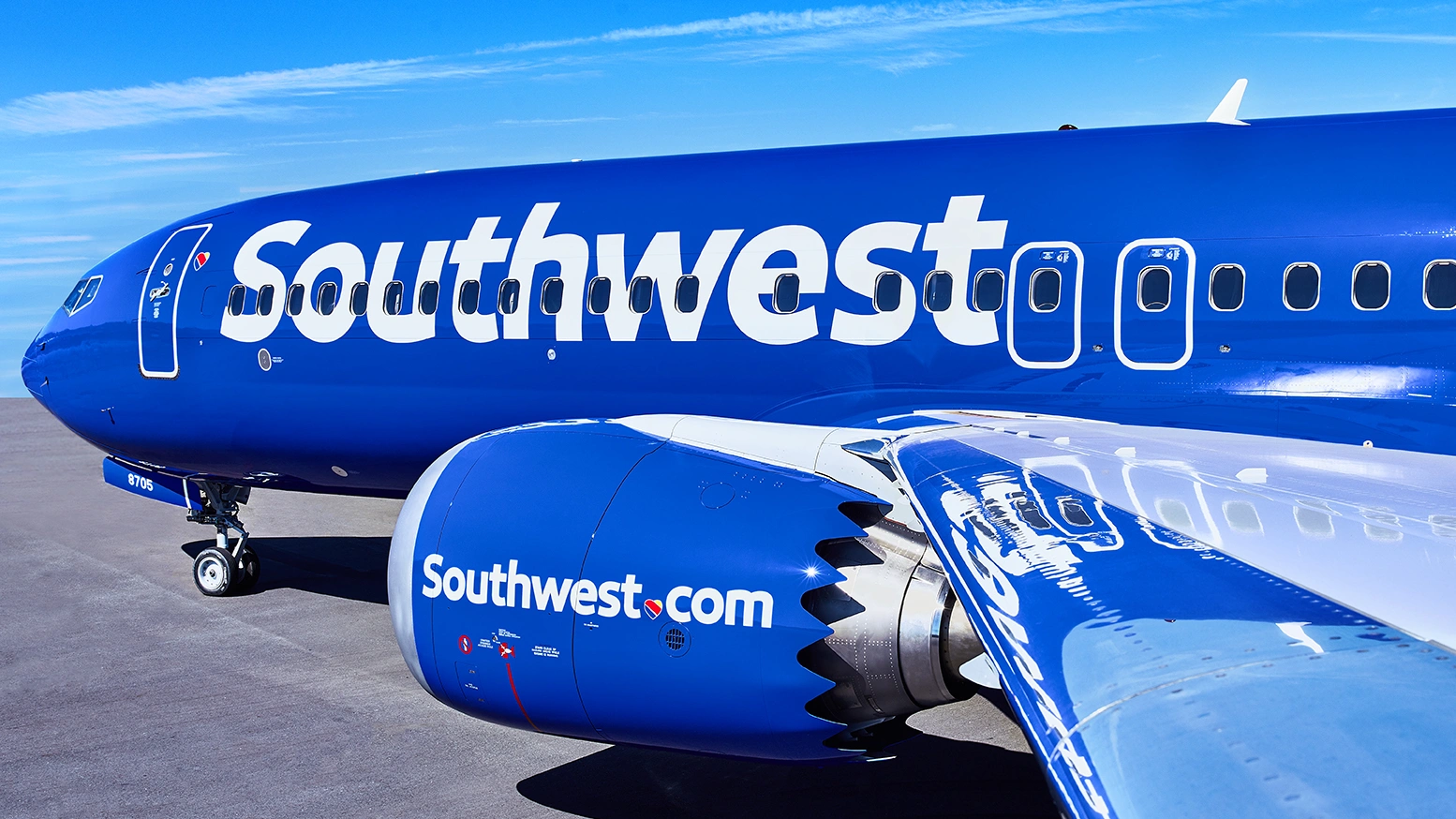
Overnight Network Continues to Expand
Southwest did not operate any overnight flights before February 2025.
The airline launched its first red-eye services from Las Vegas and Los Angeles (LAX) that year and has steadily expanded the concept across its network.
According to The Points Guy, citing Cirium schedule data, Southwest now operates more than a dozen departures after midnight, primarily from Las Vegas and Phoenix.
The Honolulu service becomes the airline’s latest departure, surpassing existing overnight flights such as:
- Phoenix (PHX) to Chicago Midway (MDW) at 1:45 a.m.
- Las Vegas (LAS) to Dallas Love Field (DAL) at 1:25 a.m.
- Las Vegas (LAS) to Houston Hobby (HOU) at 1:15 a.m.
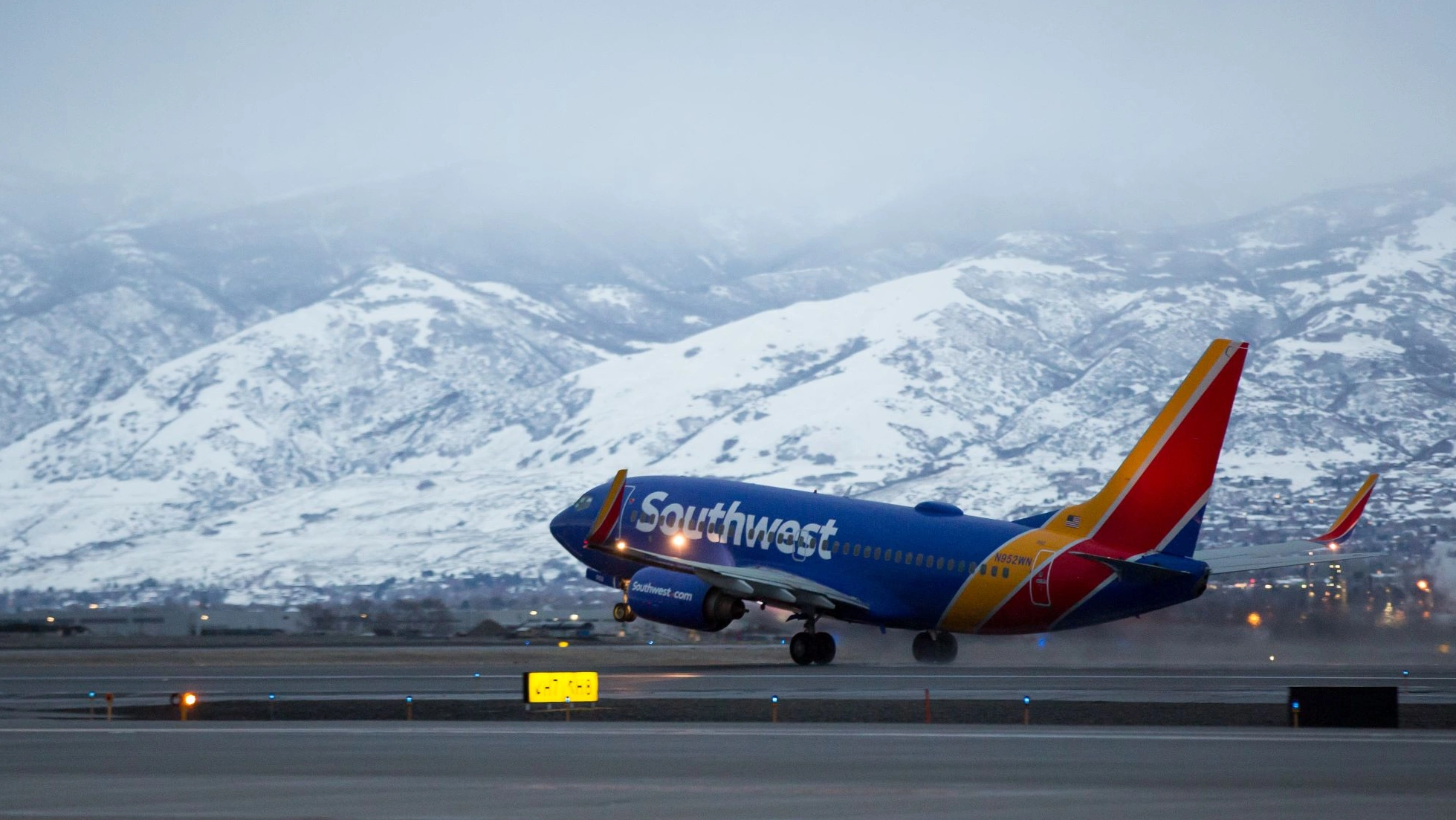
Part of a Larger Network Expansion
The reverse red-eye is one component of Southwest’s broader March 2027 schedule update, which introduces 15 new routes across 20 cities ahead of the busy spring break travel season.
Among the new services are:
- Baltimore/Washington (BWI)–Philadelphia (PHL)
- Dallas Love Field (DAL)–Detroit (DTW)
- Nashville (BNA)–Des Moines (DSM)
- Nashville (BNA)–Wichita (ICT)
- Las Vegas (LAS)–Boston (BOS)
- Las Vegas (LAS)–Miami (MIA)
- Las Vegas (LAS)–Philadelphia (PHL)
- Las Vegas (LAS)–Knoxville (TYS)
The airline is also adding a Saturday-only Nashville–Aruba (AUA) route while increasing frequencies across several existing markets.
These additions will create Southwest’s largest schedules yet at Orlando (MCO) and Austin (AUS), helping maintain its competitive position against rivals including Delta Air Lines (DL).

Other Airlines Already Operate Similar Flights
Southwest is not the first airline to experiment with westbound overnight schedules.
Hawaiian Airlines (HA) already operates a 1:55 a.m. departure from Las Vegas to Honolulu using an Airbus A330-200, arriving at 5:25 a.m. local time. Internationally, Iberia (IB) introduced a comparable concept in October 2025 with its Madrid (MAD)–Dallas/Fort Worth (DFW) overnight service.
Flight IB363 departs Madrid shortly before 1:00 a.m. and arrives in Texas around 5:30 a.m. local time after nearly 12 hours in the air. The schedule allows passengers arriving from across Europe to connect through Madrid before reaching Dallas in time for American Airlines’ extensive morning departure bank.
Passengers choosing Southwest’s new overnight Hawaii flight may benefit from planning around the unusual schedule. A late hotel checkout in Las Vegas can provide extra rest before heading to the airport, while booking a day-use room or requesting early check-in in Honolulu may help avoid waiting several hours for standard hotel check-in after arrival.
Bottom Line
Southwest has rapidly transformed its overnight strategy, going from operating no red-eye flights in early 2025 to introducing one of the latest departures in the U.S. domestic market.
The new 2:45 a.m. Las Vegas–Honolulu flight is designed to improve aircraft utilization while giving travelers access to an early morning arrival in Hawaii and convenient return schedules.
Although the departure time will not appeal to every passenger, those comfortable sleeping onboard can maximize their vacation by spending more usable time at both their departure point and destination.