Ask what an Ethiopian Airlines Aircraft Maintenance Engineer actually takes home each year, and you’ll find two very different answers depending on which dataset you trust. That gap — and what it actually means for someone weighing a career at Africa’s largest carrier — is the real story here, not a single tidy number.
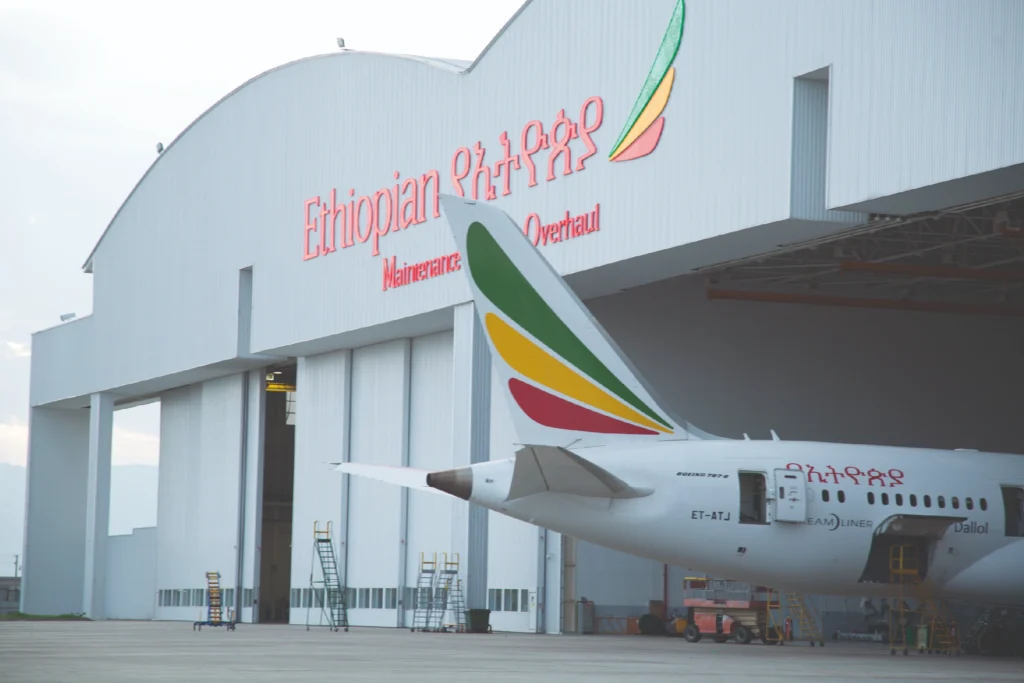
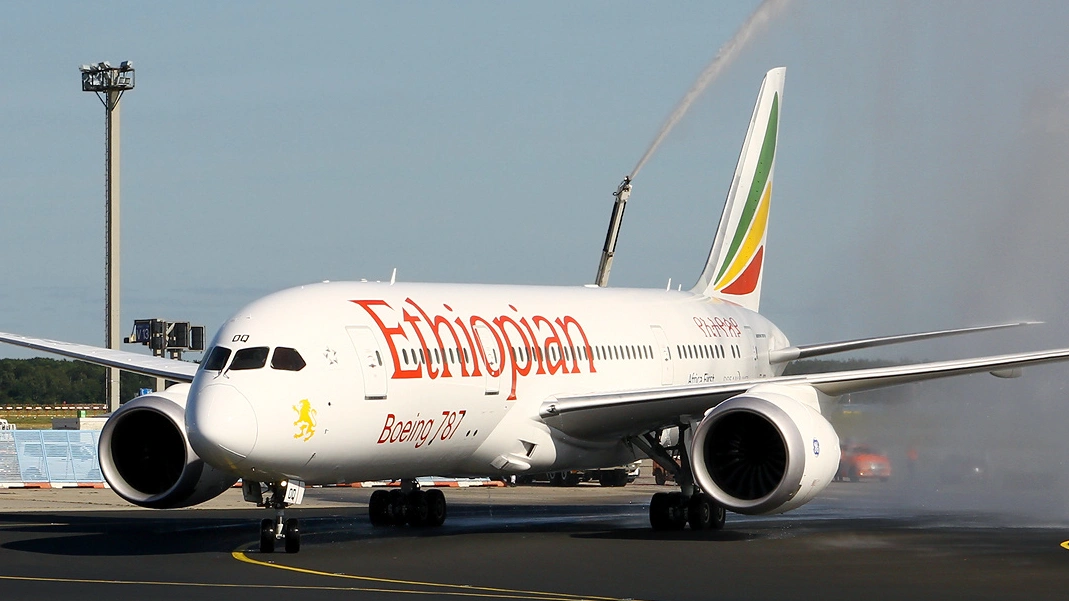
Ethiopian Airlines (ET) is Africa’s largest airline by fleet, network, and revenue, flying a mixed Airbus and Boeing fleet — the A350, 737 MAX, 767, 777, 787 Dreamliner, and De Havilland Dash 8 — out of its Addis Ababa hub. Behind that operation sits Ethiopian Airlines Engineering, a continental MRO heavyweight that maintains not just its own aircraft but those of numerous international carriers, making it one of the region’s largest employers of licensed aviation maintenance professionals.
What AMEs and Technicians Actually Do
The two roles sit side by side on the hangar floor but carry different levels of legal responsibility.
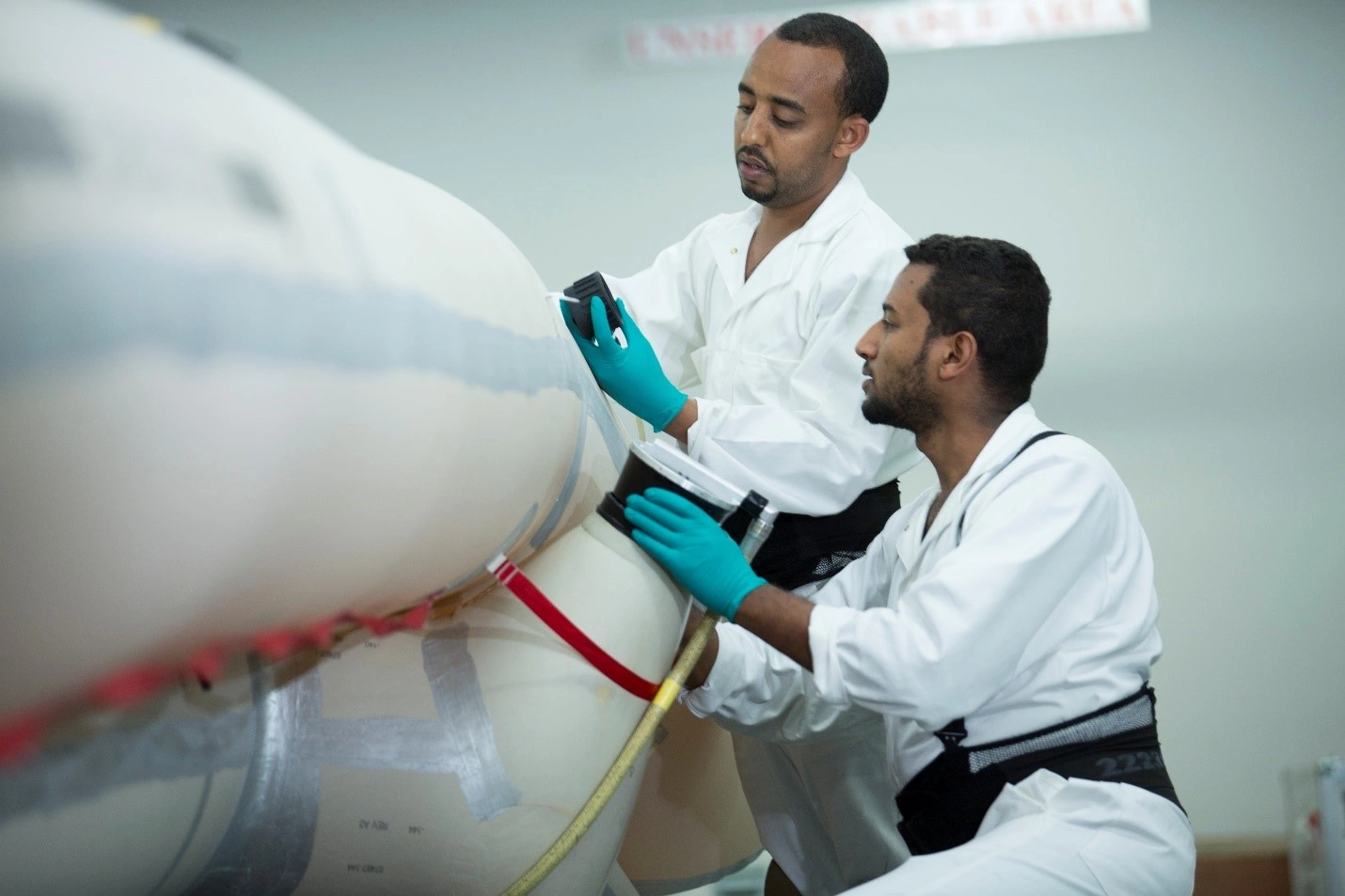
Aircraft Maintenance Engineers (AMEs) hold a recognized maintenance licence and the authority to certify that an aircraft is airworthy before it returns to service. Their work spans diagnosing technical defects, supervising inspections and repairs, reviewing maintenance documentation, and signing the release paperwork that clears a jet to fly. That certifying signature is why engineers are paid meaningfully more than technicians at almost every airline, not just Ethiopian.
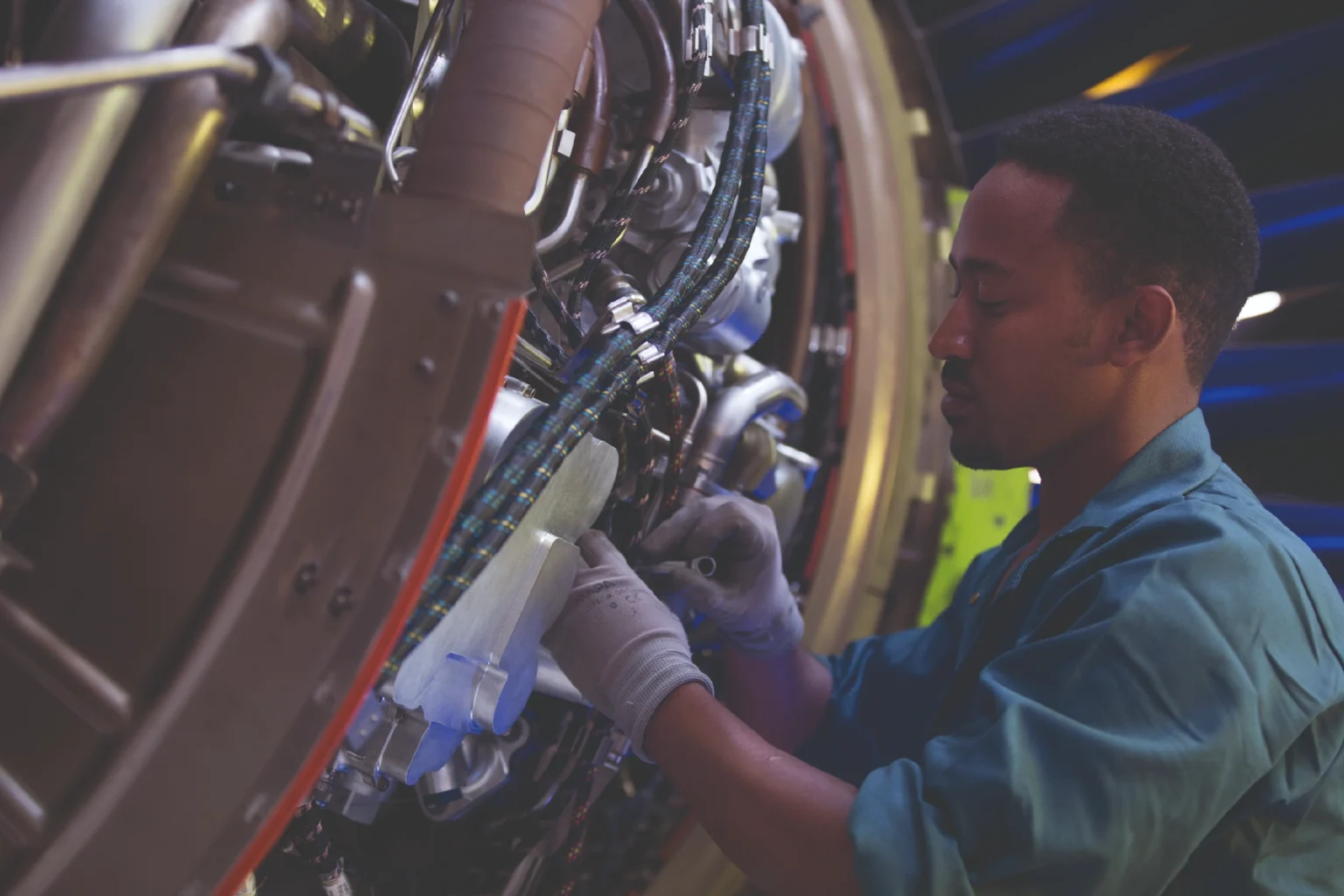
Aircraft Maintenance Technicians carry out the hands-on work: scheduled inspections, component replacement, servicing hydraulic and electrical systems, and troubleshooting support under an engineer’s supervision. Many technicians work toward a maintenance licence over time, using it as the standard route into a certifying engineer role.
Why There’s No Official Number to Point To
Ethiopian Airlines doesn’t publish a public salary scale for AME or AMT roles — unlike some Gulf carriers’ pilot and cabin crew pay bands, engineering compensation isn’t disclosed in recruitment materials. That means every figure below, including the ones in this piece, comes from third-party salary platforms rather than a confirmed company table.
Ethiopian Airlines AME and Technician Salary in 2026
Two very different pictures exist, and they don’t agree with each other.
Company-specific data: Glassdoor’s Addis Ababa-specific listing for Ethiopian Air’s “Aircraft Maintenance Engineer” role, built from 41 self-reported salaries, puts average total pay at roughly ETB 1.3 million a year, with a broader total-pay range of ETB 288,000 to ETB 2.6 million a year (about US$1,800–$16,250). A separate Glassdoor employer breakdown for the same title shows a similar monthly median of about ETB 113,000, or roughly ETB 1.36 million annualized.
For technicians, Glassdoor’s Ethiopian Air-specific listing shows a monthly total-pay range of ETB 28,000 to ETB 92,000, with a median around ETB 49,000 a month — annualizing to roughly ETB 336,000 to ETB 1.1 million a year (about US$2,100–$6,900).
Ethiopia market-wide data: A separate, broader survey of Aircraft Maintenance Engineers across all of Ethiopia — not specific to Ethiopian Airlines — puts the average considerably lower, at around ETB 101,840 a year, with a typical range of ETB 49,300 to ETB 158,700 a year (roughly US$310–$990). The equivalent market-wide figure for technicians sits at about ETB 50,020 a year, ranging from ETB 23,080 to ETB 79,280 (roughly US$145–$495).

That’s more than a 10x gap between the two sources for the same job title. Some of the difference is plausible — a national survey blending small regional operators and general-aviation shops will pull the average well below what a major international carrier’s engineering division pays. But a gap this large, on both roles, means neither figure should be quoted as a settled fact. The honest position is that Ethiopian Airlines-specific pay for licensed engineers most plausibly sits well above the national market average, while the exact figure remains an estimate rather than a confirmed number.
Summary estimate:
| Role | Ethiopian Air-specific (Glassdoor) | Ethiopia market-wide (WorldSalaries/ERI) |
|---|---|---|
| Aircraft Maintenance Engineer | ETB 288K–2.6M/yr (~$1,800–$16,250) | ETB 49K–159K/yr (~$310–$990) |
| Aircraft Maintenance Technician | ETB 336K–1.1M/yr (~$2,100–$6,900) | ETB 23K–79K/yr (~$145–$495) |
USD conversions use an approximate rate of 1 USD ≈ 160 ETB, based on July 2026 exchange data.
How Ethiopian Airlines Compares to Other Carriers In 2026
None of the carriers below publish an official AME or technician pay scale either — this data gap is common across the industry outside a handful of Gulf and European operators. The figures here are drawn from each carrier’s dedicated 2026 salary analysis, so the comparison uses the same methodology throughout: company-specific crowd-sourced data where available, alongside national market benchmarks.
| Airline | AME / Certifying Engineer (annual) | Technician (annual) |
|---|---|---|
| Ethiopian Airlines | ETB 288K–2.6M (~$1,800–$16,250) company-specific; ETB 49K–159K (~$310–$990) market-wide | ETB 336K–1.1M (~$2,100–$6,900) company-specific; ETB 23K–79K (~$145–$495) market-wide |
| All Nippon Airways | ¥6.5M–¥14M (~$43,000–$93,000) | ¥4M–¥8.5M (~$27,000–$57,000) |
| Turkish Airlines | TRY 420,000–900,000 (~$8,900–$19,100) | TRY 204,000–240,000 (~$4,300–$5,100), mechanic-level |
| Emirates | AED 124,000–192,000 (~$34,000–$52,000) market-wide; AED 365,000–625,000 (~$99,000–$170,000) company-specific | Not separately quantified in available data |
| Air France | €38,000–€62,000+ (~$43,000–$71,000) | €24,000–€45,000 (~$27,000–$51,000) |
| Lufthansa Technik | €42,000–€57,000+ (~$48,000–$65,000) | €28,000–€67,000 (~$32,000–$76,000) |
Read in dollar terms, Ethiopian Airlines’ likely engineering pay sits below the European and Gulf carriers on this list and closer to Turkish Airlines’ range, which reflects Ethiopia’s lower cost of living rather than a gap in technical standards — Ethiopian Airlines Engineering’s MRO business, which services aircraft for other international airlines, is itself evidence of the operation’s technical credibility. As with every carrier in this table, the certifying licence — not tenure alone — is what moves a technician into a materially higher pay bracket.
Requirements To Join Ethiopian Airlines as an AME Or Technician
Basic requirements (both roles):
- Diploma or degree in aircraft maintenance, aeronautical engineering, or a related discipline
- Solid understanding of aircraft systems
- Strong English communication skills
- Ability to work rotating shifts, weekends, and holidays
- Commitment to aviation safety and regulatory compliance
For Aircraft Maintenance Engineers:
- A recognized aircraft maintenance licence
- Commercial aircraft maintenance experience
- Type training on Boeing or Airbus aircraft (advantageous)
- Prior certifying experience in an airline or MRO environment
For Aircraft Maintenance Technicians:
- Technical or vocational training in aircraft maintenance
- Practical maintenance experience
- Strong troubleshooting and mechanical skills
- Willingness to pursue further training and licensing
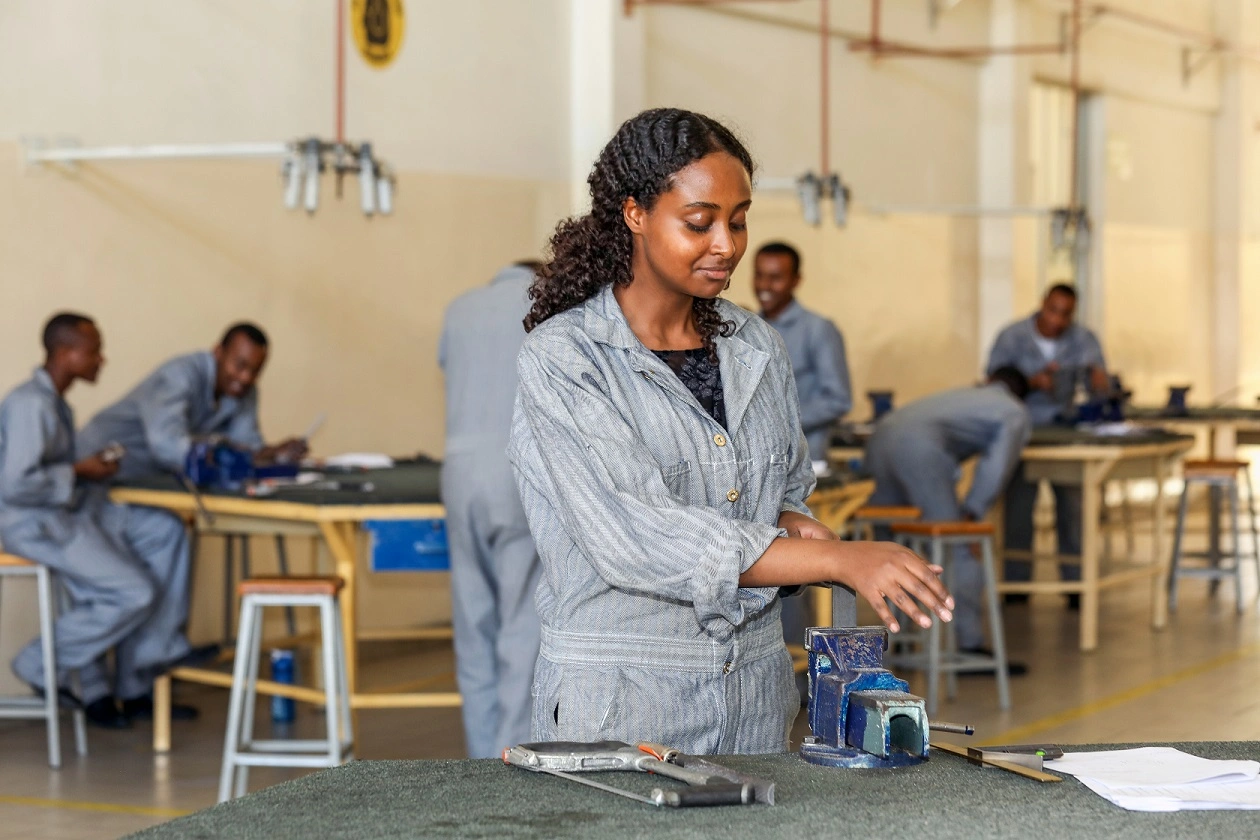
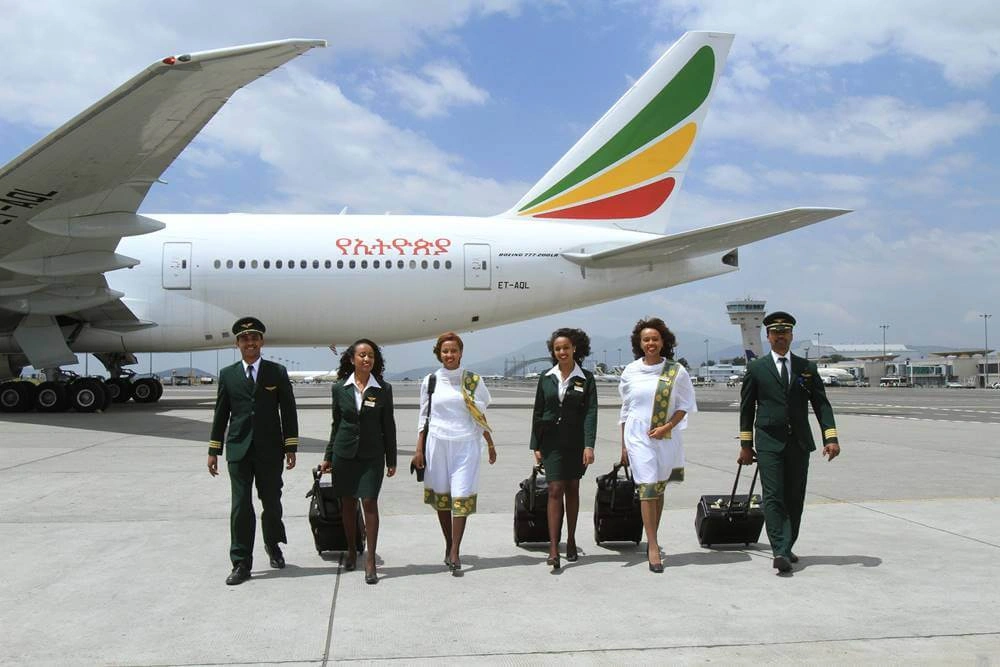
Many technicians begin their careers before progressing into licensed AME roles through the Ethiopian Aviation Academy, the airline’s in-house training institution.
Beyond The Base Number
Salary is only one part of the package at Ethiopian Airlines Engineering. Reported benefits typically include:
- Staff travel concessions across the Ethiopian Airlines network
- Medical coverage
- Paid annual leave
- Training and career development through the Ethiopian Aviation Academy
- Exposure to one of Africa’s youngest and most modern fleets
- Internal promotion pathways within engineering and MRO divisions


Bottom Line
There’s no confirmed, official “Ethiopian Airlines AME salary” or “technician salary” figure for 2026 — the airline doesn’t publish one, and the available third-party sources disagree with each other by a wide margin. What’s defensible is the shape of the picture: Ethiopian Airlines-specific pay, per Glassdoor’s crowd-sourced data, likely sits well above the Ethiopia-wide market average captured by broader salary surveys, and the jump from technician to certifying engineer remains the single biggest lever for increasing pay, exactly as it is at every other carrier examined here.
For aviation professionals building a long-haul maintenance career on a modern fleet, Ethiopian Airlines Engineering remains one of the strongest platforms on the continent, even if the exact number on the paycheck requires some estimation.

FAQs
Does Ethiopian Airlines recruit newly qualified aircraft maintenance technicians?
Yes. Ethiopian Airlines recruits technicians through direct hiring and its Ethiopian Aviation Academy training programmes, although recognized technical qualifications and practical experience improve employment prospects.
Which aircraft types offer the best career opportunities at Ethiopian Airlines?
Experience on the Airbus A350, Boeing 787 Dreamliner, Boeing 777, and Boeing 737 MAX is particularly valuable, since these types make up a significant share of the airline’s fleet.
Can a technician become an AME at Ethiopian Airlines?
Yes. Many technicians progress into licensed Aircraft Maintenance Engineer roles after obtaining the required maintenance licence, gaining additional aircraft experience, and meeting regulatory certification requirements.
Why do salary estimates for this role vary so much?
Because Ethiopian Airlines doesn’t publish an official pay scale, every available figure comes from third-party platforms using different methods and sample sizes — company-specific crowd-sourced listings tend to run far higher than broad, market-wide national surveys, and that gap should be read as a range of plausibility rather than a precise number.