United Airlines (UA) has clarified that passengers cannot receive complimentary ticket changes simply because they object to flying into Florida’s newly renamed President Donald J. Trump International Airport (PBI). The clarification comes after an internal communication appeared to suggest that reservation agents could move travelers to nearby airports without charging additional fares.
The airline now says the memo did not accurately reflect company policy and was mistakenly worded.

United Corrects Internal Guidance
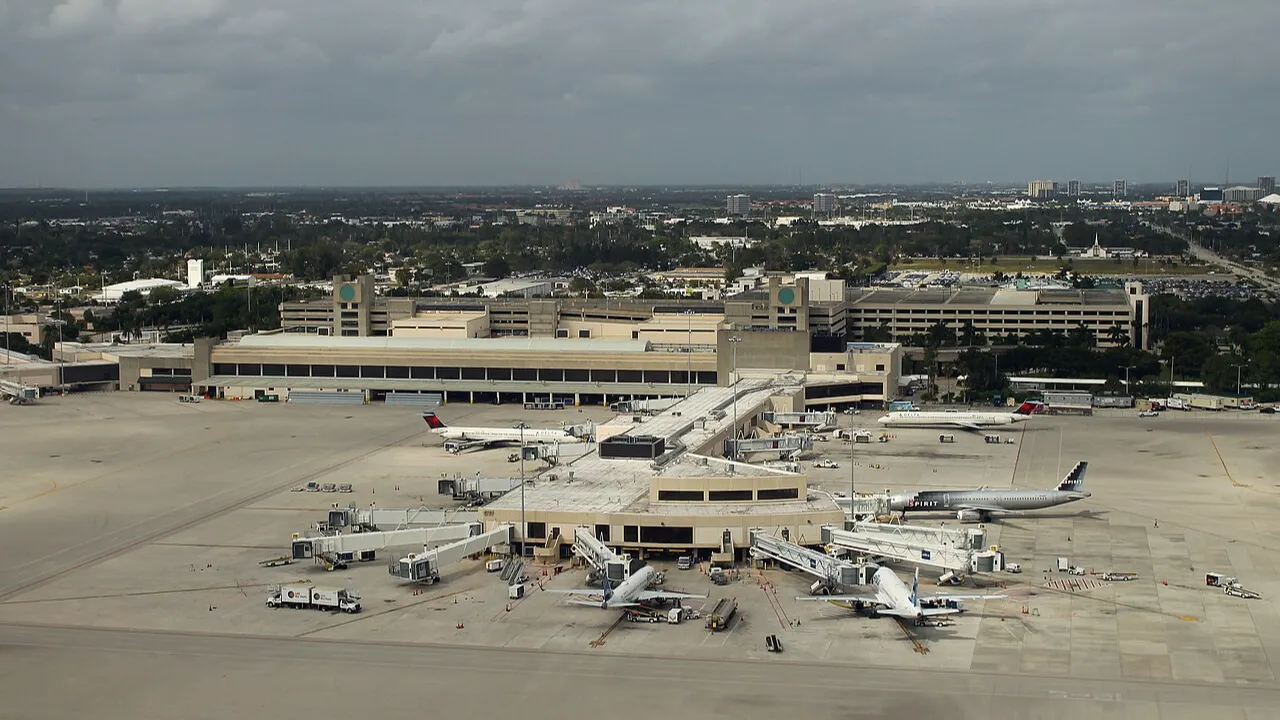
Earlier this month, an internal bulletin distributed to United reservation agents instructed staff to assist customers unwilling to travel through the renamed airport by offering flights to Fort Lauderdale-Hollywood International Airport (FLL) or Miami International Airport (MIA).
The guidance even included a recommended script encouraging agents to ask whether either airport would be an acceptable alternative. It also authorized an “even exchange,” allowing customers to switch airports without paying any fare difference, even if the replacement itinerary was more expensive.
That internal document, dated July 8, gained public attention after being reported by Live and Let’s Fly on July 16, prompting widespread discussion online.
Following the publicity, United reviewed the communication and concluded that it had been drafted incorrectly.
Airline Says Airport Name Is Not a Valid Reason
While United acknowledged that the memo was circulated internally, the carrier insists it should not be interpreted as an official customer policy.
According to the airline, the communication was inaccurate and did not align with existing ticket rules. United emphasized that although travelers may qualify for fee-free itinerary changes under several circumstances, an airport’s name or airport code is not among the eligible reasons.
As a result, customers seeking to avoid the airport because of its new identity will generally be required to purchase a new itinerary or pay any applicable fare difference under normal ticket conditions.
Florida Airport Officially Renamed
The airport’s renaming followed legislation approved by Florida lawmakers earlier this year.
The proposal passed the Florida House of Representatives by an 81-30 vote and cleared the Senate 25-11 before Governor Ron DeSantis signed it into law on March 30. The Federal Aviation Administration (FAA) approved the change on May 15, and the new name officially took effect on July 9.
The facility became the first commercial airport in the United States to bear the name of a sitting U.S. president.
Before implementing the change, Palm Beach County negotiated a licensing agreement with President Donald Trump because his name is trademarked. County commissioners approved the agreement in a narrow 4-3 vote.
Officials estimate the overall renaming project will cost approximately $5.5 million, with expenses shared equally by the airport and the State of Florida.
Airport Codes Remain in Transition
Although the airport has a new official name, travelers may still notice different airport identifiers depending on where they book.
On July 9, the FAA changed the airport’s location identifier to DJT, while the ICAO code became KDJT. However, the IATA airport code remains PBI until August 18, 2026.
Because of that transition period, United’s booking system continues displaying the airport as West Palm Beach (PBI). Even searches using the new DJT identifier redirect users to booking results labeled PBI.
The mixed identifiers have contributed to passenger confusion since the renaming took effect.

Public Reaction Continues
The airport’s new name has generated strong public reaction, with county officials reportedly receiving hundreds of complaints through the airport’s online feedback portal.
Some travelers have also publicly stated they intend to avoid flying through the airport altogether.
The leaked United memo appeared to offer those passengers an alternative, but the airline has now made clear that no special waiver exists.
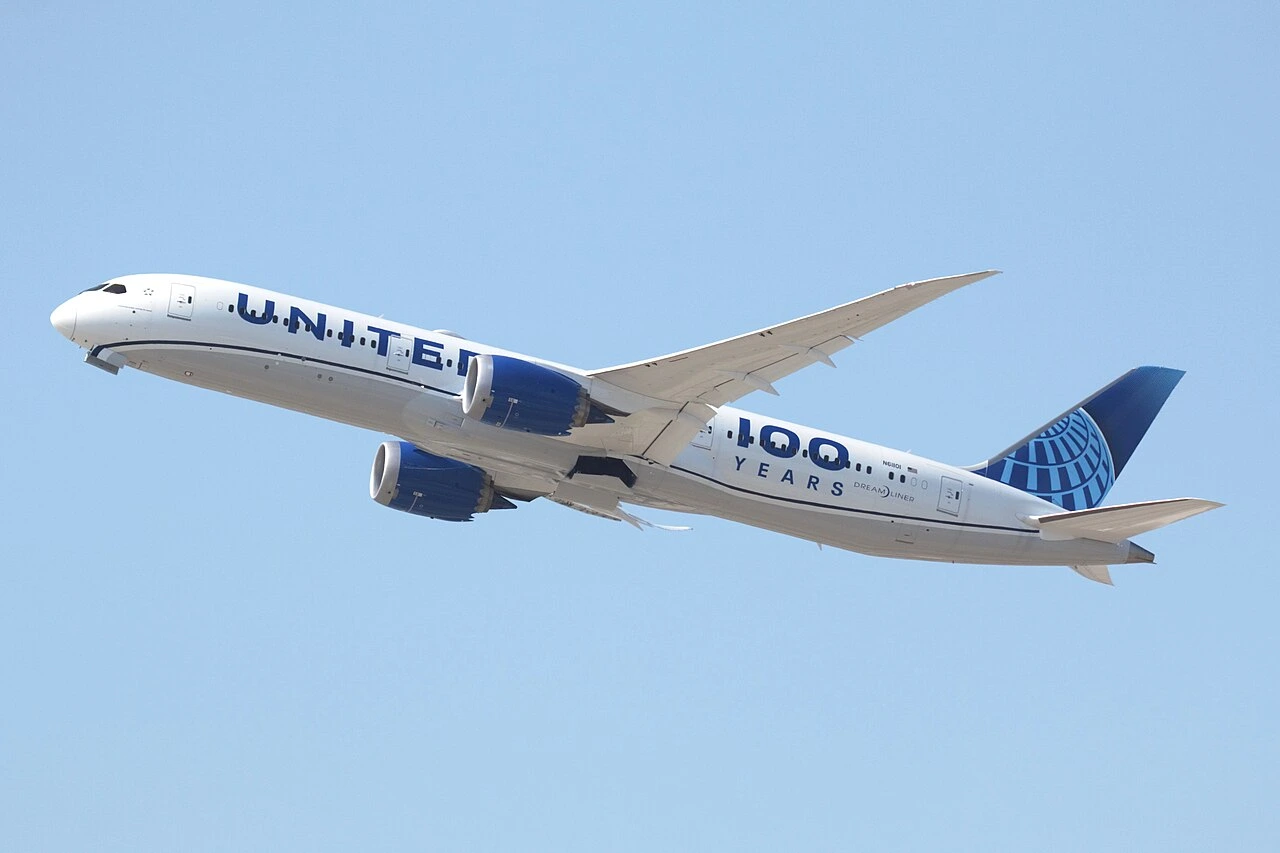
.jpg)
What United Passengers Should Expect
United says customers remain eligible for fee-free itinerary changes when they meet the airline’s existing change policy requirements, such as qualifying schedule disruptions or other approved circumstances.
However, the carrier has confirmed that dissatisfaction with an airport’s name or its three-letter identifier does not qualify for complimentary rebooking. Travelers wishing to switch from the renamed airport to Fort Lauderdale or Miami will therefore need to do so under United’s standard fare rules.