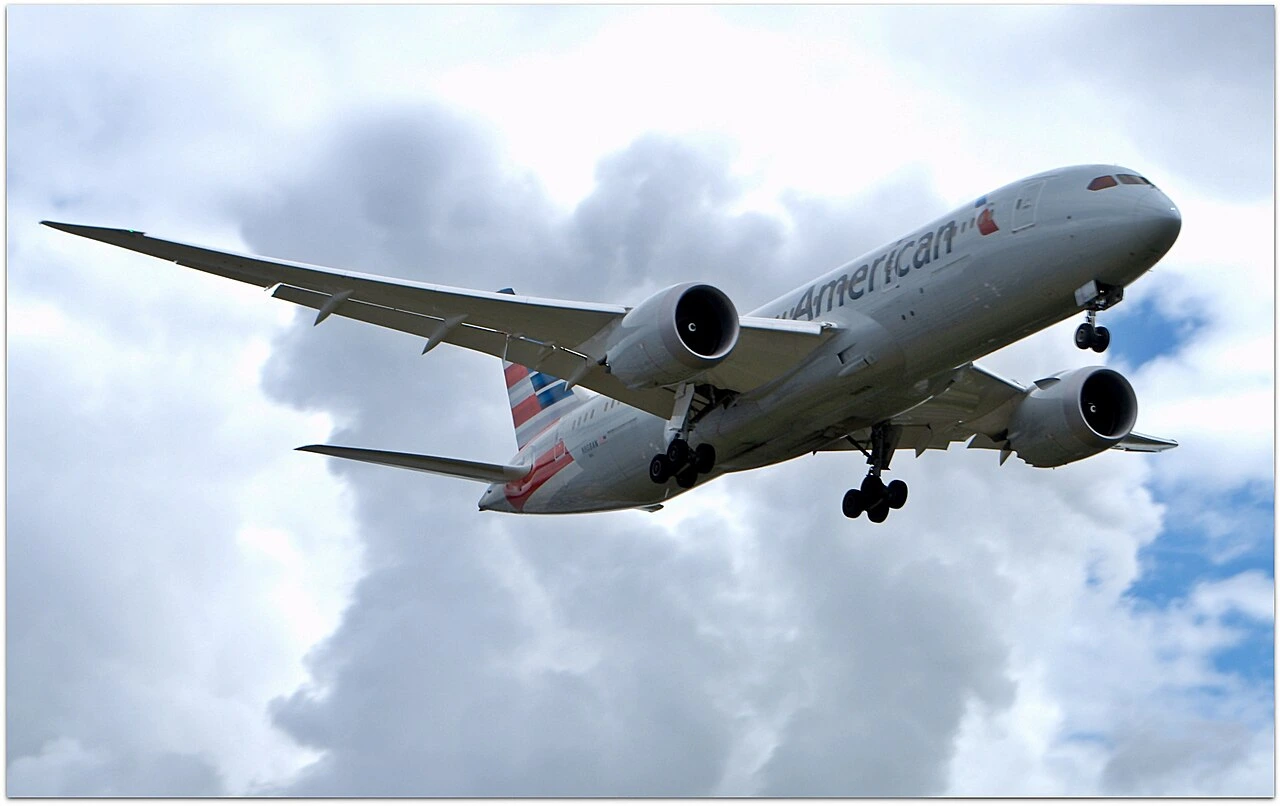
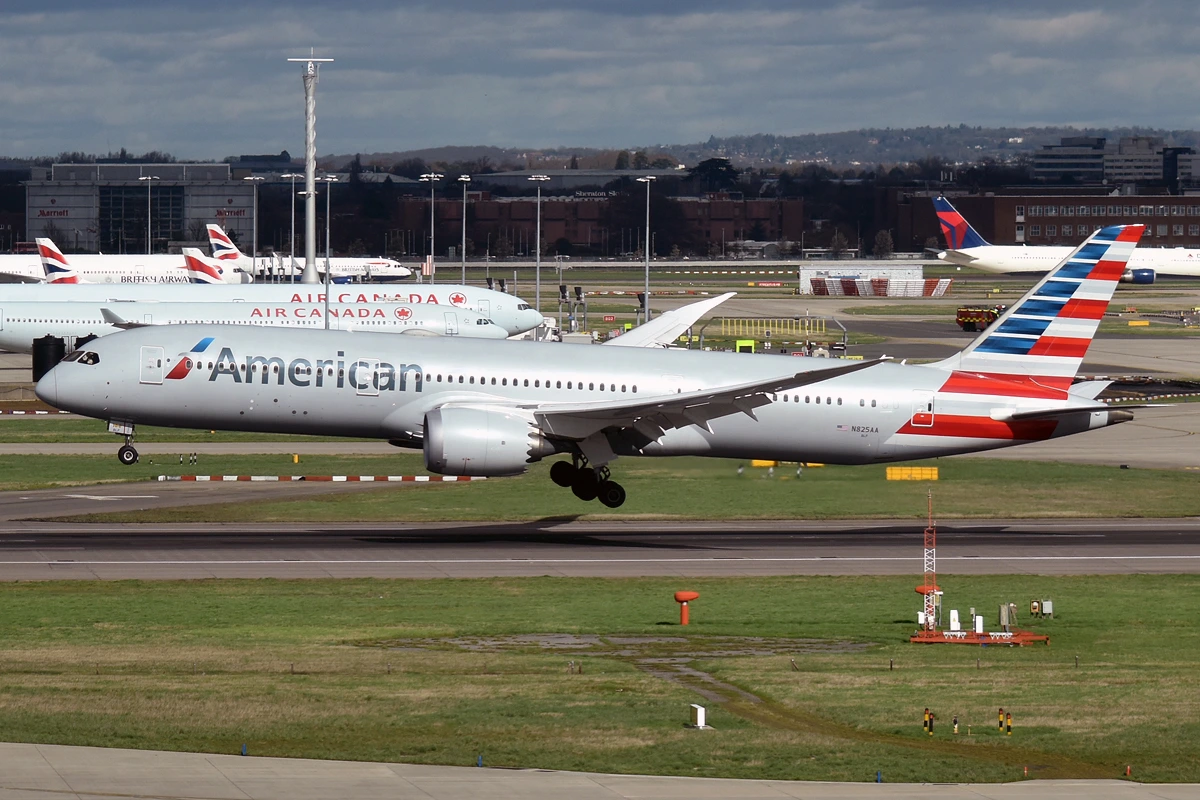
A passenger who paid to move his family of four into American Airlines (AA) Flagship Business Class says the upgrade failed at its one job: letting them sleep. The overnight flight ran from Chicago O’Hare International Airport (ORD) to London Heathrow Airport (LHR) on a Boeing 787-9 Dreamliner, and the passenger says flight attendants held loud conversations and clanked dishes in the galley for most of the night, according to a Reddit post later covered by Live and Let’s Fly.
The complaint surfaced online on July 17, 2026, and quickly drew responses from other travelers who described similar experiences on American’s premium cabins. The passenger said the family was seated near the front of the cabin, close to the galley, and that neither earplugs nor noise-canceling headphones solved the problem.
_@_MAN,_July_2016.jpg)
Family Paid for Flagship Business Class Sleep on Boeing 787-9
The passenger upgraded all four family members to Flagship Business Class for the overnight leg specifically so everyone could rest before arriving in London. He also upgraded himself and his spouse for the return daytime flight, leaving two teenagers in economy for that segment.
The lie-flat seats on the 787-9 are designed for exactly this purpose. But the passenger says the plan fell apart almost immediately after takeoff.
- Flight attendants held loud conversations in the aisles and galley throughout the night
- Dishes and glasses were repeatedly clanked during service preparation
- The family sat near the front of the cabin, closest to the noise source
- The passenger called it the loudest of at least 20 overnight international flights he had taken
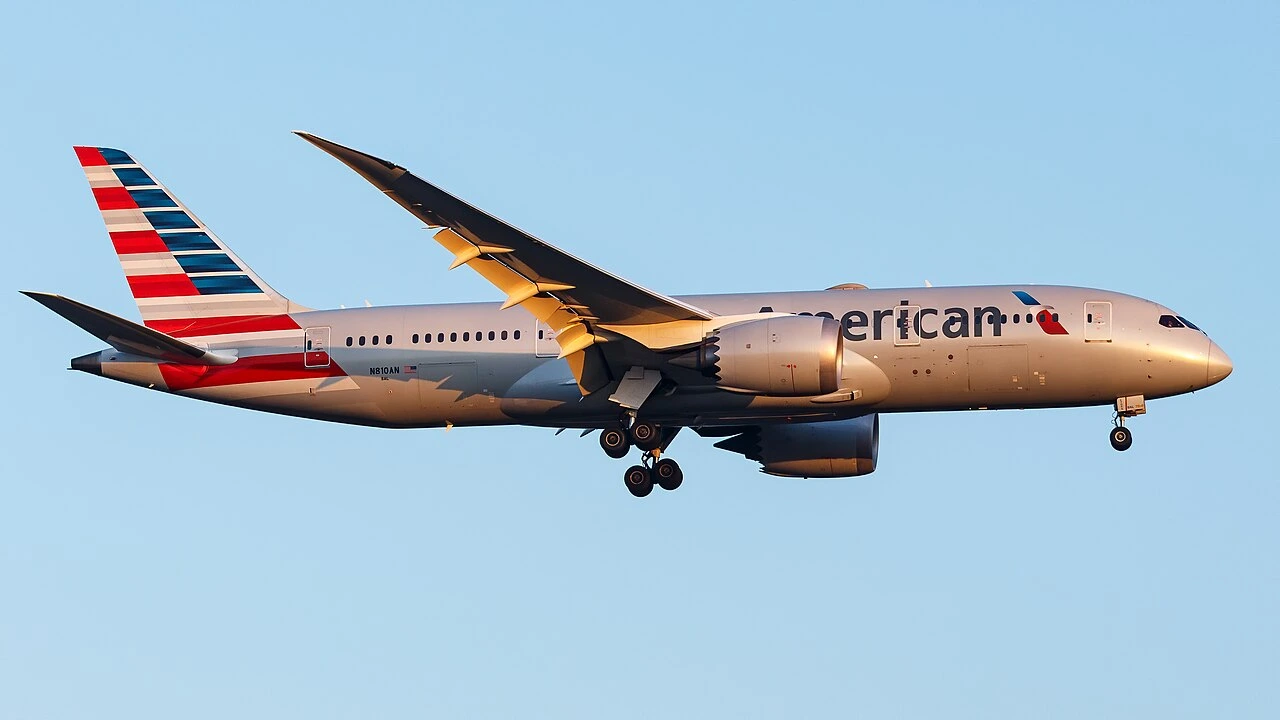

Passenger Says Loud Flight Attendants Made Sleep Impossible
The passenger described the disruption in detail in his original post, writing that the crew kept up “full volume conversations all night long.” He added that earplugs and noise-canceling headphones both failed to block the noise.
A separate account of the same complaint, published by TheTravel, reported that the passenger’s spouse tried noise-canceling headphones without success. The outlet also noted that the London-to-Chicago return flight offered a completely different experience, with a quiet cabin that let the family finally rest. That contrast is central to the complaint: the same crew type, the same aircraft family, and the same premium cabin produced opposite results depending on the flight.
.jpg)
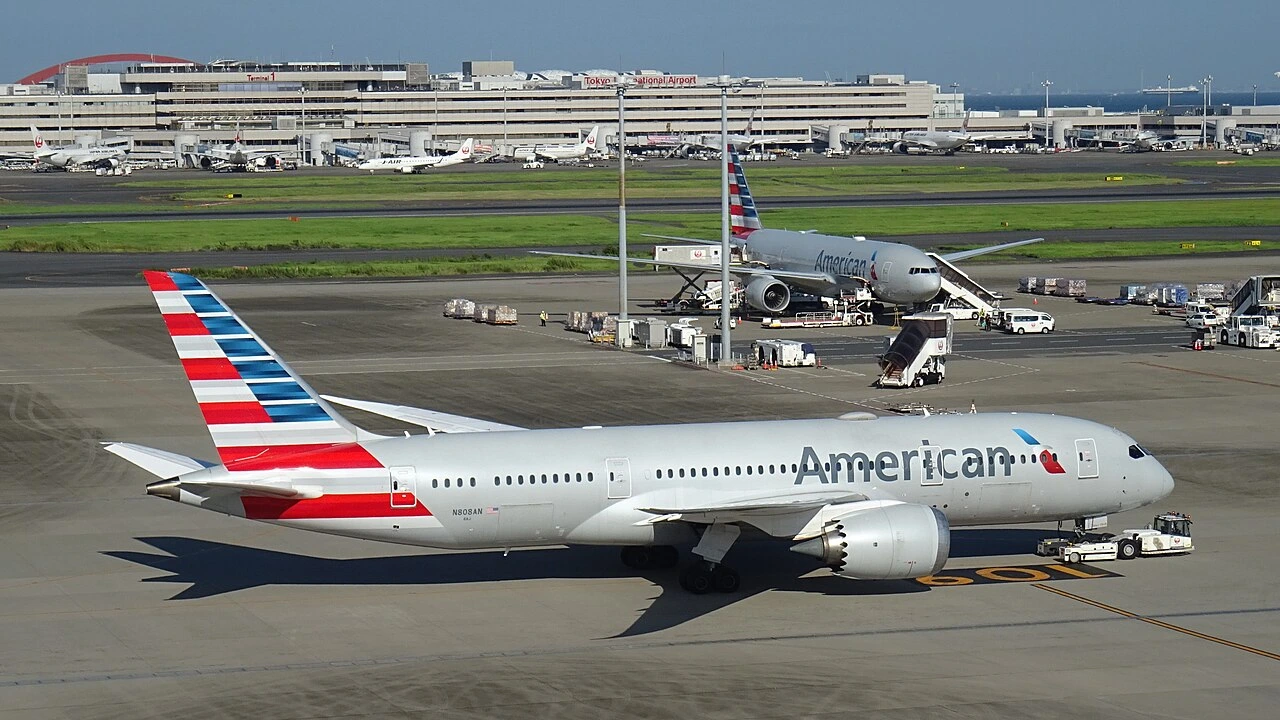
Live And Let’s Fly Says Flight Attendants Crossed a Line
Matthew Klint, founder of Live and Let’s Fly, argued that some galley noise is unavoidable on an overnight flight, since meals must be served and the working crew has to stay alert. But he wrote that sustained loud conversation and laughter are different and made the point that a flat seat cannot deliver rest if the crew keeps the cabin awake around it.
Klint also pointed out that the Boeing 787-9’s quiet cabin, normally a selling point, can work against crews who are unaware that conversations carry farther than on older, noisier jets. He suggested the passenger should still file a complaint with American, even though he did not ask the crew to lower their voices in the moment, since a written account with the flight number and seating area gives the airline useful information for retraining.
_at_LAX_(22922365062).jpg)
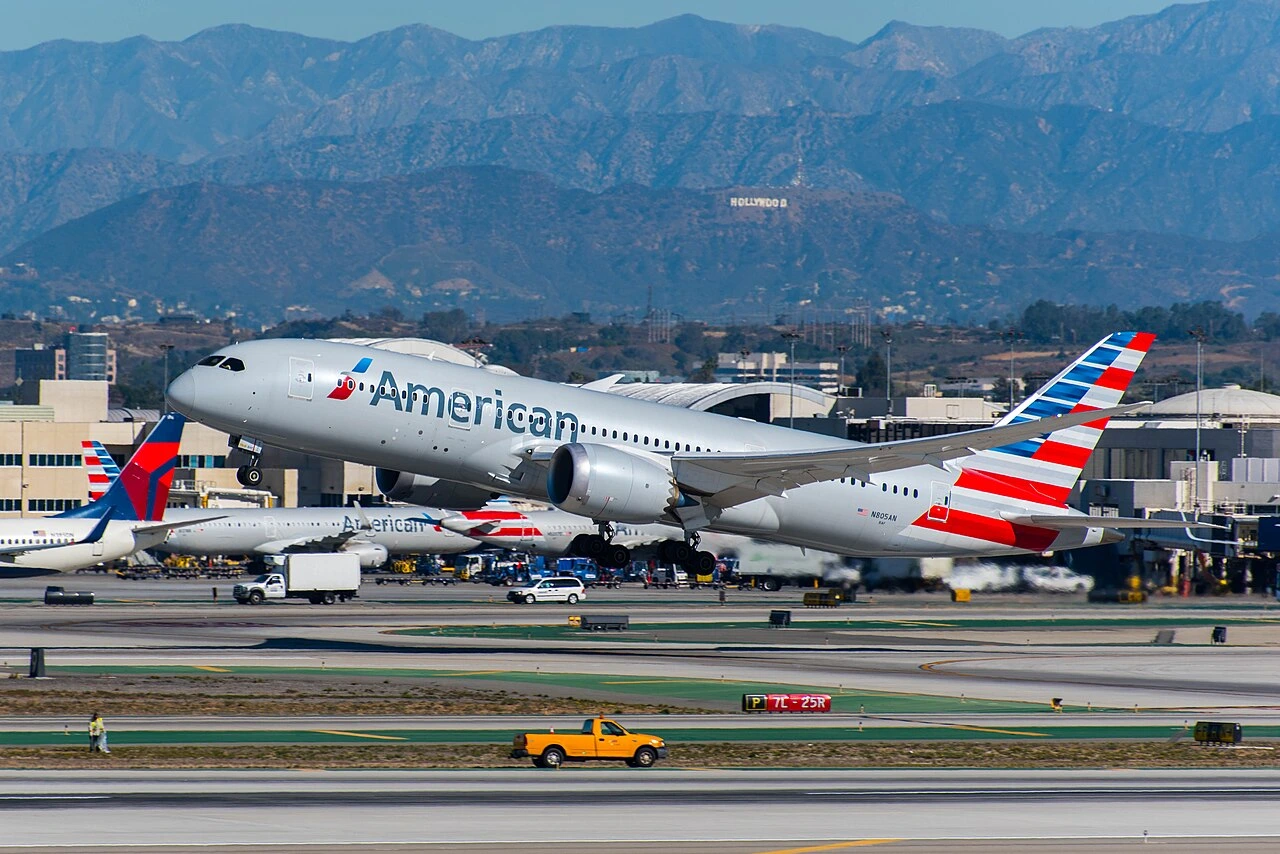
This Is Not the First Complaint About Loud American Airlines Crews
This incident joins a pattern of similar reports involving American’s premium cabins. Klint wrote about his own experience on a Los Angeles-to-Boston redeye in Flagship Business Class earlier in 2026, where he was woken by flight attendants chatting loudly in the galley about personal health issues and upcoming schedules. He described a recurring culture problem rather than an isolated crew.
A different but related complaint made headlines when an American business class passenger said a screaming child, not crew noise, kept him awake for 9.5 hours on an overnight flight. According to View from the Wing, the passenger had paid $1,800 per person for the upgrade and said flight attendants gave no help managing the disruption. American’s customer service team offered a $25 travel credit, an amount that drew widespread criticism online for being disproportionate to the price paid.
Both cases point to the same underlying tension: passengers pay a steep premium for uninterrupted rest, but American’s crews and policies have not consistently protected that expectation, whether the noise comes from another passenger or from the cabin crew itself.

United’s New Headphone Rule Does Not Solve This Type Of Noise
United Airlines recently added a rule to its contract of carriage requiring passengers to use headphones for any audio or video content, aimed at reducing cabin noise. TheTravel’s coverage noted that the rule’s primary goal is a quieter cabin, but that it does nothing to address noise generated by crew members themselves. That distinction matters for the Chicago-to-London case, since the disruption reportedly came from flight attendants rather than fellow passengers.
What Passengers Can Do About Loud Cabin Crews
Frequent flyers responding to the original complaint were split between two approaches. Some argued the family should have politely asked the crew to lower their voices during the flight itself, since a direct request often works. Others said passengers should not have to confront crew members who control the rest of the service, and that a calm written complaint afterward remains a fair option.
American Airlines has not issued a public statement specific to this complaint as of publication. The airline’s standard channels for service complaints include its customer relations team, which handled the earlier $25 credit case referenced above.
The Bigger Picture for American’s Premium Cabins
American markets its Flagship Business Class lie-flat seats as a way to arrive rested, particularly on long transatlantic routes like Chicago to London. The recurring nature of these noise complaints, spanning at least three separate incidents on Flagship or A321T premium cabins in 2026, suggests the issue is not limited to one aircraft or one crew.
For now, passengers upgrading specifically for sleep may want to request a seat farther from the galley when possible, and to raise noise concerns with the crew directly during the flight rather than waiting to complain afterward.