Boeing (BA) released its 2026 Commercial Market Outlook on July 17, 2026, ahead of the Farnborough International Airshow in the United Kingdom, projecting the global commercial airplane fleet will grow nearly 80 percent to more than 50,000 aircraft by 2045. The forecast, one of the aerospace industry’s most closely watched long-term demand studies, says operators worldwide will need almost 44,000 new airplanes over the next two decades to support that growth and replace older jets.
The outlook lands as the industry gathers in Farnborough amid short-term volatility, including reduced long-haul travel tied to the Middle East crisis and persistent supply-chain constraints. Boeing insists these disruptions are temporary. The company projects passenger traffic will grow 4 percent a year and fully double between 2026 and 2045, a claim consistent with the 20-year outlook it has published annually since 1961.

What Boeing’s 2026 Commercial Market Outlook Actually Forecasts
The headline figures are stark. Boeing expects the global fleet to expand from roughly 28,000 airplanes today to more than 50,000 by 2045, with nearly 44,000 new deliveries required to get there. About half of those new jets will replace older, less fuel-efficient models rather than add net capacity.
Brad McMullen, Boeing’s senior vice president of Commercial Sales and Marketing, said airlines are managing near-term pressures without losing sight of long-term expansion. He said, “Demand for air travel remains resilient,” framing new, fuel-efficient jets as central to connecting people and economies over the next 20 years. Boeing forecasts passenger traffic growth of roughly 4 percent annually through 2045.
By region, Boeing splits new deliveries almost evenly. Mature markets, including North America, Europe, Oceania and Northeast Asia, will take about 45 percent of new airplanes. Transitioning and emerging markets, including China, the Middle East, Latin America, and South and Southeast Asia, will account for the remaining 55 percent, reflecting where population and income growth are fastest.

How Nearly 44,000 New Jets Will Be Split Between Single-Aisle and Widebody Fleets
Single-aisle aircraft dominate Boeing’s forecast. The global narrow-body fleet will nearly double to more than 36,000 jets, making up over half of all global seat capacity and serving the short-haul routes that carry most of the world’s passengers. Boeing projects 33,545 single-aisle deliveries between 2026 and 2045.
Widebody jets play a smaller but still substantial role. More than 8,000 widebody airplanes will be in service by 2045, supporting long-haul routes, premium cabins and cargo capacity, with 7,715 widebody deliveries forecast over the period.
Regional jets and freighters make up the remainder of Boeing’s nearly 43,625 total new deliveries, split roughly as follows:
- Single-aisle: 33,545 deliveries
- Widebody: 7,715 deliveries
- Regional: 1,435 deliveries
- Freighters: 930 deliveries
Boeing also forecasts more than 2,900 total production and converted freighters will be needed once older cargo aircraft conversions are included, underscoring cargo’s growing share of overall fleet demand.
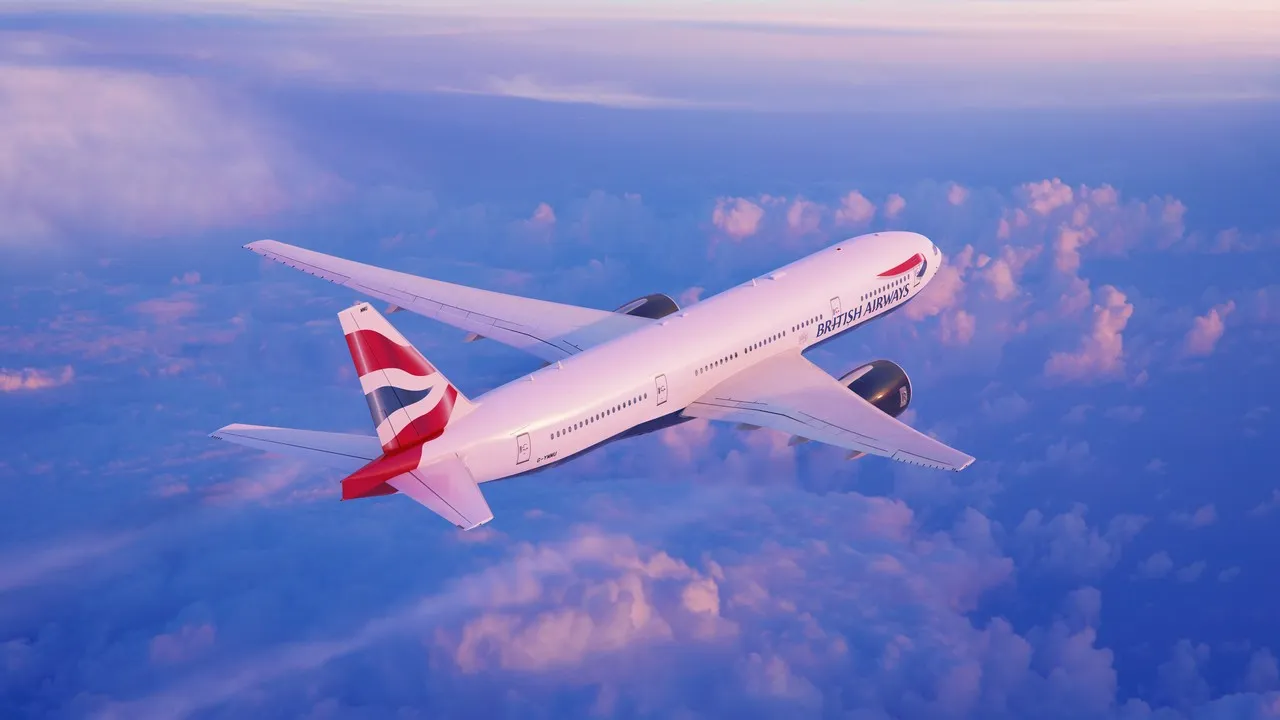
Why Boeing Says the Middle East Crisis Won’t Dent Long-Term Demand
Boeing’s outlook directly addresses the regional conflict currently disrupting parts of the Middle East, a topic likely to dominate questions at Farnborough.
The company says passengers are rerouting and adjusting destinations rather than cancelling trips altogether, with point-to-point and short-haul leisure travel leading traffic growth even as some long-haul routes see short-term declines.
Boeing frames this as consistent with aviation’s history. Passenger traffic has grown despite double-digit oil-price swings in 17 of the last 25 years, the company said, arguing that enduring demand drivers, including migration, tourism growth and trade, outweigh short-term shocks.
Without efficiency gains from newer jets, Boeing estimates airlines would need 9,000 additional airplanes just to carry the same number of passengers they do today.
How Boeing’s Outlook Compares with Airbus’s Rival Forecast
Boeing’s projection arrives roughly a week after Airbus (AIR) published its own 2026-2045 Global Market Forecast on July 8, giving the industry two competing views heading into Farnborough.
Airbus forecasts demand for 42,060 new aircraft over the same 20-year window, modestly below Boeing’s nearly 44,000, and projects global passenger traffic will grow 3.9 percent annually to reach 10 billion passengers a year by 2045.
The two manufacturers broadly agree on the shape of demand even where totals differ. Airbus splits its forecast into 22,240 new aircraft for growth and 19,820 for replacement, close to Boeing’s own roughly 50-50 split between growth and renewal.
Airbus, which beat Boeing in terms of the number of deliveries, also expects single-aisle jets to dominate, accounting for 81 percent of its total forecast deliveries, slightly higher than the share implied by Boeing’s own single-aisle figures.
Airbus’s 2026 forecast is actually lower than its 2025 edition, which projected 43,420 new aircraft, reflecting a modest downward revision as the European manufacturer weighs slower near-term fleet renewal in some mature markets. Boeing’s own forecast, by contrast, held roughly steady with its 2025 outlook of about 43,600 new aircraft. Both companies cite the same forces: urbanisation reaching smaller cities, aging fleets needing replacement, and resilient demand despite geopolitical shocks.
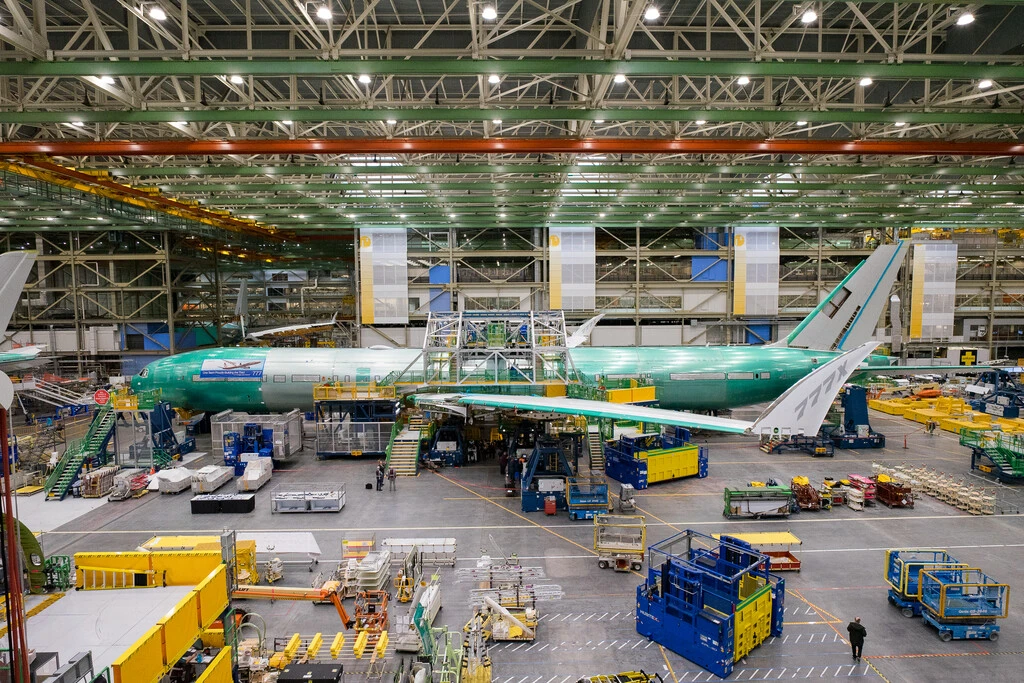
What The Forecast Means for Air Cargo
Freighter and cargo demand feature prominently in Boeing’s outlook. The company forecasts air cargo traffic will grow about 3.7 percent annually through 2045, outpacing broader trade and economic growth, driven by e-commerce, perishable goods and supply-chain reliability needs.
International freighter capacity has already increased 5 percent year-to-date in 2026 despite market disruptions, which Boeing points to as evidence of the sector’s flexibility. Demand for more than 2,900 production and converted freighters over the next 20 years reflects both fleet renewal and continued growth in dedicated cargo operations.
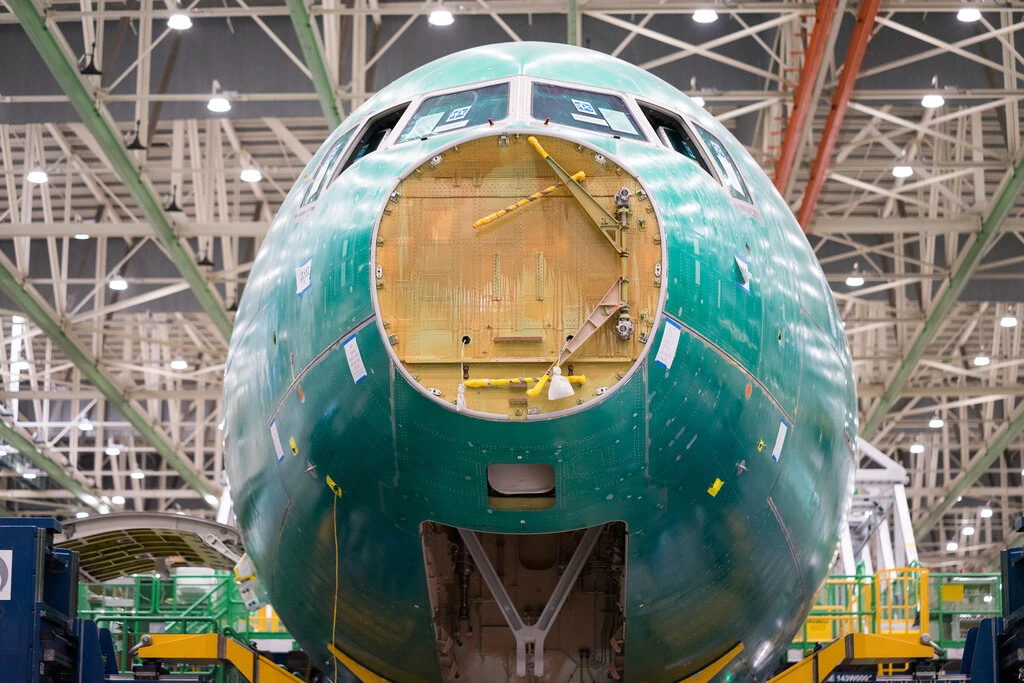
What Comes Next for Boeing and the Industry at Farnborough
Boeing published two companion reports alongside the Commercial Market Outlook: its Commercial Services Market Outlook, projecting a $4.9 trillion aviation support and services market through 2045, and its Pilot and Technician Outlook, forecasting demand for more than 2.4 million new aviation professionals over the same period, including roughly 674,000 pilots, 728,000 maintenance technicians and 1,023,000 cabin crew.
The Farnborough International Airshow runs from July 20 to 24, 2026, and typically serves as a venue for major order announcements from airlines and lessors. With Boeing’s delivery backlog already stretching past 17,000 aircraft industry-wide and engine and supply-chain constraints still limiting output, analysts expect the show to focus more on production ramp-up and widebody competition than on record-breaking order tallies.

.jpg)
