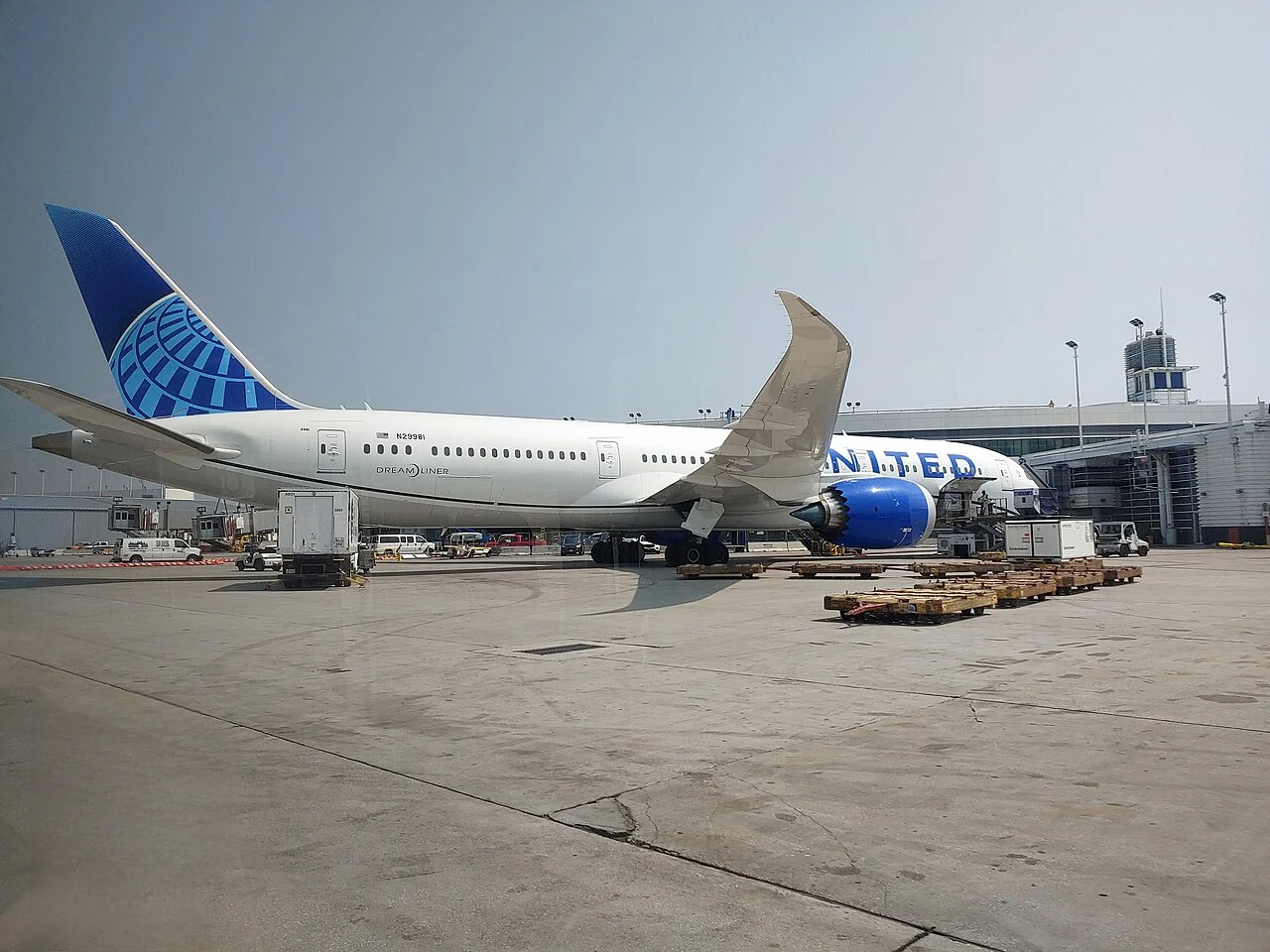
United Airlines (UA) will significantly speed up the retirement of older aircraft in 2027, planning to remove more than 80 less fuel-efficient jets from service as it modernizes its fleet and upgrades cabin interiors across its network, Flight Global reported.
The move represents a larger retirement program than in recent years and aligns with the airline’s strategy of improving profitability through newer aircraft, premium seating, and lower operating costs. At the same time, United expects to begin receiving Boeing 737 MAX 10 aircraft in the second half of 2027, assuming the model receives certification from the US Federal Aviation Administration (FAA).
Boeing has already started manufacturing the 737 MAX 10 on a dedicated production line in Seattle (SEA), even as certification work continues.
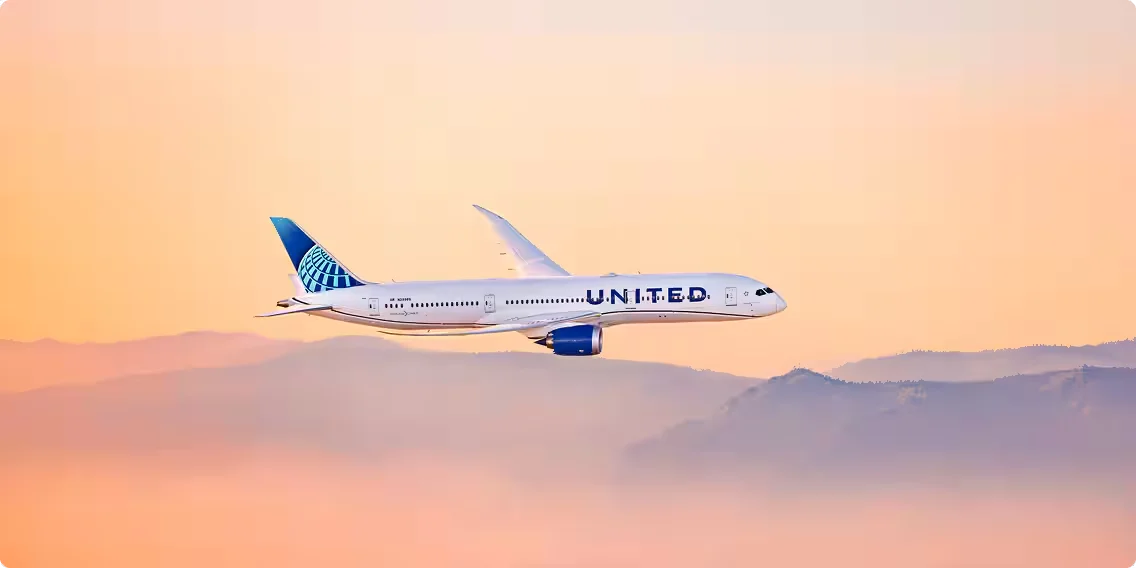
United Steps Up Aircraft Retirements
Speaking during the airline’s second-quarter earnings call on July 16, Chief Financial Officer Mike Leskinen said the planned retirements represent a noticeable increase over previous years.
According to Leskinen, the aircraft being removed from the fleet are older models with higher fuel consumption and outdated cabin interiors. Replacing them with newer aircraft will help United better align capacity with market demand while accelerating its fleetwide cabin modernization program.
The airline’s strategy focuses on deploying newer, more efficient aircraft on its strongest routes while retaining older jets only for periods of peak travel demand.

Leskinen said this approach improves profitability and increases returns on invested capital by relying more heavily on fuel-efficient aircraft.
The retirement plan also supports United’s broader fleet “upgauging” strategy, which replaces smaller aircraft with larger jets capable of carrying more passengers.
As part of that transition, the airline has already announced plans to phase out its Airbus A319 and A320 fleets by 2030. Those aircraft will gradually be replaced as deliveries of the larger Airbus A321neo continue to grow. United also plans to expand premium Airbus A321 operations, including the long-range A321XLR, through late 2026 and into 2027.
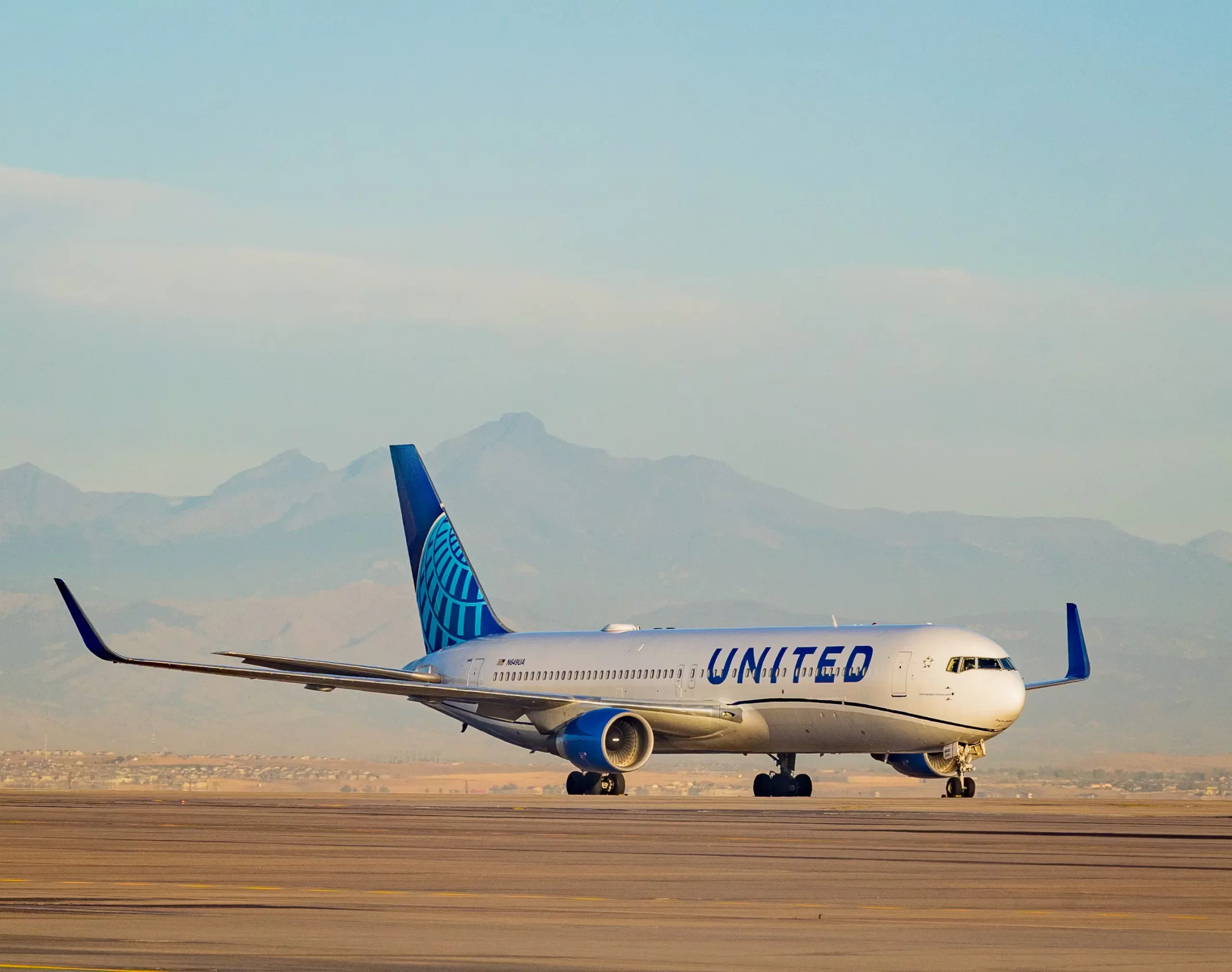
Boeing 737 MAX 10 Expected to Enter Service
United continues to expect its first Boeing 737 MAX 10 deliveries between the middle and end of 2027. The airline anticipates receiving as many as 20 aircraft during that year, with another 147 still on order.
Chief Commercial Officer Andrew Nocella said the MAX 10 will become a key aircraft for United’s busiest routes because of its higher number of premium seats and lower operating costs.
He noted that the aircraft will offer more premium seating than the models it replaces while delivering what he described as “best-in-class” cost per available seat mile (CASM). Nocella also characterized the MAX 10 as superior to the aircraft currently operating those routes.
Certification delays have repeatedly pushed back the aircraft’s entry into service. To offset uncertain delivery schedules, United previously converted part of its MAX 10 order into Boeing 737 MAX 9 aircraft.
Earlier this month, Boeing confirmed it had begun assembling the MAX 10 on a new production line in Seattle while continuing certification efforts.
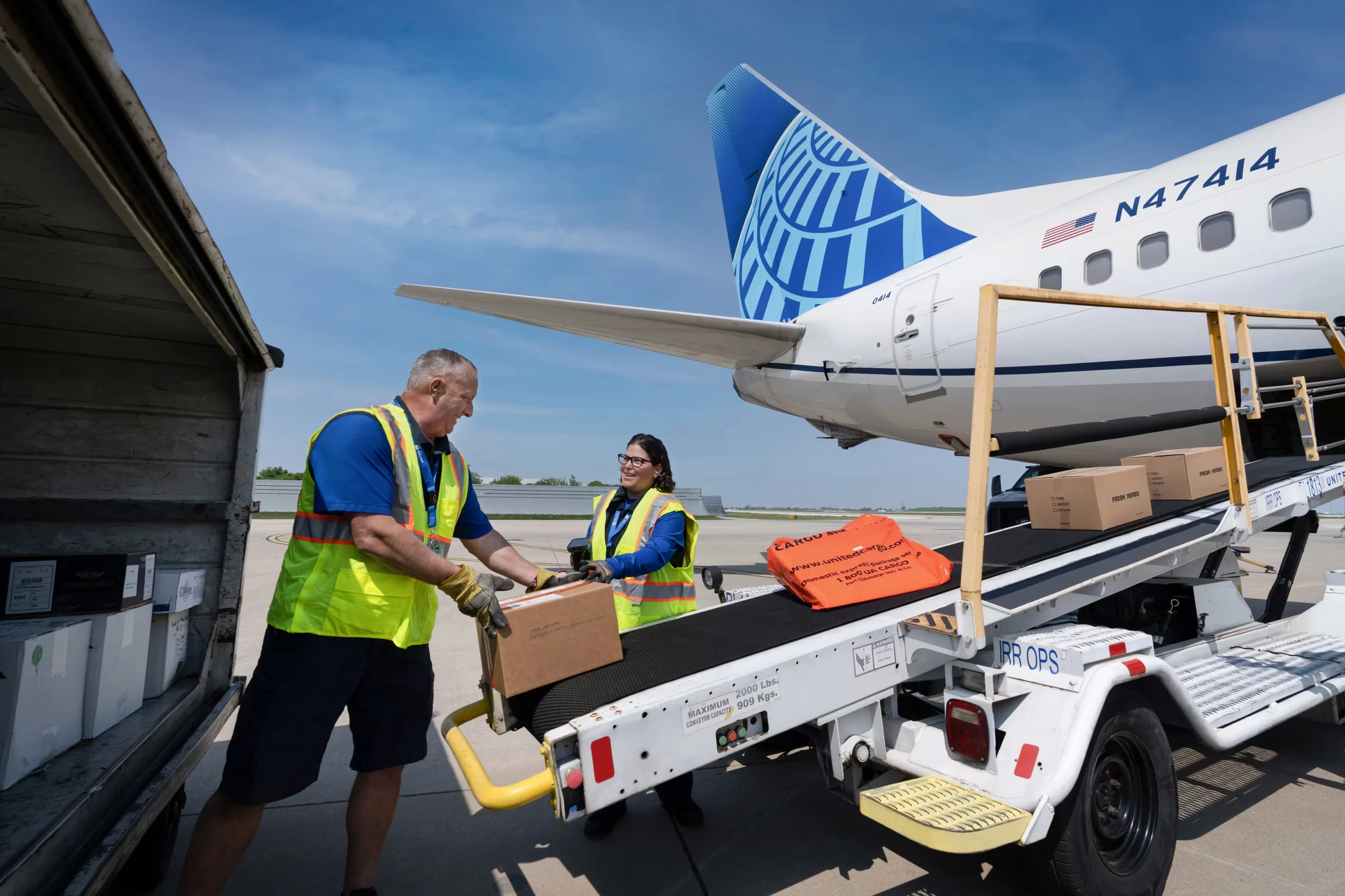
Fleetwide Cabin Modernization Continues
Beyond aircraft replacements, United is continuing a broad cabin enhancement program across its fleet.
The airline said it remains on schedule to equip 1,000 aircraft with SpaceX Starlink satellite internet before the end of the year. Starlink has already been installed on approximately 450 aircraft, including the carrier’s first widebody aircraft.
Chief Executive Officer Scott Kirby said installation work will continue as quickly as Starlink can supply the required antennas.
Kirby added that improved onboard connectivity, particularly for premium travelers, is expected to strengthen United’s competitive position. The airline still expects Starlink service to be available across its entire fleet by the end of 2027.
Additional cabin upgrades include the installation of more premium seats, improved seatback entertainment systems, and larger overhead storage bins. United believes these improvements will contribute to stronger margins over time.

Strong Financial Performance Despite Higher Fuel Costs
United announced the fleet plans alongside solid second-quarter financial results.
The airline generated operating revenue of $17.7 billion during the quarter, a 16% increase compared with the same period last year. Net income reached $805 million, while adjusted earnings came in at $1.99 per share, near the upper end of the company’s guidance.
Although the results exceeded Wall Street expectations, United’s shares declined in after-hours trading as investors focused on increasing fuel expenses.
The airline also raised its full-year 2026 adjusted earnings forecast to between $9.00 and $11.00 per share despite expecting fuel costs to rise by nearly $6 billion.
Fuel spending totaled $5.1 billion during the quarter, up 84% year over year. Revenue growth remained broad, with premium products increasing 16%, Basic Economy and loyalty revenue each rising 11%, and cargo revenue climbing 23%.
.jpg)
Margin Targets Tied to Industry Changes
Kirby said United’s long-term objective of achieving operating margins in the mid-teens will depend partly on broader changes across the airline industry.
He noted that several competing airlines are expected to post losses this year because of significantly higher fuel prices.
According to Kirby, many competitors continue to operate routes that are unprofitable on an individual basis, adding that those market conditions are likely to change over time.