The U.S. Air Force wants nearly 28,000 low-cost cruise missiles within five years. The Pentagon confirmed the plan on July 15, 2026, when it signed new framework agreements with three defense contractors. According to TWZ, the deals support the Family of Affordable Mass Missiles (FAMM) program, a Department of War effort to mass-produce cheap standoff weapons.
The three companies are Anduril, CoAspire, and Zone 5 Technologies. Each signed a seven-year, firm-fixed-price agreement with minimum quantity floors. The deals still need congressional appropriations before full production can begin. The push responds to years of dwindling U.S. missile stockpiles.
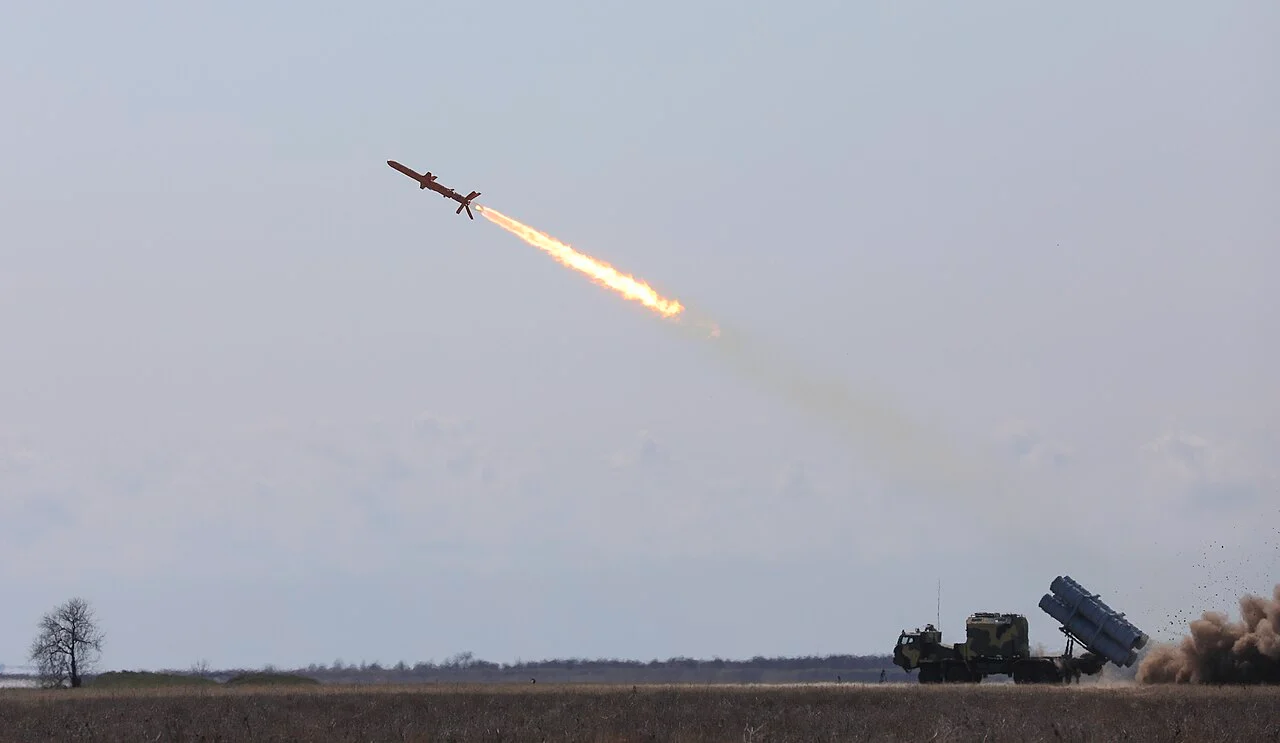

Air Force Targets 28,000 FAMM Missiles By 2031
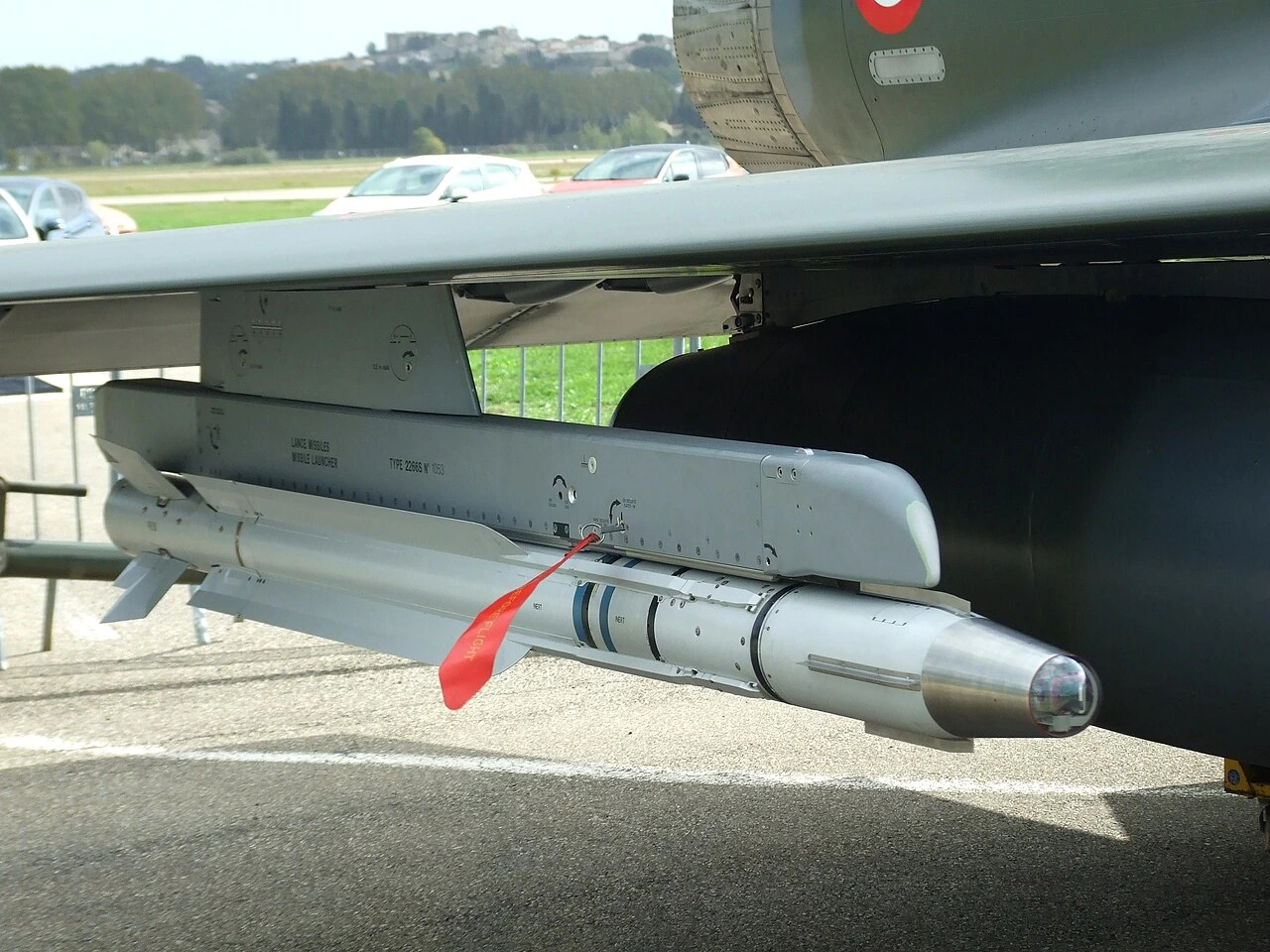
FAMM covers two main missile types. FAMM-L, or “lugged” missiles, launch directly from hardpoints on fighters and bombers. FAMM-P, or “palletized” missiles, drop from cargo aircraft using deployment boxes.
The Air Force is also developing an extended-range version called FAMM-BAR. BAR stands for “Beyond Adversary’s Reach.” This variant is meant to strike targets more than 1,200 miles away, including slow-moving ships.
Budget documents show the buy will ramp up slowly at first. The Air Force requested $355 million for 1,000 missiles in the fiscal 2027 budget. Purchases then grow sharply through 2031.


Budget Numbers Show a Steep Five-Year Ramp-Up
The Future Years Defense Program lays out the full spending path. Here is how the buy grows year by year:
- FY2027: $355 million for 1,000 missiles
- FY2028: $1.85 billion for 5,300 missiles
- FY2029: $2.3 billion for 5,920 missiles
- FY2030: $4.03 billion for 7,700 missiles
- FY2031: $4.13 billion for 7,990 missiles
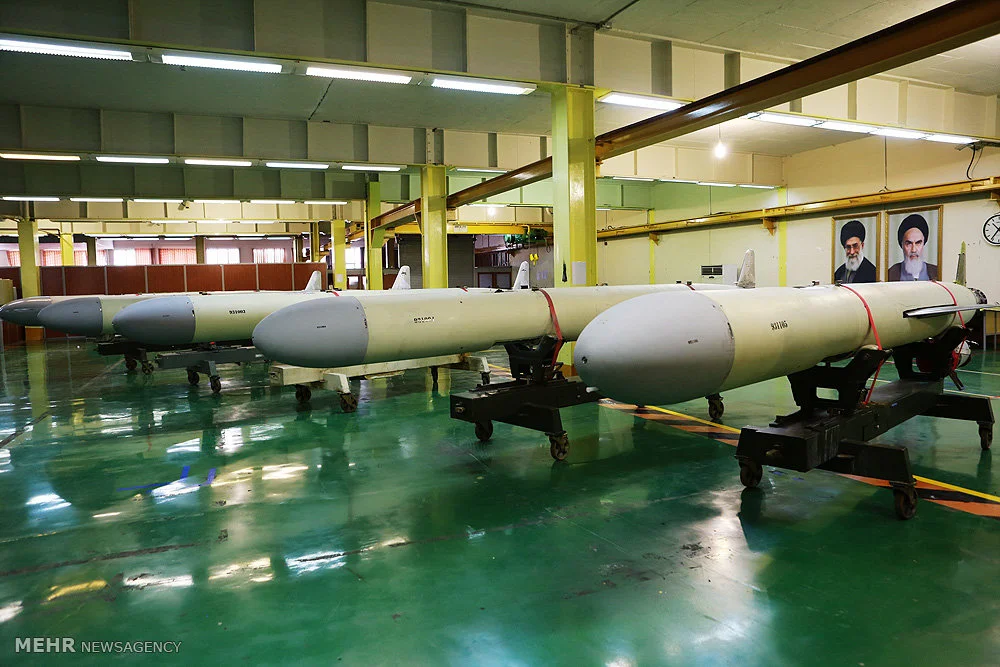
These figures put the total program cost at roughly $12.6 billion for 28,000 missiles, Defense News reported. That works out to about $218,000 per missile on average. A single Joint Air-to-Surface Standoff Missile Extended Range (JASSM-ER) costs roughly six times more than one FAMM round.
.jpg)
Three Contractors Join the FAMM Framework Agreements
The Pentagon named Anduril, CoAspire, and Zone 5 as the initial FAMM vendors. Anduril is based in California. CoAspire is headquartered in Virginia, and Zone 5 runs its U.S. operations out of California.
Michael P. Duffey, the Undersecretary of Defense for Acquisition and Sustainment, framed the deals as part of a broader industrial strategy, and was quoted as having said the agreements show the department expanding the defense industrial base, fielding capabilities faster, and attracting private investment.
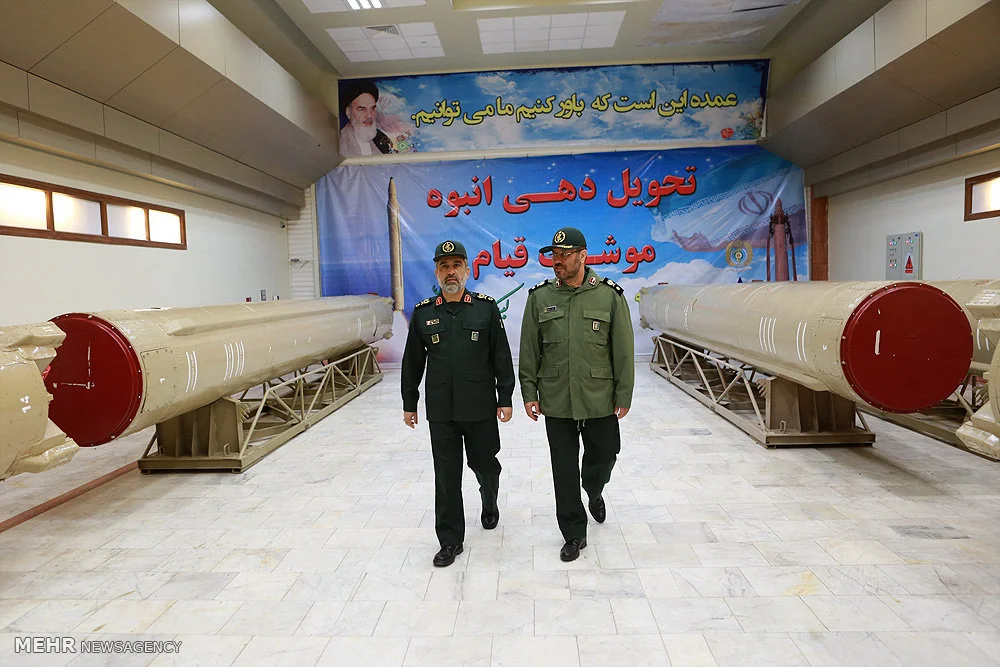
The Pentagon says the framework structure rewards speed. Contractors that beat production schedules can win additional orders, pending further congressional appropriations. The department also says it will keep the door open to new vendors as the program matures.
.jpg)
Anduril’s Barracuda-500 Leads the Air Force Cruise Missile Push
Anduril will supply versions of its Barracuda-500 design under FAMM. The company plans to begin deliveries under the program next year. Anduril first unveiled the broader Barracuda family of “expendable autonomous air vehicles” in 2024.
The company says testing has already gone well. It joined the FAMM-L effort in February 2026 and will run its first flight tests of the lug-launched variant soon, while noting it has already logged dozens of successful flights of the pallet-launched version since 2024. At least one Barracuda-500 variant reportedly holds the official U.S. military designation AGM-189A.
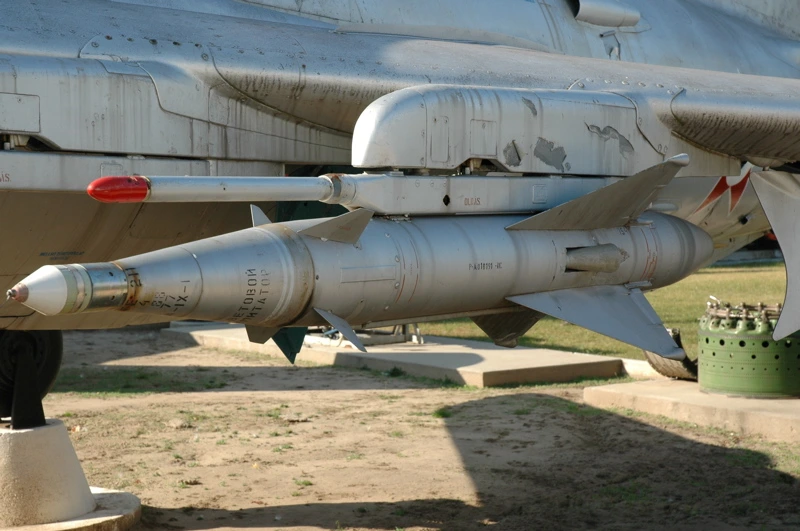

Zone 5’s AGM-188A Rusty Dagger Adds a Combat-Tested Design
Zone 5 will offer its AGM-188A Rusty Dagger missile for the FAMM program. The missile has already seen real-world use. Zone 5 has confirmed that Rusty Dagger deliveries to Ukraine are underway, though it remains unclear if Ukrainian forces have used the missile operationally yet.
Zone 5 CEO Thomas Akers tied the missile’s low cost to modern manufacturing methods. He said the goal is to deliver thousands of weapons per year for fighter and cargo aircraft employment without giving up performance. Kongsberg, the Norwegian defense company, acquired Zone 5 in June 2026, adding a European ownership layer to the U.S. missile maker.

CoAspire’s RAACM Rounds Out the Vendor Lineup
CoAspire is offering its Rapidly Adaptable Affordable Cruise Missile, known as RAACM. The company stands out as the only small business in the FAMM framework group. CoAspire says it works with 56 first-tier suppliers spread across nearly every U.S. state.
CoAspire’s founder and CEO, Doug Denneny, called the deal a milestone for the company. He said it marks a true commitment to expand the defense industrial base while growing jobs across the US, based on the company’s own statement. Reports also note CoAspire uses 3D-printing methods to help keep production costs down.

FAMM Compares to the Parallel LCCM Ground-Launched Missile Program
FAMM is not the Pentagon’s only mass-missile push this year. In May 2026, the Department of War signed similar framework deals for the Low-Cost Containerized Missiles (LCCM) program. That effort targets roughly 10,000 ground-launched cruise missiles by 2029.
Anduril, CoAspire, and Zone 5 all won LCCM contracts too, alongside Leidos. The Pentagon separately signed Castelion to build 12,000 low-cost Blackbeard hypersonic missiles under a related effort. Together, FAMM and LCCM show the department betting on the same small group of newer contractors across air, land, and sea-launched weapons.
Both programs also share a common technical root. Rusty Dagger and RAACM were developed initially under the Air Force’s Extended Range Attack Munition (ERAM) program, which focused on getting cheap standoff weapons to Ukraine quickly. ERAM is now feeding directly into the larger FAMM effort.
Why The Pentagon Wants Cheaper Mass-Produced Missiles
Recent conflicts exposed how fast the U.S. can burn through expensive precision weapons. A Center for Strategic and International Studies review found U.S. forces used more than 1,100 JASSMs out of an estimated 4,400 in the inventory before recent fighting. JASSMs also take about two years to move from order to delivery.
Air Force Vice Chief of Staff David Wilsbach has said FAMM production is set to start this fall. DefenseScoop reported that the service plans to buy nearly 28,000 FAMM weapons over the next five years once manufacturing ramps up. The broader goal is a missile the Air Force can afford to fire in large numbers against a well-defended adversary.
Analysts see this as part of a bigger shift in Pentagon buying habits. The department is steering major new contracts toward newer entrants instead of long-established prime contractors. This mirrors moves to avoid vendor lock-in and to keep intellectual property rights under tighter government control across major weapons programs.