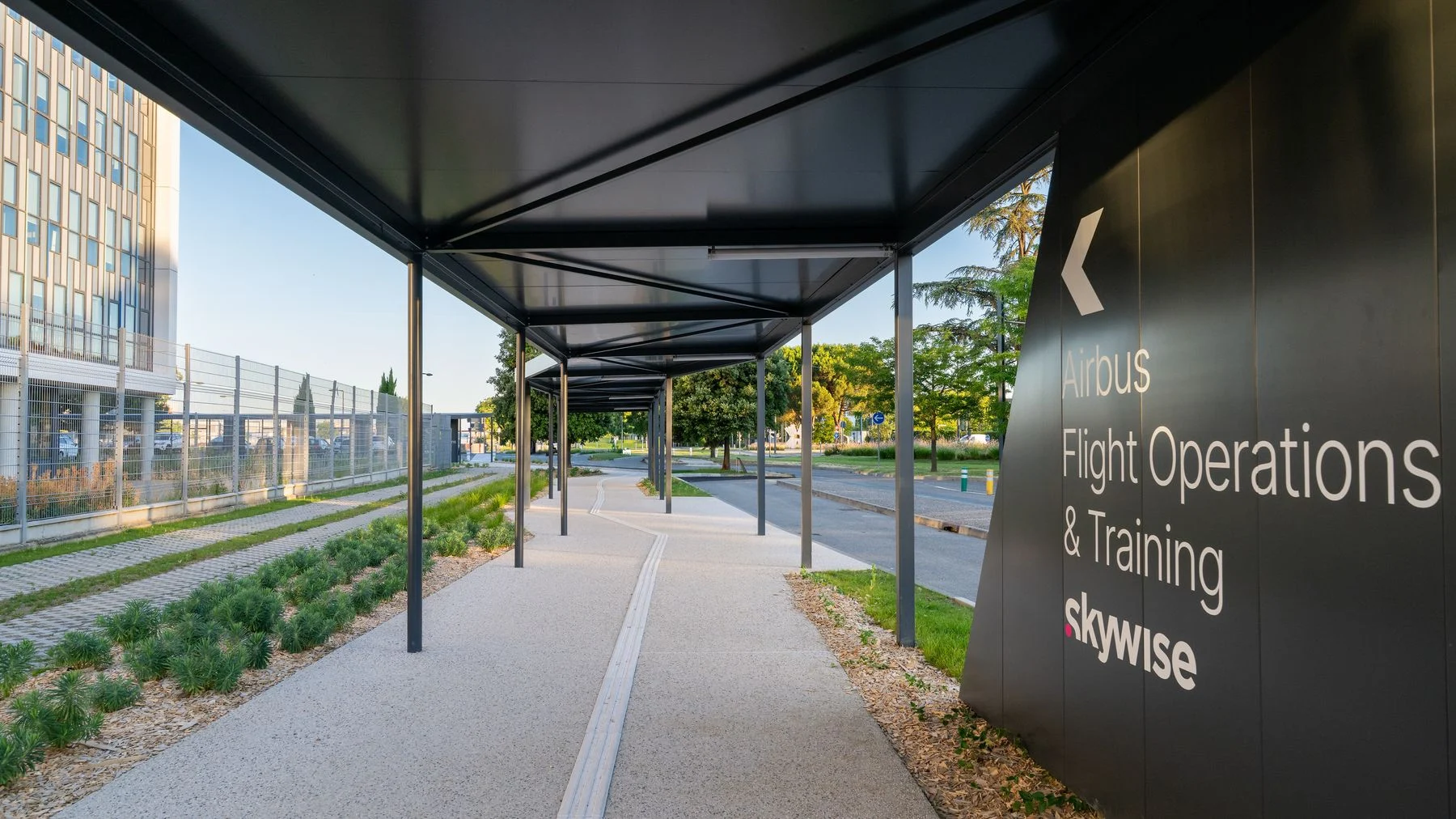
Airbus, the aerospace giant that has manufactured a helicopter that landed at the top of Everest, that has opened a new training campus in Toulouse, France, designed to prepare pilots, maintenance technicians and cabin crew for a fleet that keeps growing. The Toulouse Airbus Flight Operations & Training Skywise Campus has been fully operational since mid-June 2026. It will welcome roughly 9,000 international trainees a year and house 650 co-located Airbus employees, running 24 hours a day, seven days a week.
The campus opens as the aviation industry faces a steep hiring challenge. Airbus says the global fleet will need more than two million additional pilots, technicians and cabin crew over the next 20 years, and the Toulouse facility is built to help meet that demand. It sits at Toulouse-Blagnac, the same site where Airbus assembles many of its aircraft.
What The New Campus Actually Offers
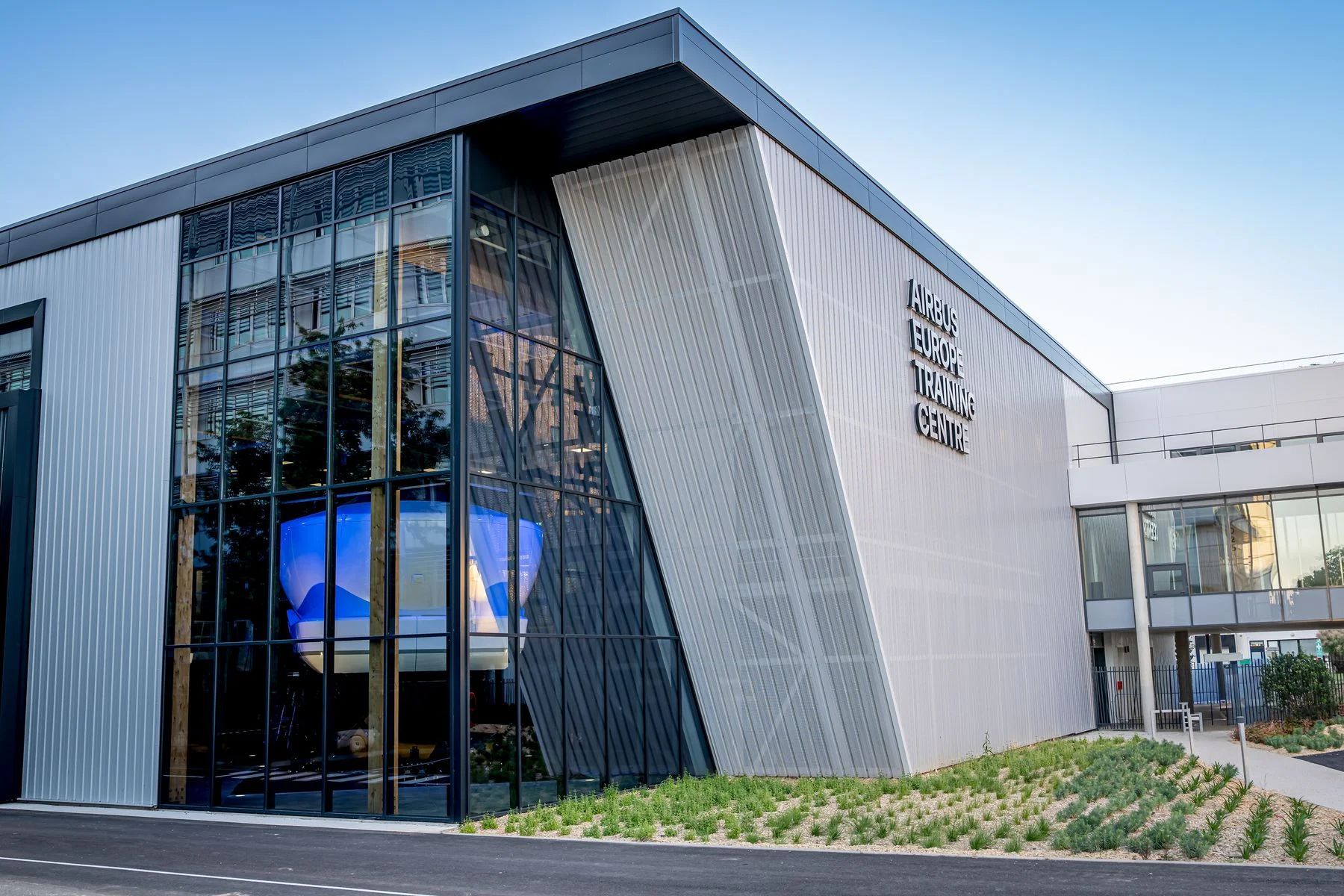
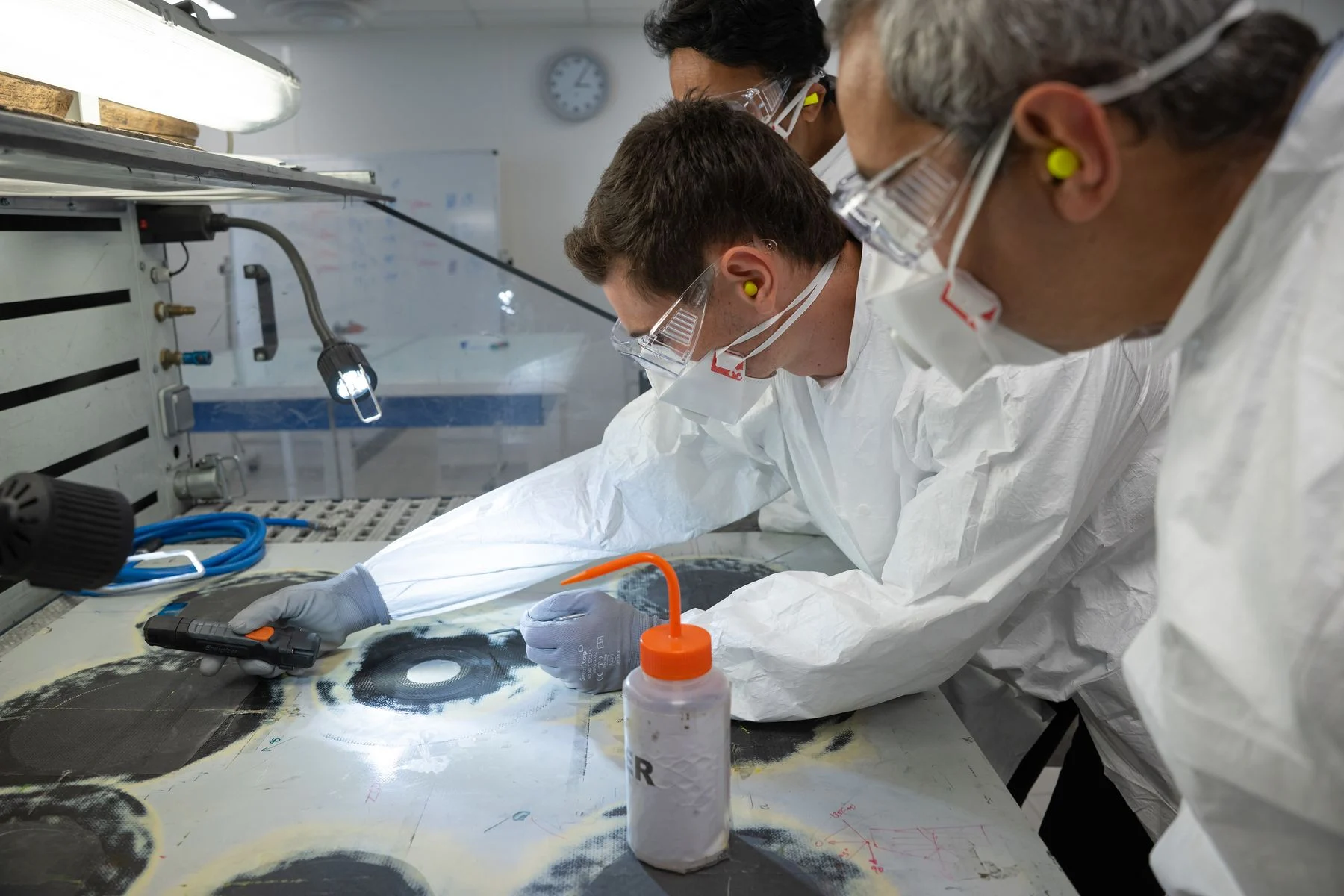
The facility brings together training that used to be split across separate locations. It houses full flight simulators, 2,000 square metres of technical classrooms, structure labs for maintenance training, and a digital showroom highlighting Airbus’s software and data tools. Airbus Training Services now shares the site with Flight Operations and Skywise, the company’s digital services arm.
Maia Kuilenberg, Airbus’s head of training services, said stay lengths vary by trainee type. Our customers are hosted at the Campus for between one and seven weeks, Kuilenberg told Airbus. The Toulouse site alone issues roughly 10,000 of the 22,000 training certificates Airbus awards worldwide each year.
Why Airbus Says the Timing Is Critical
Airbus’s in-service fleet now numbers more than 13,000 aircraft, and that number keeps climbing. The company’s Global Services Forecast projects a need for 2.35 million new aviation professionals by 2044, broken down into 633,000 pilots, 705,000 technicians and 1.01 million cabin crew, according to Airbus’s own forecast. Much of that demand comes from replacing an aging workforce in mature markets alongside fleet growth in emerging ones.
The Toulouse campus was designed with this figure in mind from the start. Airbus first announced the project in September 2024, citing the same workforce forecast as its justification for the investment. The campus is now the largest of Airbus’s training centres worldwide and the only one of its kind in Europe.
Architecture Built Around Trainee Comfort
Airbus describes the building’s design as guided by a philosophy of care and respect for the people who use it. The campus earned BREEAM ‘Very Good’ certification, a European sustainability rating, for its low-carbon footprint, water management and use of renewable energy.
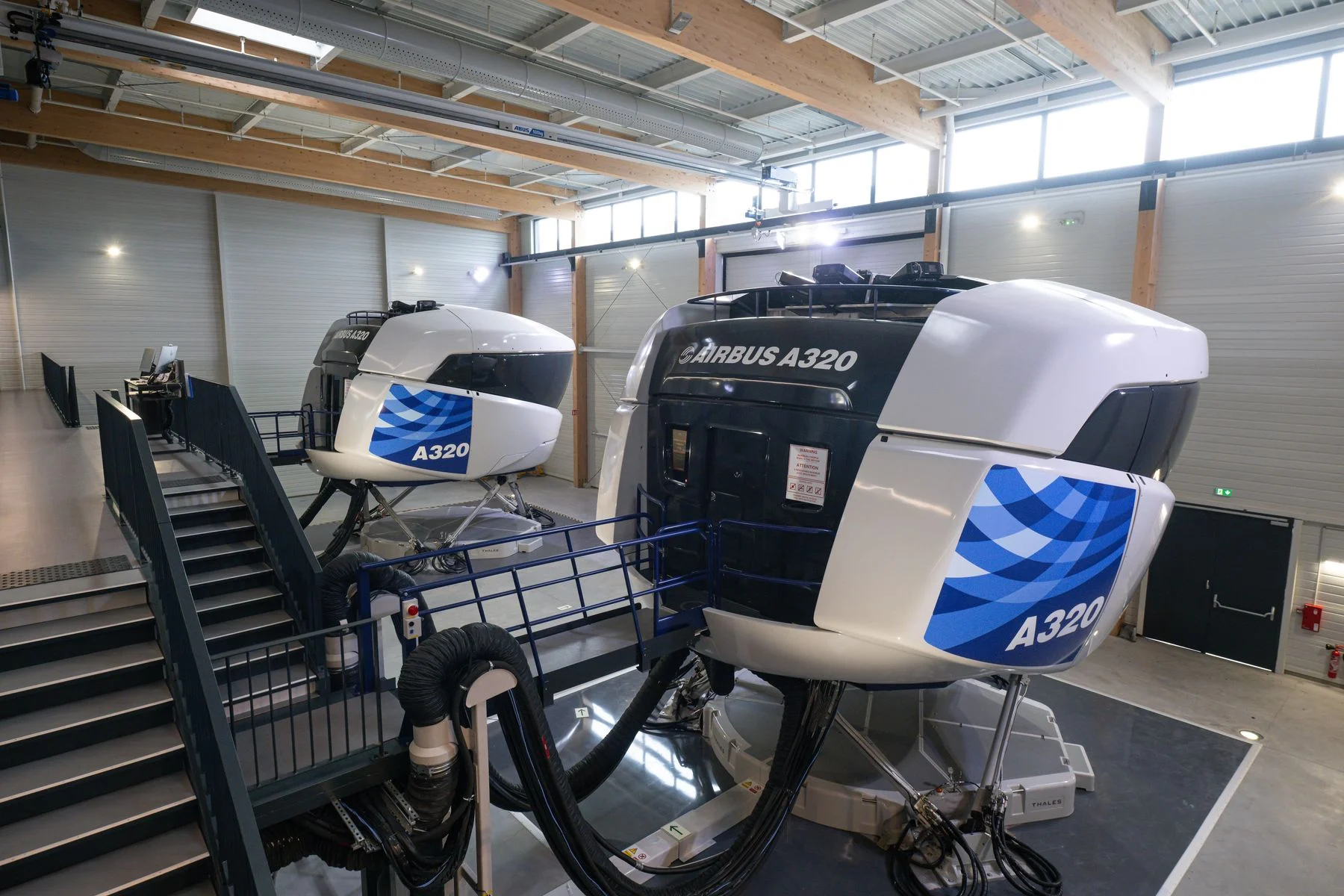
The most visible design choice is what Airbus calls the “simulators as protagonists” concept. Rather than hiding full flight simulators in enclosed bays, as most training centres do, the Toulouse campus puts them behind large glass facades. Trainees and visitors can see the simulators from both outside the building and from indoor relaxation areas.
How Digital Tools Fit Around the Simulator
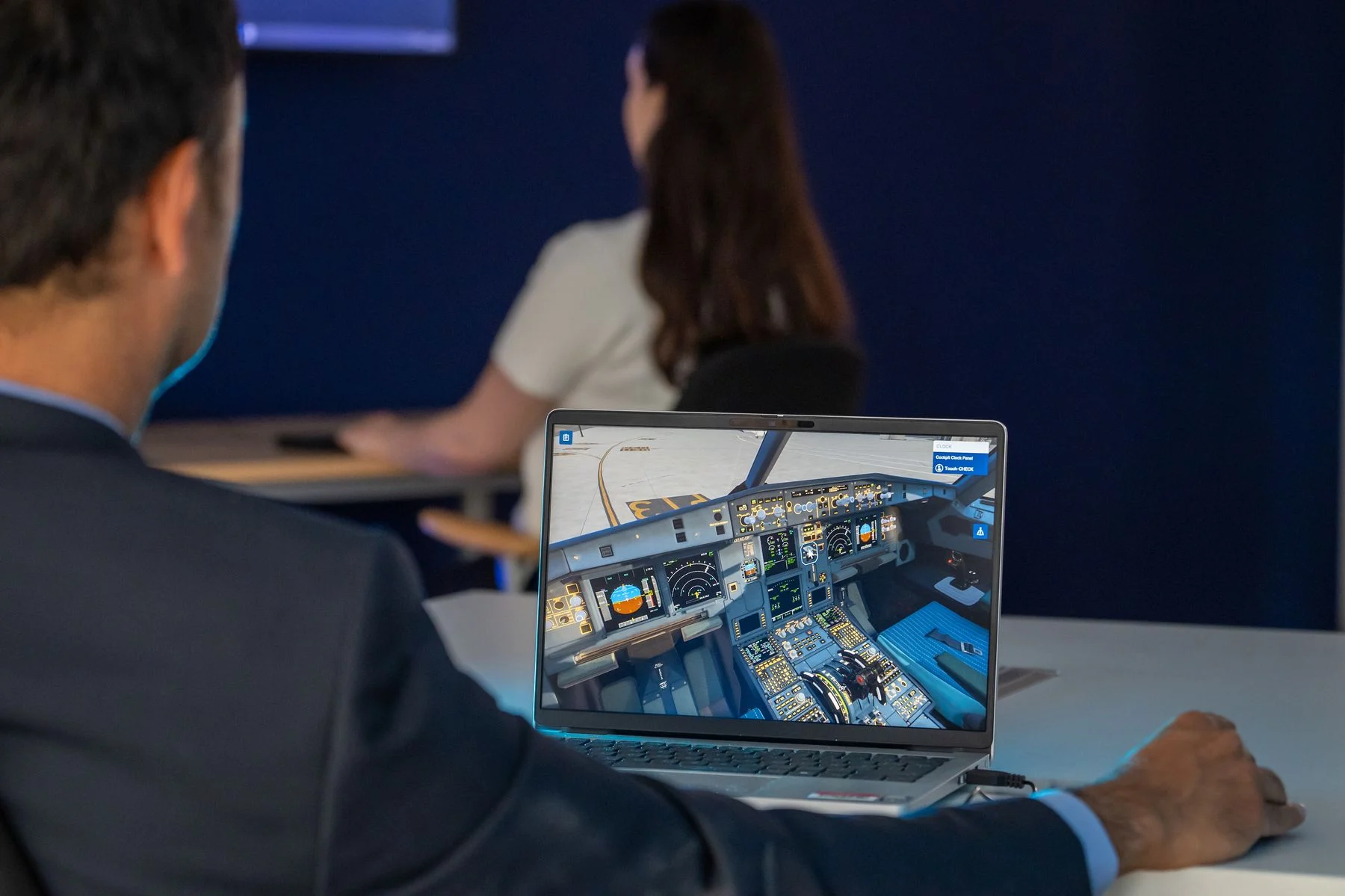
Learning at the campus starts before anyone touches a simulator. Trainees use fully digital flight training tools to practice procedures inside the classrooms first. Airbus treats this digital layer as a complement to hands-on training rather than a replacement for it.
The approach lets trainees study procedural knowledge on their own time, including from home or an airport lounge, so that in-person simulator sessions can focus on different priorities. Those sessions emphasize:
- Crew coordination between multiple flight or maintenance staff
- Real-time decision making under pressure
- Face-to-face instruction from experienced flight instructors
Once trainees do reach the simulator bays, the facility can house up to 12 full flight simulators, each using 100% electrical motion systems and realistic visuals tailored to specific airline fleets. All programs follow Airbus’s standard flight training methodology, delivered by instructors with real-world operational experience.
How This Compares to Boeing’s Own Workforce Forecast
Airbus is not alone in flagging this hiring gap, and its rival’s numbers land in almost the same range. Boeing’s 2025 Pilot and Technician Outlook projects the industry will need nearly 2.4 million new aviation professionals through 2044, including 660,000 pilots, 710,000 technicians and 1 million cabin crew, Boeing said in a PR Newswire release. The two manufacturers’ forecasts differ by less than 100,000 people out of well over two million.
That overlap says something about how both companies now treat training capacity as a competitive investment, not just a support service. Boeing has expanded its own training centre network in parallel with these forecasts, while Airbus points to Toulouse as proof it is acting on the numbers rather than just publishing them.
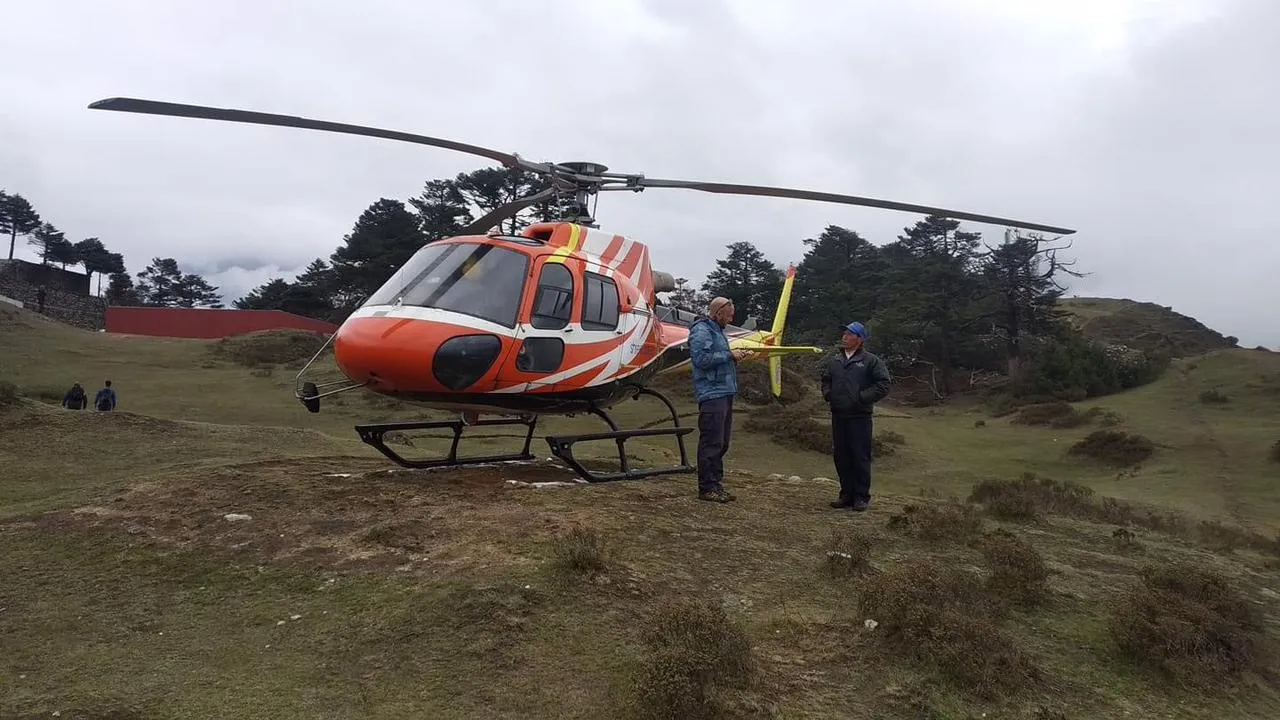
Photo: Ajendra Rai | aviospace.org
A Rollout Built in Stages
The Toulouse campus did not appear overnight. Airbus first announced the project in September 2024, with an initial target of welcoming trainees sometime in 2026. By February 2026, Airbus confirmed it was progressively opening the site, with General Manager Yasmine Seffar Andaloussi describing it as more than a simple relocation. Far from a simple relocation, this new centre represents a major upgrade, Andaloussi said.
That February update also noted the facility was designed to double its simulator fleet and increase trainee throughput by 50% compared with the previous site. The July 2026 announcement confirms that staged rollout is now complete, with the campus fully operational since mid-June.