A 20-year-old woman has filed a negligence lawsuit against Southwest Airlines (WN), alleging the airline let an intoxicated passenger board her flight and then served him more alcohol while he repeatedly touched her without consent. The incident happened on August 9, 2024, aboard Southwest Flight 3548 from Seattle-Tacoma International Airport (SEA) to Sacramento, according to the complaint reported by MyNorthwest. The man, identified in court filings as Jeff Lorenzo, has since pleaded guilty in federal court to a related criminal charge.
The lawsuit was filed this week in Washington state and names both Lorenzo and Southwest as defendants. Seattle aviation attorney Mark Lindquist represents the plaintiff and argues the airline broke federal rules that bar intoxicated passengers from boarding. Southwest has not yet responded to the allegations in court, and no trial date has been set.

What The Complaint Says Happened on Flight 3548
The plaintiff was one of the last passengers to board and took the only open seat, a middle seat between Lorenzo and one of his coworkers. The complaint alleges Lorenzo had been drinking before he reached the airport and then had several more beers and shots at a bar inside Sea-Tac. He reportedly struggled to board in the correct group and appeared visibly intoxicated at the gate.
Despite this, the lawsuit claims, Southwest allowed him onto the aircraft and seated the plaintiff directly beside him. Flight attendants then served him at least two additional alcoholic drinks during the flight, according to the complaint. His intoxication reportedly increased as the flight went on.
The Touching Allegations at the Center of the Lawsuit
The complaint describes a pattern of unwanted contact that continued for much of the flight. It alleges Lorenzo repeatedly touched the plaintiff’s body, lifted the shared armrest, and grazed her leg. It also alleges he dropped his phone near her feet and near his own lap on separate occasions, positioning her within his personal space each time.
The lawsuit argues this conduct was frequent and prolonged enough that Southwest’s crew knew or should have known what was happening. It lists several elements of the alleged pattern:
- Repeated unwanted physical contact over the course of the flight
- Lifting the armrest between the two seats multiple times
- Two staged incidents involving a dropped phone that put the plaintiff in close physical proximity to Lorenzo
- No intervention from flight attendants despite the repeated conduct
Lorenzo Has Already Pleaded Guilty in a Related Federal Case
Lorenzo, 40, of Winters, California, pleaded guilty to sexual assault within the special aircraft jurisdiction of the United States and was sentenced to 30 days in prison, the U.S. Attorney’s Office for the Eastern District of California announced. U.S. Magistrate Judge Sean C. Riordan imposed the sentence following an investigation by the Federal Bureau of Investigation. Prosecutors said Lorenzo willfully and repeatedly touched the woman without her consent during the flight.
Coworkers told investigators that Lorenzo had a history of behaving inappropriately toward women, prosecutors said. The civil complaint separately notes that in his plea, Lorenzo admitted to being intoxicated before boarding and to drinking further during the flight. The criminal case gives the civil lawsuit a documented factual record to build on.
Attorney Says Southwest Ignored Its Own Alcohol Policy
Lindquist argues the case turns on rules the airline is supposed to follow before anyone boards. Southwest not only let this drunk board the plane, but kept serving him alcohol, Lindquist told MyNorthwest. Federal Aviation Administration regulations prohibit airlines from boarding passengers who are visibly intoxicated, precisely because drunk passengers can pose a safety risk to others in the cabin.
The complaint also points to years of federal warnings about in-flight sexual misconduct that it says Southwest ignored. It cites the FAA Reauthorization Act of 2018, the Department of Transportation’s National In-Flight Sexual Misconduct Task Force, and FBI alerts about rising assault numbers. Despite those warnings, the lawsuit alleges, Southwest failed to properly train crew members to recognize and respond to assaults involving intoxicated passengers.
A Broader Pattern of Lawsuits Against Southwest Over In-Flight Assaults
This is not the first time Southwest has faced this kind of claim. In July 2024, law firm Greenberg Gross filed a separate lawsuit alleging Southwest failed to protect a 16-year-old boy from a sexual assault on a flight from Las Vegas to Portland, seating him between two adult strangers. Attorney Daniel Cha said the case showed conduct that reflects a broader systemic failure.
That 2024 case referenced an earlier, similar incident from December 2019, when a 13-year-old girl was seated next to an intoxicated adult man on a Southwest flight out of Las Vegas and was later assaulted. Southwest settled that case in 2022. Taken together, the pattern raises the same underlying question in each lawsuit: whether Southwest’s seating and boarding practices put strangers next to vulnerable passengers without enough oversight from crew.
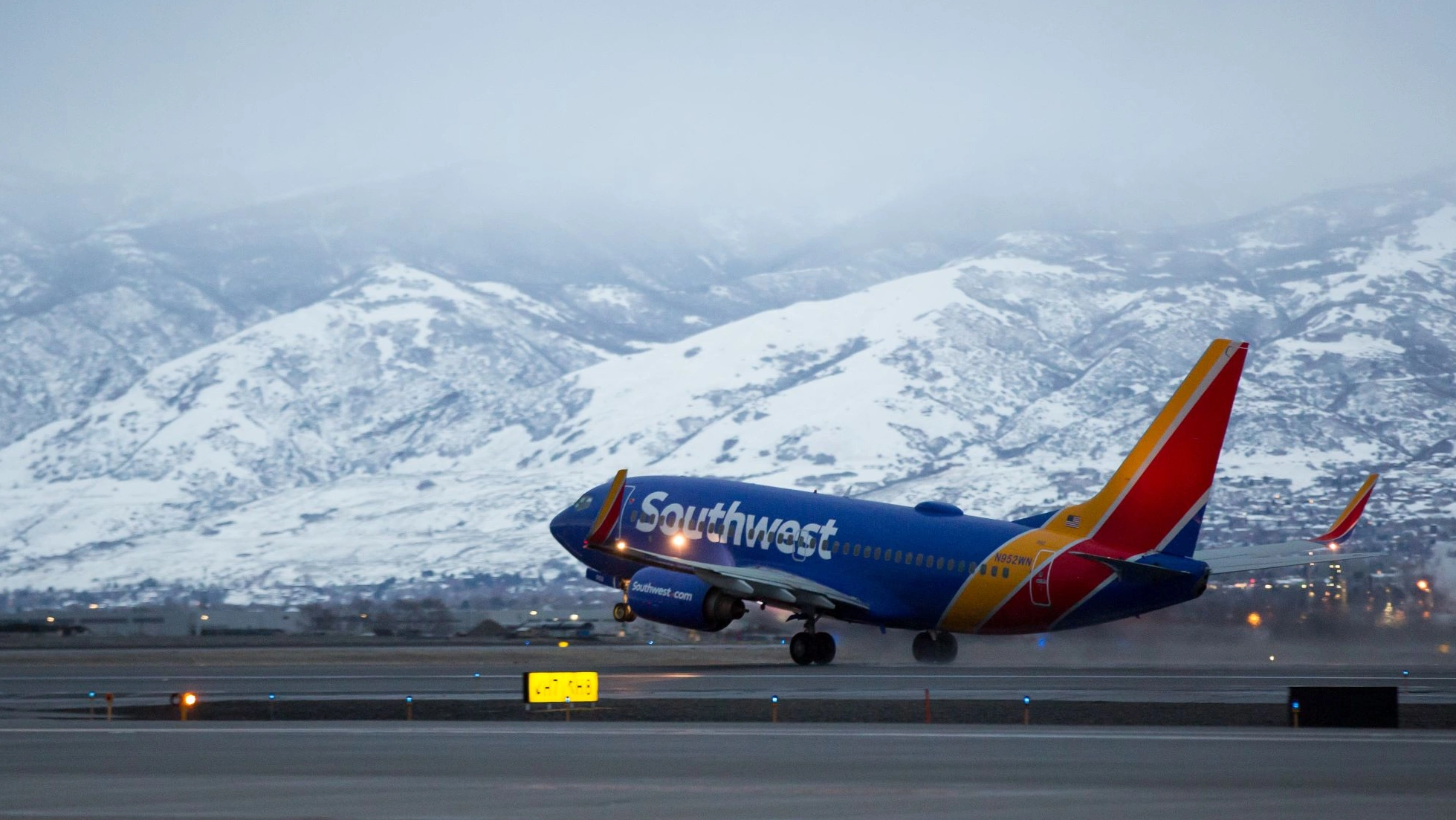
How This Case Fits a Wider Rise in Reported In-Flight Assaults
The Southwest lawsuit lands amid a documented increase in reported sexual assaults on U.S. flights generally. The FBI investigated more than 170 cases of passengers assaulting other passengers in 2024, up from roughly 130 the year before. Researchers and advocates who track the issue believe the true number is higher, since many incidents are handled by local airport police and never reach federal authorities.
Alcohol, dark cabins, and close-quarter seating are recurring factors across these cases, investigators have said. The pattern mirrors the specific allegations in the Flight 3548 complaint, where intoxication and a shared middle seat are central to the plaintiff’s negligence claim against the airline.

All in All
Southwest has not filed a formal response to the civil complaint, and no trial date has been scheduled. The case will likely turn on whether Southwest’s gate and cabin crew reasonably should have identified Lorenzo’s intoxication before serving him more alcohol in the air. As a common carrier, the lawsuit argues, Southwest owes passengers its highest duty of care, including protection from assaults by fellow passengers.
The outcome could shape how airlines are expected to train staff on intervening in similar situations going forward. For now, the case adds to a growing body of litigation testing how far that duty of care extends once a flight leaves the gate.