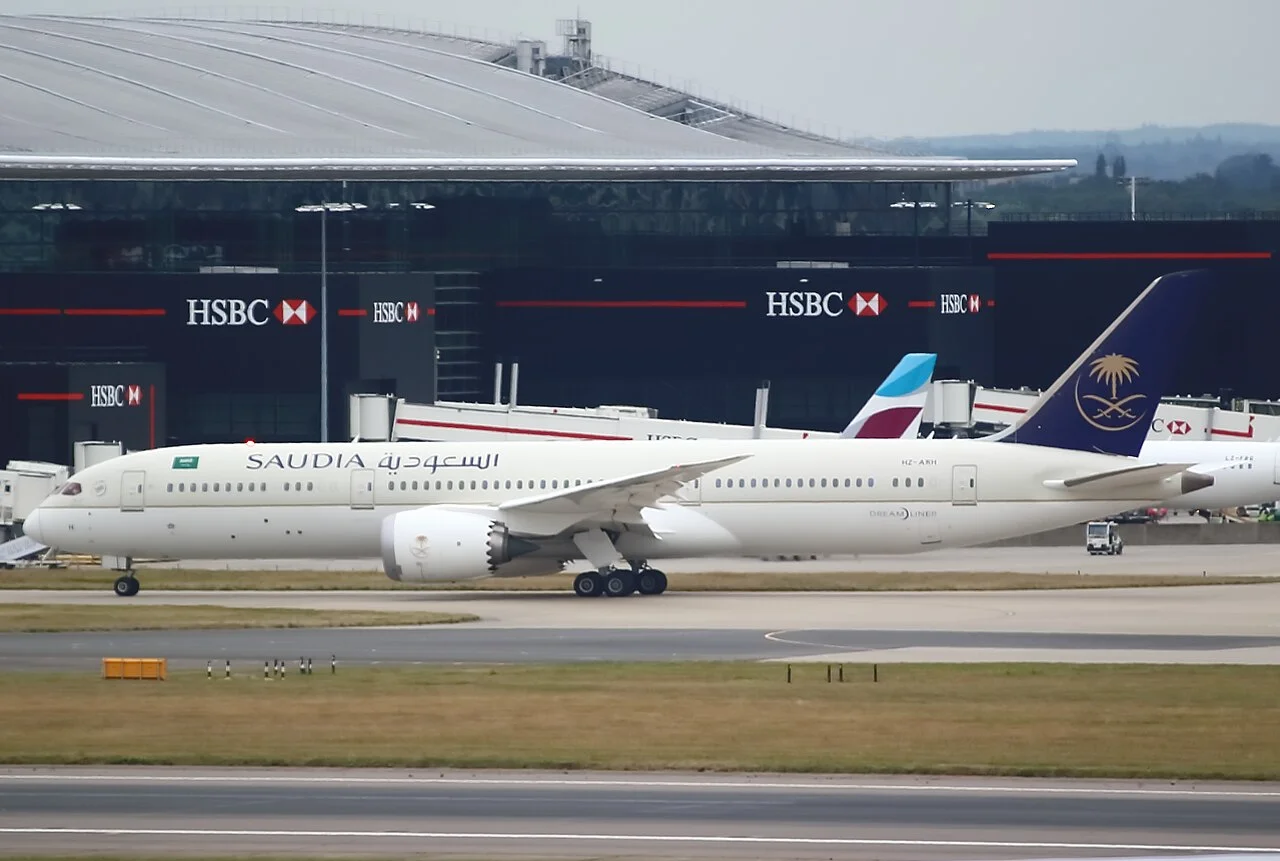
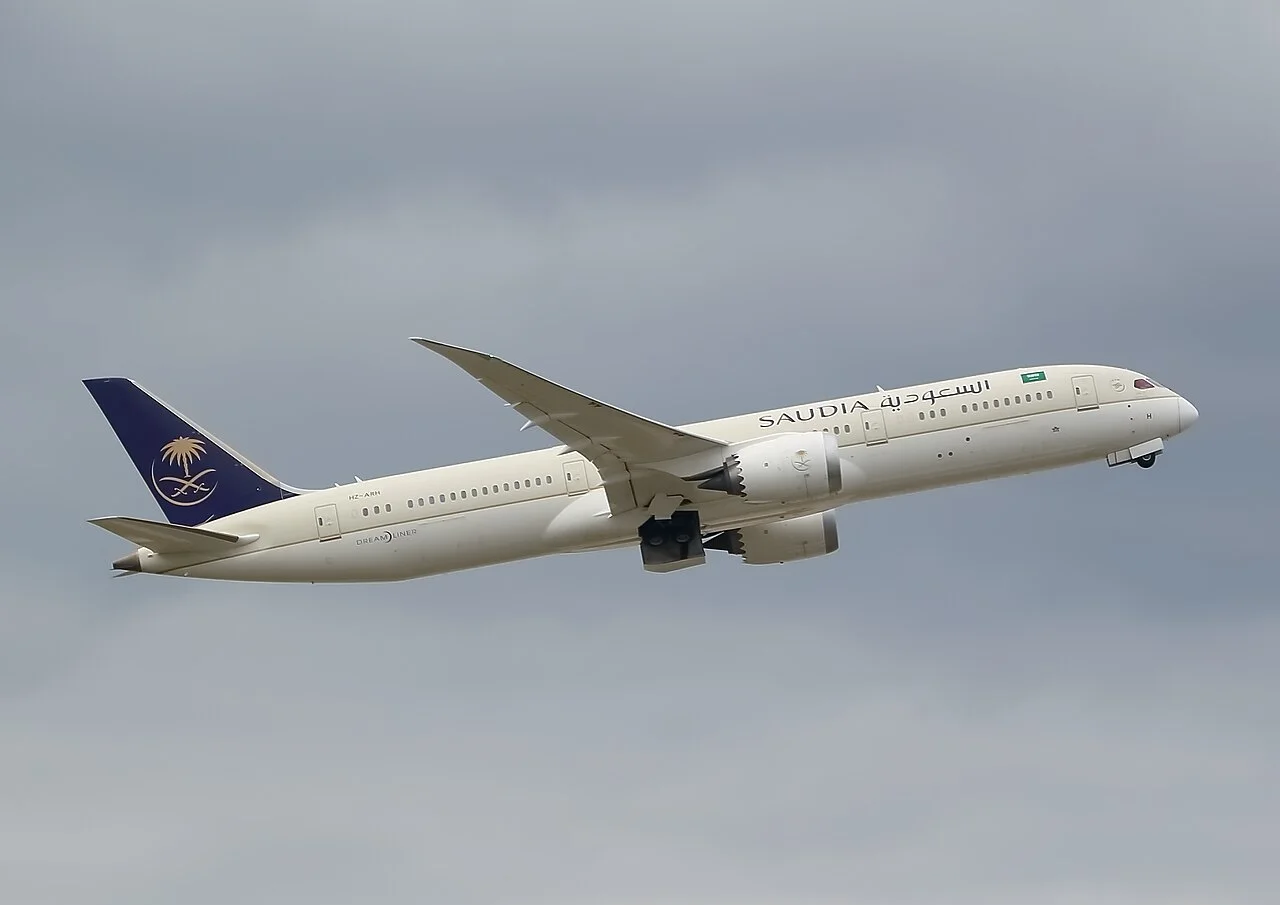
Saudia will launch nonstop flights between Riyadh, Saudi Arabia, and Tokyo, Japan, starting 17th November 2026. The airline will operate the route three times a week using Boeing 787-9 aircraft, departing King Khalid International Airport (RUH) in Riyadh for Narita International Airport (NRT) in Tokyo. The launch was announced in partnership with Saudi Arabia’s Air Connectivity Programme and the Saudi Tourism Authority.
The new service ends a four-year gap in direct travel between the two countries. Saudia last flew to Japan around 2022, serving both Tokyo Narita and Osaka Kansai before dropping the routes. Once flights resume, Saudia becomes the only airline flying nonstop between Saudi Arabia and Japan, giving travellers in both markets a direct alternative to routing through Gulf or Southeast Asian hubs.
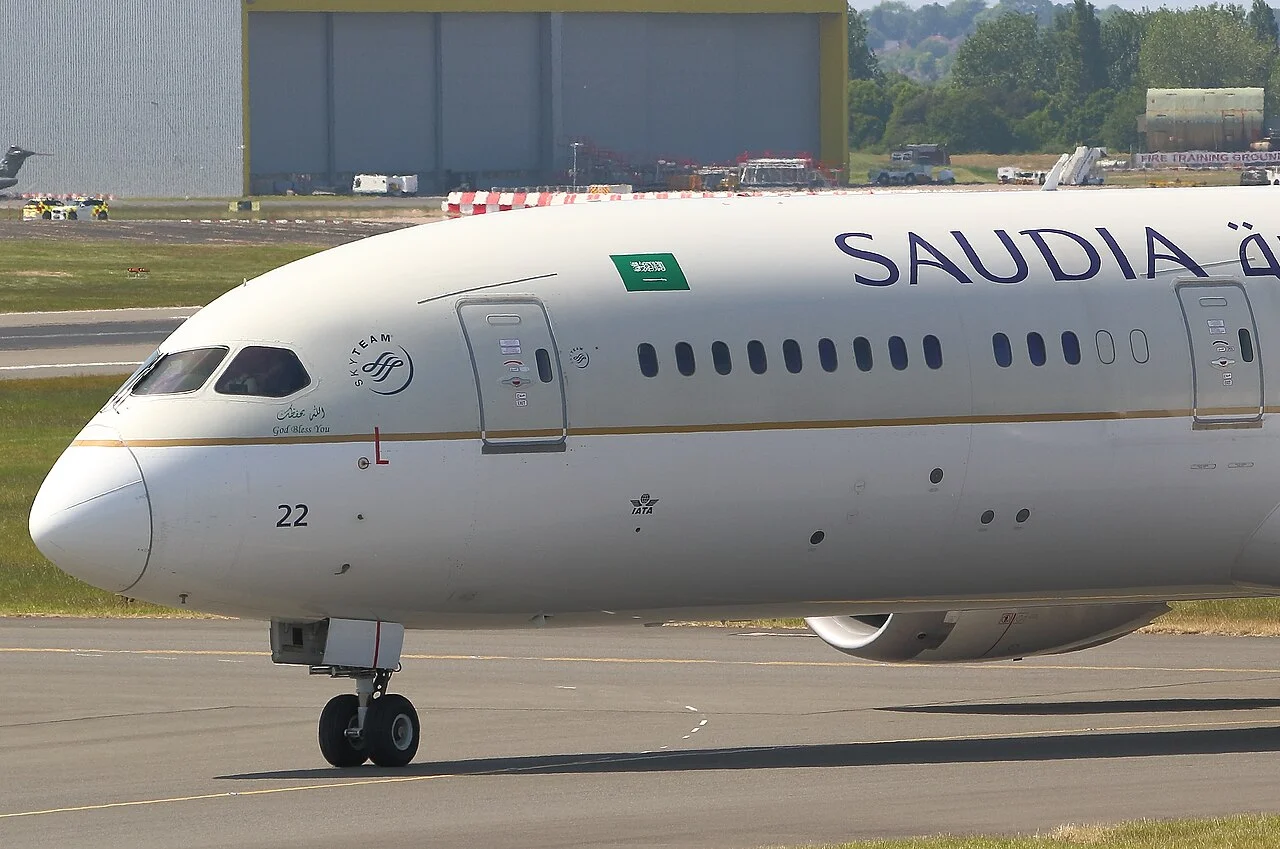
Three Weekly Flights Begin On 17 November 2026
Saudia will operate the Riyadh-Tokyo route on Tuesdays, Thursdays, and Saturdays in both directions. The outbound flight to Narita takes roughly 10 hours and 25 minutes. The return leg to Riyadh runs longer at around 13 hours and 55 minutes, due to prevailing headwinds.
Saudia will use Terminal 1 at Narita Airport for the new service. Tickets are already on sale through the airline’s website and authorised travel agents, even though flights do not begin until November. Industry data tracked by CAPA – Centre for Aviation confirms no other carrier currently operates a nonstop route between the two countries.
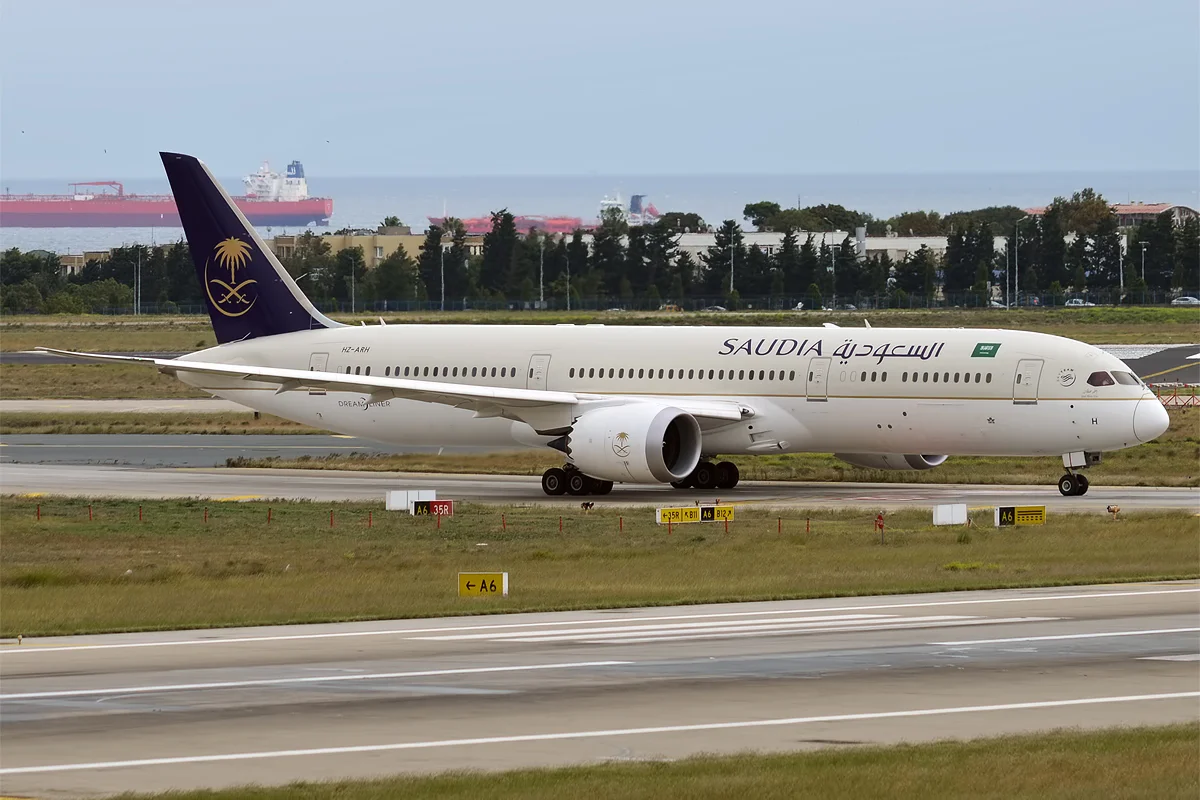
Route Revives Service Saudia Dropped Around 2022
This is not Saudia’s first attempt at the Japanese market. The carrier previously flew to both Tokyo Narita and Osaka Kansai before discontinuing the routes around 2022, according to the airline’s historical route records.
The November 2026 launch marks a return rather than a first-ever entry into Japan. Saudia has not said whether Osaka service will also resume, and the current announcement covers only the Riyadh-Tokyo sector.
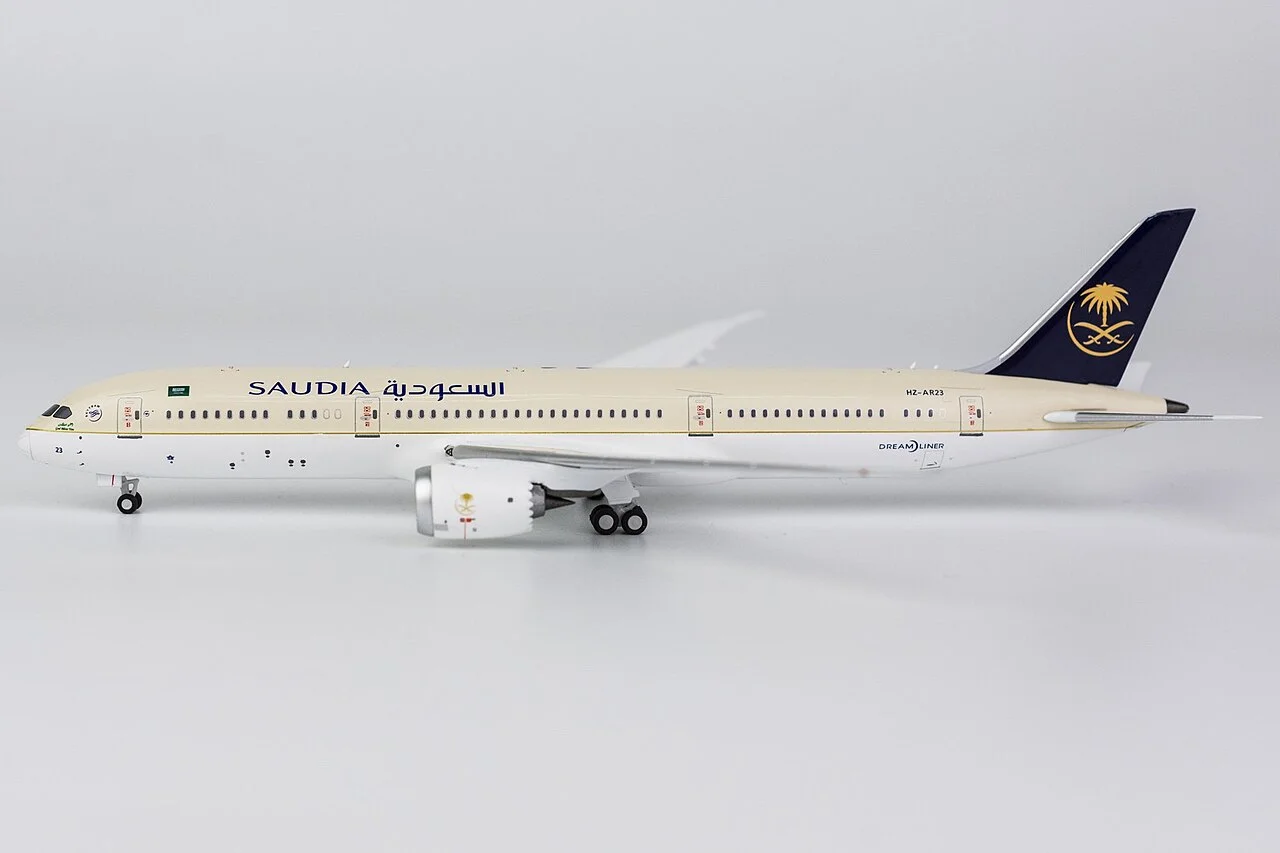
Launch Backed by Air Connectivity Programme and Tourism Authority
Saudia framed the new route as part of a wider push to widen its international network. According to the airline, the service will “strengthen tourism and commercial activity between the two countries” while expanding access to the Kingdom for Japanese visitors.
The Saudi Tourism Authority is working with Japanese travel partners to build tourism packages around the new route. The goal is to draw more Japanese leisure and business travellers to Saudi Arabia’s expanding tourism developments, alongside supporting trade and investment flows in both directions.
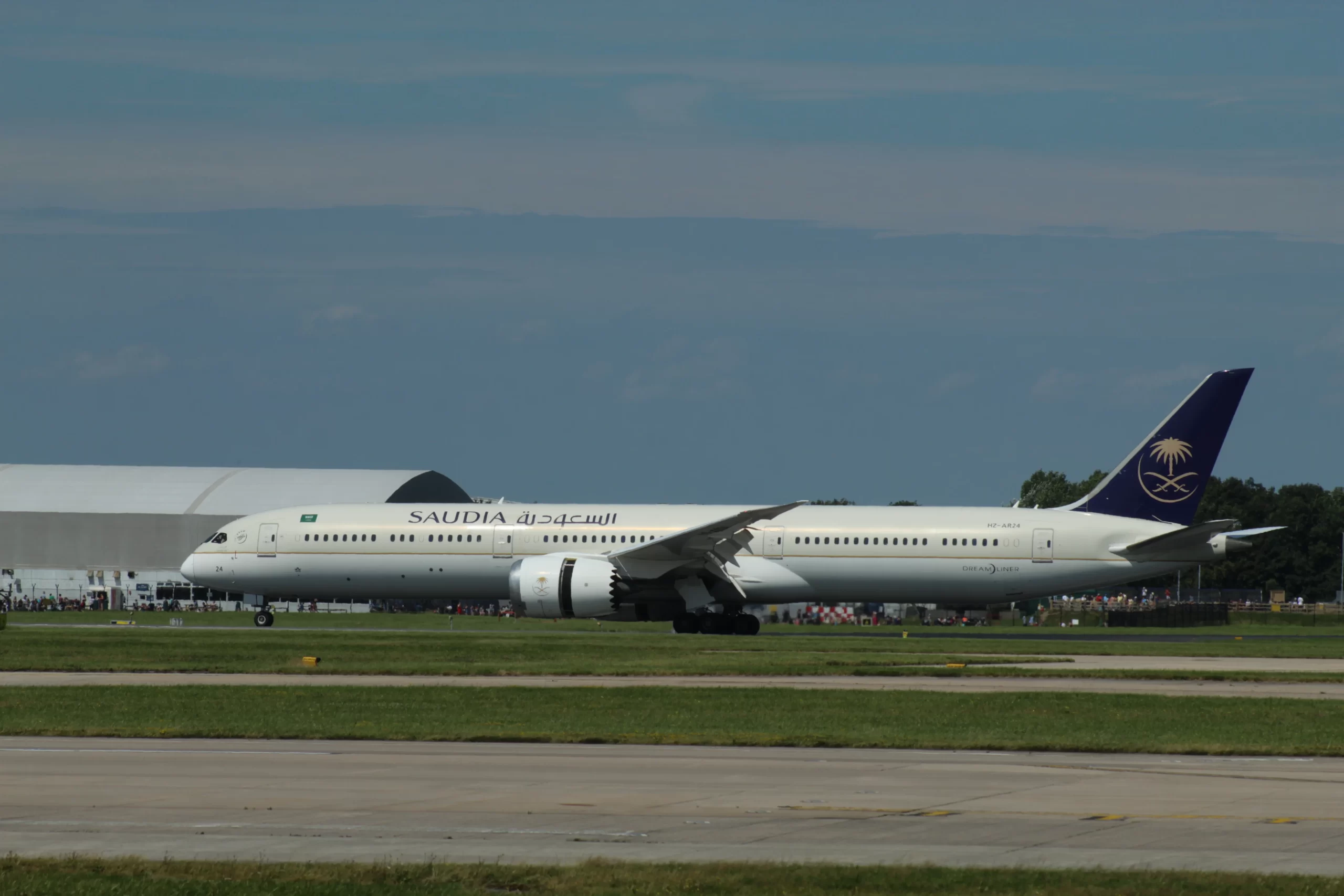
Route Fits into Saudi Arabia’s Wider Aviation Strategy
The Tokyo launch supports the Air Connectivity Programme’s stated goal of adding new international routes and increasing flight frequencies from Saudi airports. It also aligns with Saudi Arabia’s National Aviation Strategy and National Tourism Strategy, both built around the country’s Vision 2030 plan to position the Kingdom as a global tourism and logistics hub.
Saudia currently serves more than 100 destinations across four continents, operating a fleet of 153 aircraft. The airline is also moving forward with a fleet expansion programme that will add 112 new aircraft in the coming years, supporting further long-haul growth beyond this single new route.
King Khalid International Airport is central to that ambition. The airport already connects Riyadh to more than 105 destinations through 51 airlines, and it is undergoing major expansion under Vision 2030 as Saudi Arabia positions the capital as a transfer hub between Asia, Europe, and Africa. Saudia shares that hub with Riyadh Air, the Kingdom’s second flag carrier, which began commercial flights in October 2025 and has separately signed cooperation agreements with several of the same Asian carriers Saudia now competes against on long-haul routes.
Growth Abroad Meets Disruption at Home for Saudia
The Tokyo announcement lands at an awkward moment for Saudia’s home network. On 14th July 2026, Saudi airports recorded 208 flight cancellations and 158 delays after heightened airspace security risks near the country’s southern border, and Saudia absorbed the largest share of the disruption.
The cancellations followed renewed Houthi missile activity reported near Abha International Airport, in Saudi Arabia’s south. King Abdulaziz International Airport in Jeddah recorded the most cancellations, while King Khalid recorded the highest number of delays nationwide, with both of Saudia’s largest domestic hubs affected on the same day.
This is not an isolated incident. Regional airspace tensions have disrupted Saudia’s schedule several times through July 2026, with the carrier repeatedly named the hardest-hit airline in wider Gulf and Middle East disruption reports covering Dubai, Jeddah, and Riyadh. On 11th July alone, Saudia accounted for 48 of the region’s cancellations across Dubai, Riyadh, and Jeddah, ahead of every other carrier operating through those three hubs.
Under Saudi Arabia’s General Authority of Civil Aviation rules, Saudia must offer affected passengers a choice between rebooking and a refund when a flight is cancelled with less than 14 days’ notice. Passengers delayed more than six hours are also entitled to hotel accommodation and transport at the airline’s expense. The contrast between the two storylines is stark: while Saudia expands its long-haul reach to Tokyo, it continues to manage frequent short-notice disruption closer to home, reflecting the wider volatility facing Gulf aviation this year.
What Early Bookers Should Know
Travellers can already book the Riyadh-Tokyo route through Saudia’s website and partner agents, with fares loading into third-party booking systems ahead of the November launch. Passengers connecting onward from Riyadh to destinations in the Middle East, Africa, or Europe should allow at least three hours for the transfer, given security screening and terminal transfer times at King Khalid.
Those travelling onward from Riyadh should also check digital travel authorisation requirements for their final destination, such as ETIAS for European entry. Given the recent pattern of short-notice disruption across Saudi airports, travellers connecting through Jeddah or Riyadh are also advised to monitor flight status closely in the days before departure.

.jpg)
.jpg)

.jpg)

.jpg)