United Airlines (UA) has revealed a new seating strategy for its upcoming Airbus A321XLR fleet, with the airline choosing to block two economy seats instead of selling them. The change will reduce the aircraft’s certified capacity from 152 seats to 150 seats, creating additional space for passengers in the Economy Plus section.
The Chicago-based carrier says the modification is designed to improve passenger comfort by providing more elbow room and personal space. However, the adjustment also delivers an operational benefit by reducing the minimum number of flight attendants required on certain flights.
The move creates a unique cabin concept similar to European business class layouts, where middle seats are blocked to give passengers on either side a more spacious experience.
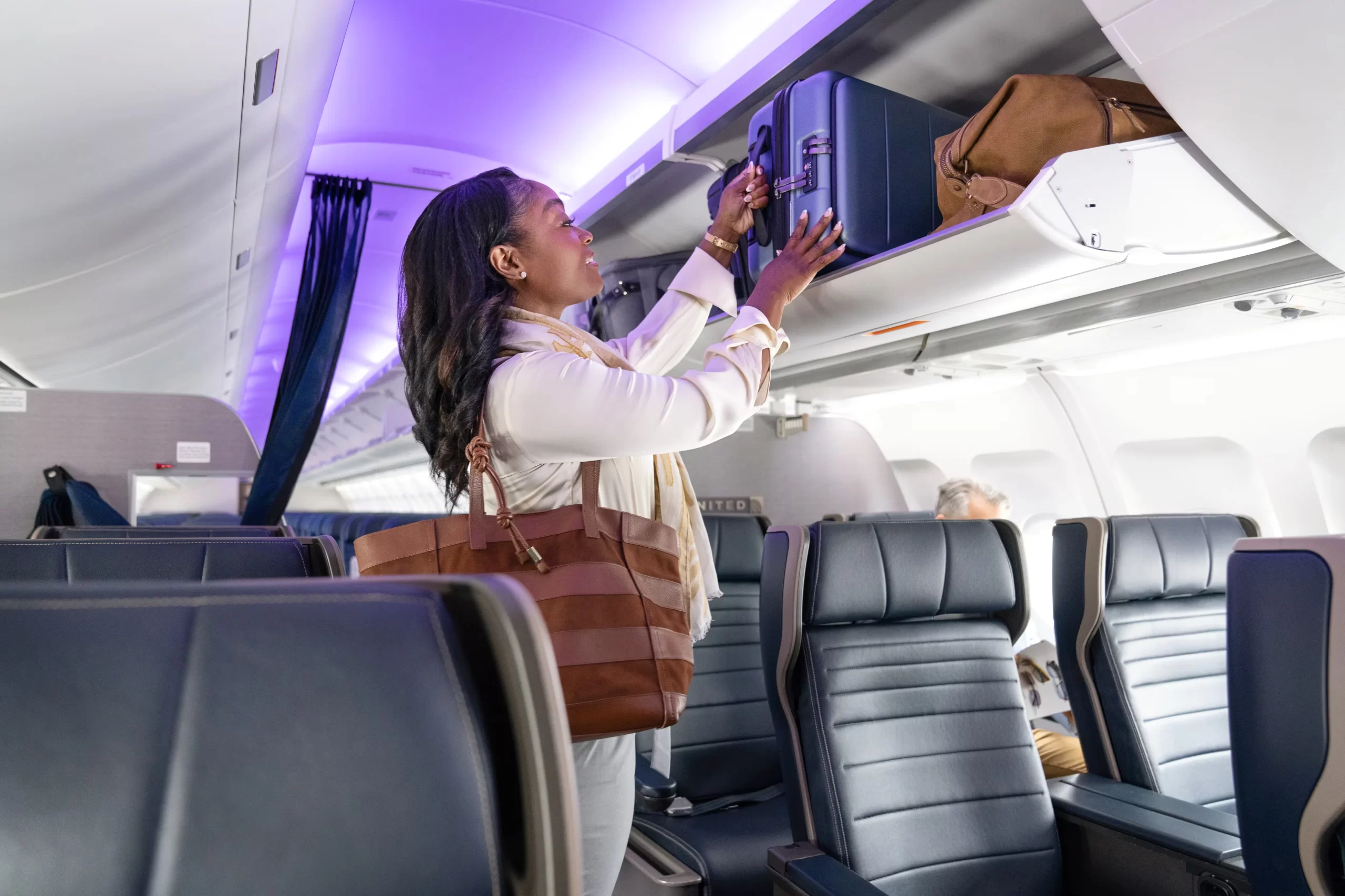
United Reduces A321XLR Seating Capacity
United’s Airbus A321XLR cabin was originally planned with 152 seats, divided across three cabin sections.
| Cabin Class | Seats |
|---|---|
| United Polaris Business Class | 20 |
| Premium Economy | 12 |
| Economy Class | 120 |
| Total | 152 |
The airline will now bring the total capacity down to 150 seats by blocking two seats in the economy cabin.
Instead of removing the seats physically, United will install a divider that prevents passengers from occupying the two middle seats in one row. The aircraft will continue using its standard 3-3 economy seating arrangement, but the blocked seats will function as a built-in space upgrade.
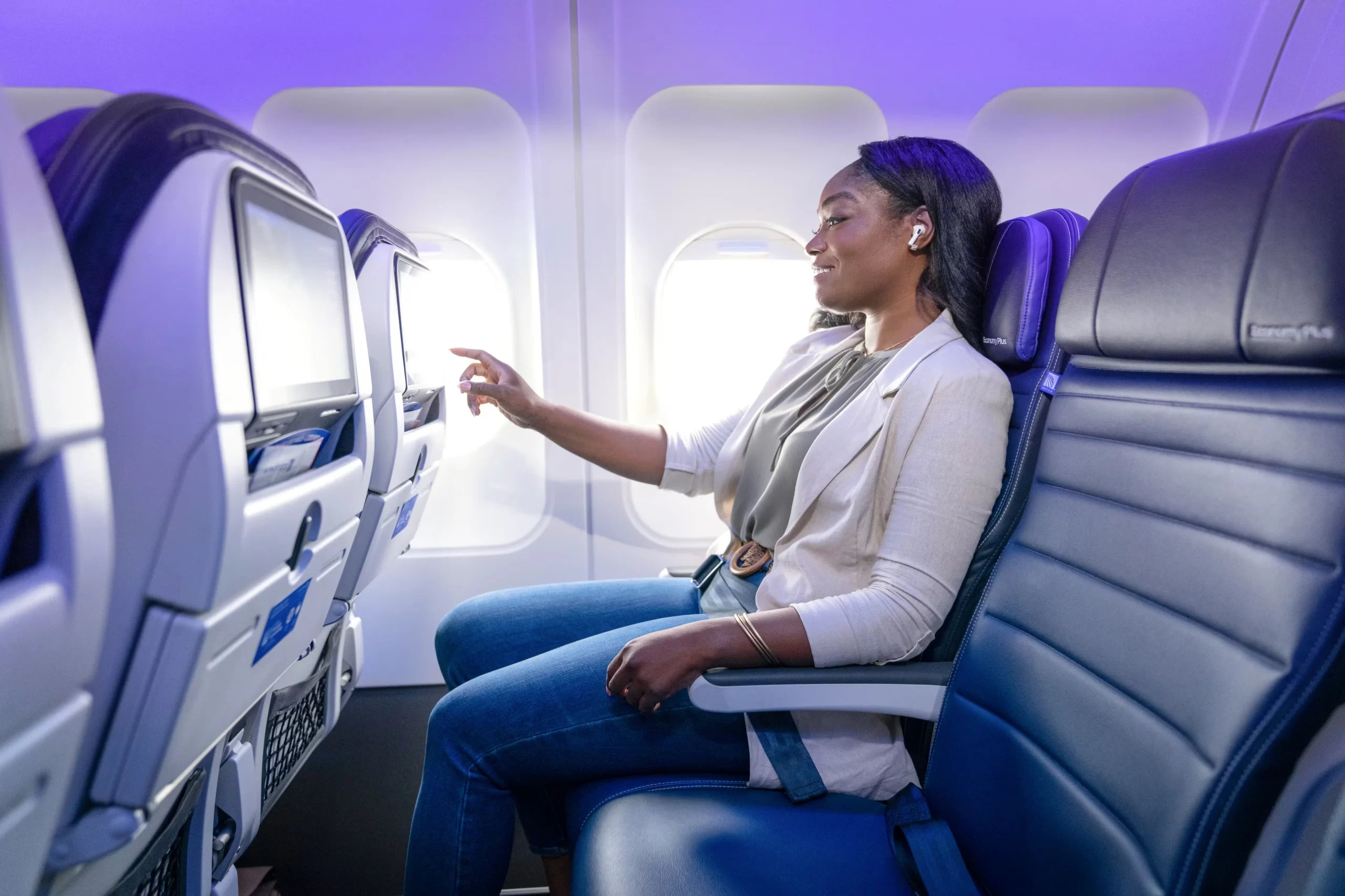
The seats affected are located in the Economy Plus section, allowing United to offer a more spacious seating option without redesigning the entire cabin.
The concept is similar to the blocked middle seats used by some European carriers on short-haul business class services, where passengers receive extra room while the aircraft retains its original seat structure.
Blocked Seats Were Visible Before Official Announcement
Although United has only recently confirmed the product, signs of the configuration appeared months earlier.
The airline’s initial Airbus A321XLR seat map, shared publicly in 2025, already showed two unavailable seats positioned behind the exit row. The layout suggested United was considering a new approach to premium economy seating before officially announcing the change.
The airline has confirmed that these seats will eventually be offered to customers, although details about pricing and availability remain unclear.
United has not yet revealed whether passengers will:
- Pay an additional fee above the standard Economy Plus fare.
- Receive access through a separate premium seating category.
- Obtain the seats through regular seat selection.
The service level for passengers using the blocked-seat row is expected to remain the same as other Economy Plus customers.
For now, United plans to introduce the concept exclusively on the A321XLR, although similar seating ideas could appear on other aircraft types in the future.
United Positions the Change as a Passenger Upgrade
United Chief Commercial Officer Andrew Nocella described the new seating option as part of the airline’s broader investment in improving the onboard experience.
The Airbus A321XLR represents an important addition to United’s fleet strategy, allowing the airline to operate longer international routes with a narrowbody aircraft.
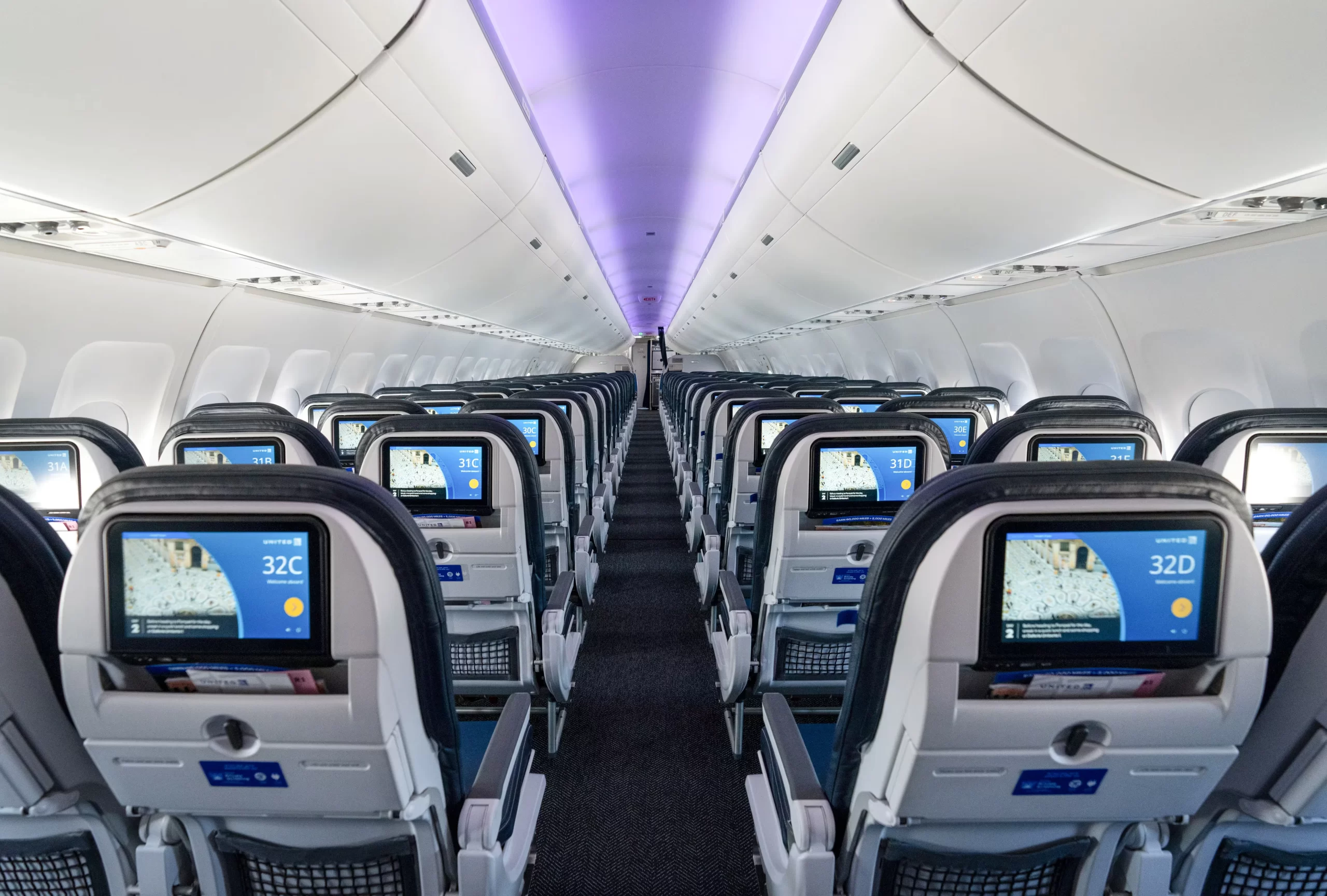
The aircraft will feature United Polaris business class seats with direct aisle access, alongside upgraded Economy Plus seating designed to provide additional comfort.
Why Two Fewer Seats Matter for Flight Attendant Requirements
The decision to reduce capacity is not only about passenger comfort. It also affects crew staffing requirements.
Under Federal Aviation Administration (FAA) regulations, airlines must carry at least one flight attendant for every 50 passenger seats.
A standard calculation means:
| Aircraft Capacity | Minimum Flight Attendants |
|---|---|
| 150 seats | 3 |
| 152 seats | 4 |
However, United’s A321XLR includes business class seats with privacy doors, which require additional cabin crew under FAA rules.
With that requirement included, the staffing difference becomes:
| Aircraft Capacity | Minimum Crew Requirement |
|---|---|
| 150 seats | 4 flight attendants |
| 152 seats | 5 flight attendants |
By blocking two seats, United moves the aircraft into the lower staffing category.
Some A321XLR Flights Will Operate With Four Cabin Crew Members
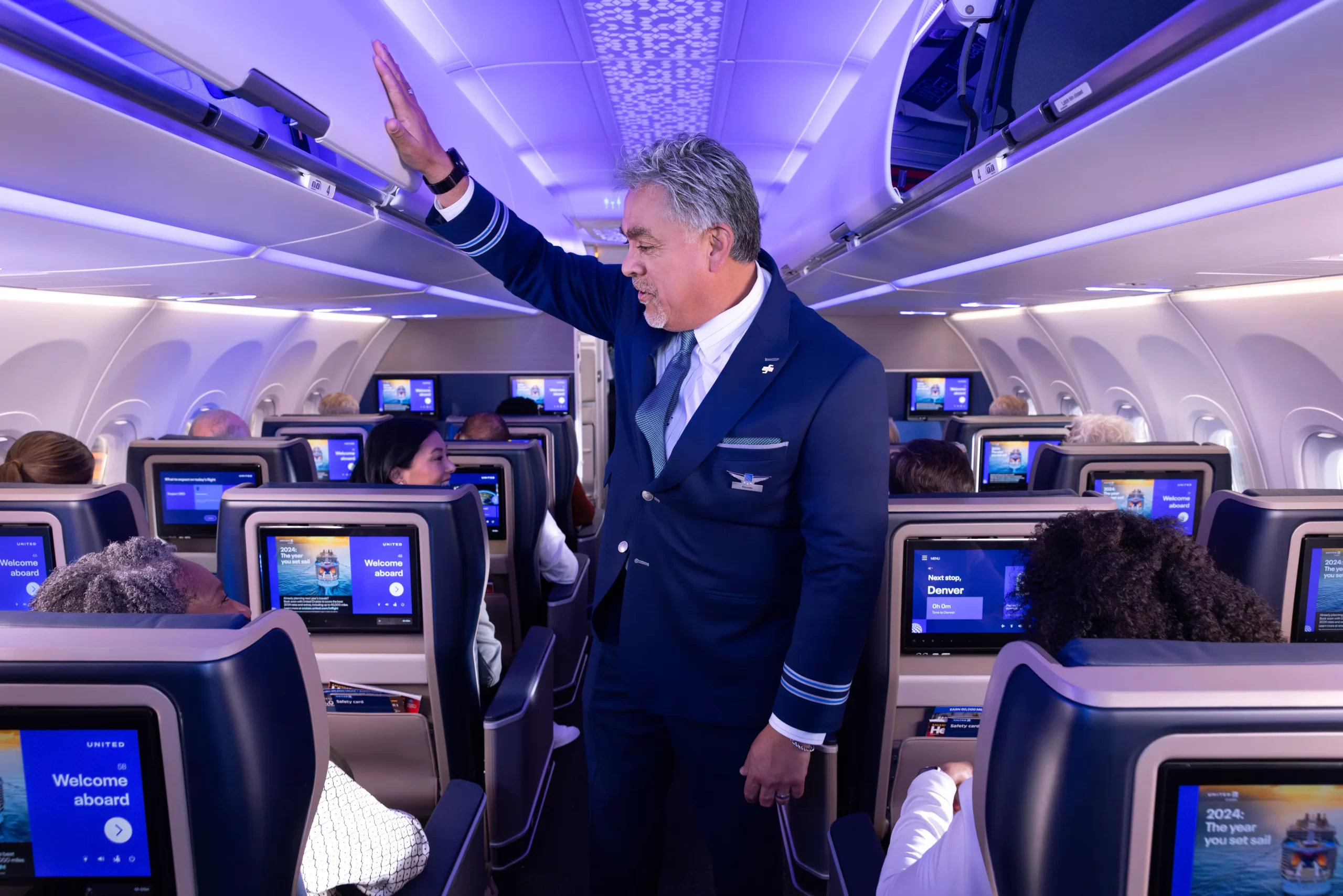
United has confirmed that most A321XLR flights will continue operating with five flight attendants, but some services will use the four-person minimum.
This is particularly relevant because United plans to use the aircraft mainly on long-haul international routes rather than shorter domestic flights.
With only four cabin crew members onboard, staffing becomes more challenging. Two flight attendants would typically focus on the business class cabin, leaving the remaining crew members responsible for premium economy and economy passengers.
On longer international sectors, this could result in slower meal service and longer response times during busy periods.
However, the reduced staffing requirement provides United with operational flexibility. If a crew member becomes unavailable before departure, the airline may still be able to operate the flight legally instead of facing a delay or cancellation.
United’s A321XLR Strategy Faces Cost Pressures
Operating narrowbody aircraft on long-distance routes has become increasingly important as airlines look for ways to reduce costs while opening thinner international markets.
However, every seat removed from an aircraft represents lost revenue potential. United’s decision to sacrifice two seats means the airline must balance the benefits of lower staffing costs and a premium seating product against reduced passenger capacity.
The economics will depend on whether the additional value created by the blocked-seat product and crew savings outweigh the revenue lost from fewer available seats.
United and American Take Different Approaches
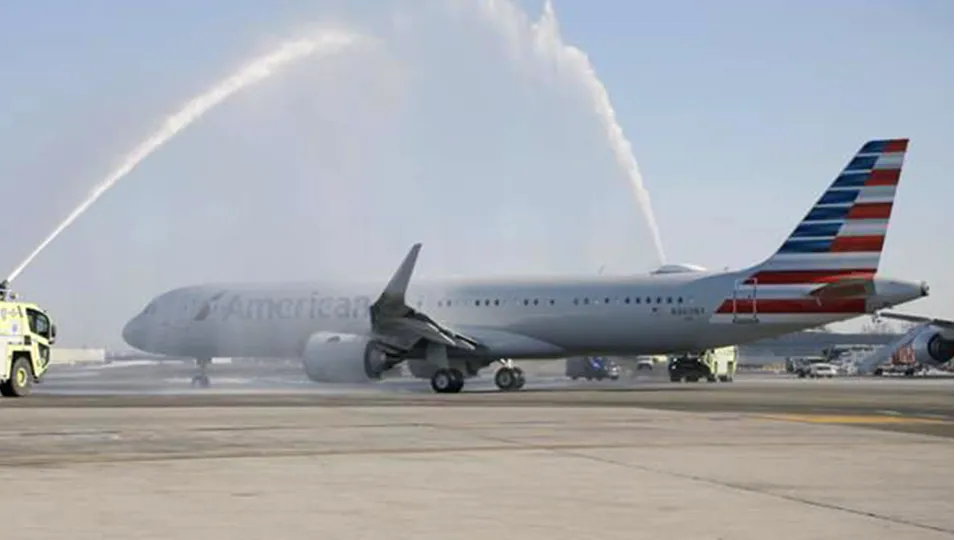
United’s decision contrasts with American Airlines’ (AA) Airbus A321XLR configuration.
American plans to operate its A321XLR aircraft with 155 seats, keeping the aircraft above the 150-seat threshold. As a result, American’s aircraft require a minimum of five flight attendants.
In practice, American often plans to operate its A321XLR flights with six cabin crew members.
The different approaches highlight how airlines are using the same aircraft type in different ways, balancing passenger comfort, staffing costs and operational efficiency.

Bottom Line
United Airlines’ Airbus A321XLR will introduce a unique Economy Plus seating concept by blocking two middle seats and reducing capacity from 152 to 150 passengers.
The airline presents the change as a passenger comfort improvement, giving travelers more space without removing physical seats from the cabin.
At the same time, the lower seat count allows United to reduce the minimum cabin crew requirement on certain flights from five attendants to four.
While the change may improve efficiency for the airline, passengers on four-crew operations could experience slower service during long-haul international flights. The success of the concept will depend on whether travelers value the added space enough to justify the new seating arrangement.