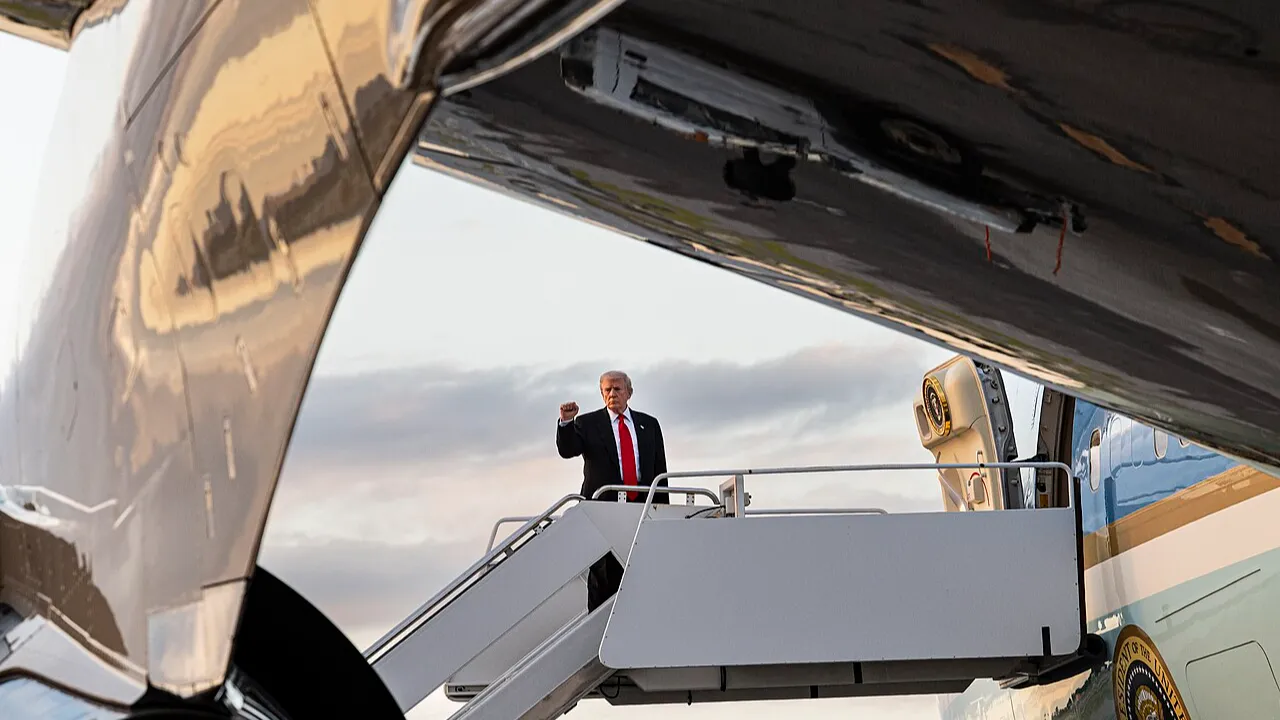
The University of Pennsylvania’s Wharton School has released its 2026 Best Countries Index, ranking 85 nations by perceived global power. The survey questioned 15,131 adults across 33 countries between late 2025 and early 2026, and the United States finished first with a relative score of 100.0.
China placed second at 93.6, and Russia took third at 91.4, despite having a far smaller economy than several countries ranked below it. The index, produced with WPP’s brand analytics platform BAV, does not measure military budgets or GDP directly. It instead captures how ordinary people around the world perceive each country’s overall strength and influence.
How the Survey Measured Global Power
Wharton marketing professor David Reibstein led the research alongside WPP’s BAV team, scoring each country on 73 attributes grouped into ten themes, one of which is power. The 85 countries in the index together account for 93% of global GDP and 78% of the world’s population, according to Knowledge at Wharton.
Respondents were asked to rate countries they were randomly assigned, rather than nations of their choosing. This method aims to reduce bias from national loyalty or unfamiliarity. The power score reflects impressions of leadership, economic clout, political influence, and military strength combined.
Why the U.S. Still Leads Despite a Shrinking Cushion
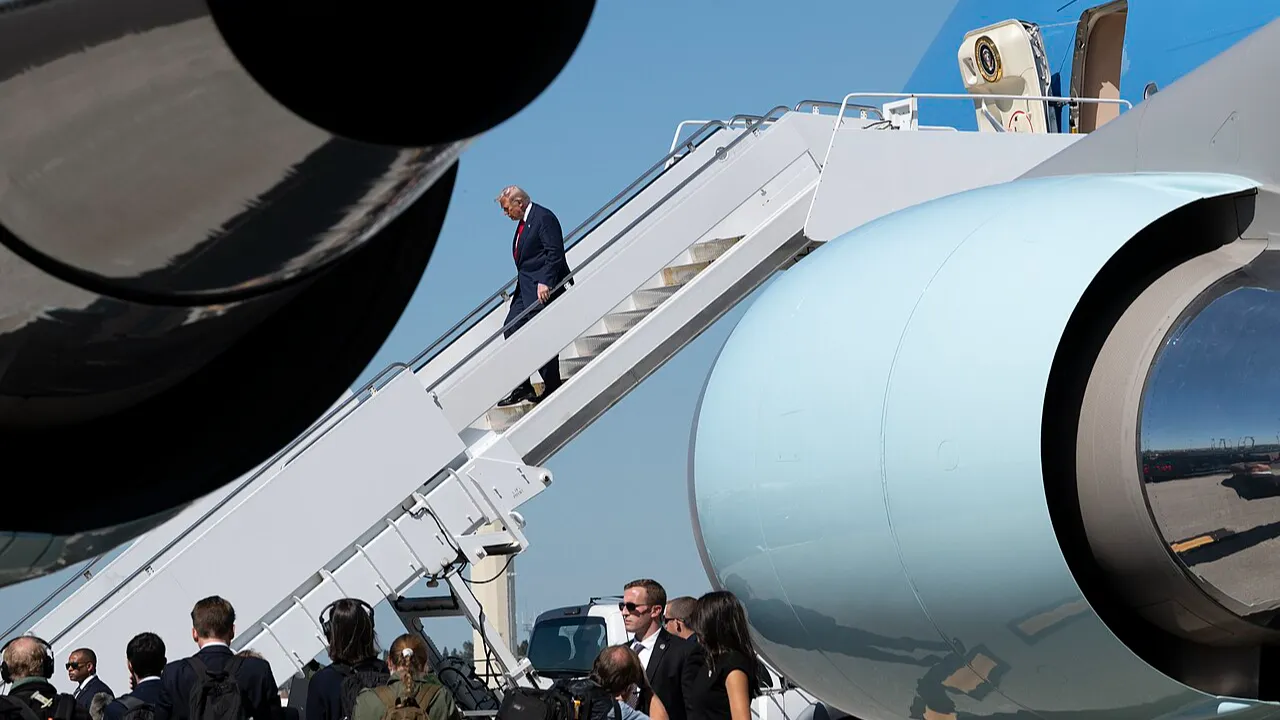
The United States remains the world’s most powerful country by perception, anchored by the size of its economy and its global financial dominance. Yet the gap to China has narrowed sharply, a shift that mirrors trends in other 2026 surveys. A separate poll of 46,667 people in 85 countries found that respondents in every region viewed China more favorably than the United States, according to Visual Capitalist.
China’s rise reflects its control over rare earth minerals, its extensive trade relationships, and its expanding military capability. The country fields the world’s largest active-duty military, with roughly two million personnel. Reibstein noted that perceptions of China vary more than those of any other nation, once observing that there’s probably no country for which there is greater divergence of perceptions than China.
Russia’s Rank Outpaces its Economic Size
Russia’s third-place finish stands out because its economy is smaller than those of several nations ranked lower on the power list, including Germany, France, and Japan. Analysts attribute this gap to Russia’s nuclear arsenal, energy exports, and continued military assertiveness. The country’s geopolitical reach, rather than its GDP, drives its perceived strength.
Iran offers a similar pattern further down the rankings. Despite a modest economy, Iran ranked above many wealthier nations because of its regional military footprint, missile programs, and network of allied militias across the Middle East. The country has sustained meaningful industrial and military output despite ongoing conflict with the United States and Israel.
Middle Powers Outrank Traditional Western Nations
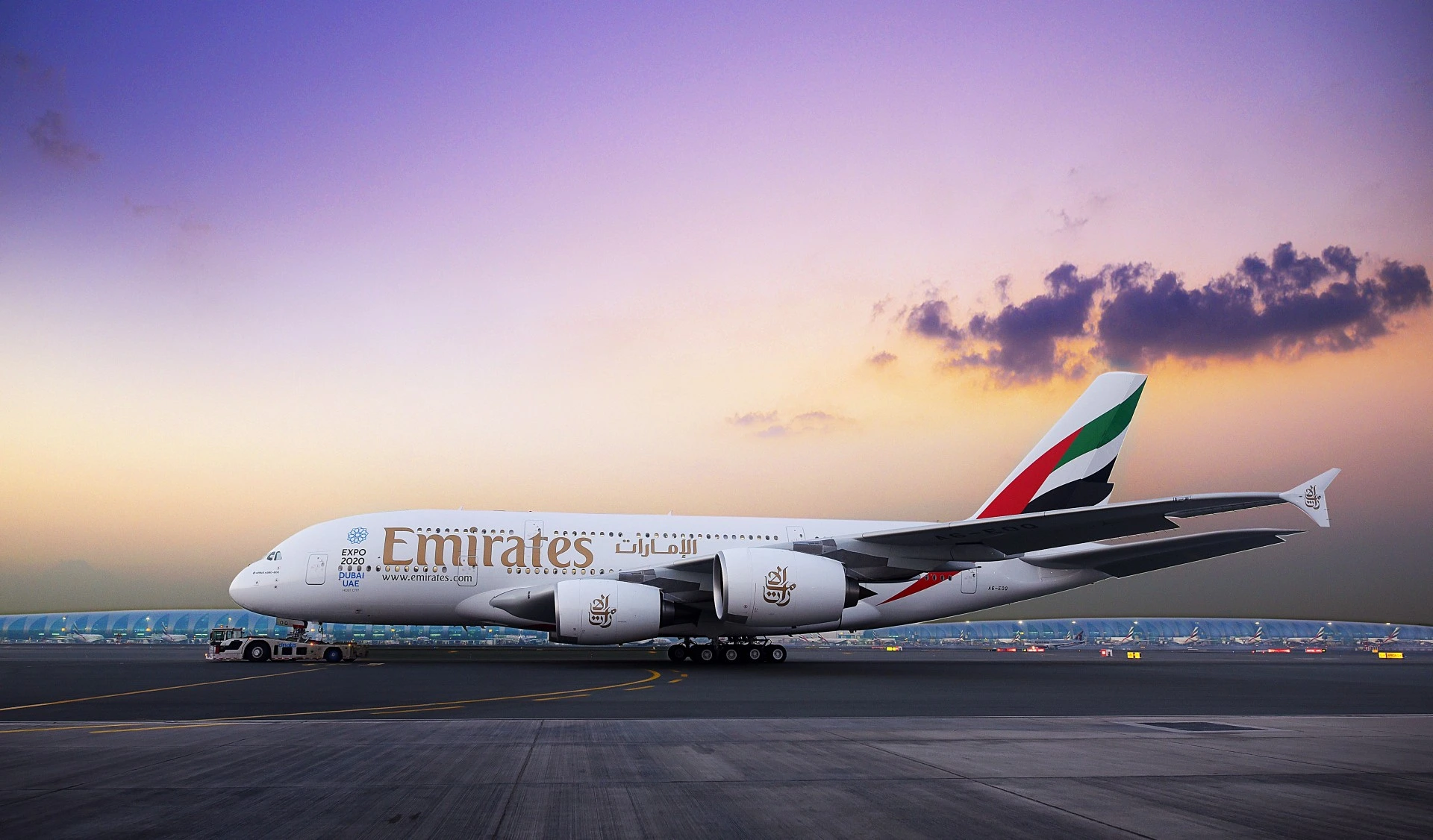
South Korea and Saudi Arabia both ranked ahead of France and Japan, a result that challenges assumptions about which countries hold the most global sway. The UAE entered the top ten as well, moving above Israel, India, and Canada. Wharton’s Reibstein pointed to the UAE’s brand investment as a driver of that climb.
- The UAE rose from 17th place in 2024 to 10th place in 2026, according to Knowledge at Wharton.
- Dubai’s airport upgrades, its hosting of World Expo 2021-2022, and new free trade zones contributed to that gain.
- South Korea and Saudi Arabia both scored higher than France (59.5) and Japan (59.0).
Top 10 Rankings

How this Compares with Other 2026 Power Rankings
Other 2026 studies reach similar conclusions through different methods, though rankings shift depending on what each survey measures. CEOWORLD magazine’s separate power index, based on 296,400 responses collected between October and December 2025, placed the United States first at 95.36, followed by China at 94.86 and Russia at 94.81, according to CEOWORLD. That survey put India in fourth place, ahead of the United Kingdom and Japan, a notable difference from the Wharton index, where India ranked 12th.
Brand Finance’s Global Soft Power Index, which measures cultural and diplomatic appeal rather than hard power, also placed the United States first in 2026, just 1.4 points ahead of China. That index found net negative perception scores for the United States, Russia, and Israel, a trend separate from, but related to, the power rankings, according to Visual Capitalist. Global Firepower’s purely military-focused ranking, by contrast, uses over 60 factors covering troop numbers and hardware, without any survey of public opinion, according to Global Firepower.
What the Rankings Reveal About Global Perception
The Wharton data shows that perceived power drops sharply after the top three countries. The United Kingdom placed fourth at 84.3, and Germany followed at 74.1, but scores fell steadily from there through the rest of the list. This pattern suggests that only a small group of nations are seen as true global powers, while the rest compete in a much more compressed middle tier.
Reibstein’s broader research shows that a country’s global image affects tourism, trade, and investment decisions well beyond any single ranking. This has an impact on tourism, on foreign direct investment, and on foreign trade, he has said of the index’s real-world stakes. As competition between major powers continues, these perception-based rankings are likely to shift again in future surveys.


Bottom Line
Wharton and WPP’s BAV team release the Best Countries Index annually, with the next update expected in 2027 following a fresh round of global surveys.
Analysts will watch whether China continues narrowing the gap with the United States, and whether middle powers like South Korea, Saudi Arabia, and the UAE keep climbing as they invest in national branding and infrastructure.
Shifts in conflicts involving Russia, Iran, and Ukraine are also likely to influence how respondents score military and geopolitical strength in coming years.