Wizz Air (W6) has withdrawn its nonstop flights between London Gatwick Airport (LGW) and Jeddah, plus its service to Medina in Saudi Arabia, removing both routes from its booking system entirely. The cancellations happened quietly, with no formal announcement, and were first noticed by industry trackers when the flights disappeared from the airline’s website this month. The routes were the ultra-low-cost carrier‘s longest, with block times close to seven hours, and their removal strips the Airbus A321XLR of the only scheduled mission that actually needed its extended range. Simple Flying reported.
The move is notable because Wizz Air had planned to expand the Jeddah route to twice daily service in 2026, not shrink it. It follows months of warning signs from Wizz Air executives, who said at Routes Europe in May 2026 that the A321XLR “didn’t fit” the airline’s low-cost model after the closure of its Abu Dhabi joint venture. With the Saudi routes gone, Wizz Air now has no scheduled flying left that requires the aircraft’s extra range advantage over a standard A321neo.

Wizz Air Pulls Gatwick-Jeddah and Gatwick-Medina from Sale
Passengers searching for flights between Gatwick and Saudi Arabia can no longer find nonstop Wizz Air options to Jeddah or Medina. Both routes have been removed from the carrier’s distribution systems, and industry trackers on social media confirmed the withdrawal alongside a third cut, Gatwick to Marrakesh. Jeddah is served by King Abdulaziz International Airport (JED), while Medina is served by Prince Mohammed Bin Abdulaziz International Airport (MED).
The cuts follow a turbulent year for Wizz Air’s Saudi operations. Regional airspace disruption tied to conflict in the Middle East forced repeated cancellations across Jeddah, Riyadh, Medina and Dammam in March 2026, affecting Wizz Air alongside Gulf Air, Saudia and Qatar Airways. Wizz Air had told customers at the time that services would resume as planned once the closures lifted, but the routes have not returned to sale since.
[ For context on Wizz Air’s broader Middle East ambitions, readers can review our earlier coverage of the airline’s planned Israel hub, which outlines the same expansionist strategy that has since been scaled back.]
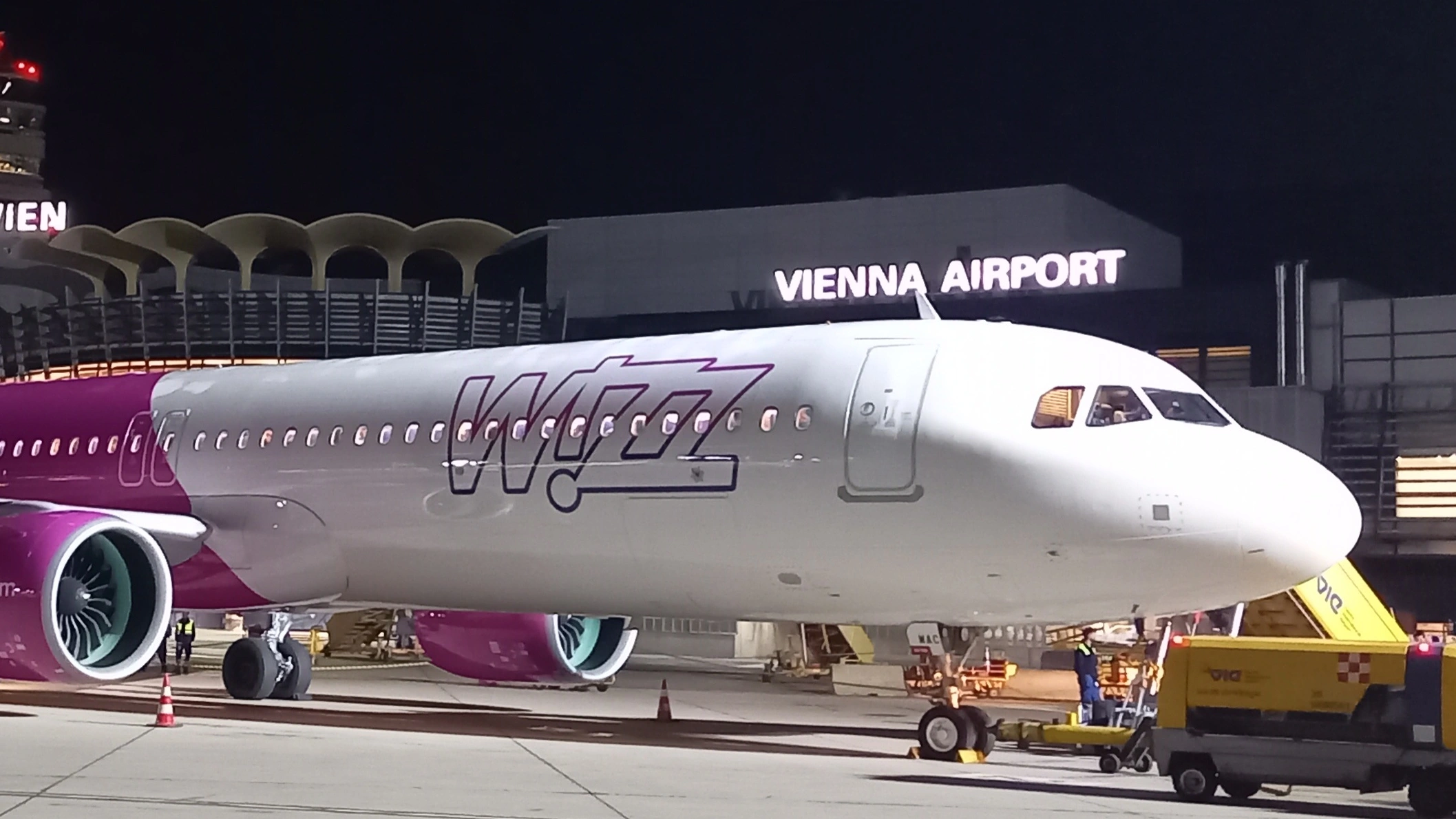
Chief Commercial Officer Confirms the A321XLR No Longer Fits the Model
Wizz Air Group Chief Commercial Officer Ian Malin addressed the aircraft’s shrinking role at the Routes Europe conference in Rimini in May 2026. He said the Airbus A321XLR is “a superior aircraft for the right operator” but conceded it simply “didn’t fit with our business model”.
Malin explained that Wizz Air now plans to configure its A321XLRs identically to standard A321neos, seating 239 passengers in a high-density layout built for short and medium-haul rotations. He told Aviation Week the airline will not even distinguish the aircraft type in its own booking systems going forward, saying flatly that they will simply be treated as Neos. The remaining range, he added, could still prove useful for occasional diversions or unexpected opportunities, but it will not drive network planning.
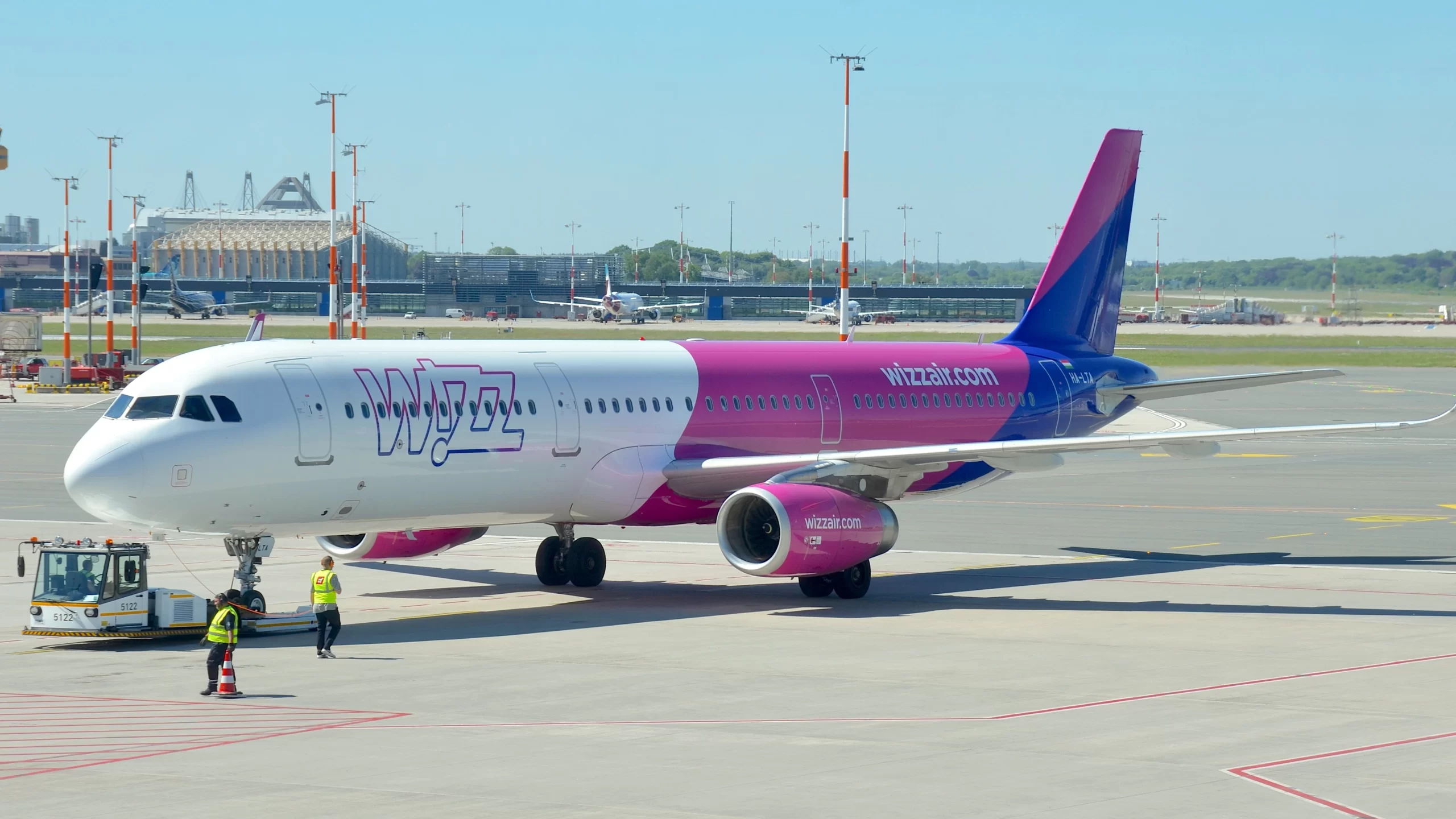
From 47 Orders To 11: How Wizz Air Retreated from Long-Haul Ambitions
The scale of Wizz Air’s retreat becomes clear when comparing its original order book with its current fleet plan. The airline once envisioned the A321XLR as the backbone of a long-thin route network stretching toward the Gulf and beyond, an ambition that collapsed alongside its Abu Dhabi joint venture in 2025.
Key figures behind the drawdown include:
- Wizz Air converted 36 of its original 47 Airbus A321XLR orders into standard A321neo jets, leaving 11 XLRs on order.
- The airline had received six of those eleven aircraft by the end of January 2026, according to industry reporting.
- Attempts to transfer up to five surplus A321XLRs to another operator ahead of the 2026 summer season did not result in a confirmed buyer.
- The Airbus A321XLR is marketed with a range near 4,700 nautical miles, well beyond the roughly 3,500 nautical mile range of a standard A321neo.
- Several delivered A321XLRs have been parked in Poland, with engines removed and reinstalled on other A321neos to offset ongoing Pratt & Whitney supply issues.
CEO József Váradi had earlier pushed back on the idea that the A321XLR must fly long-haul routes to earn its keep. Speaking at the carrier’s third-quarter briefing in January 2026, he said there was “a bit of a misconception” about how the aircraft needed to be deployed.
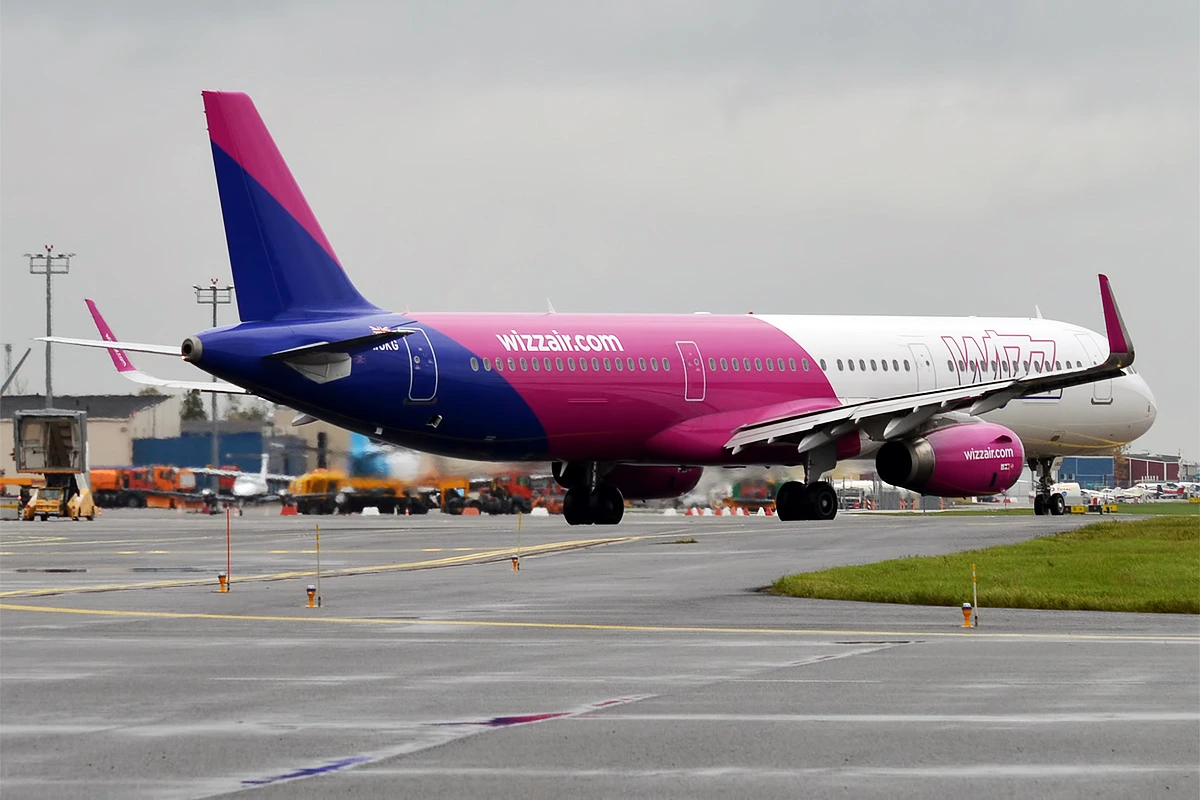
All in All
Wizz Air says its 11 A321XLRs will remain in the fleet rather than being sold off, continuing to operate short and medium-haul European routes such as Madrid, Barcelona, Istanbul and Antalya under the same booking profile as standard A321neos. One aircraft, registered G-XLRA, remains grounded in Prague following a September 2025 tailstrike, with repairs said to be on schedule.
The carrier has given no indication that the Jeddah or Medina routes will return, and passengers holding existing bookings are expected to be offered refunds or rerouting under standard UK261 passenger rights rules where applicable.




.jpg)