A ground controller at San Diego International Airport (SAN) traded insults with multiple airline pilots during a busy morning taxi backlog in July 2026. The controller snapped at a United Airlines (UA) crew and a Southwest Airlines crew after both asked about their departure sequence. One pilot told him he needed to be replaced, and another told him to “go back to LaGuardia.”
Aviation audio site VASAviation captured the exchange and published it alongside a visualization of the airport’s ground traffic. Ben Schlappig of One Mile at a Time first reported the story on July 11, 2026. The clash highlights a recurring tension at busy US airports, where controllers manage tight taxiway space while pilots push for updates on when they can move.
Radio disagreements between pilots and controllers rarely make headlines on their own. This one spread quickly because listeners could hear both sides losing patience in real time, and because the insults were unusually pointed for a routine morning taxi delay.
How The San Diego Taxi Dispute Unfolded
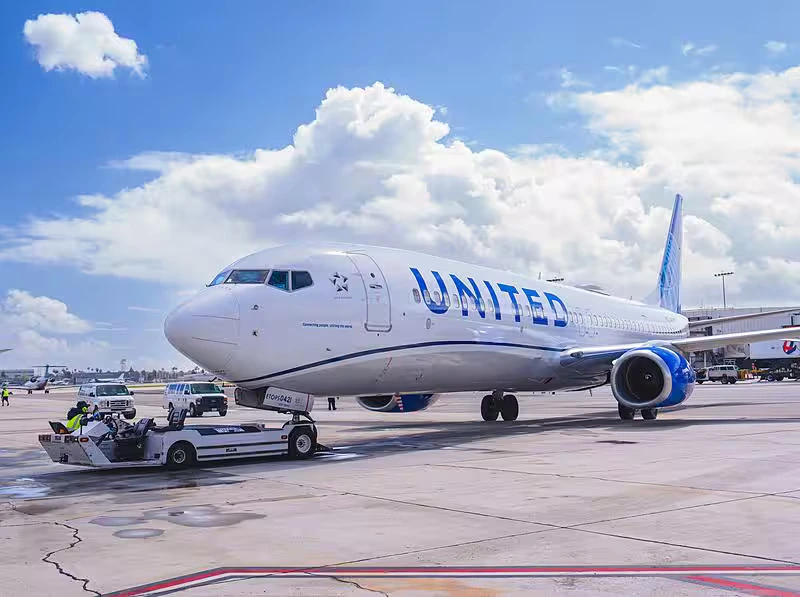
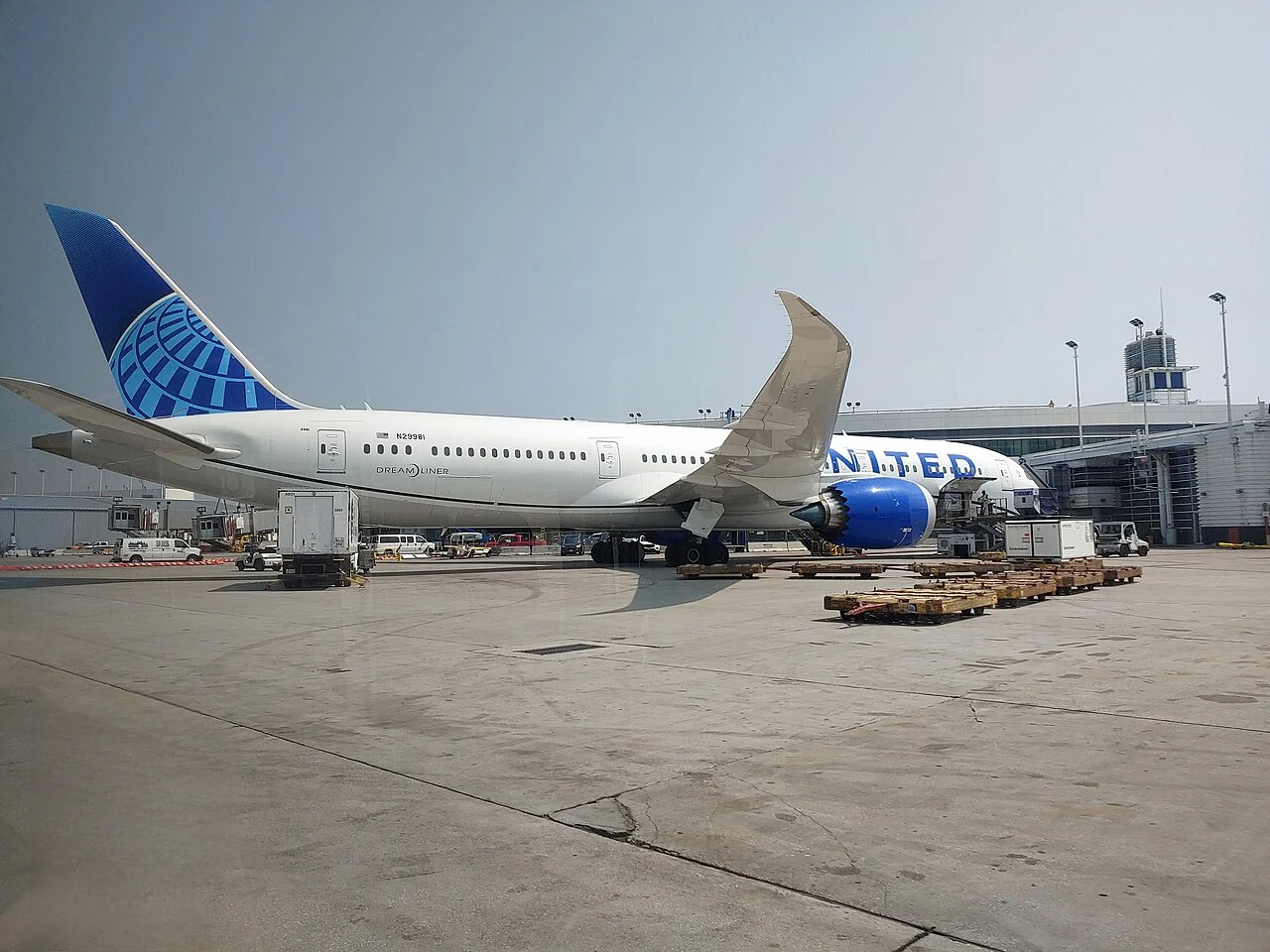
The trouble began when a United pilot asked about a taxi clearance for flight UA1069. The controller replied bluntly, then explained that arriving planes without open gates had filled the single taxiway, so waiting order made little difference. The pilot accepted the answer and thanked the controller.
Moments later, a Southwest pilot pushed back after being told to wait for inbound traffic to clear. The pilot said the runway looked clear already, and the controller told him to look east for the next arriving aircraft. The Southwest pilot then said “sounds like you need to be replaced,” and the controller accused the pilot of having an attitude too.
An unidentified pilot on the same frequency then chimed in with the LaGuardia jab. The full recording shows a tense but brief back-and-forth rather than an extended argument. No safety incident or delay beyond normal taxi congestion was reported.
Ground control at a single-runway airport requires constant sequencing decisions, often with little time to explain each one. The controller in this recording had worked the position for 18 years, according to his own comment on frequency, and framed his short replies as the fastest way to keep aircraft moving safely.
Why San Diego’s Single Runway Fuels These Delays
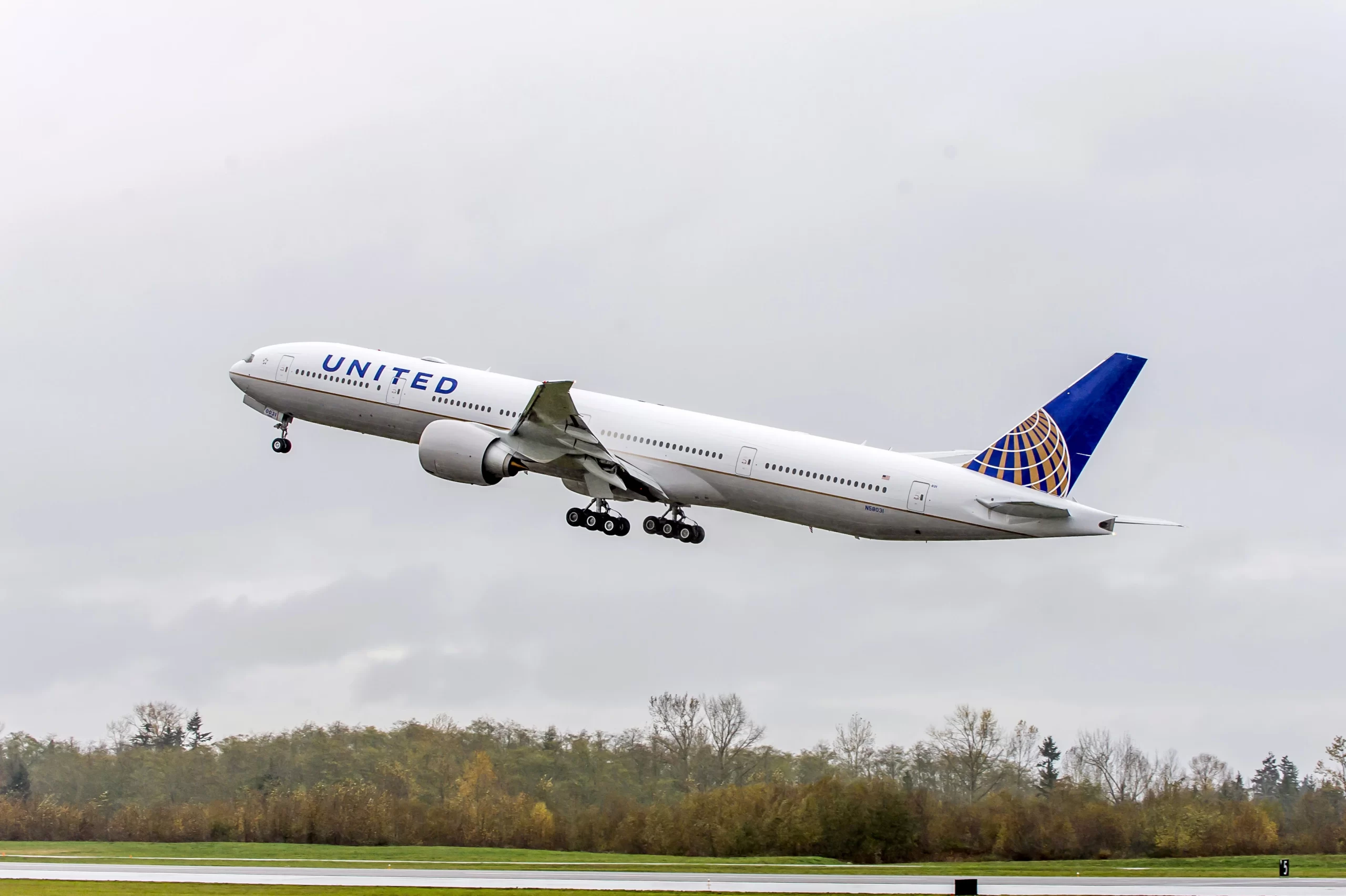
San Diego International Airport operates on just one runway, despite handling more than 25 million passengers a year. It holds the title of the busiest single-runway airport in the United States. That combination leaves little room for error when multiple flights land before their gates are ready.
The airport’s layout compounds the problem. Limited taxiway space means aircraft that arrive early often have nowhere to go but a holding spot, which then blocks other aircraft trying to reach the runway.
A few added constraints raise the pressure further:
- SAN enforces a nighttime curfew, barring departures between 11:30 p.m. and 6:30 a.m.
- The airport’s steep approach over downtown high-rises limits scheduling flexibility.
- Morning departure banks routinely stack up more than a dozen aircraft at once.
.jpg)
Comparing This Clash to Other Recent Controller-Pilot Disputes
The San Diego exchange was not an isolated event. In July 2025, a controller at LaGuardia Airport (LGA) grew short with pilots during a thunderstorm ground stop, repeatedly telling them fuel planning was not his concern. A Delta Air Lines (DL) pilot eventually snapped back, telling the controller “you’re an idiot” before asking to speak with a supervisor.
That LaGuardia dispute ended differently. The airline captain and the operations supervisor later spoke by phone, and the tone of that call was calm and professional throughout. The San Diego incident, by contrast, ended on the open frequency without any known follow-up call.
Both cases share a common thread: controllers under pressure gave short, blunt answers instead of brief explanations, and pilots reacted with frustration rather than patience.
_-_United_Airlines_(37440866851).jpg)
What Aviation Commentators Make of the Exchange
Schlappig, writing for One Mile at a Time, said he understood the controller’s impatience but questioned his approach. He argued that a simple “unable” would have carried the same message without the lecture that followed.
He also noted that the pilots’ comments were not blameless, even if the sentiment behind them was fair. Readers who commented on the story were split, with some defending the controller’s workload and others calling the exchange evidence of a wider strain on the air traffic control system.
Several commenters with air traffic control experience pointed out that busy single-runway operations leave little room for lengthy explanations on frequency. Others argued that a short, courteous phrase takes no more time to say than a curt one, and would defuse rather than escalate tension with pilots.

All in All
Neither the Federal Aviation Administration nor San Diego’s airport authority has issued a public statement on this specific exchange. Radio disputes like this one rarely affect flight safety, since both pilots and controllers remain bound by standard taxi and takeoff procedures regardless of tone.
For passengers, the bigger takeaway is structural. Single-runway airports like SAN will keep producing tight taxi sequences during peak departure banks, and that pressure will keep testing the patience of controllers and pilots alike. Until staffing and infrastructure catch up with demand, similar exchanges are likely to keep surfacing on aviation audio channels.