Qatar Airways (QR) is facing a new employment lawsuit in California after a former employee at Los Angeles International Airport (LAX) accused the airline of multiple labor law violations, including unpaid overtime, missed meal and rest breaks, unreimbursed work-related expenses, and delayed final wages.
The lawsuit was filed in the U.S. District Court for the Central District of California on July 9, 2026. The former Senior Airport Service Agent is seeking damages exceeding $250,000 for alleged violations of California labor laws during her employment between October 2015 and June 2023, Human Resources Director reported. The allegations have not been proven in court, and Qatar Airways has not publicly responded.
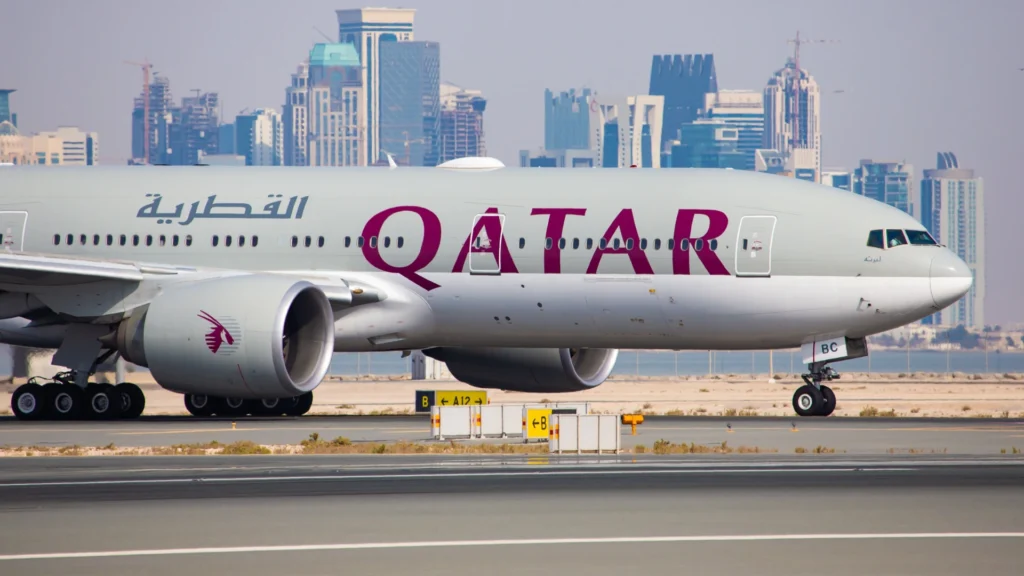
Former LAX Employee Files Labor Lawsuit Against Qatar Airways
According to the complaint, the plaintiff worked for Qatar Airways at Los Angeles International Airport for nearly eight years before resigning in June 2023. Although her official title was Senior Airport Service Agent, the lawsuit states that most of her duties involved operational ground handling rather than administrative work.
Her responsibilities allegedly included baggage claim coordination, cargo weight verification, and handling lost luggage, while office-based tasks occupied only a small portion of her workday. She reportedly earned an annual salary of around $60,000 and was scheduled to work from 6:00 a.m. to 2:30 p.m., Tuesday through Saturday.
The complaint also questions whether Qatar Airways correctly classified the position as exempt from overtime requirements, noting that the role was largely manual. Public salary estimates suggest employees in similar positions at the airline typically earn higher compensation.
.jpg)
Claims of Unpaid Overtime and Early Reporting
A major focus of the lawsuit is compensation for hours allegedly worked outside scheduled shifts.
The plaintiff claims she was frequently instructed to report to work as early as 4:00 a.m. when inbound flights arrived ahead of schedule. Those additional hours, sometimes up to two hours before her official start time, were allegedly unpaid.
She further alleges that she regularly remained at work for two to three hours after her scheduled shift ended without receiving overtime or double-time pay required under California law. The complaint argues these early arrivals and late departures constituted off-the-clock work.

Meal and Rest Break Allegations
The lawsuit also alleges Qatar Airways failed to provide legally compliant meal and rest breaks.
According to the filing, the employee was expected to remain available by phone throughout the day, preventing uninterrupted rest periods. Meal breaks allegedly lasted only about 15 minutes and were often taken at her workstation instead of in a designated break area.
The complaint further claims the workplace lacked a proper break room where employees could store meals or temporarily step away from operational duties.
.jpg)
Manual Timekeeping System Questioned
Another issue raised in the lawsuit concerns how employee hours were recorded.
Rather than using an electronic timekeeping system, supervisors allegedly tracked working hours manually before submitting records to the human resources department. The plaintiff argues this process failed to accurately capture additional hours worked outside scheduled shifts, particularly early call-ins and overtime.

Expense Reimbursement and Final Pay Dispute
Beyond wage claims, the former employee alleges Qatar Airways failed to reimburse certain work-related expenses.
The complaint states the airline offered $60 parking reimbursements per eligible occasion but allegedly failed to pay seven approved claims, totaling $420. She also claims she regularly used her personal mobile phone for work without receiving reimbursement.
After resigning in June 2023, the plaintiff further alleges Qatar Airways did not issue her final wages within the timeframe required under California law. State regulations generally require employers to pay employees who resign without notice within 72 hours, and delays can result in waiting-time penalties under California Labor Code Section 203.

Six California Labor Claims
The lawsuit includes six causes of action under California law:
- Failure to provide compliant meal periods.
- Failure to provide compliant rest breaks.
- Failure to pay minimum wages.
- Failure to pay overtime and double-time wages.
- Failure to reimburse necessary business expenses.
- Unfair business practices.
In addition to damages of at least $250,000, the plaintiff is seeking statutory penalties, interest, legal fees, and court costs.

Why the Case Is Significant
The lawsuit highlights several employment issues that frequently arise in airline ground operations, particularly in California, where labor protections are among the strictest in the United States.
California law requires employers to provide uninterrupted meal periods and duty-free rest breaks while accurately recording all hours worked. Ground staff who report early because of flight schedule changes or remain available during breaks may become eligible for additional compensation if labor laws are found to have been violated.
The case also underscores the importance of accurate timekeeping systems and reimbursement policies for employees who incur work-related expenses such as parking or personal phone use.

Current Status
At this stage, the allegations remain unproven.
The court has not issued any findings on the claims, and no judgment has been entered. Public court records available at the time of reporting did not identify a presiding judge or indicate that Qatar Airways had filed a formal response. The case will now proceed through the normal legal process before any determination of liability is made.