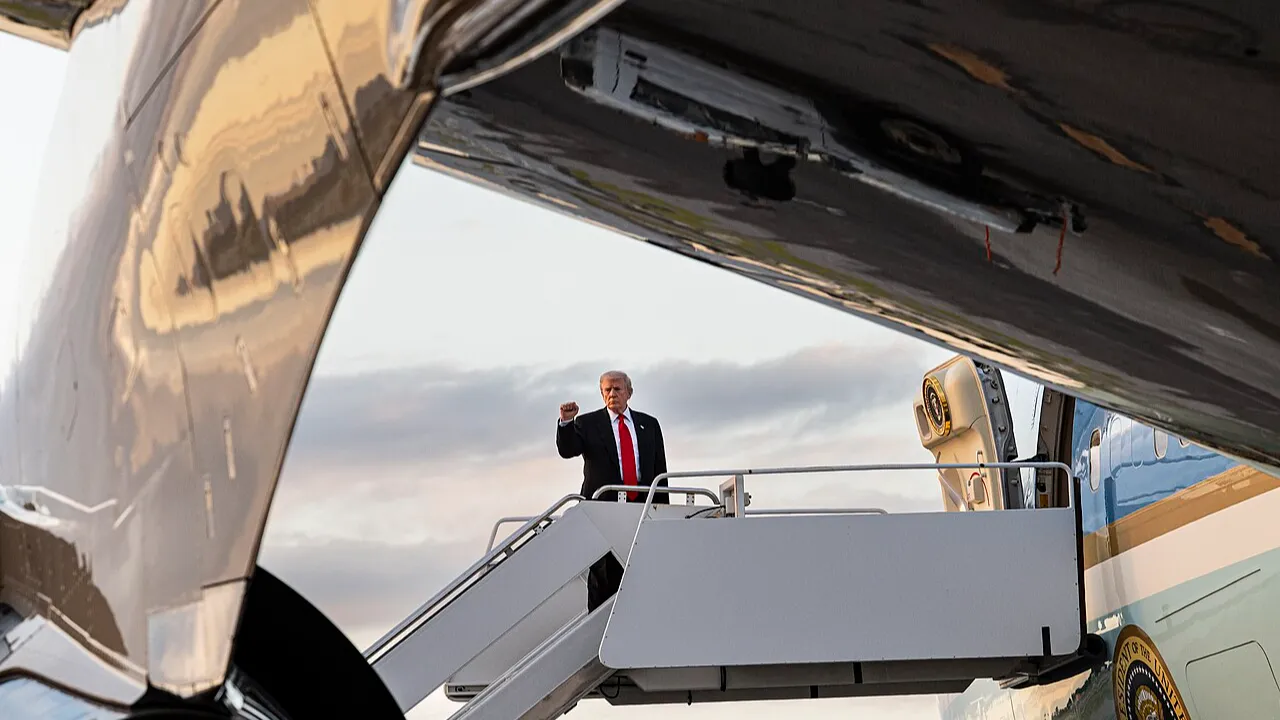
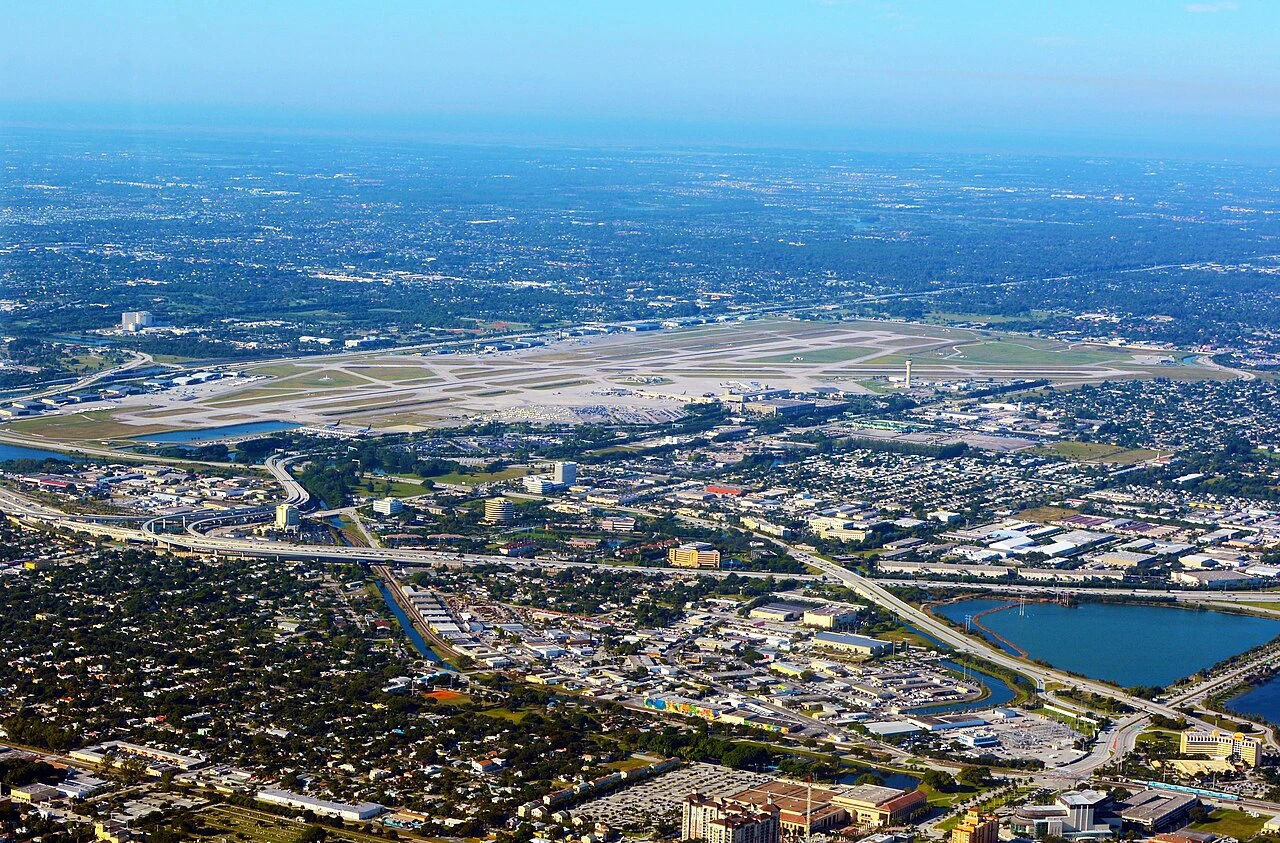
Palm Beach International Airport (PBI) officially became President Donald J. Trump International Airport on July 9, 2026, after Florida lawmakers passed legislation transferring naming authority for major state airports to the state government. The Federal Aviation Administration (FAA) alerted air traffic controllers nationwide overnight that the airport’s identifier had switched from PBI to DJT.
The renaming makes Palm Beach the first commercial airport in US history named after a sitting president. Florida Governor Ron DeSantis signed the underlying law on 30 March 2026, and the change followed a Palm Beach County Board of County Commissioners vote and a licensing agreement with a company affiliated with the Trump Organization.
How The Renaming Effort Began in the Florida Legislature
Republican state Representative Meg Weinberger introduced the proposal in November 2025, arguing that Trump’s residency in Palm Beach County made the honor fitting, claiming that President Trump is “the most consequential president of our lifetime”:
“and a resident of Palm Beach County, which makes it only fitting to honor him, like many other presidents before him, by naming our airport Donald J. Trump International”.
The bill passed the Florida House 81-30 and the Senate 25-11 in February 2026, largely along party lines. DeSantis signed it into law on 30 March, with the renaming taking effect 1 July 2026, subject to FAA approval.
The County Commission’s Divided Vote and Trademark Deal
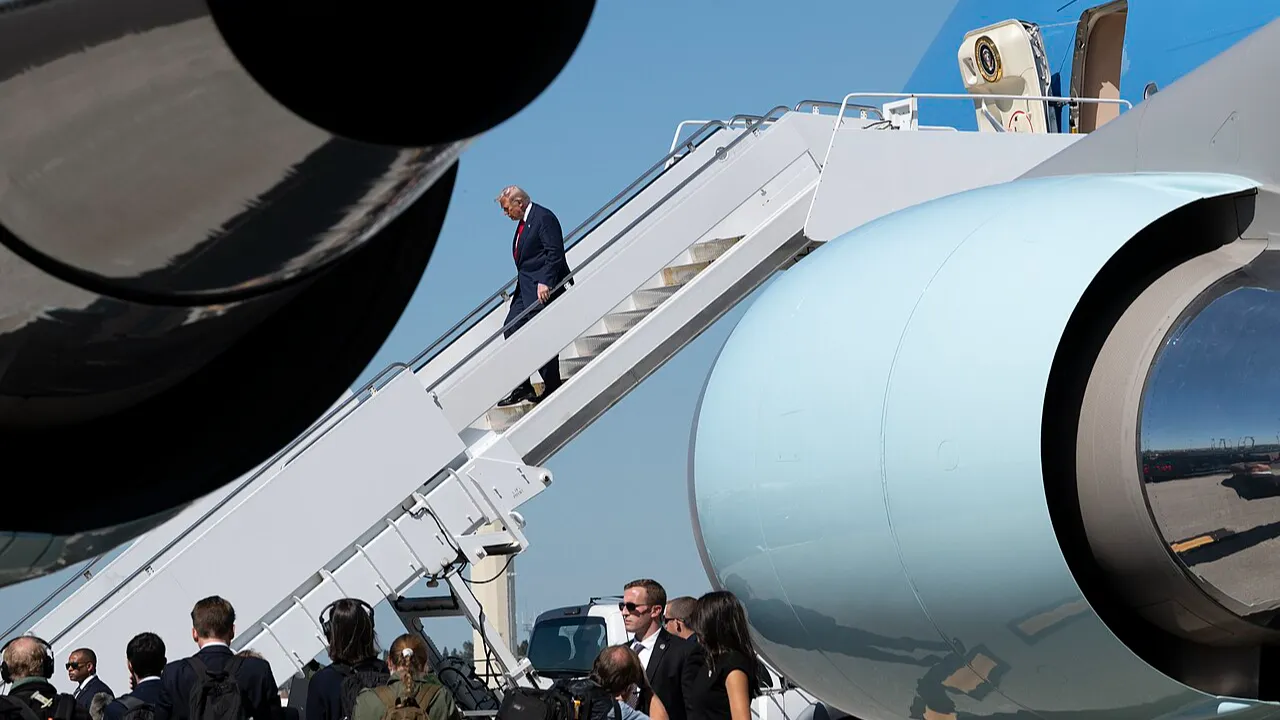
Palm Beach County did not choose the new name itself; the law required the county to pursue the change once the state passed it. Commissioners nonetheless held their own vote on 5 May 2026, approving the renaming 4 to 3, alongside a naming rights and licensing agreement with a company affiliated with the Trump Organization.
Under that agreement, the county can use the new name on signage, advertising and marketing without paying royalties, but the Trump Organization retains the trademark. It also holds veto power over how Trump’s biography is displayed at the airport and can name a list of approved retailers that airport stores must buy Trump-branded merchandise from.
Palm Beach County Mayor Sara Baxter framed the transition around continuity of service. “We remain committed to offering a safe, efficient and welcoming experience for all travelers,” she said when the legislation was first signed.
What The Trump Organization Says About Profiting from The Name
The trademark applications drew scrutiny before the bill even passed, after the private entity that manages Trump Organization licensing filed for “DONALD J. TRUMP INTERNATIONAL AIRPORT,” “PRESIDENT DONALD J. TRUMP INTERNATIONAL AIRPORT” and “DJT” as marks. Democratic state Senator Shevrin Jones tried to add an amendment barring the Trump Organization from profiting off the trademark, but it failed.
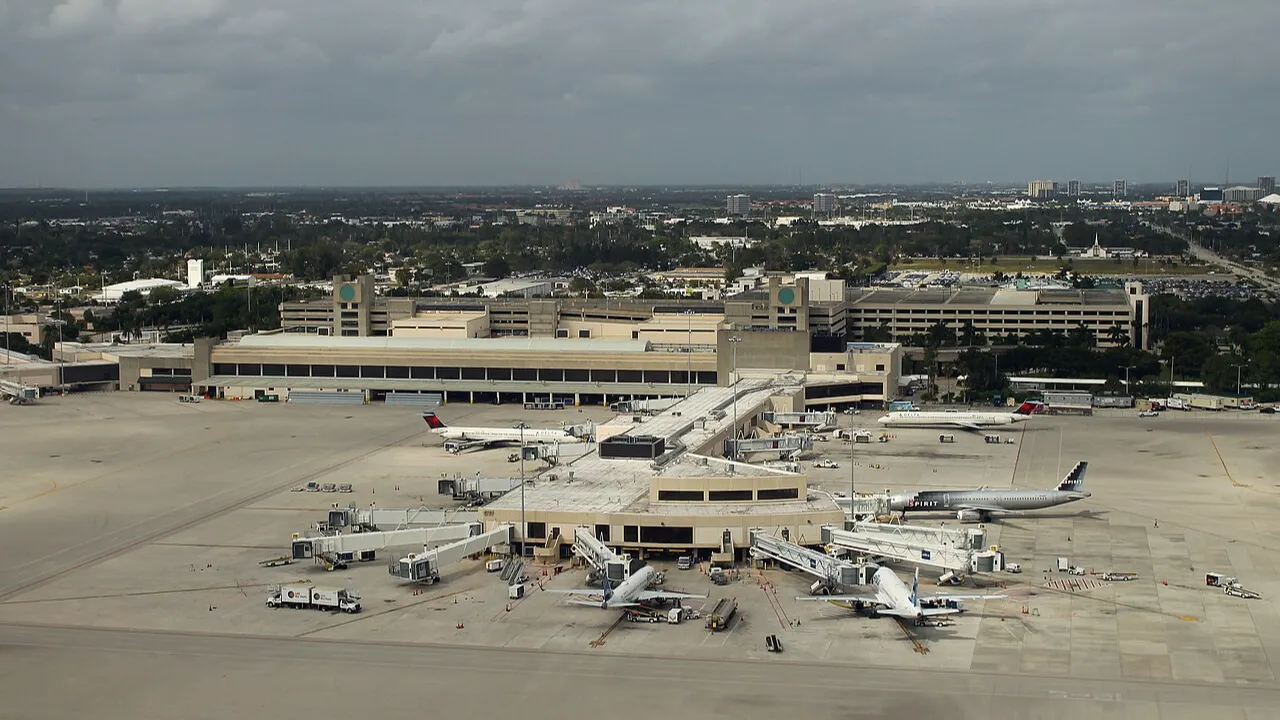
A Trump Organization spokesperson denied the family would benefit financially from the deal. “To be clear, the President and his family will not receive any royalty, licensing fee, or financial consideration whatsoever from the proposed airport renaming,” said Kimberly Benza, the organization’s director of executive operations, adding that the family was willing to provide the license “at no charge”.
Even so, the final agreement gives Trump’s companies the right to sell airport-branded merchandise off-site and to control which vendors supply Trump-branded goods sold inside the airport itself, a structure critics say still creates a commercial benefit tied to the presidency.
Airport Identifier Codes Change on Different Timelines
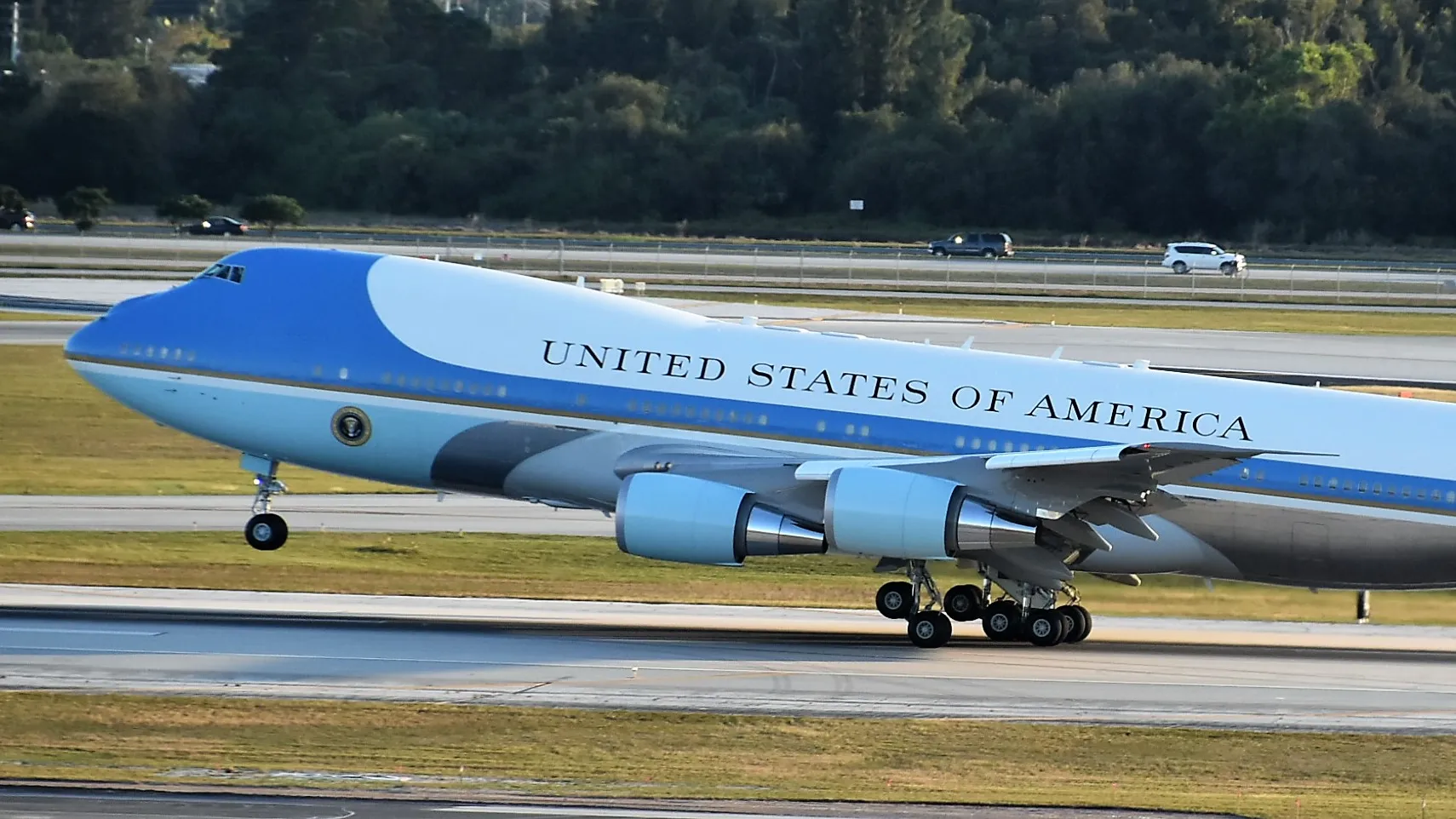
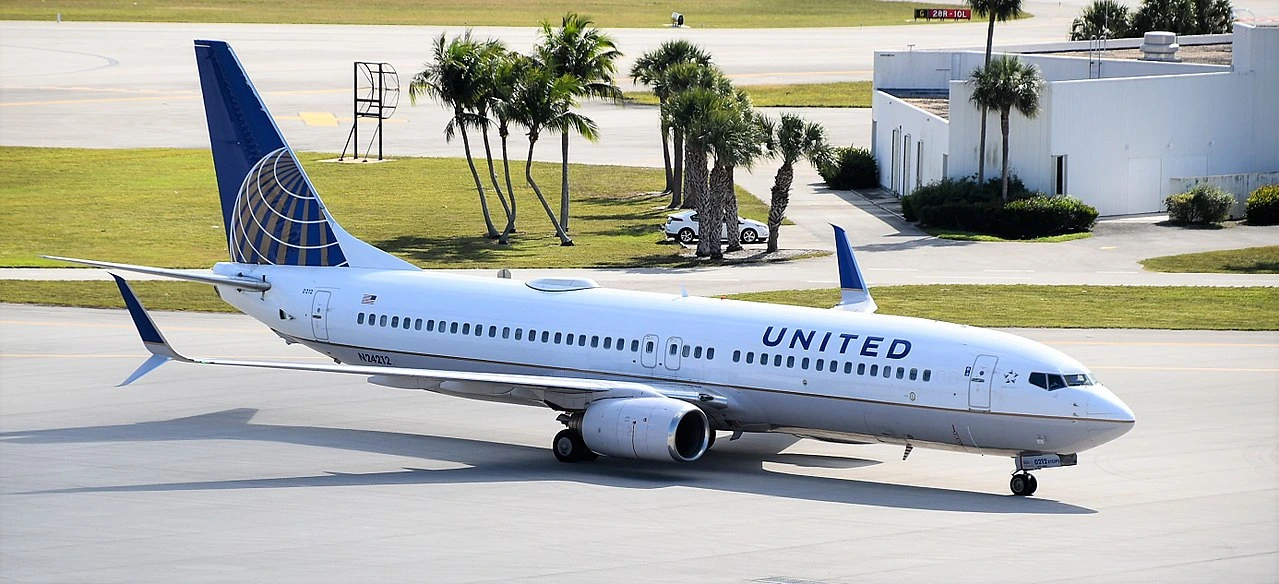
The renaming touches three separate identifier systems, each on its own schedule. The FAA’s location identifier and the International Civil Aviation Organization code both switched from PBI/KPBI to DJT/KDJT on 9 July 2026, the date used mainly by pilots, air traffic controllers and flight-planning systems.
The passenger-facing IATA code, the three letters travelers see when booking flights, does not change until 18 August 2026. The International Air Transport Association made that change at the request of airlines operating at the airport, so travelers booking before that date should continue searching under “PBI”.
Airport officials stressed that none of this changes daily operations. “The name change does not alter ownership, governance, legal status or operational control of the airport,” the airport said in a public FAQ, adding that airlines, parking, TSA screening and other services would continue as normal.
Local Officials and Lawmakers Push Back
Not everyone welcomed the change. US Representative Lois Frankel, whose district includes Palm Beach, called the process an example of state government overriding local control. “Airports named after presidents have traditionally been designated once they leave office and through decisions made by local communities and local authorities — not imposed from above,” Frankel said in a statement.
Frankel added that the legislature acted “without meaningful input from the people who actually live here, work here, and rely on Palm Beach International Airport every day.” A Bloomberg opinion column went further, arguing the deal was notable because it was “the first time such an arrangement can create new revenue streams” tied to a sitting president’s name.

A Pilot’s Lawsuit Challenges the Renaming
A Palm Beach County-based pilot filed a lawsuit in April 2026 seeking to block the change entirely. The suit argues that altering a long-established airport identifier could create confusion during high-density or time-sensitive flight operations, and that the state law improperly overrides local authority.
The FAA reviewed the matter and concluded the transition did not present extraordinary circumstances requiring a formal environmental review before implementation, allowing the administrative process to move forward on schedule.
Other Presidential Airport Names in the USA
More than ten commercial airports in the United States already carry a former president’s name, including New York’s John F. Kennedy International Airport (JFK), Washington’s Ronald Reagan National Airport (DCA), Houston’s George Bush Intercontinental Airport (IAH), Grand Rapids’ Gerald R. Ford International Airport (GRR) and Little Rock’s Clinton National Airport (LIT).
Those renamings share a pattern that Palm Beach breaks from: each honored a president after he had left office, and most followed years, not months, of local deliberation. The closest recent precedent, the 2021 renaming of Las Vegas’s McCarran International Airport for the late Senator Harry Reid, also followed his death rather than a sitting term in office.
Separately, members of Congress have floated renaming Washington Dulles International Airport (IAD) after Trump too, a proposal introduced by North Carolina Representative Addison McDowell. Aviation observers have noted that pursuing two Trump-named airports simultaneously could create confusion for travelers and flight planners alike.



.jpg\)

