Type “Air France mechanic salary” into a search bar and you’ll mostly find recruiter guesses pulled from a handful of self-reported listings. What almost nobody links to is the actual legal document that sets the floor for these wages: France’s national collective bargaining agreement for airline ground staff. That’s the difference between a number someone made up and a number an employer is legally required to pay. Here’s what’s real, what’s estimated, and where the two roles genuinely split apart.
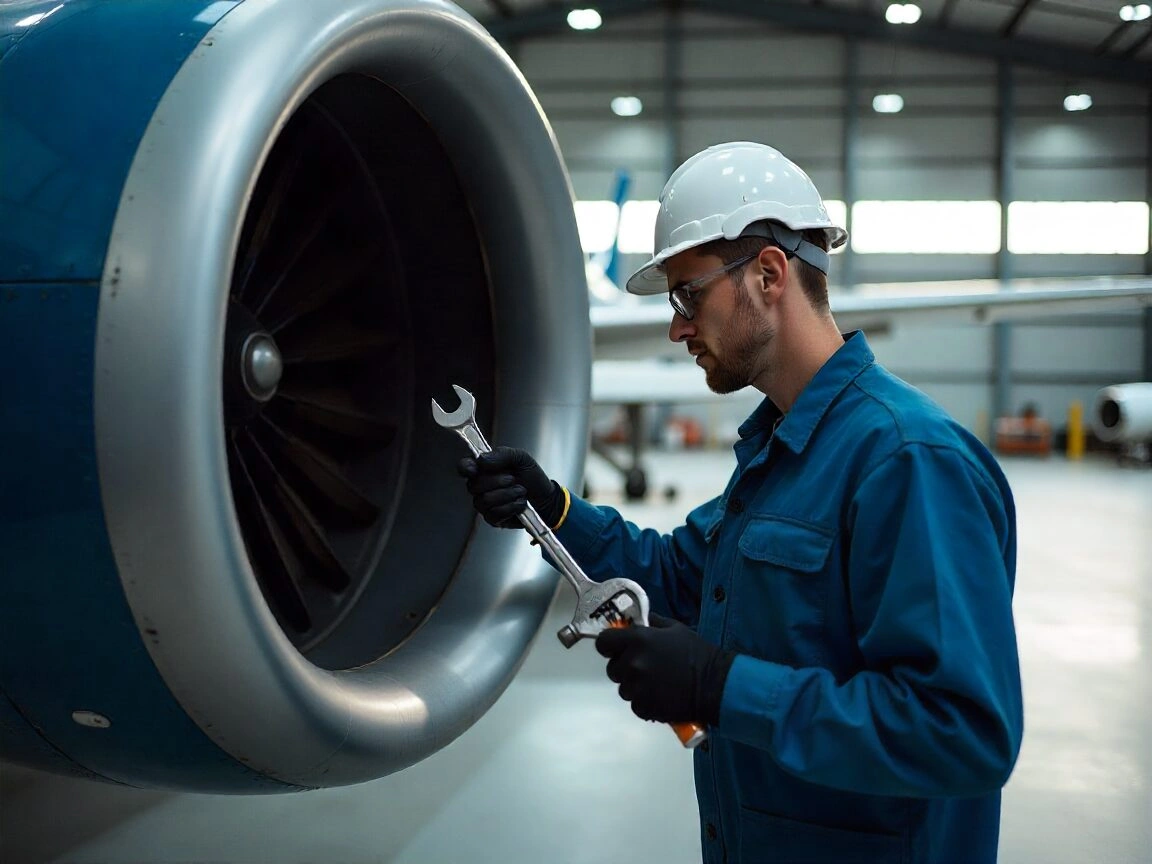
Two Jobs, One Hangar, Very Different Paychecks
Air France’s (AF) maintenance operation runs on a two-tier structure, and the pay gap between the tiers comes down to a single word: authority.
Aircraft Engineers are the ones who sign the paperwork that puts a plane back into passenger service. They investigate defects pilots report, review completed repairs, coordinate work during tight turnarounds, and — critically — hold the legal sign-off that says an aircraft is airworthy. That sign-off requires an EASA Part-66 licence (or a recognised equivalent), specific aircraft type-rating, and hands-on maintenance experience on commercial jets (fiche-paie.fr). It’s a role built on legal accountability, and pay follows accordingly.
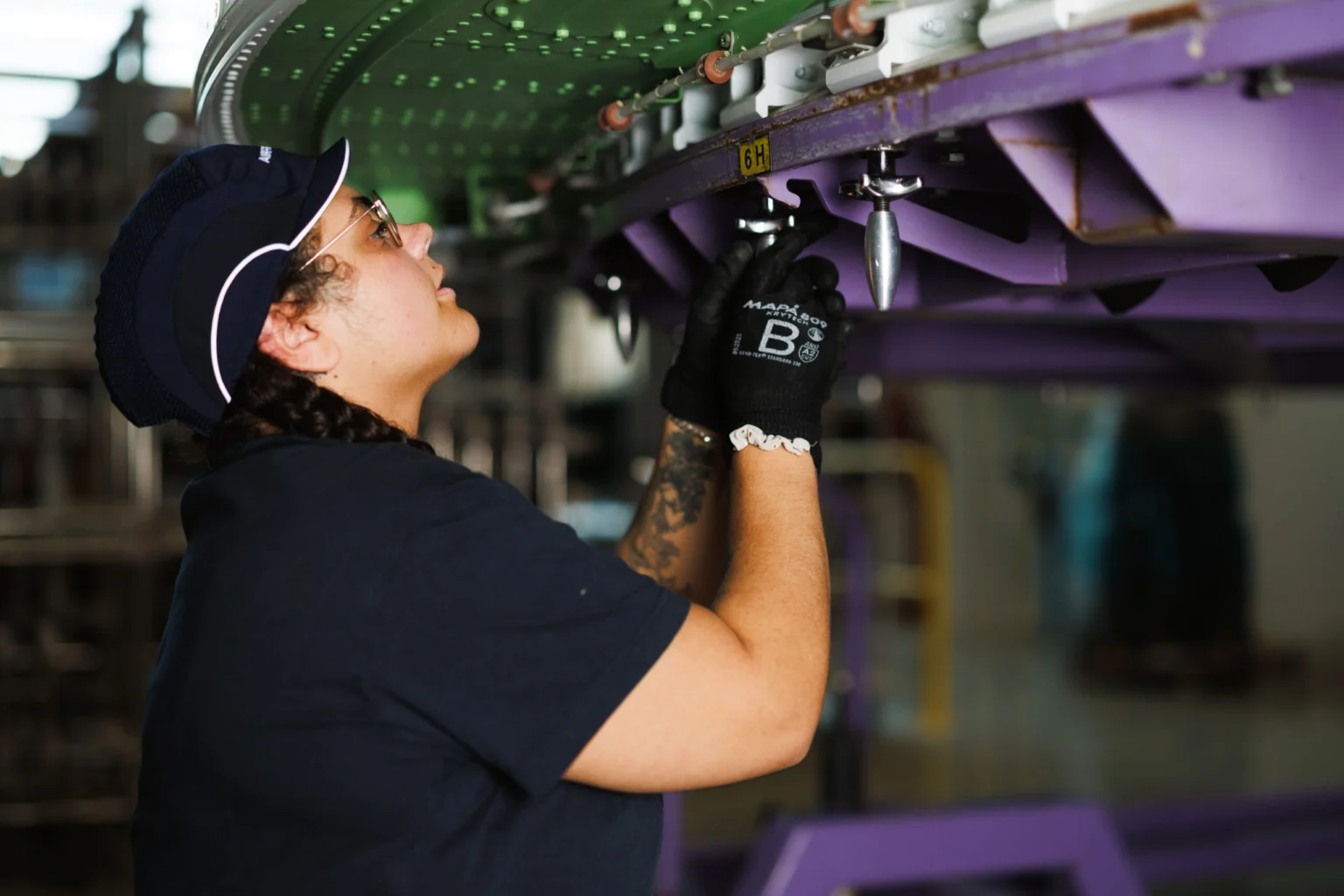
Aircraft Technicians do the physical work the engineer is ultimately certifying: wheel and brake changes, panel removal, fluid servicing, structural fixes, troubleshooting support. Entry typically requires vocational or technical maintenance training (BTS Aéronautique, BUT Génie mécanique with an aero option, or similar), with many technicians working toward Part-66 licensing over time to move up the ladder.
The career path between the two is well-established and explicit in French vocational-training guidance: technician → licensed technician → certifying engineer, with each step tied to a specific credential rather than just tenure.
What the Law Actually Guarantees
Unlike Emirates or most Gulf carriers, ground staff pay at a French airline isn’t a black box. Air France is bound by the Convention collective nationale du personnel au sol des entreprises de transport aérien — a legally enforceable wage agreement, renegotiated annually and published through France’s official legal database. Every ground-staff role, including maintenance engineers and technicians, is assigned a numerical coefficient, and each coefficient carries a binding minimum monthly wage that employers cannot legally pay below, on top of the national minimum wage (SMIC) if that happens to be higher.
As of the most recent published grid, those legal minimums for a standard 35-hour week span from €1,788 to €5,838 gross per month, depending on coefficient. That’s the legal floor across the whole ground-staff pay scale — from entry-level agents up through senior technical and supervisory grades — not a specific engineer-vs-technician split, but it’s the real backbone that any Air France maintenance salary sits on top of.
Where Engineers and Technicians Actually Land
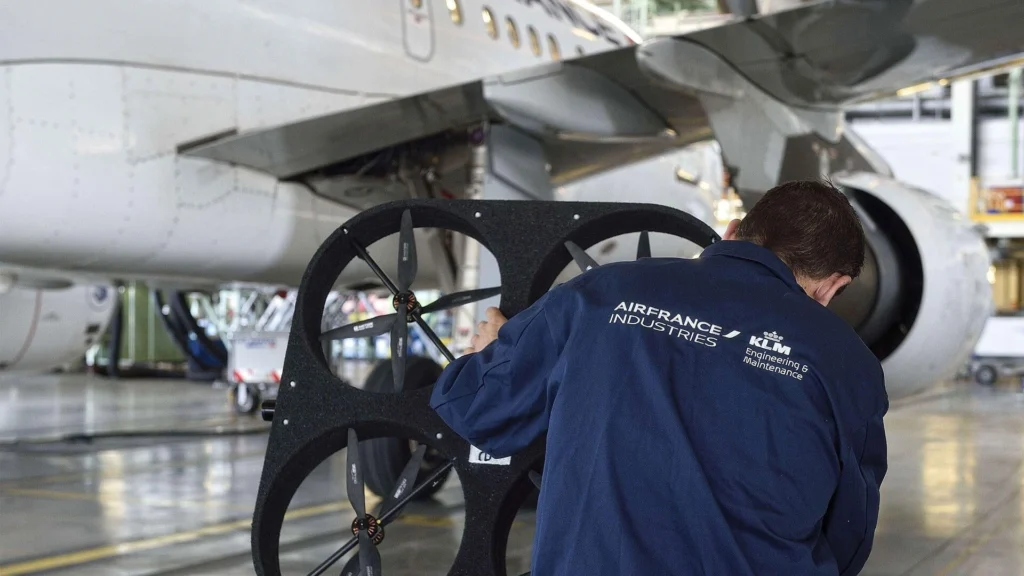
Layering typical role progression onto that wage grid, plus general French aeronautical-sector benchmarking, gives a realistic (not government-mandated, but grounded) picture:
Aircraft Technicians
- Entry-level, freshly trained: roughly €2,000–€2,400/month gross, consistent with published national benchmarks for junior aeronautical technicians
- Once Part-66 licensed and confirmed in the role: €2,600–€3,200/month gross as a realistic mid-career range for licensed technicians nationally
- Senior technicians handling complex or specialist scheduling can push higher once shift premiums, night/weekend loading, and the standard French 13th-month bonus are added — pushing annual totals toward the €35,000–€45,000 range in practice, though this varies by grade and roster
Aircraft Engineers
- The national average gross salary for an aircraft engineer in France sits around €54,122/year (~€4,500/month), with entry-level engineers (1–3 years) averaging closer to €38,410/year and senior engineers (8+ years) averaging €61,538/year
- At a major carrier like Air France, where certifying engineers carry line-release responsibility on a large mixed fleet (Airbus A220/A320/A350, Boeing 777), pay tends to sit toward the upper end of that national band, with shift premiums and seniority pay capable of pushing top earners meaningfully higher
The consistent pattern: licence authority is what moves the needle. A technician who becomes Part-66 licensed and starts signing off work doesn’t just get a title change — they cross into a materially different pay bracket, which is exactly why the vocational guidance around this career treats getting licensed as the single highest-leverage move a technician can make.
Why You Won’t Find an Exact “Air France Engineer Salary” Figure
Air France doesn’t publish role-specific salary tables the way Lufthansa or Air France-KLM publish executive compensation in shareholder filings. Individual employee pay within the collective bargaining framework depends on the employee’s specific coefficient, seniority bonus, shift pattern, and site — information that sits in internal HR systems and individual contracts, not public documents. What is public and binding is the wage floor described above; everything above that floor is negotiated within the company’s own pay policy and union agreements, which isn’t disclosed role-by-role.

Beyond the Paycheck
Total compensation for Air France maintenance staff typically includes more than base salary:
- Airline travel concessions across the network
- Statutory French paid leave (5 weeks minimum, per national labour law) plus RTT time
- Employer pension and social contributions, mandatory under French law
- Training investment tied to fleet type-ratings, particularly valuable given Air France’s mixed Airbus/Boeing fleet
- Overtime and shift premiums for night, weekend, and on-call work
- Internal mobility across a large airline group, including pathways from technician to certifying engineer
For many people in the field, that combination — job security, structured progression, and a legally enforced wage floor — is a bigger draw than the base number alone, particularly compared to less regulated markets.

Bottom Line
There’s no single confirmed “Air France engineer salary” or “Air France technician salary” for 2026, because pay depends on individual coefficient and seniority within a collectively bargained system rather than a flat published rate. What is verifiable is the legal wage floor set by France’s airline ground-staff agreement (€1,788–€5,838/month gross across all grades), plus national benchmarking that puts realistic technician pay in the €24,000–€45,000/year range and engineer pay in the €38,000–€62,000+/year range, with licence authority as the main variable separating the two. If you’re deciding whether to pursue Part-66 certification, the pay data says clearly: it’s the highest-value step available in this career.

.jpg)
FAQs
What is the actual legal minimum wage for Air France ground maintenance staff? France’s national collective bargaining agreement for airline ground staff (IDCC 275) sets binding monthly minimums, currently ranging from €1,788 to €5,838 gross depending on coefficient — a legal floor, not a typical or average salary.
Is an Aircraft Engineer’s salary always higher than a Technician’s at Air France? In practice, yes — the EASA Part-66 licence and release-to-service authority that defines the engineer role is consistently tied to higher pay brackets nationally, though exact figures depend on seniority and site.
Can Air France publish exact role-by-role salaries? No — individual pay is set within the collective bargaining framework based on personal coefficient, seniority, and internal pay policy, none of which is published as a role-specific public salary table.
What’s the fastest way to increase pay in this career path? Gaining an EASA Part-66 licence and moving from technician to certifying engineer status is the single most consequential step, based on both national benchmarking and industry vocational guidance.