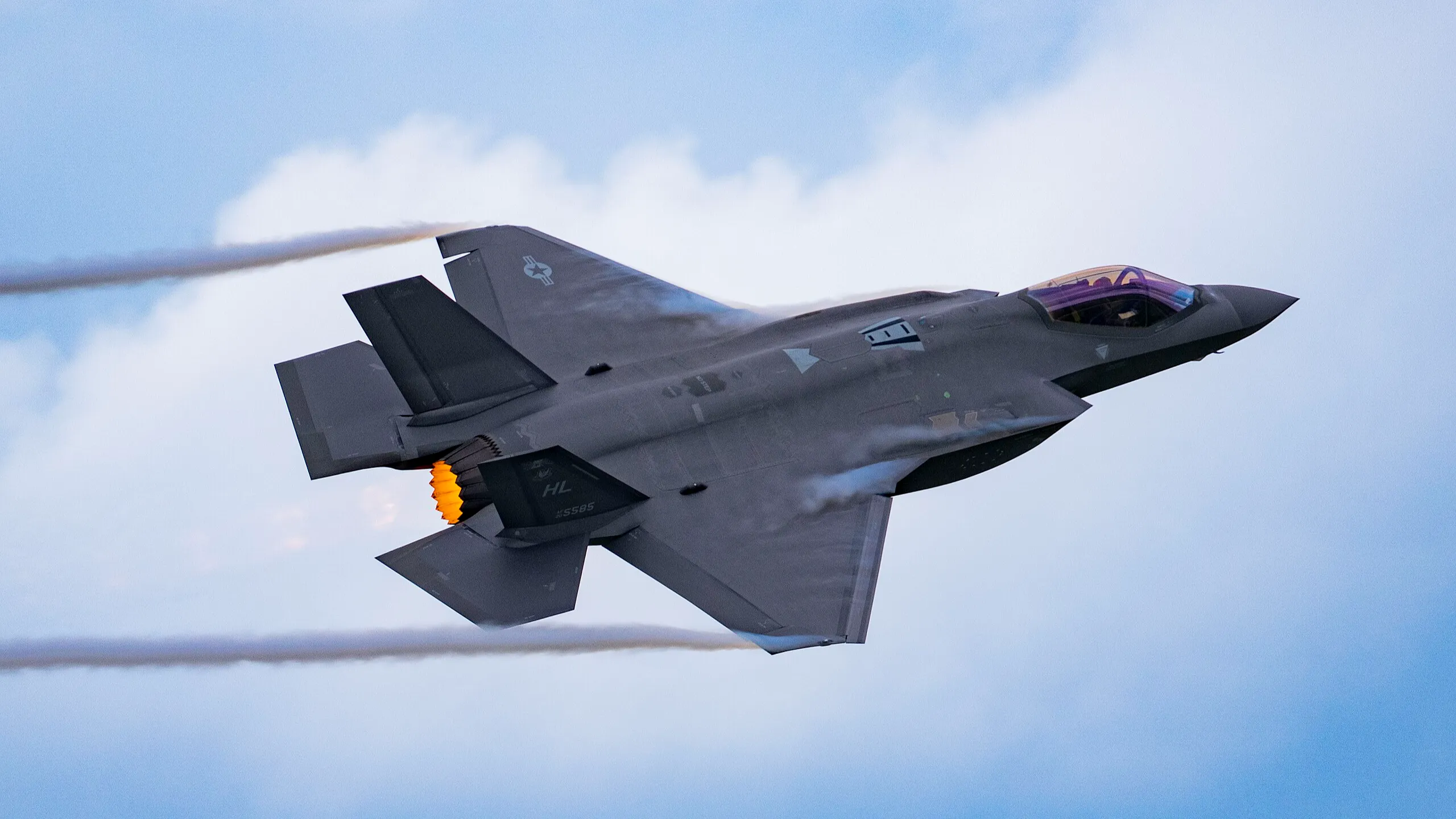
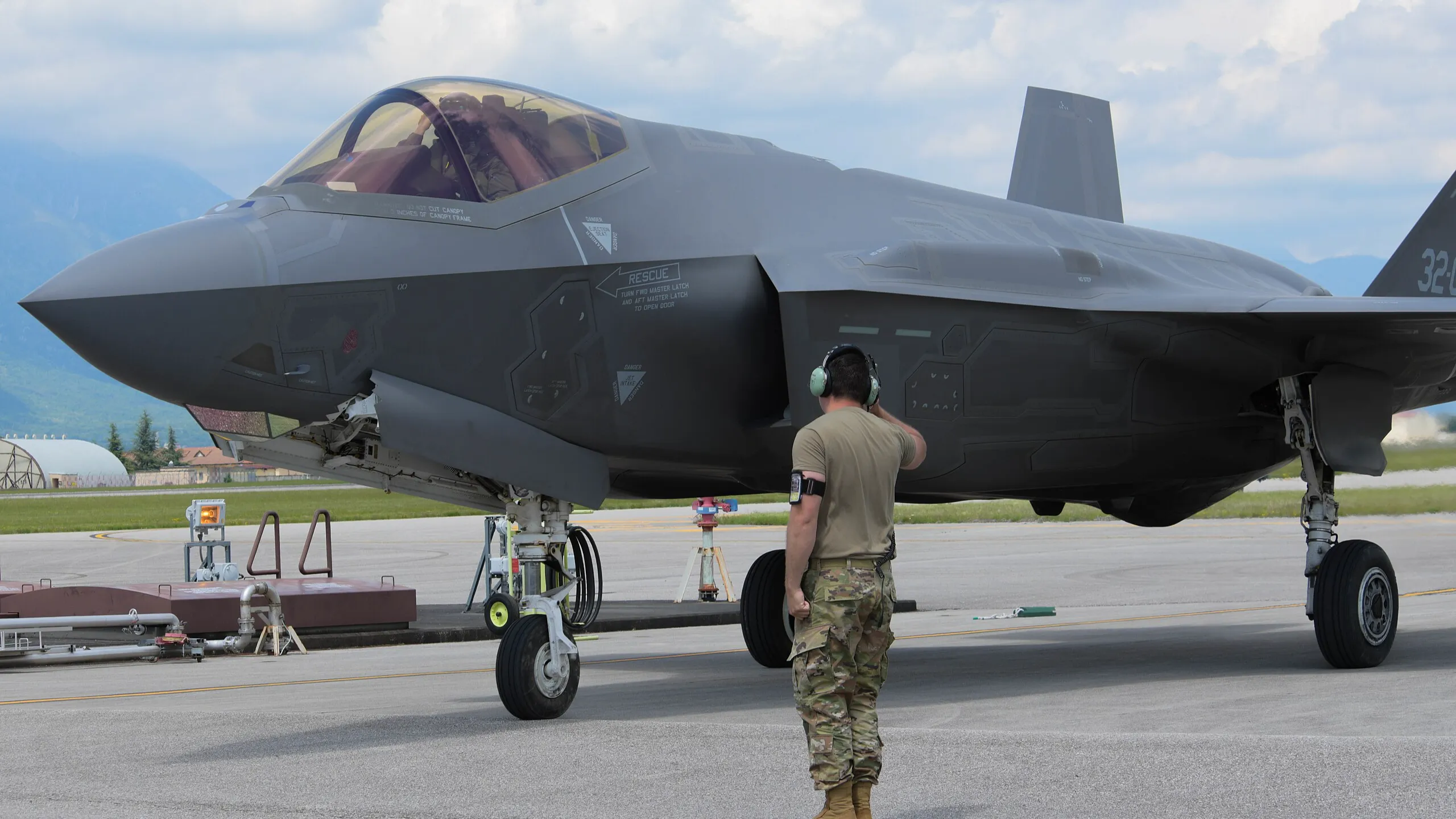
The US Marine Corps has quietly accepted six new F-35B Lightning II fighter jets despite one major omission: none of them arrived with their primary combat radar installed, Air and Space Forces reported.
Instead of the long-awaited Northrop Grumman AN/APG-85 radar, the aircraft were fitted with ballast in the nose to preserve the correct center of gravity. The temporary solution allows Lockheed Martin to continue delivering aircraft while the delayed radar system catches up with production.
If the delays continue, the US Air Force and US Navy could soon find themselves accepting radar-less F-35s as well.
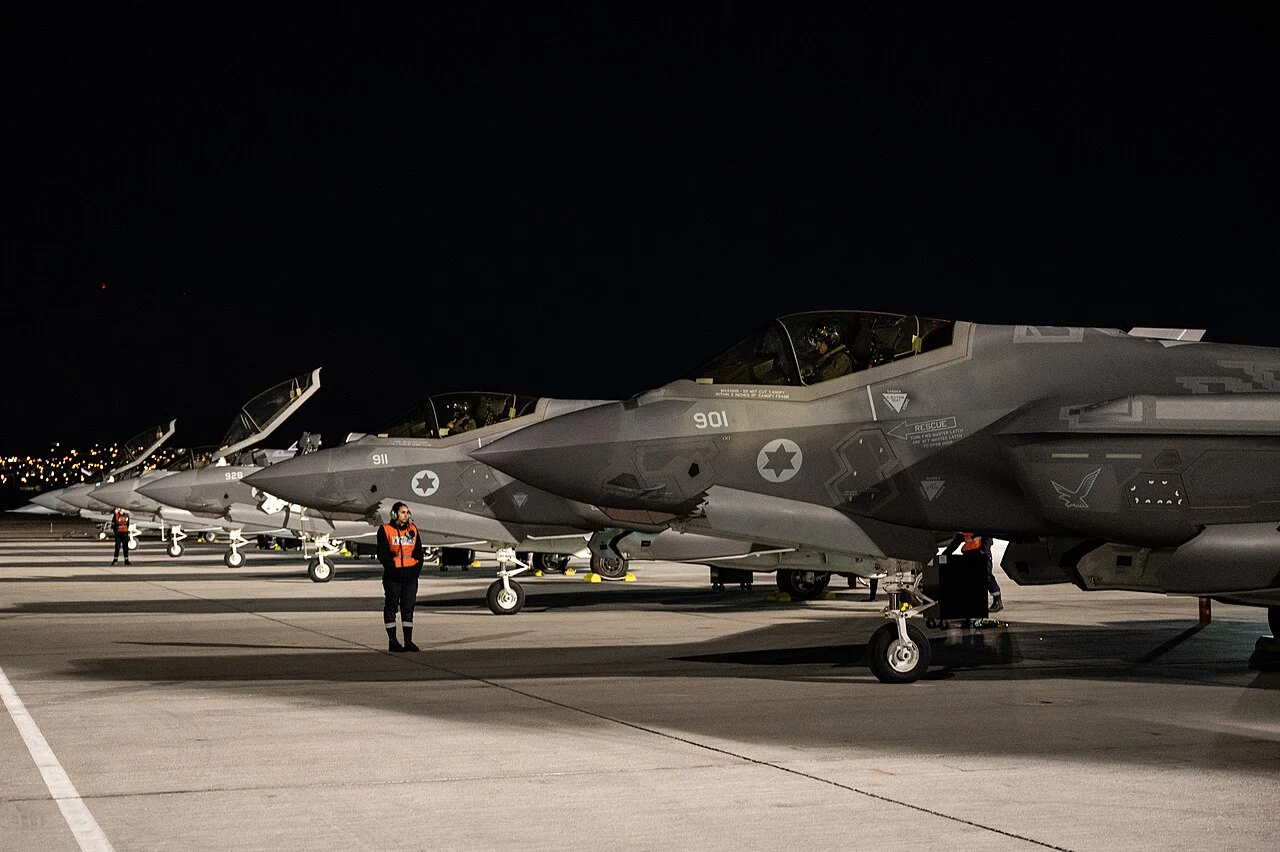
Radar Delays Reach the Production Line
The affected aircraft belong to Lot 17, the first production batch specifically designed to use the new AN/APG-85 active electronically scanned array (AESA) radar. Unlike previous F-35 variants equipped with the AN/APG-81, these jets feature a redesigned forward fuselage structure tailored exclusively for the new sensor.
That redesign means the older radar cannot simply be installed as a stopgap. The mounting hardware is different, making the two systems incompatible without major structural changes.
The situation is further complicated because the radar is procured separately by the US government rather than through Lockheed Martin’s aircraft production contract. As a result, the delivery delays stem from Northrop Grumman’s radar program rather than aircraft manufacturing.
Rather than slowing production, the Pentagon has chosen to accept completed aircraft now and install the radar once it becomes available.
Six Aircraft Delivered So Far
During testimony before the Senate Armed Services Committee on June 23, Marine Corps Lt. Gen. Gregory Masiello, who leads the F-35 Joint Program Office, confirmed that six Marine Corps F-35Bs had already been delivered without the radar.
The aircraft entered acceptance testing in February and were built earlier this year.
At present, the Air Force and Navy have not yet received similarly configured aircraft. However, officials acknowledged that both services are expected to begin taking delivery of radar-less F-35s later this year if radar production continues to lag behind aircraft assembly.
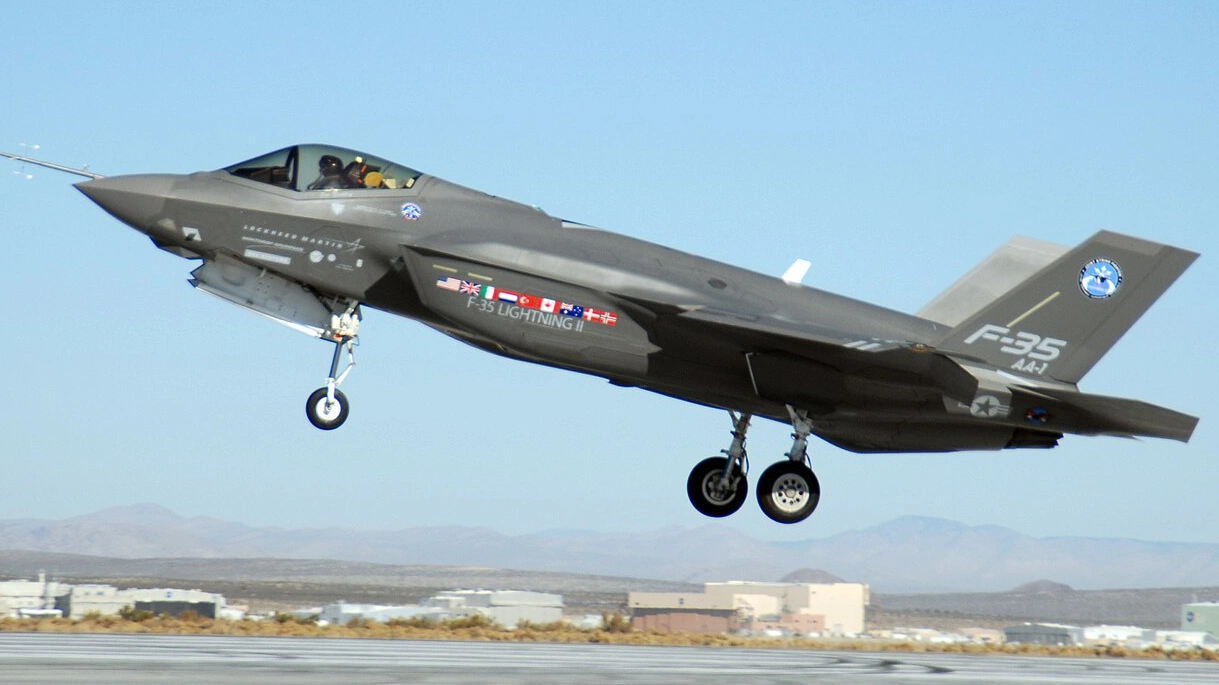
Able To Fly, But Not Fight
Although the missing radar does not prevent the aircraft from flying, it significantly limits what they can do.
The fighters can still be used for pilot training and routine flight operations, but they cannot participate in combat training or operational missions because the radar forms a core part of the aircraft’s mission systems.
Once the delayed AN/APG-85 units become available, they will be installed on the delivered aircraft, allowing them to reach their intended combat configuration.
A Calculated Risk by The Pentagon
The Joint Program Office says this outcome was anticipated.
In a statement sent on June 25, officials explained that the F-35 program intentionally follows a highly concurrent development model, allowing production to continue while some technologies are still completing development and testing.
That strategy helps avoid costly production interruptions, but it also creates situations where aircraft are delivered before every planned capability is ready.
According to the program office, the Pentagon accepted this risk from the outset, fully aware that some systems could arrive after the aircraft themselves.
Not The First Time
Delivering incomplete military aircraft is far from unprecedented.
During the early years of the F-15 Eagle program in the 1970s, engine shortages forced the Air Force to remove powerplants from already-delivered aircraft and install them in newly built fighters awaiting delivery. Once engine production stabilized, the affected aircraft were returned to operational service.
The current F-35 radar issue reflects a similar philosophy: keep the production line moving and retrofit missing components later rather than halt manufacturing altogether.
Readiness Concerns Continue
The deliveries also arrive as the F-35 program faces renewed scrutiny over fleet readiness.
A recent Government Accountability Office report found that only around 25% of F-35s were fully mission capable during 2025, meaning they could perform every assigned combat mission.
The report also estimated that 44.1% of the fleet could perform at least one operational mission, a figure still well below long-term readiness objectives.
Masiello did not challenge the GAO’s findings directly but argued that the program office uses different readiness metrics. Based on those internal measurements, he said the mission-capable rate is closer to 56%.
He also acknowledged that aircraft delivered without their radar systems cannot be counted as fully mission capable until installation is complete.
The Cooling Challenge Behind the New Radar
The delayed AN/APG-85 radar is one of the centerpiece upgrades planned under the F-35’s Block 4 modernization program. However, its increased performance also creates a significant engineering challenge.
Compared with the AN/APG-81 it replaces, the new radar generates substantially more heat, placing additional strain on the aircraft’s cooling and power systems.
According to Masiello, future F-35 upgrades will require enough cooling capacity to support onboard systems consuming between 62 and 80 kilowatts of electrical power—more than double the roughly 32 kilowatts supported by today’s aircraft.
He described thermal management as the program’s most pressing technical hurdle, noting that the current system has virtually no remaining capacity for future growth.
To address the problem, engineers are pursuing incremental improvements while evaluating more comprehensive upgrades to the aircraft’s power and thermal management system.

Larger Upgrades Still Years Away
The Joint Program Office had previously explored an all-new engine that would have dramatically increased cooling capacity, but that proposal was ultimately shelved because of its projected cost.
Instead, the F-35 will receive an upgraded Pratt & Whitney engine core, currently expected to enter production after 2031. While the enhancement should provide some additional cooling, officials say it will only deliver a modest improvement.
More substantial upgrades to the aircraft’s thermal management architecture are planned for later modernization phases beyond Block 4.
Many of the technical details surrounding the AN/APG-85’s capabilities and cooling requirements remain classified. Masiello deferred further discussion during the Senate hearing until lawmakers moved into a closed session.


.jpg)


.jpg)
