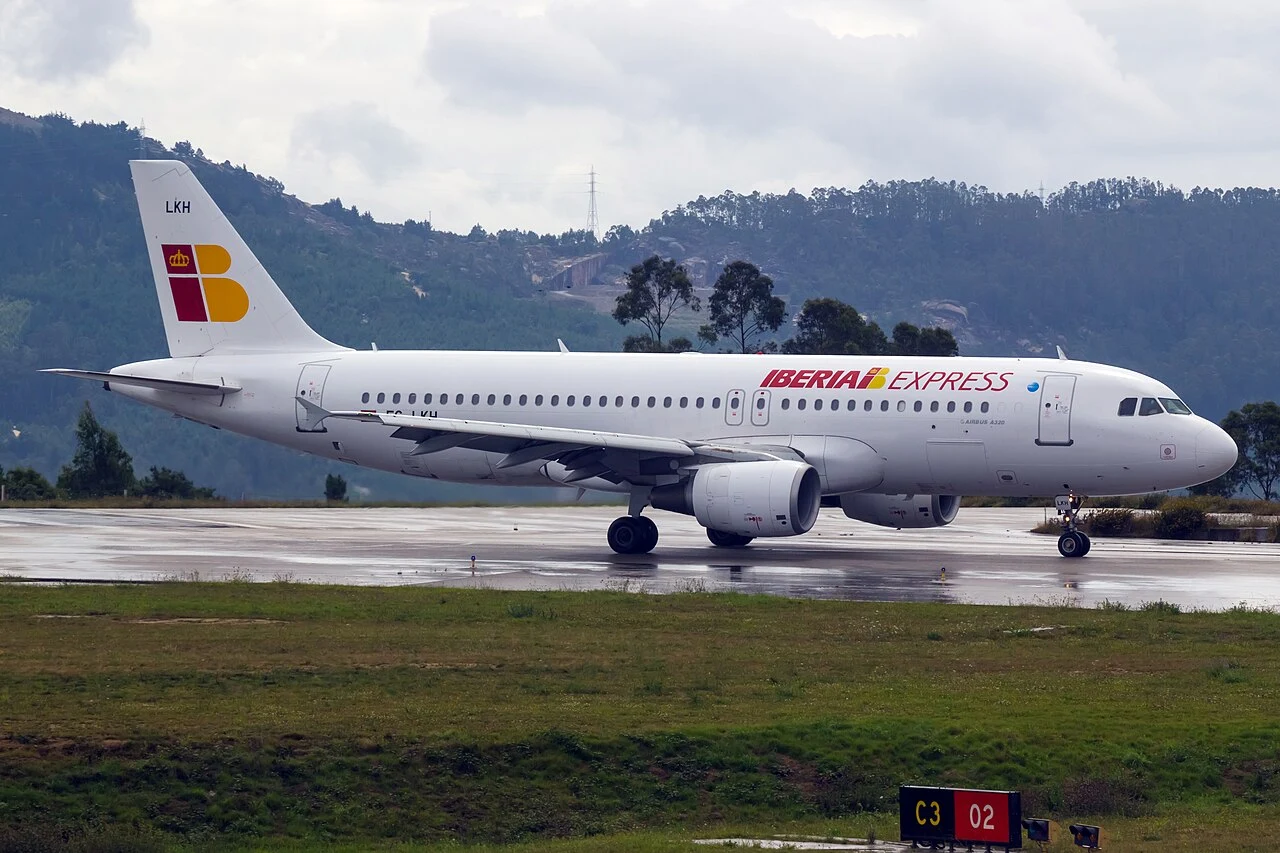
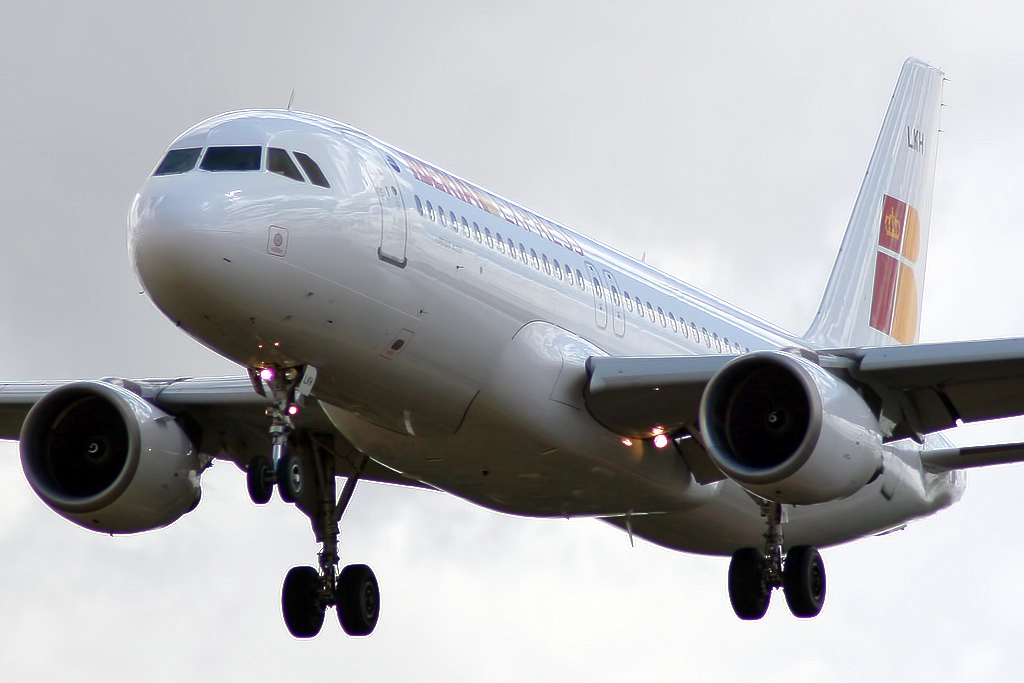
A social media user known as rosa.adventures posted a video on June 25, 2026, showing herself performing yoga poses, including a handstand and a one-legged balance, in the narrow rear aisle of an Iberia Express (I2) Airbus A320-family aircraft. The footage, shared on both Instagram and TikTok, drew sharp criticism from aviation commentators who called the act reckless and inconsiderate toward fellow passengers.
The video shows the influencer performing the routine within feet of other travelers, including a lap infant seated directly beside where she was moving. Commentary on the clip noted that crew members would typically intervene within moments of spotting this kind of behavior, and the video itself appears to capture only a brief portion of the activity before it presumably ended.
What the Video Shows
The influencer captioned her post: “Proof that my training is paying off. Whether I’m on land or 35,000 feet in the air, I can still go upside down, balance on one leg, and move my body with confidence!! Your body carries enough. Let it move.”
The footage was filmed in the back of the cabin on a narrow-body aircraft, a tight space where, according to commentary from One Mile at a Time, passengers were “camped in there like sardines.” The location and setup, including the apparent use of a tripod to record the routine, suggested the video was planned in advance rather than a spontaneous stretch.
Why Critics Say Yoga on a Flight is Dangerous
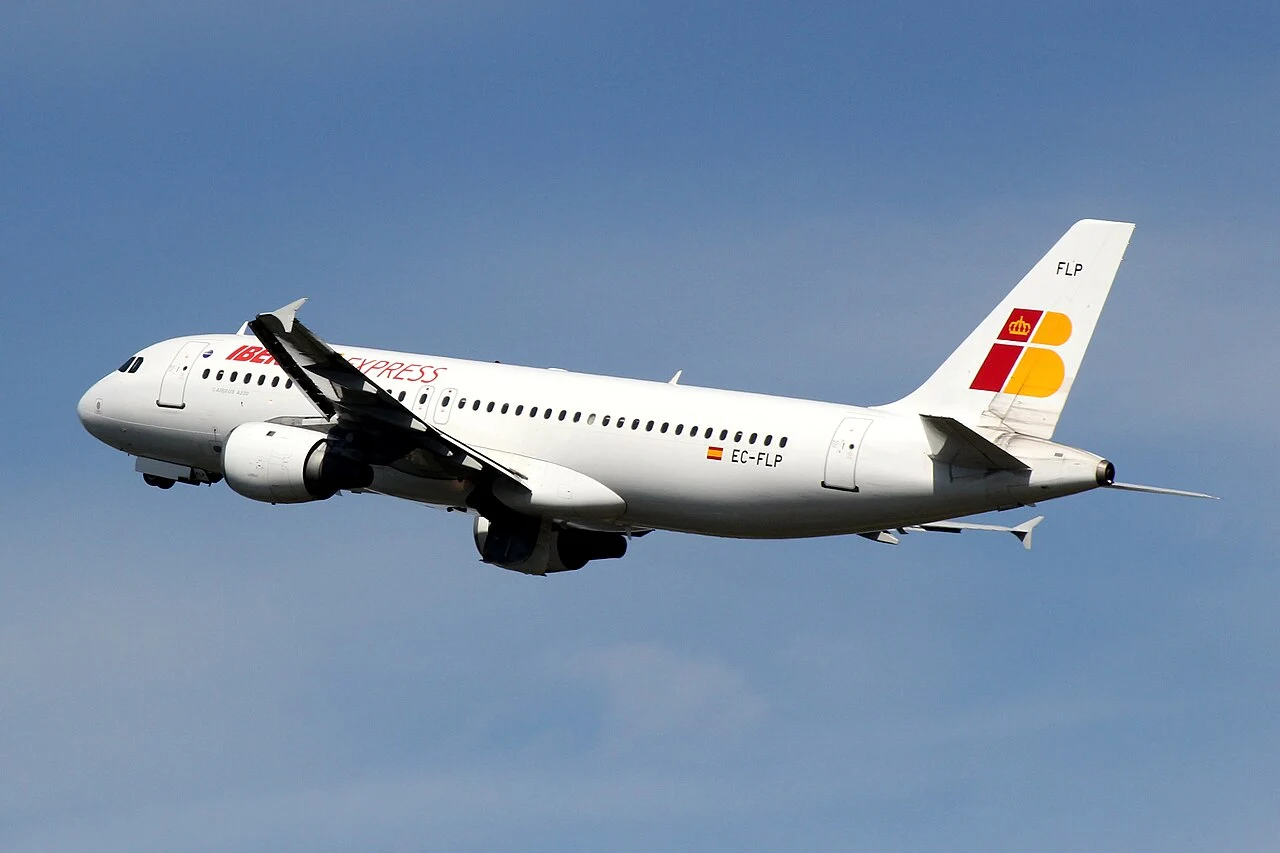
Aviation commentators flagged the safety risk first. Performing inverted poses and balancing moves in an aircraft aisle becomes especially hazardous if the plane encounters unexpected turbulence, since an unbelted passenger standing in this position has little ability to brace for sudden movement.
The presence of a lap infant seated immediately next to where the routine took place heightened the concern. One Mile at a Time’s founder, Ben Schlappig, described the scene directly:
“Most horrifying to me is that there’s a lap infant seated exactly where she is doing this yoga (on the right), so imagine if she accidentally rammed into the baby.”
He added that endangering oneself is a personal choice, but doing so near others without their consent is a separate issue entirely.
This is Not the First Viral in-flight Workout
This is far from an isolated case of a passenger turning a cabin into an impromptu gym or studio. In December 2025, the American DJ Diplo posted a video of himself doing yoga in Emirates (EK) first class, captioning it:
“next time ill lead the whole cabin in a class.” In the video, he explained his routine in a Boeing 777 first-class suite: “You just buy the first class seat, which costs like $12,000, and then you sleep through all the meals and all the free stuff, and then you wake up with an hour left and just feel really lazy, so you just start doing yoga.”
He said in the clip that he stopped only after crew members told him to.
A separate incident in March 2025 saw a fitness influencer, identified on social media as Bárbara de Regil, filmed sprinting on the spot and performing jumps in pajamas and an eye mask down the aisle of a long-haul flight, captioning her post about exercising after nearly 35 hours of cumulative flying.
Coverage of that incident, published by The Tab, quoted one online commenter calling the display the “Idiot of the Year” contender, reflecting a similar wave of public criticism to the one now surrounding the Iberia Express video.
Beyond the safety concerns, much of the criticism aimed at the latest video centered on its perceived purpose. Some suggested that genuinely valuing a quick stretch on a flight does not typically require setting up recording equipment beforehand, suggesting the routine was staged primarily for online engagement rather than personal wellness.
There also might be some dissonance between how the actual incident seemed compared to how widely it circulated online, as it is likely that it lasted no more than 30 seconds before the crew quickly intervened and ordered her to stop the behavior. In the Diplo video, the influencer himself acknowledged being told to stop by Emirates crew members after a short routine.
How Airlines Typically Respond to This kind of Behavior
Flight crews are trained to manage disruptive or unsafe passenger behavior regardless of intent, and aviation commentary on these viral videos consistently notes that intervention tends to be swift once an activity blocks the aisle or galley area.
Aisles and galleys must remain clear for safety reasons, including during turbulence and in the event of an emergency evacuation, which is part of why these kinds of routines draw immediate attention from crew even when no rule explicitly bans “yoga” by name.
Unlike cases involving alcohol-fueled disruption or confrontations with crew, incidents like this one typically do not result in diversions or police involvement, since the behavior usually stops as soon as a flight attendant asks.
That said, repeated or sustained refusal to comply with crew instructions can escalate into the same category of disruptive-passenger enforcement used in more serious onboard incidents.



.jpg)