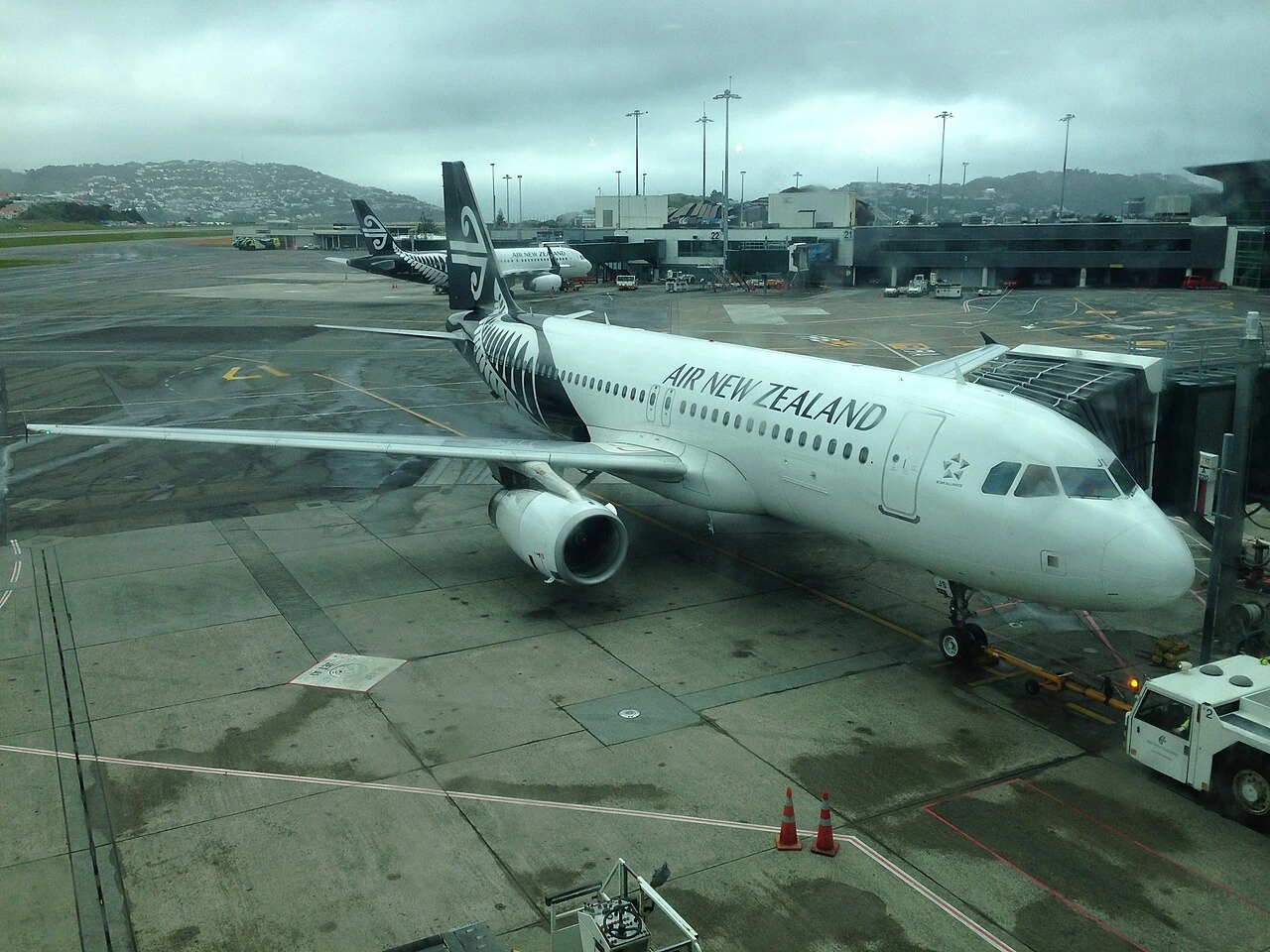
An Air New Zealand (NZ) Airbus A320, registered ZK-OJS and operating as flight NZ582, became stuck in soft ground at Christchurch Airport (CHC), Christchurch, on Sunday morning. The aircraft’s main wheels left the edge of the taxiway and sank into wet grass during a routine pushback ahead of its scheduled departure to Auckland Airport (AKL), Auckland, according to RNZ. All passengers disembarked safely and the airline organised a new flight to Auckland for them.
The flight had been scheduled to leave at 5:45am but was still stuck in Christchurch at 7am, according to flight-tracking data. Air New Zealand’s chief safety and risk officer, Nathan McGraw, confirmed that the aircraft’s main wheels went on the grass beside the taxiway and that the aircraft has remained in place, with customers having all disembarked safely. Passengers will not get their luggage back until the next day, since special equipment is needed to free the aircraft.
How the Incident Unfolded
The aircraft was being pushed back from its gate when the mishap occurred. The aircraft’s main wheels rolled onto the grass beside the taxiway and sank into the ground while preparing to depart for Auckland.
A passenger on board described the early uncertainty about how the aircraft would be freed. The captain originally said it would take three tugs to free the aircraft, before updating them just before 7am that they were not going anywhere. The same passenger said in their own words: “Will take some serious grunt to pull us free, wheels have sunk.”
A Christchurch Airport spokesperson confirmed the incident occurred but told the Herald that no other flights were disrupted. The spokesperson also said the plane was pushed off its stand onto a small grass area and that passengers were being taken off the aircraft as airport staff dealt with the situation.
ZK-OJS: Air New Zealand’s Airbus A320 involved in the Incident
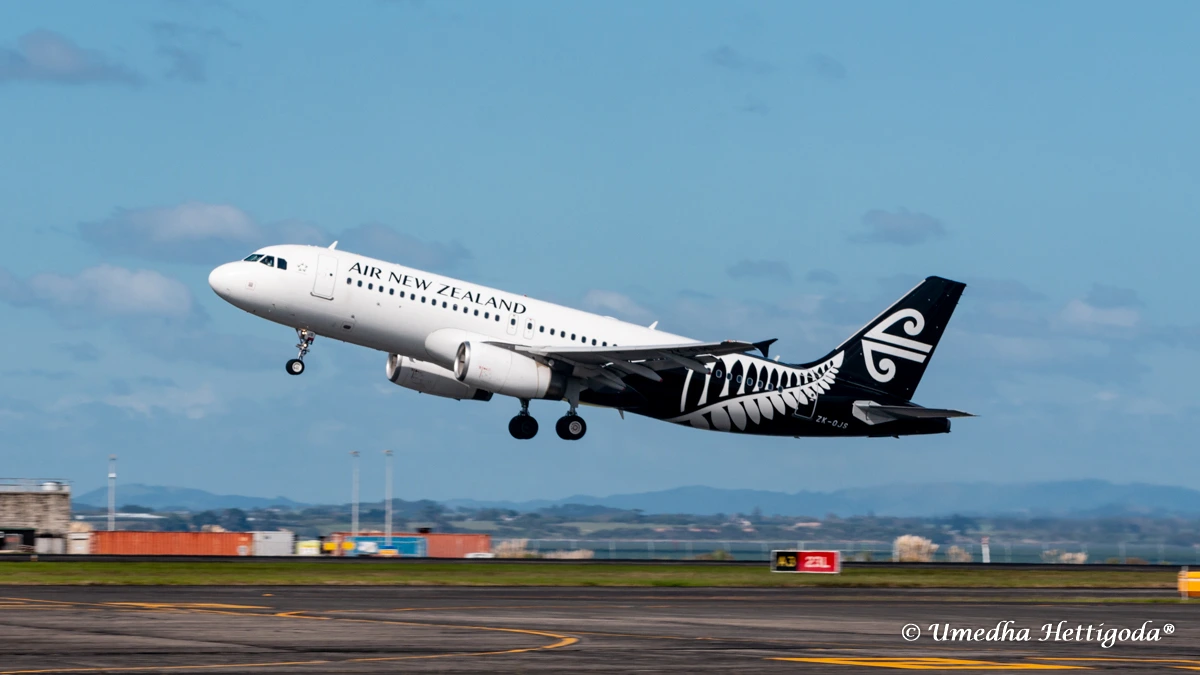
The aircraft involved, registered as ZK-OJS, is an Airbus A320-200 operated by Air New Zealand. Built at Airbus’ Toulouse (TLS) production facility in France, the aircraft carries manufacturer serial number (MSN) 4926 and first flew under the test registration F-WWIT before entering commercial service.
According to planespotters.net, the aircraft was delivered to Air New Zealand in December 2011, the narrowbody jet is approximately 14.6 years old and remains in active service. The aircraft is configured to accommodate 171 passengers and is powered by two International Aero Engines (IAE) engines.
According to fleet records, ZK-OJS has been operated by Air New Zealand throughout its service life, initially under a lease arrangement that continued until May 2021, after which a subsequent leasing agreement took effect. The aircraft is commonly deployed on domestic and short-haul international routes across Air New Zealand’s network.
Air New Zealand’s Official Response
Air New Zealand’s chief safety and risk officer, Nathan McGraw, said the airline was arranging a replacement flight to Auckland for affected passengers later that morning. He thanked those onboard for their patience as the carrier worked to get them safely to their destination.
McGraw also explained that passengers would have to wait longer for their checked baggage because the bags could not be removed from the aircraft while it remained in its current position. He acknowledged the inconvenience and said airline staff would work to reunite passengers with their luggage as soon as possible.
The aircraft was expected to remain overnight while specialist towing equipment was brought to Christchurch. Once the equipment arrived, the aircraft could be moved safely back to the gate, allowing staff to unload the baggage and conduct an engineering assessment.
Christchurch Airport directed media inquiries about the incident to Air New Zealand, leaving the airline responsible for providing updates on the aircraft’s recovery and the passengers’ baggage.
Why Aircraft Get Stuck on Soft Ground
Pushback is one of the most routine procedures in commercial aviation, but it carries risk when ground crews misjudge clearance near unpaved surfaces. A tow tug pushes the aircraft backward from the gate using a tow bar attached to the nose landing gear, and the manoeuvre depends on the tug operator tracking the aircraft’s path precisely.
When a wide-body or narrow-body aircraft’s heavy main landing gear rolls even a short distance onto wet or soft turf, the wheels can sink quickly under the aircraft’s weight. Recovery in these situations typically requires:
- Specialist tow equipment capable of generating far more pulling force than the standard pushback tug
- An engineering assessment of the landing gear and tyres before the aircraft is cleared to taxi again
- Ground mats or plates in some cases, to spread the aircraft’s weight and prevent further sinking
What Happens Next for Affected Passengers
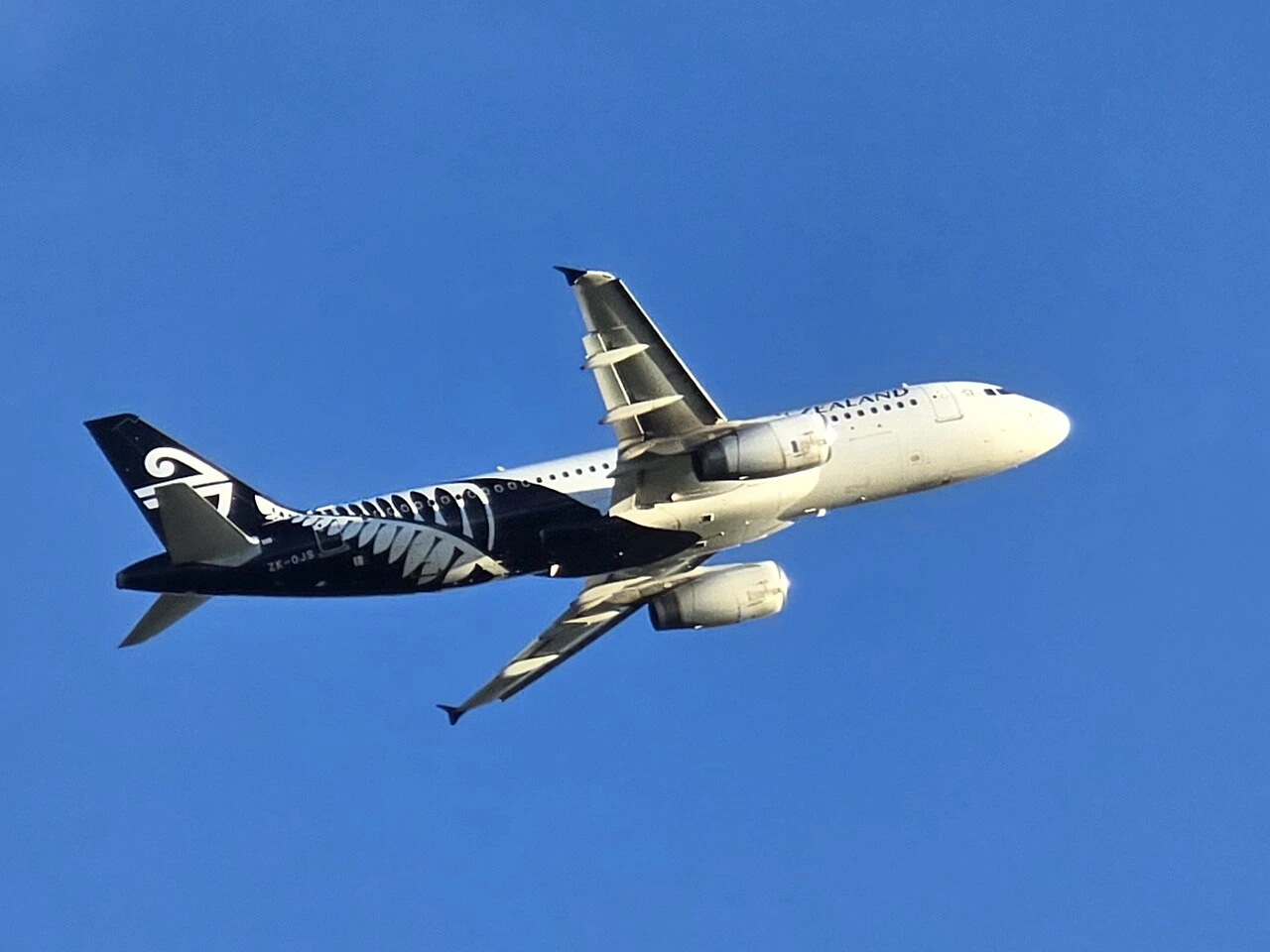
Air New Zealand confirmed it arranged a replacement flight to Auckland for passengers booked on NZ582. The airline has not detailed compensation arrangements beyond the new flight, and it remains unclear how long the engineering assessment of ZK-OJS will take once the aircraft is moved back to the gate.
A Christchurch Airport spokesperson reiterated that the wider terminal operation was unaffected, confirming again that no other flights were disrupted by the grounded aircraft.
.jpg)
.jpg)
.jpg)
.jpg)