Boeing’s 777, universally called the Triple Seven, first entered commercial service with United Airlines (UA) on May 15, 1995 and has since accumulated 2,485 total orders from over 60 operators, making it the most commercially successful widebody aircraft in aviation history by orders placed.
The Boeing 787 Dreamliner, which entered service with All Nippon Airways (NH) in October 2011 built its fuselage from carbon fibre composite rather than aluminium, eliminating engine bleed air, and producing a passenger cabin experience that Boeing argues, and physiological data supports, is meaningfully better for human health on long flights.
As of April 2026, Boeing has delivered 1,787 of the 2,485 777s ordered, with passenger 777-300ER deliveries having effectively ceased — the final passenger unit was delivered to Altavair LP in 2024, per Airline Ratings — while the 777’s successor, the 777X, has accumulated 619 orders but remains mired in a certification programme now expected to deliver its first aircraft to Lufthansa (LH) no earlier than 2027 — seven years behind its original schedule.
The 787, despite having suffered its first hull loss in the Air India AI 171 crash, by contrast, continues in active production at Boeing’s North Charleston facility with a current delivery rate of eight aircraft per month, per Leeham News, and in 2025 delivered 88 twin-aisle passenger aircraft to operators including Delta, United, and Emirates.
Size And Capacity Where One Aircraft Holds a Structural Advantage
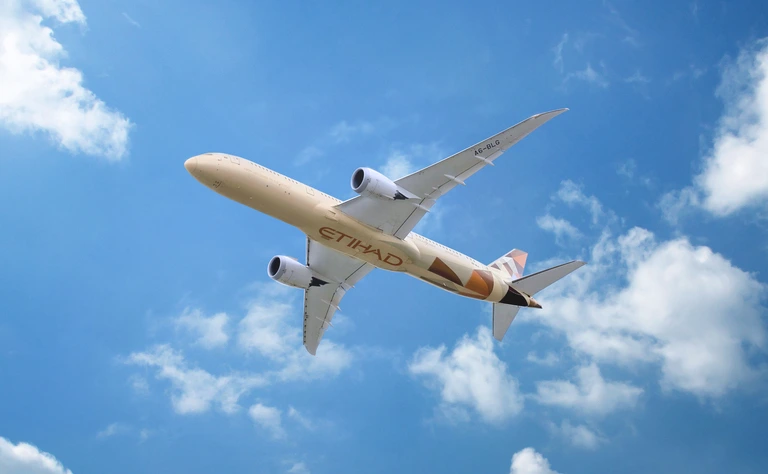
The 777 and 787 do not compete in the same capacity segment. The 777-300ER measures 73.86 metres in length and carries 396 passengers in a typical two-class configuration, with a maximum certified capacity of 550 passengers in a single-class charter layout. The longest 787 variant, the 787-10, measures 68.28 metres and carries 330 passengers in two classes — 66 fewer than the 777-300ER in an equivalent configuration.
The Triple Seven also has a greater cabin width. The 777-300ER’s cabin width of 5.87 metres versus the 787-9’s 5.49 metres means a 38-centimetre difference that allows the 777 to accommodate a 3-4-3 economy seating layout across 10 seats per row, compared to the 787’s standard 3-3-3 configuration across 9 seats per row.
The 777-200LR’s has 15,843 km range — still the longest of any passenger aircraft in scheduled service — versus the 787-9’s maximum range of 14,140 km. The 777 is simply a larger, longer-range aircraft in every measurable dimensional category.
Three Generations of Powerplants Across a Thirty-Year Family
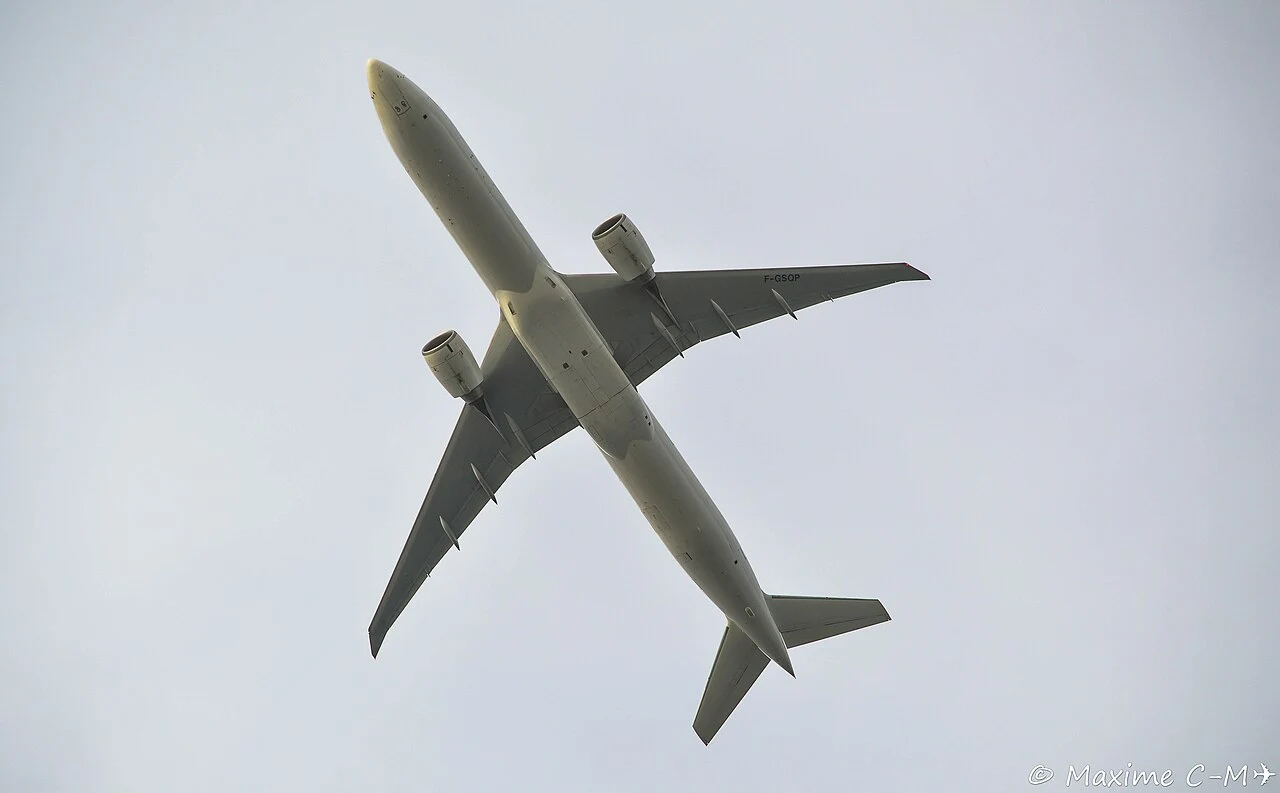
Classic 777 variants — the 777-200 and 777-300 — were certified with a choice of General Electric GE90, Pratt & Whitney PW4000, or Rolls-Royce Trent 800 high-bypass turbofans. The second-generation extended-range variants — the 777-300ER, 777-200LR, and 777F — were standardized on a single engine type: the GE90-115B, then and now the highest-thrust commercial turbofan ever certified, rated at 115,300 lbf of thrust.
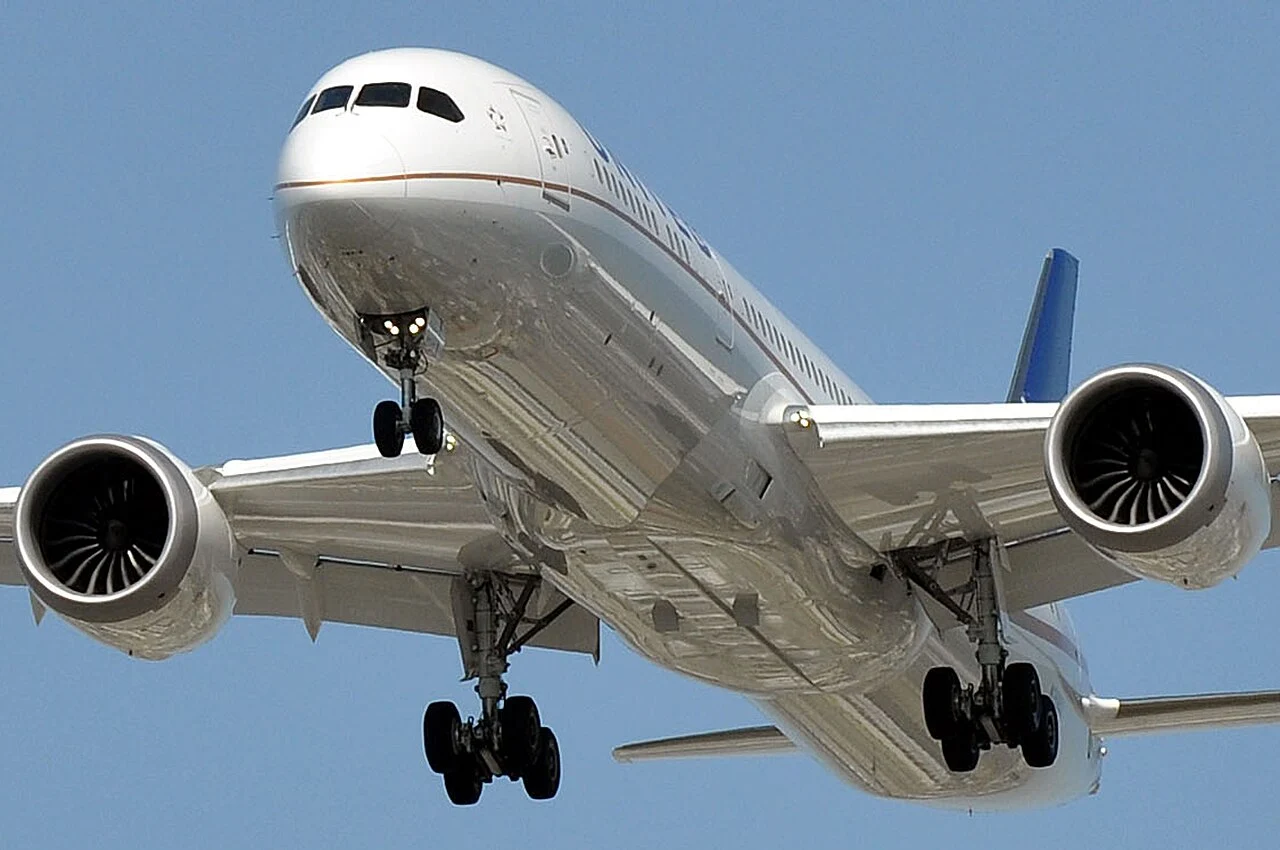
The 787 Dreamliner, entering service two decades later, offers a choice of two modern high-bypass engines: the GE GEnx-1B or the Rolls-Royce Trent 1000. Boeing’s 787 By Design page credits the Dreamliner’s engine-airframe combination with a 25 percent fuel burn reduction versus the aircraft types it typically replaces — primarily the 767 and older 777 Classics. The distinctive serrated engine nacelle chevrons on the 787 reduce both internal cabin noise and external community noise, a passenger and environmental benefit that does not exist on the earlier 777 variants.
The 777X’s GE9X engine has a 134-inch fan diameter, making it the physically largest turbofan ever fitted to a commercial aircraft. It promises a 10 percent specific fuel consumption improvement over the GE90, though its certification journey has itself contributed to the 777X programme’s seven-year delay.
Fuel Efficiency and Structural Advantage of Composite Design
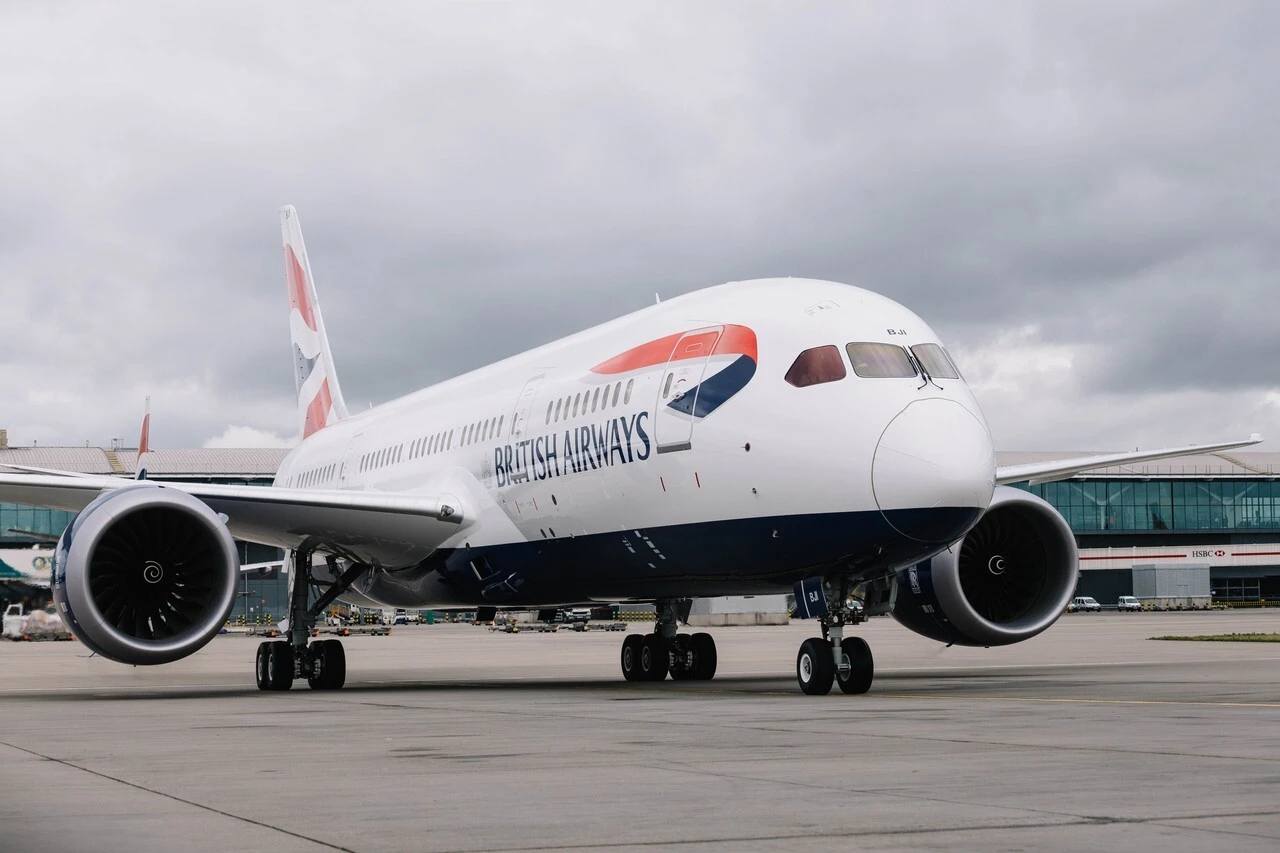
The 787’s fuel efficiency advantage over the 777 is not incremental. It is the product of a fundamentally different approach to aircraft construction that the 777’s aluminium fuselage structurally cannot replicate regardless of engine specification.
Boeing’s own published data states the 787 achieves a 25 percent reduction in fuel use versus the aircraft it typically replaces, enabled by an airframe that is approximately 50 percent composites by weight. The 787’s hourly fuel consumption is 4,900 to 5,600 litres per hour across its variants, versus 6,080 to 7,500 litres per hour for the 777 family.
The 787’s bleedless architecture eliminates a further fuel penalty inherent to all conventional engine bleed air systems. The bleedless system also eliminates the high-temperature bleed air cooling requirement, improving the thermal efficiency of the engine cycle itself.
For airlines comparing the two aircraft on comparable short-to-medium haul routes where the 777’s range advantage is irrelevant, the 787’s cost-per-available-seat-mile advantage is material enough to have driven operators including Delta Air Lines (DL) to order the 787-10 — a decision Leeham News characterised as reflecting the 787-10’s “lowest seat-mile costs in its class” for routes that do not require the full range of the 777 or A350.
Passenger Comfort Benefits of Composite Fuselage
The cabin comfort difference between the Boeing 777 and 787 is one of the most important yet least visible aspects of modern aviation. The 787’s composite fuselage allows higher humidity and lower cabin altitude without structural fatigue, improving passenger comfort on long flights. The 787 maintains a cabin altitude of about 6,000 feet, compared to around 8,000 feet in the 777 and older widebody aircraft.
This lower pressure level increases oxygen availability and reduces fatigue and dryness during flight. Boeing and Oklahoma State University studies suggest measurable comfort benefits, including reduced throat irritation and improved in-flight well-being for passengers on long-haul routes.
Humidity is the second physiological differentiator. Aviation Pros reports that conventional aircraft including the 777 maintain cabin humidity at approximately 4 percent. The 787’s composite fuselage allows programmable humidity of up to 15 to 16 percent, reducing dehydration, eye irritation, and the post-flight fatigue that passengers on long-haul routes most commonly report.
The 787’s windows — at 10.7 by 18.4 inches and 65 percent larger than comparable aircraft — use PPG Industries electrochromic smart glass with five dimming levels instead of pull-down shades, and their elevated positioning allows passengers to maintain a horizon view even from a seated position.
Sales And Market Position of Two Aircraft at Different Commercial Stages
The 787 is in the most commercially active phase of its life: there were 88 787 twin-aisle passenger deliveries in 2025, the programme’s highest annual rate since the post-pandemic recovery, with Delta Air Lines’ first-ever 787-10 order and United Airlines’ conversion of 56 787-9 orders to 787-10 both demonstrating the -10 variant’s growing dominance among high-density operators.
By contrast, passenger 777 production has effectively concluded: Simple Flying confirmed only five unfilled passenger 777-300ER orders remain on Boeing’s books — all attributed to Pakistan International Airlines (PK) from a 2012 commitment that industry analysts consider unlikely to be fulfilled.
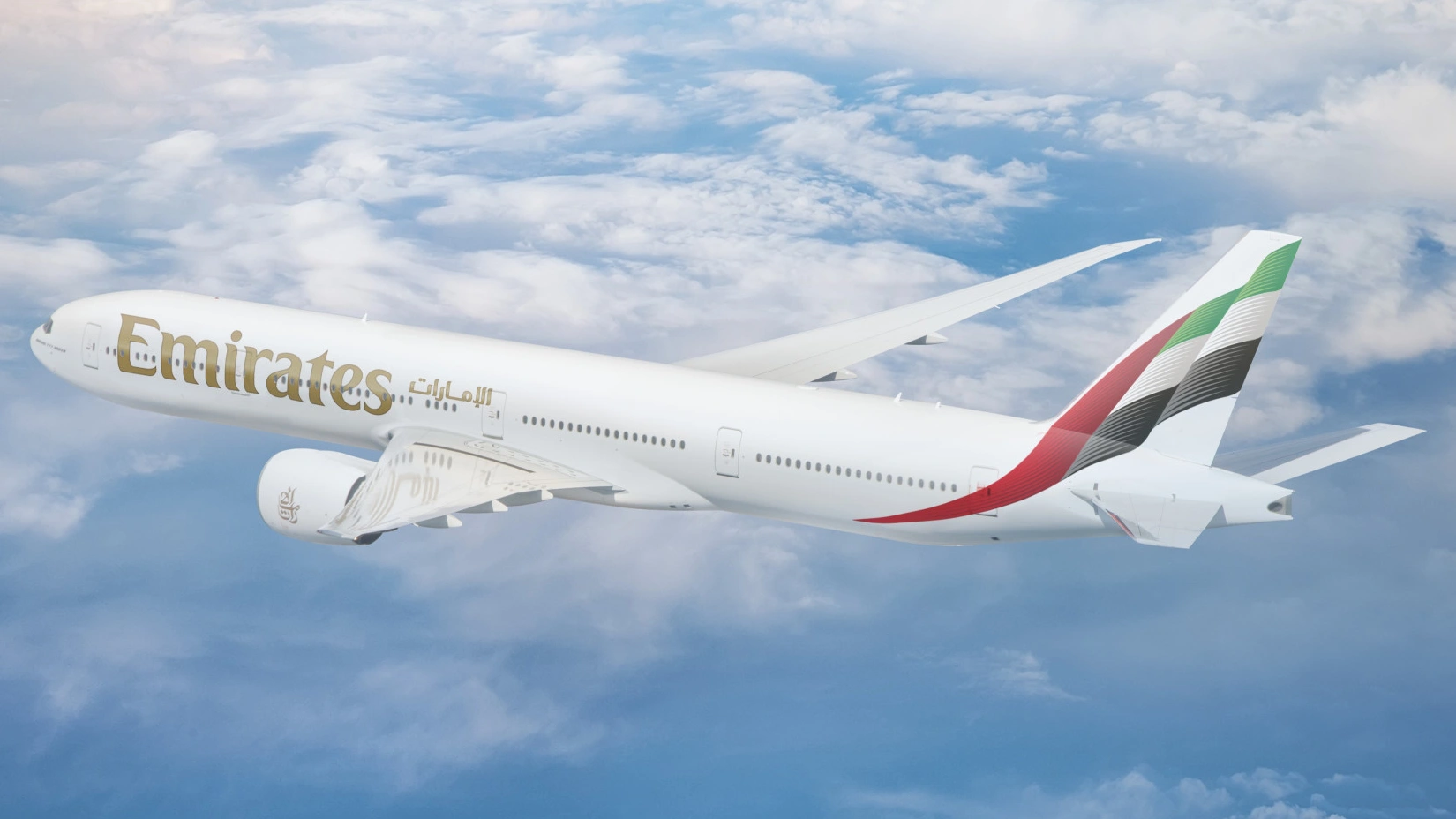
The largest operators of the current 777 fleet — Emirates (EK) with 355 orders, Qatar Airways (QR) with 209, and Singapore Airlines (SQ) with 116 — have simultaneously committed to the 777X as their future widebody platform, with Emirates alone placing 65 additional 777-9 orders at the Dubai Airshow 2025, a single transaction valued at USD 38 billion at list prices.
The 777X programme carries 619 total orders from 12 customers but, as of March 2026, Lufthansa’s CEO expected first delivery in 2027, the seventh year of consecutive programme slippage since the original 2019 service entry target.

Which Aircraft is Best for Which Routes
The 777-300ER’s capacity advantage of 66 seats over the 787-10, its superior range for ultra-long-haul operations such as Dubai to Los Angeles or Singapore to New York, and its voluminous cargo make it the correct choice for high-density hub-to-hub routes where seat count is the primary revenue driver.
Airlines such as Emirates, which operate the 777-300ER on capacity-constrained routes like Dubai to London Heathrow (LHR) at high load factors, extract maximum economic value from the type’s size that the 787 cannot replicate.
The 787, conversely, is structurally better suited to point-to-point route development — opening city pairs that cannot support a 400-seat aircraft but generate sufficient demand at 250 to 330 seats.
For passengers, the 787’s physiological advantages — 6,000-foot cabin altitude, 15 percent humidity, larger electrochromic windows, quieter cabin — are measurable and clinically validated, making it the superior aircraft for passenger experience on any route where both types are operationally deployable.

_(26249541563).jpg)