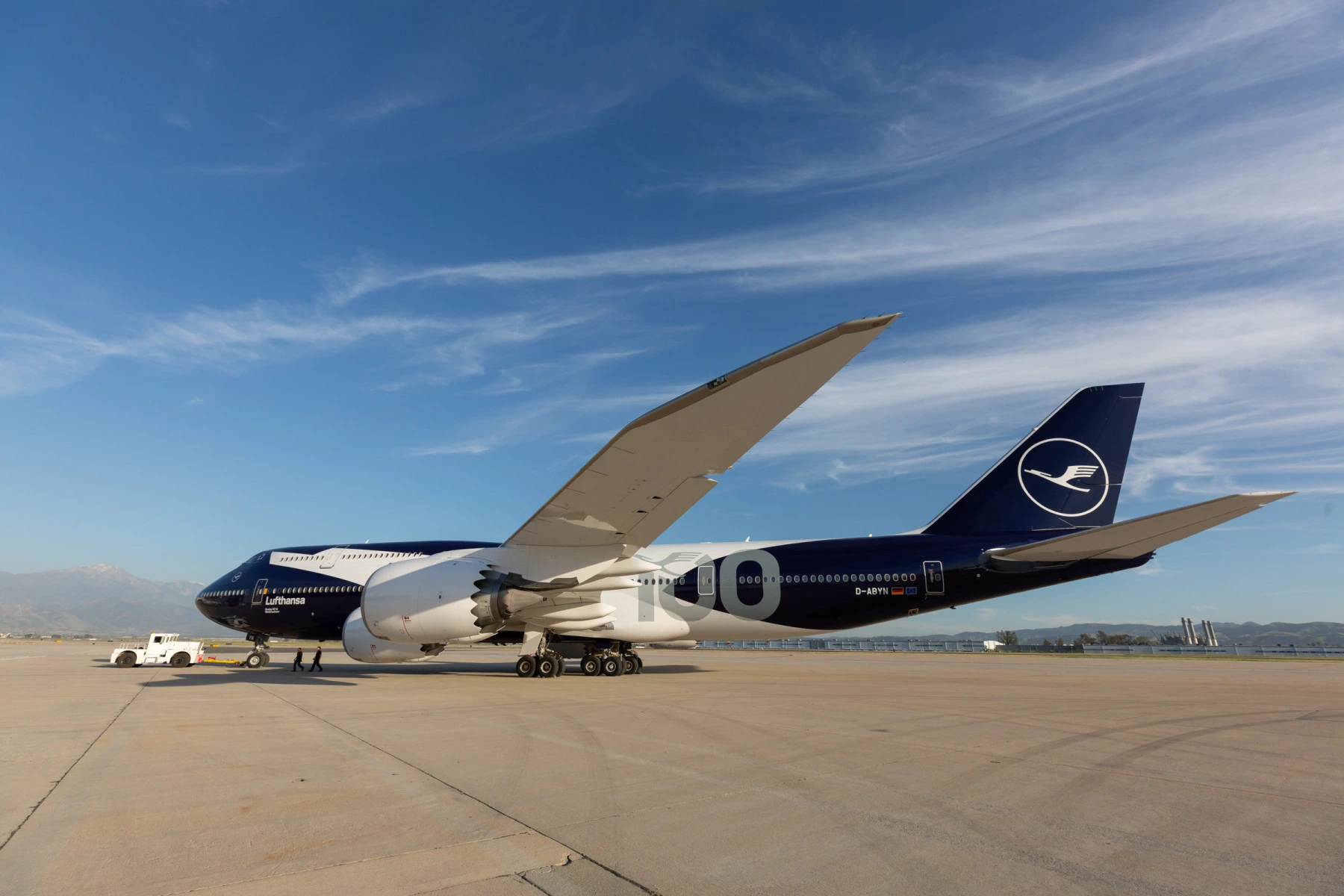
A bomb threat email directed at Lufthansa (LH) flight LH754, arriving at Rajiv Gandhi International Airport (HYD), Hyderabad, from Frankfurt Franz Josef Strauss Airport (FRA), Germany, triggered a full security mobilisation at the Shamshabad aerodrome on Friday, May 15, 2026. A message sent to Lufthansa’s customer support claimed that an explosive device had been planted aboard the aircraft and would detonate before the plane reached Shamshabad. Despite the alarming nature of the threat, the Boeing 747 landed safely and without incident, whereupon airport authorities activated emergency protocols immediately.
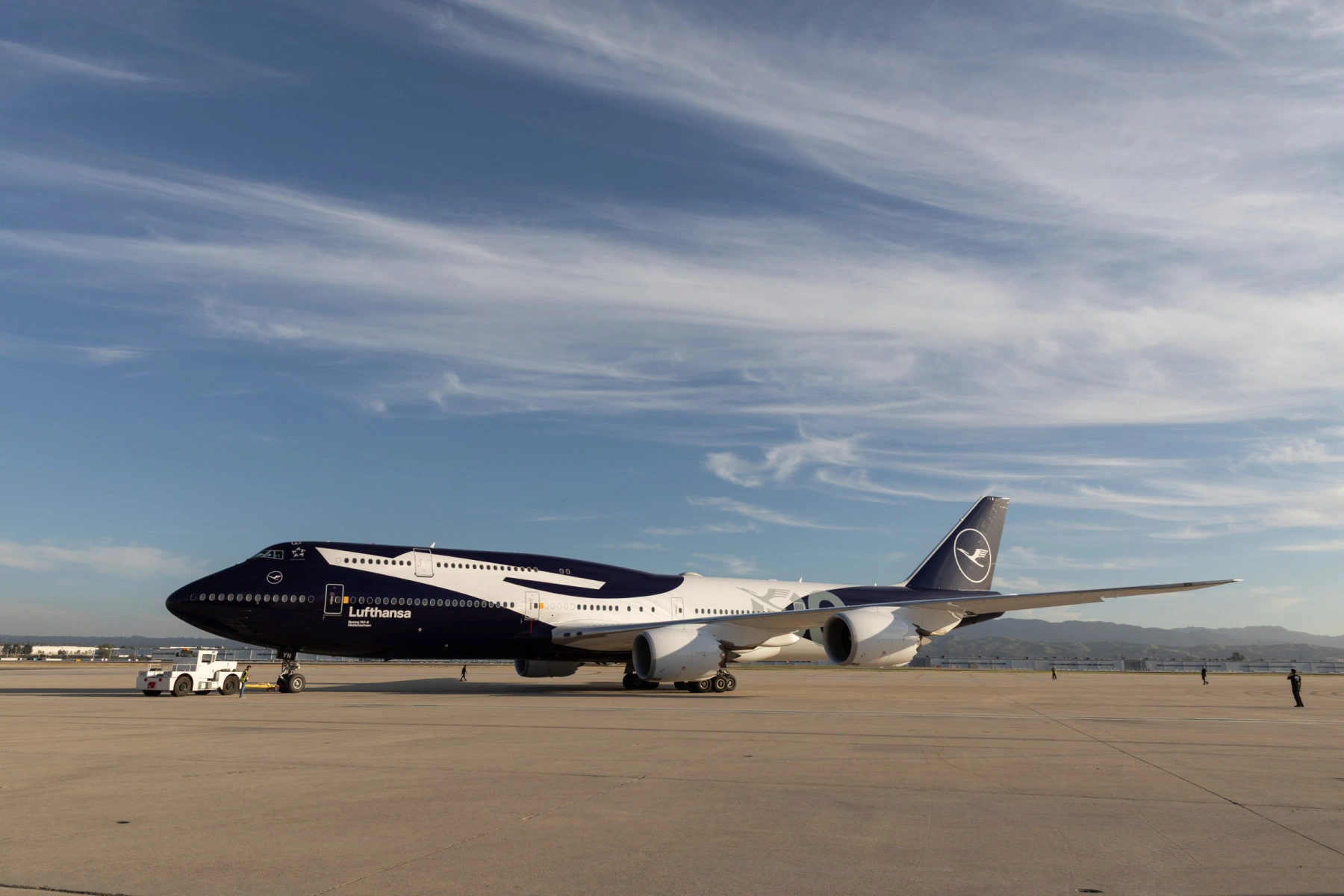
Upon touchdown, the aircraft was escorted away from the main passenger terminal and placed in an isolation bay, where bomb disposal squads and airport security personnel conducted a methodical anti-sabotage inspection of the cabin, cargo holds, and passenger baggage. Preliminary checks found no suspicious object aboard the aircraft. Investigations into the origin of the email and the identity of the sender remain active, with no arrest confirmed at the time of publication.
Bomb Threat Email Targets Lufthansa At Hyderabad, Triggering Airport-Wide Alert
Airport sources confirmed to multiple Indian media outlets that the threatening email claimed the explosive device would detonate before the aircraft reached Shamshabad, the area in which Hyderabad’s international airport is located. Security agencies were placed on immediate high alert upon receipt of the message. Emergency response teams across departments including:
- bomb disposal units
- law enforcement
- airport security personnel
were activated in full.
After touchdown, passengers were swiftly moved to a separate area as a precautionary measure, while the plane was shifted to an isolation bay away from the main terminal for a detailed security sweep. Officials stated that no immediate threat was confirmed following the preliminary inspection, though security agencies continued further checks. The motive behind the threat and the identity of the sender remain unknown, and investigators are attempting to trace the origin of the email.
The Threat Was Sent to Lufthansa’s Customer Support — Not Directly to the Airport
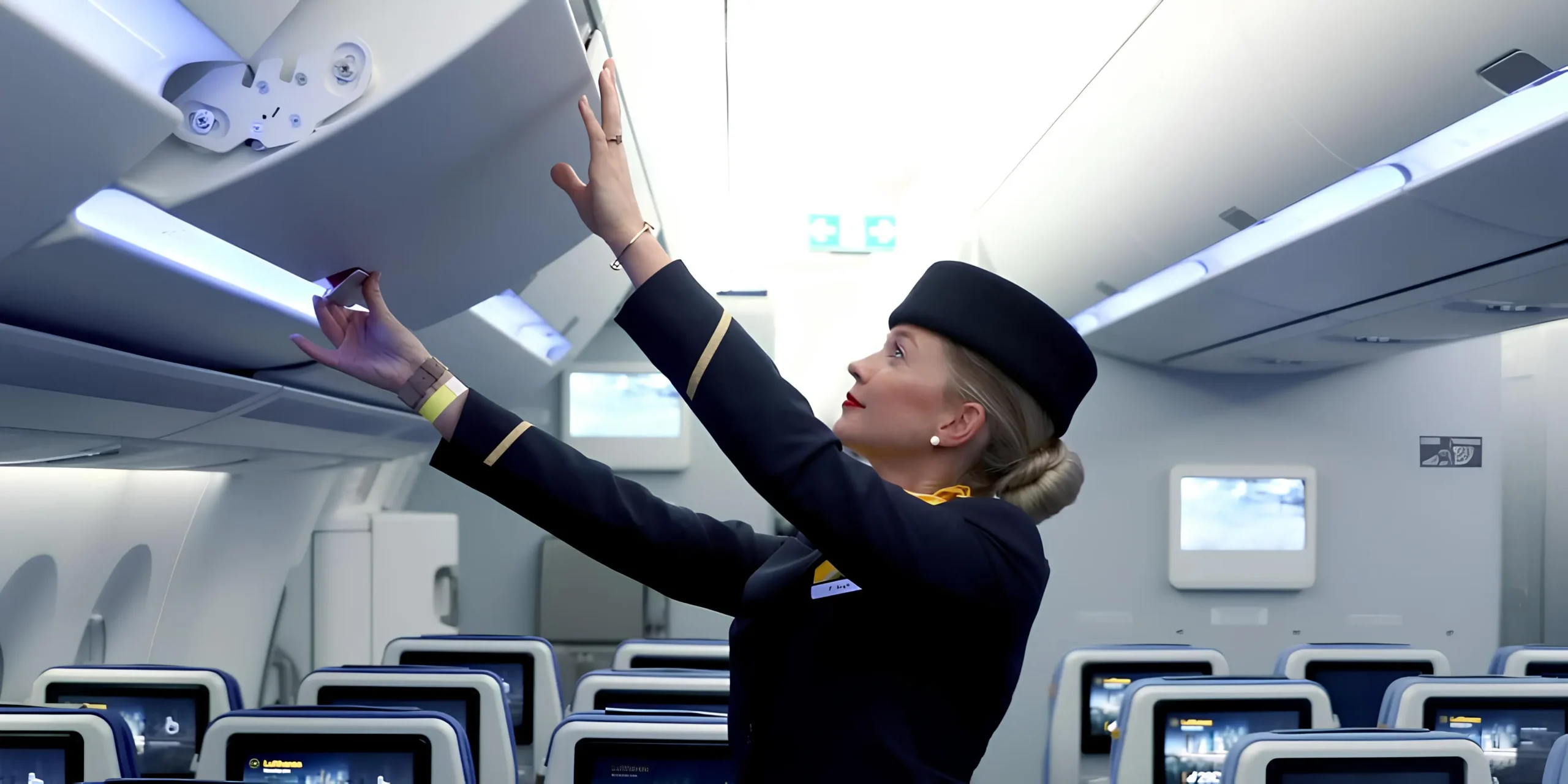
A notable procedural distinction in this incident is where the threat was addressed. The bomb threat email was sent to Lufthansa’s customer support team, rather than directly to Rajiv Gandhi International Airport authorities. This pathway underscores the extent to which threat actors now exploit civilian-facing communication systems to generate aviation security disruptions. Airport officials stated that both the bomb-threat response and concurrent weather-related diversions at HYD on the same day were handled in accordance with established aviation safety procedures.
Separately, adverse weather conditions on Friday forced two other inbound flights to divert from Hyderabad Airport, compounding an already strained operational day for the aerodrome. According to India Today, a Pune–Hyderabad flight diverted to Vijayawada Airport, while an Emirates (EK) service arriving from Dubai was rerouted to Bengaluru Kempegowda International Airport (BLR) after both aircraft reportedly attempted to land twice without success before air traffic controllers directed them to alternate airports.
LH754: The Aircraft, The Route, and Lufthansa’s India Presence
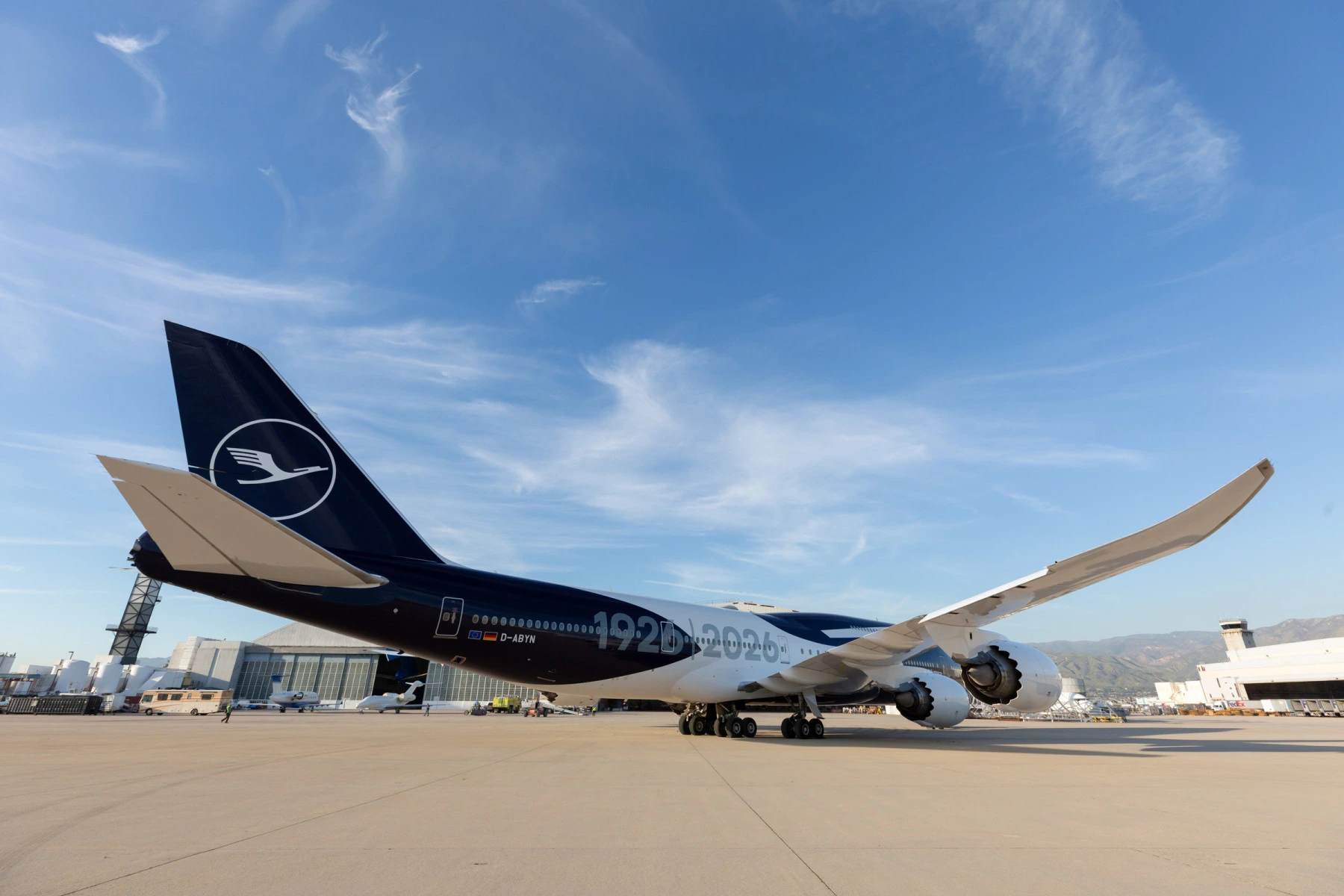
Flight LH754 is a Boeing 747-400-operated service on the Frankfurt–India corridor. According to flight tracking data, LH754 typically operates the Frankfurt–Bengaluru route on a Boeing 747-400 configured for approximately 371 passengers. Indian media reports today confirm the aircraft involved in the bomb threat incident was a Boeing 747 operating a Frankfurt–Hyderabad service, with the flight designated LH754V — suggesting a variant flight operating on the Frankfurt–Hyderabad sector rather than the standard Bengaluru rotation.
The Boeing 747-400 is one of the most recognisable widebody aircraft in commercial aviation, characterised by its distinctive upper-deck hump and quad-engine configuration, and Lufthansa operates several examples across its long-haul India network.
Lufthansa relaunched direct Frankfurt–Hyderabad services in January 2024 after a 13-year hiatus, with George Ettiyil, Senior Director South Asia at the Lufthansa Group, stating at the launch:
“As we launch Hyderabad, our capacity to India has increased by 14% relative to 2019, making it the fastest growing major market for Lufthansa.”
India now represents one of the carrier’s most strategically important markets globally, with over 700 employees in the country and a presence spanning more than six decades. The Frankfurt–Hyderabad route operates five times weekly, and Lufthansa’s India network also encompasses Frankfurt–Bengaluru, Frankfurt–Mumbai, Frankfurt–Delhi, Frankfurt–Chennai, and Munich–Bengaluru.

Lufthansa’s Hyderabad Operations Have Faced Threats Before
This is not the first security scare to beset Lufthansa’s Frankfurt–Hyderabad operations. In June 2025, Lufthansa flight LH752, operated by a Boeing 787-9 Dreamliner, was forced to return to Frankfurt mid-air after authorities received a bomb threat while the aircraft was en route to India. On that occasion, the aircraft executed a U-turn over Bulgarian airspace and approximately 200 passengers spent the night in Frankfurt Airport’s transit area.
India’s Ministry of Civil Aviation informed the Lok Sabha that 881 bomb threats were recorded against airline operators between 2022 and mid-July 2025 — a rise of more than 5,500 percent from just 13 threats in 2022, climbing to 728 in 2024 alone. The history of aviation security threats in India stretches back far further; as documented in our account of the 1999 IC-814 hijacking.
The Security and Investigative Response at Hyderabad Airport
The response at Rajiv Gandhi International Airport adhered to internationally prescribed aviation security protocols. Bomb disposal squads combed the cabin, cargo compartments, and baggage holds in sequence, while law enforcement agencies secured the perimeter around the isolated aircraft. Officials confirmed that no immediate threat was found during the initial inspection, though additional checks continued. Investigators are now working to trace the origin of the email while aviation security agencies remain on elevated alert.
Airport authorities asked passengers to remain calm and cooperate with staff during the precautionary procedures. Officials stated that all measures — both the bomb-threat response and the weather-induced flight diversions — were handled under established safety frameworks, with continuous coordination maintained between security agencies and air traffic control. No casualties or injuries were reported. The incident is currently under investigation, and further updates are expected as the probe advances.