Boeing booked 135 net new orders in April 2026, nearly replicating its entire first-quarter commercial sales volume in a single month. The surge lifted Boeing’s year-to-date net order tally to 284 aircraft after accounting for cancellations and conversions — the strongest four-month start to any calendar year since 2014, according to Reuters. The orders spanned Boeing’s narrowbody and widebody portfolios:
- 57 Boeing 737 MAX jets
- 51 Boeing 787 Dreamliners
- 28 Boeing 777X aircraft signed in April alone.
Boeing continues to trail its principal rival, Airbus, which had accumulated 405 net orders through 30 April 2026. While Boeing transferred 47 jetliners to customers in April (a figure that was one more than in March), while Airbus’ figure was 67 aircraft.

Boeing’s April Order Surge Nearly Doubles Its Entire Q1 Sales Output
Boeing’s 136 gross orders in April represent its highest single-month commercial intake of 2026 and constitute an extraordinary contrast to the pace recorded in the first quarter. As FlightGlobal reported on 12 May, the April performance effectively nearly doubled Boeing’s total from the entire first quarter. This pushed the manufacturer’s commercial backlog to 6,216 aircraft at month’s end, up from 6,127 at the close of March.
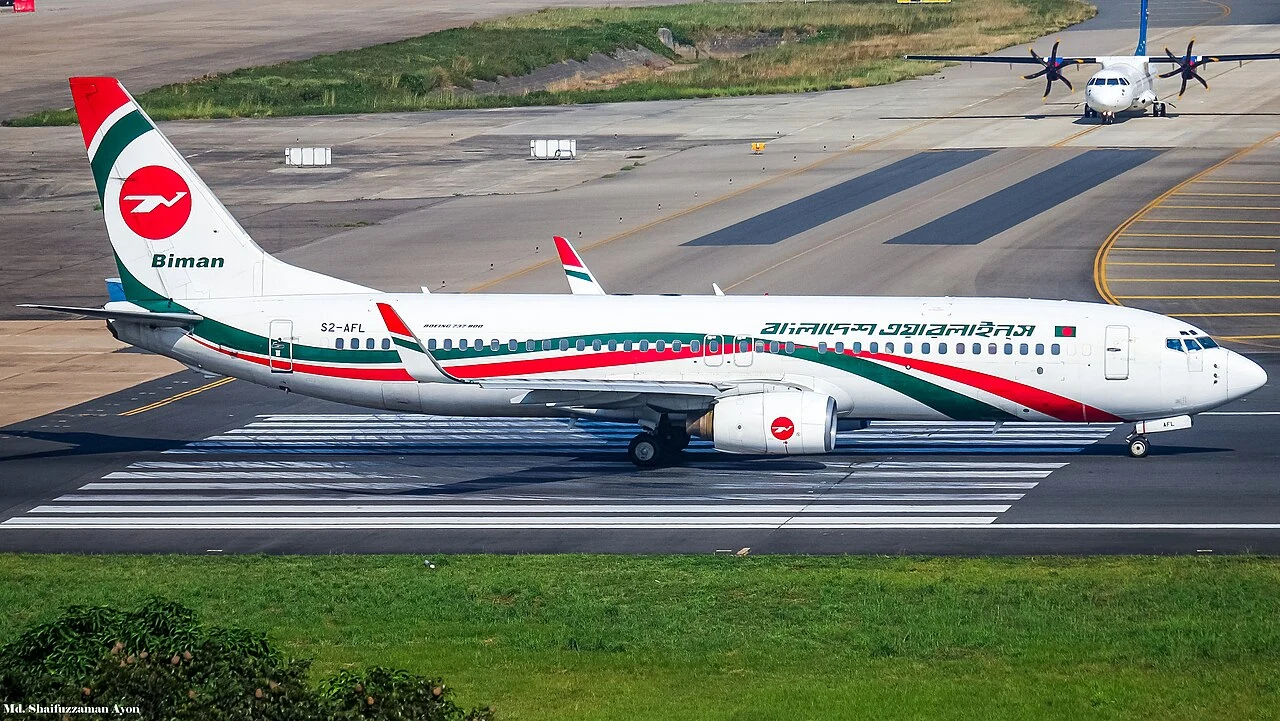
Of the 57 737 MAX orders logged in April, 52 came from undisclosed buyers, with the remaining five attributed to named customers: four jets for Biman Bangladesh Airlines (BG) and one for an unnamed UK leisure carrier. The 737 MAX now commands a backlog of 4,870 outstanding orders, according to Forecast International’s Flight Plan analysis published the same day.
Boeing lost only one aircraft to cancellation in April — a single 737 MAX previously held by lessor BOC Aviation — and restored one unit from its so-called “ASC 606” accounting bucket of orders Boeing suspects may not materialise into firm sales.
Widebody Orders of the Dreamliner and 777X
Customers signed for 51 Boeing 787 Dreamliner jets during the month of April, encompassing a 10-aircraft commitment from Biman Bangladesh Airlines, six jets each from Ethiopian Airlines (ET) and El Al (LY), and a further 29 units from undisclosed buyers. Boeing’s CEO Kelly Ortberg acknowledged during the Q1 2026 earnings call that premium seat certification delays have constrained deliveries, noting the company holds “a fair number of 787s that are held up” awaiting regulatory sign-off, though he stressed he sees no “showstoppers” in the process.
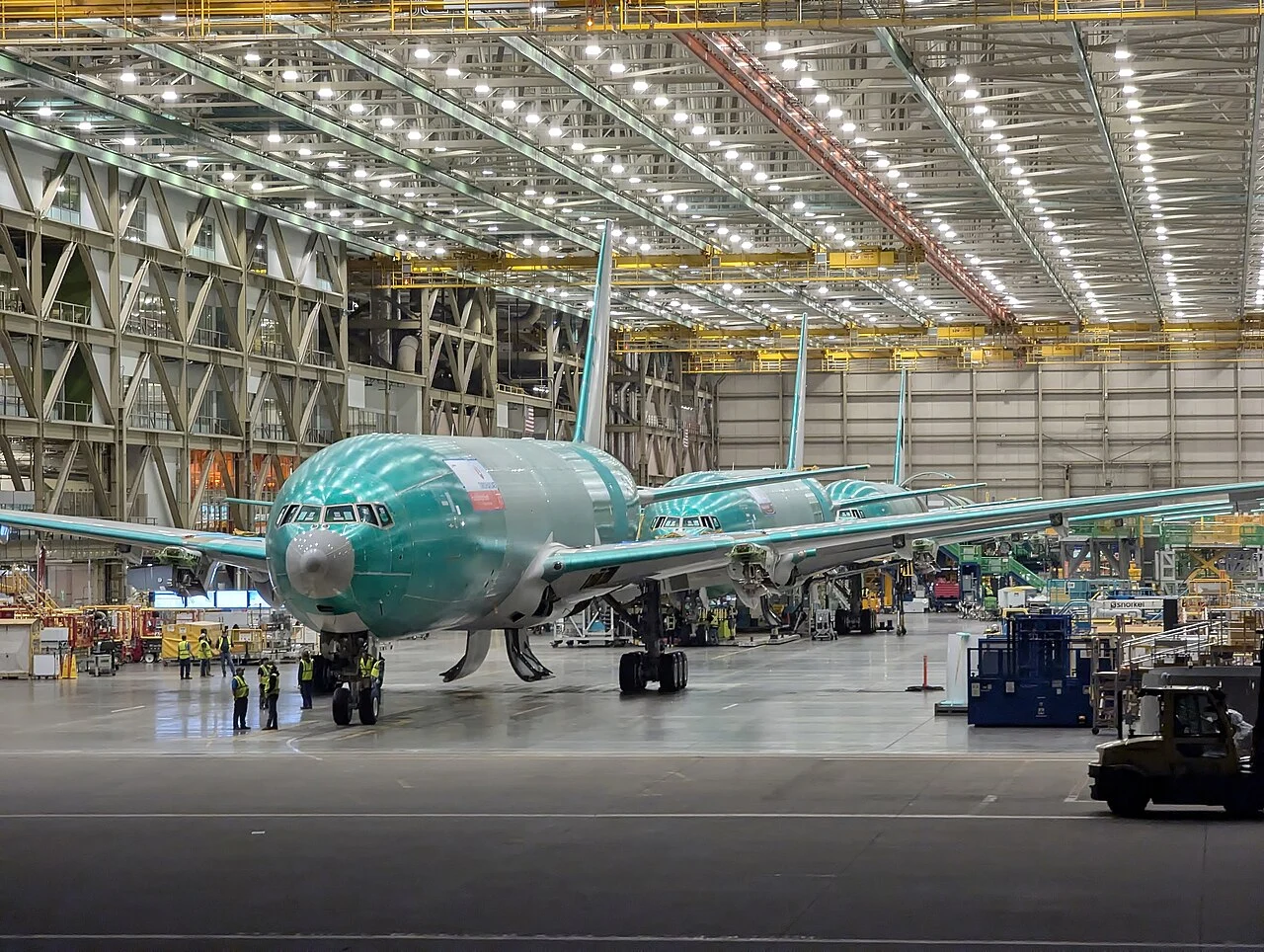
The 777X programme received fresh market validation with 28 new orders, bringing the programme’s total backlog to approximately 600 aircraft. This comes days after the first production-standard Boeing 777-9 destined for Lufthansa (LH) completed its maiden flight from Everett’s Paine Field (PAE), lifting off at 20:40 UTC under the callsign BOE128 and remaining airborne for three hours and 27 minutes over Washington State and Oregon. The aircraft had a serial number 1781, registration N20080, and was designated WH128.
Aviation Week reported that WH128 — the first-of-model 777-9 for Lufthansa — was piloted by Boeing test pilots Ted Grady and Jake Miller on its maiden flight, with the aircraft incorporating Lufthansa’s customised Allegris premium cabin including business class, premium economy, and economy seating, as well as operational in-flight entertainment systems that will themselves undergo certification and performance testing.
Lufthansa Group CEO Carsten Spohr confirmed during the airline’s March 2026 annual press conference that first delivery remains targeted for Q1 2027, with commercial entry into service expected that summer — a timeline that, if maintained, would mark approximately seven years beyond the 777X’s original 2020 service entry date.
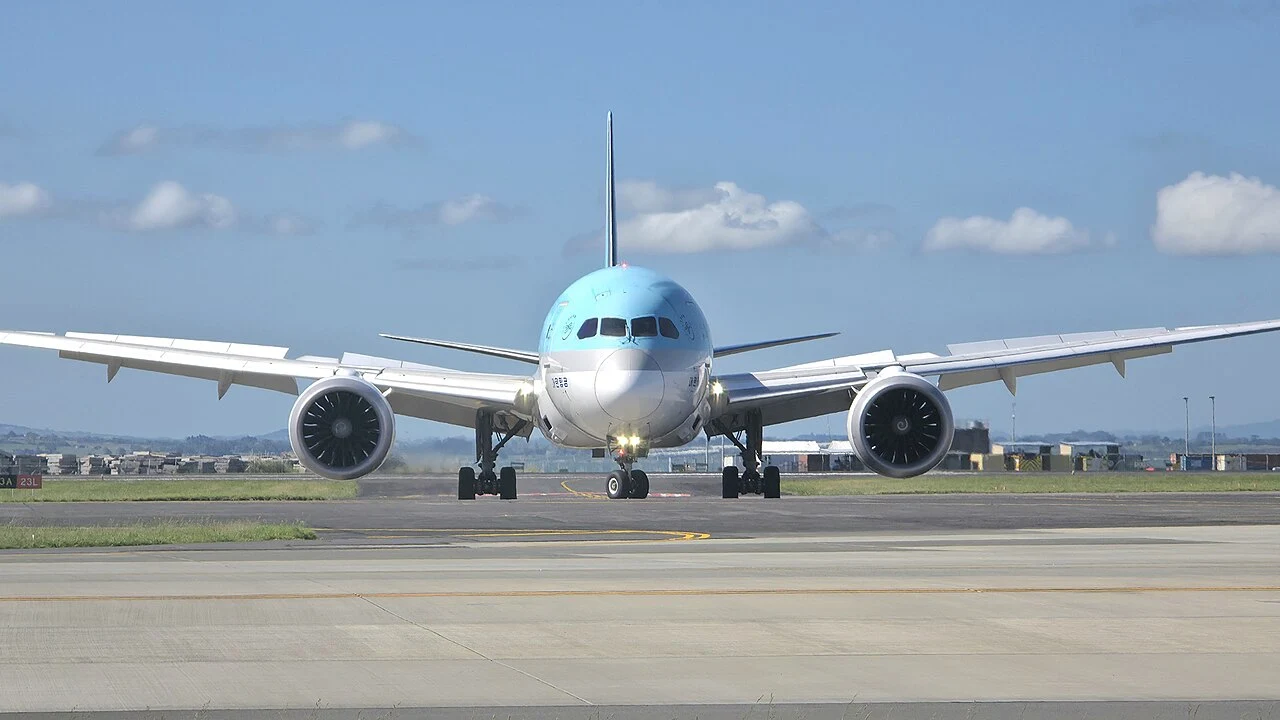
787 Premium Seat Certification Clouds an Otherwise Robust Delivery Picture
Boeing delivered 47 commercial aircraft in April, comprising:
- 34 737 MAX jets
- Six 787 Dreamliners
- One 767 Freighter
- Three 767-based KC-46A Pegasus military tankers
- Three 777 Freighters.
The company attributed a portion of shortfall from its own targets to two factors: customer-driven schedule shifts on certain 737 MAX handovers to May, and what it termed “delays of premium seat certification” that slowed 787 transfers.
Speaking during the Q1 2026 earnings call, Boeing CEO Kelly Ortberg said that with regard to the Dreamliner program, Boeing “did see some impact to deliveries in the quarter due to delays of premium seat certifications, but we still expect to meet our full-year delivery range of 90 to 100 airplanes.”
Boeing continues to produce 787s at a stabilised rate of eight per month and plans to raise that figure to ten aircraft per month later in 2026.
Boeing’s year-to-date delivery total through 30 April stood at 190 aircraft, a 9% improvement year-on-year. The manufacturer leads Airbus in cumulative 2026 deliveries — 190 units against Airbus’s 181.
Biman Bangladesh, Ethiopian Airlines, And El Al Emerge as Named Buyers
Among the identified customers, Biman Bangladesh Airlines (BG) made the most consequential commitment. On 30 April 2026, Boeing and Biman jointly announced Bangladesh’s national carrier had placed its single largest-ever order: eight Boeing 787-10s, two Boeing 787-9s, and four Boeing 737 MAX 8 aircraft. The 787-10s — the largest Dreamliner variant and Biman’s first order of the type — will operate high-frequency services to the Middle East, while the 787-9s will sustain long-haul flying to Europe and North America.
Kaizer Sohel Ahmed, Managing Director and Chief Executive Officer of Biman Bangladesh Airlines, stated that the “new fuel-efficient, technologically advanced aircraft will modernize Biman’s fleet, sharpen operational performance, and extend its international route network — strengthening Bangladesh’s position in the global aviation market.”
Ethiopian Airlines (ET) converted options on six 787s into firm orders on 21 April, as confirmed by Boeing’s own press release repository. El Al’s six-unit order, also booked in April, cements both carriers’ status as loyal and recurring Boeing widebody customers.
All in All
The FAA granted Boeing approval to enter Phase 4A of the five-stage Type Inspection Authorization (TIA) process in March 2026. Boeing has accumulated more than 4,700 flight-test hours across the certification campaign to date, including a maximum-energy brake test at Edwards Air Force Base in April where fuse plugs melted as designed under a rejected-takeoff load.
Boeing’s year-to-date net order total of 284 represents the best performance for any comparable period since 2014. Boeing’s financial guidance for 2026 free cash flow of $1 billion to $3 billion was reaffirmed at the Q1 earnings call, with Chief Financial Officer Jay Malave describing the outflow of $1.5 billion in Q1 as better than internal expectations, per TIKR’s earnings summary.
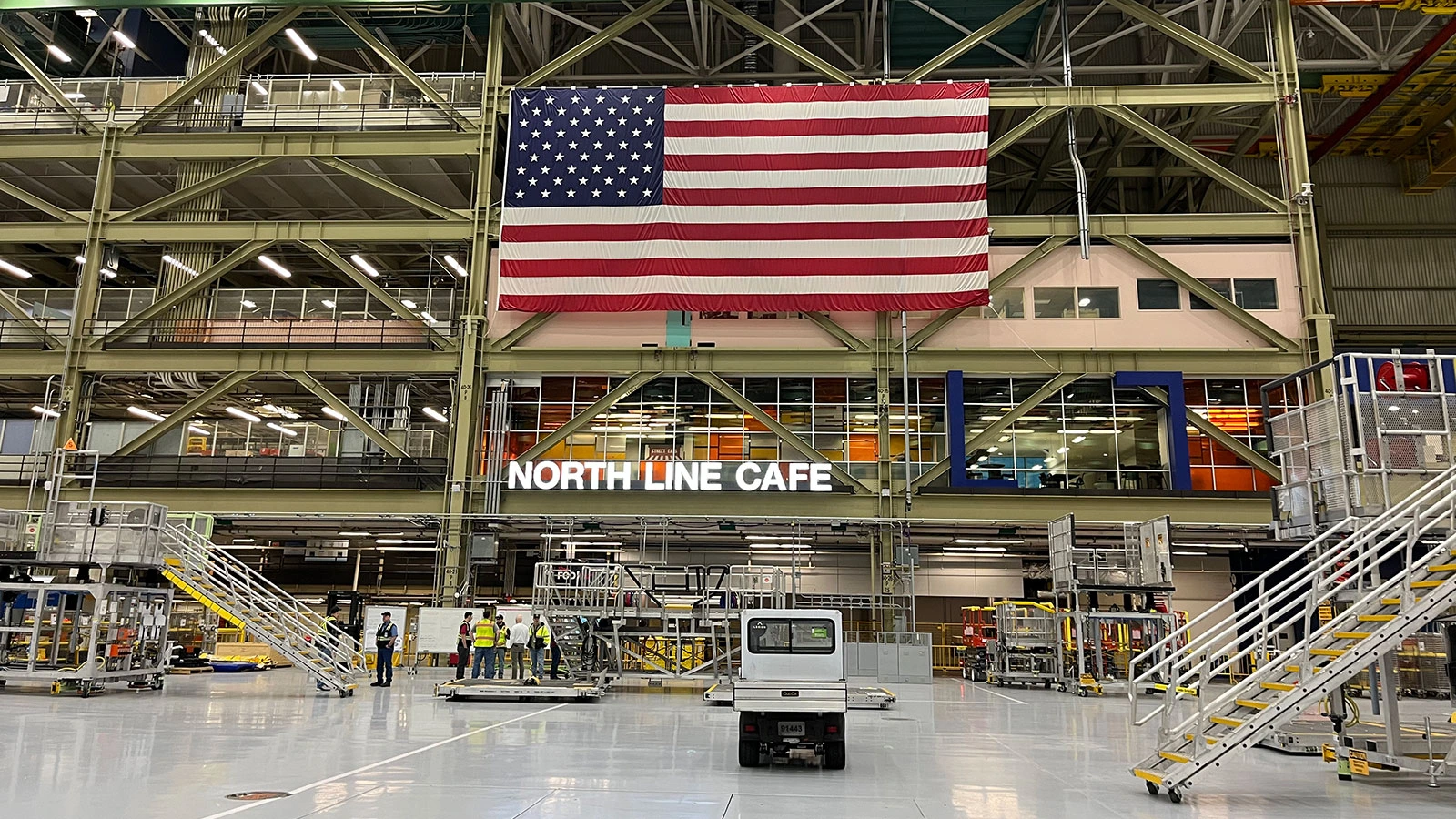
Q2 is expected to narrow to a low-hundreds-of-millions outflow, with the second half turning cash-flow positive. Boeing plans to raise 737 production from 42 to 47 per month by summer 2026, with a further step to 52 per month envisaged once the new North Line facility at Everett, Washington.

.jpg)
.jpg)

