A British Airways (BA) flight attendant with nearly four decades of service was dismissed and prosecuted after boarding a passenger flight in a state of severe intoxication, registering a breath alcohol reading nearly eight times the legal limit for aviation personnel, British Brief reported.
Deborah Merritt, 59, from Basingstoke, Hampshire, consumed bottles of wine prior to operating a BA service from London Heathrow Airport (LHR) to Málaga Airport (AGP), Spain, citing a family incident as the precipitating stressor.
Merritt was taken off duty mid-flight and restrained in a seat for the remainder of the journey after fellow crew members noticed her unsteady behaviour on board the Airbus A320. According to reporting from UKNIP, a breathalyzer test administered upon landing showed she had 70 micrograms of alcohol per 100ml of breath — far exceeding the UK crew limit of nine micrograms. A subsequent confirmatory test recorded 52 micrograms, and she later admitted a drink-related charge at Uxbridge Magistrates’ Court, leaving with a £768 fine and £392 in costs.
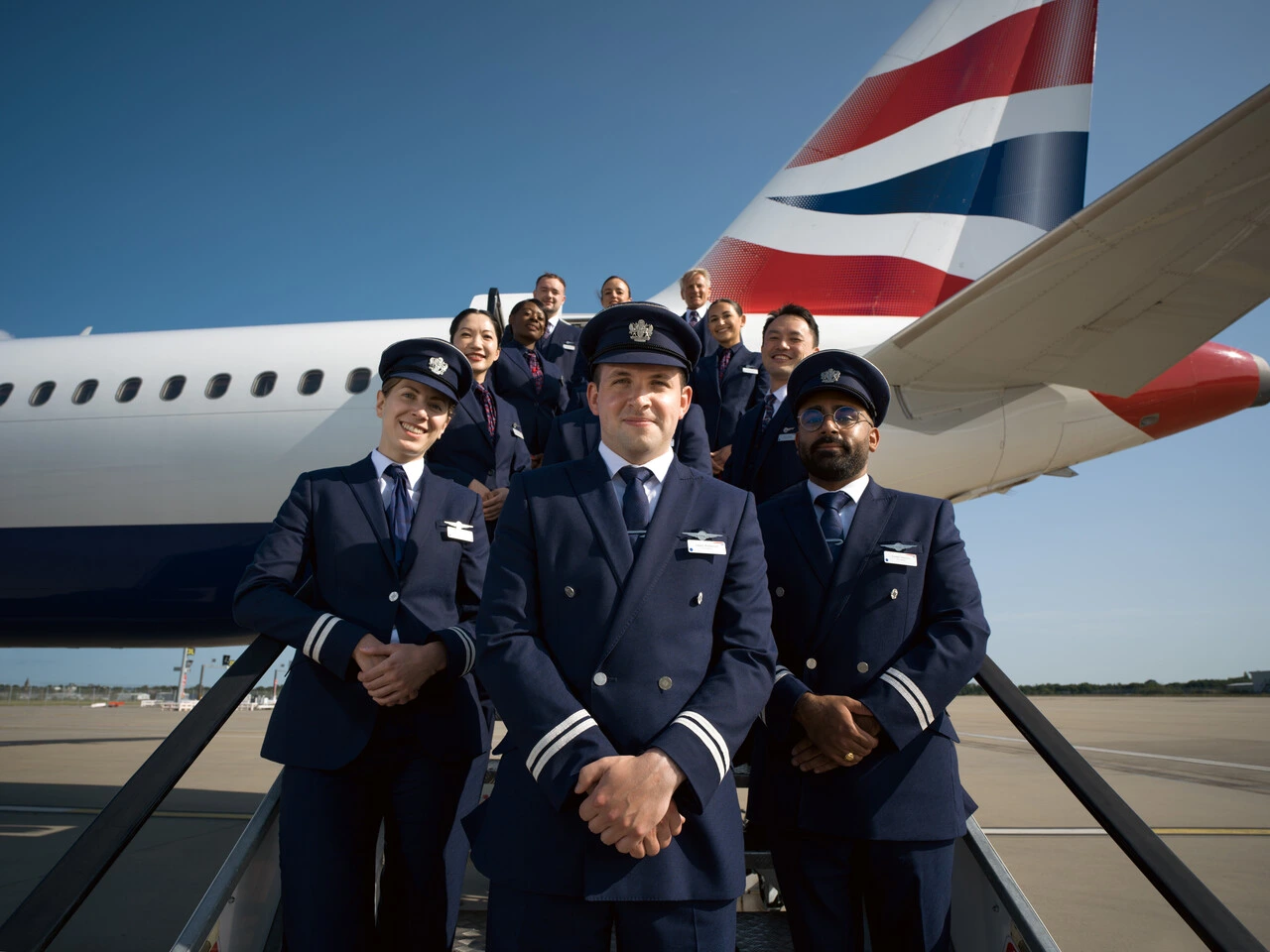
Merritt’s Breath Test Reading Was Nearly Eight Times the Legal Aviation Threshold
Under UK law, flight and cabin crew must not exceed an alcohol concentration of nine micrograms per 100 millilitres of breath — a threshold that stands in stark contrast to the 35 micrograms permitted for motorists under road traffic law, making the aviation standard nearly four times stricter than what applies to drivers.
Merritt’s initial reading of 70 micrograms was therefore not merely a marginal transgression but a figure that placed her at roughly 7.7 times the legal limit, an exceedance that aviation safety experts characterise as a categorical impairment of the cognitive and physical faculties essential to cabin crew duty.
According to the UK Civil Aviation Authority, UK alcohol testing for cabin crew operates under Article 4 of UK Regulation (EU) No. 965/2012 (the Air Operations Regulation), as retained in domestic law following Brexit, with the Civil Aviation Authority (CAA) empowered to conduct breath tests through its ramp inspection programme.
Here’s a brief about how the testing is carried out:
| Step / Aspect | Details |
|---|---|
| Testing Structure | Each alcohol test includes an initial test followed by a confirmation test if the initial result is positive. |
| Confirmation Test Timing | Conducted as soon as possible after a waiting period of at least 15 minutes. |
| Maximum Waiting Time | Should normally not exceed 30 minutes to ensure consistency between test results. |
| Restrictions During Waiting | The tested crew member must not consume any food during the waiting period. |
| Duty Status During Waiting | The crew member may continue duties only if it does not interfere with the testing procedure. |
| Documentation Provided | A written confirmation is issued to the crew member. |
| Information in Confirmation | Includes date and time of test, equipment used, and the actual test result. |
Under the Railways and Transport Safety Act 2003, it is a criminal offence to exercise aviation functions while under the influence of alcohol; operators who receive a positive test result are required to notify the CAA and instruct the crew member’s aeromedical examiner to issue an unfit assessment.
In Merritt’s case, those regulatory consequences culminated in the termination of a career that had spanned 37 years.
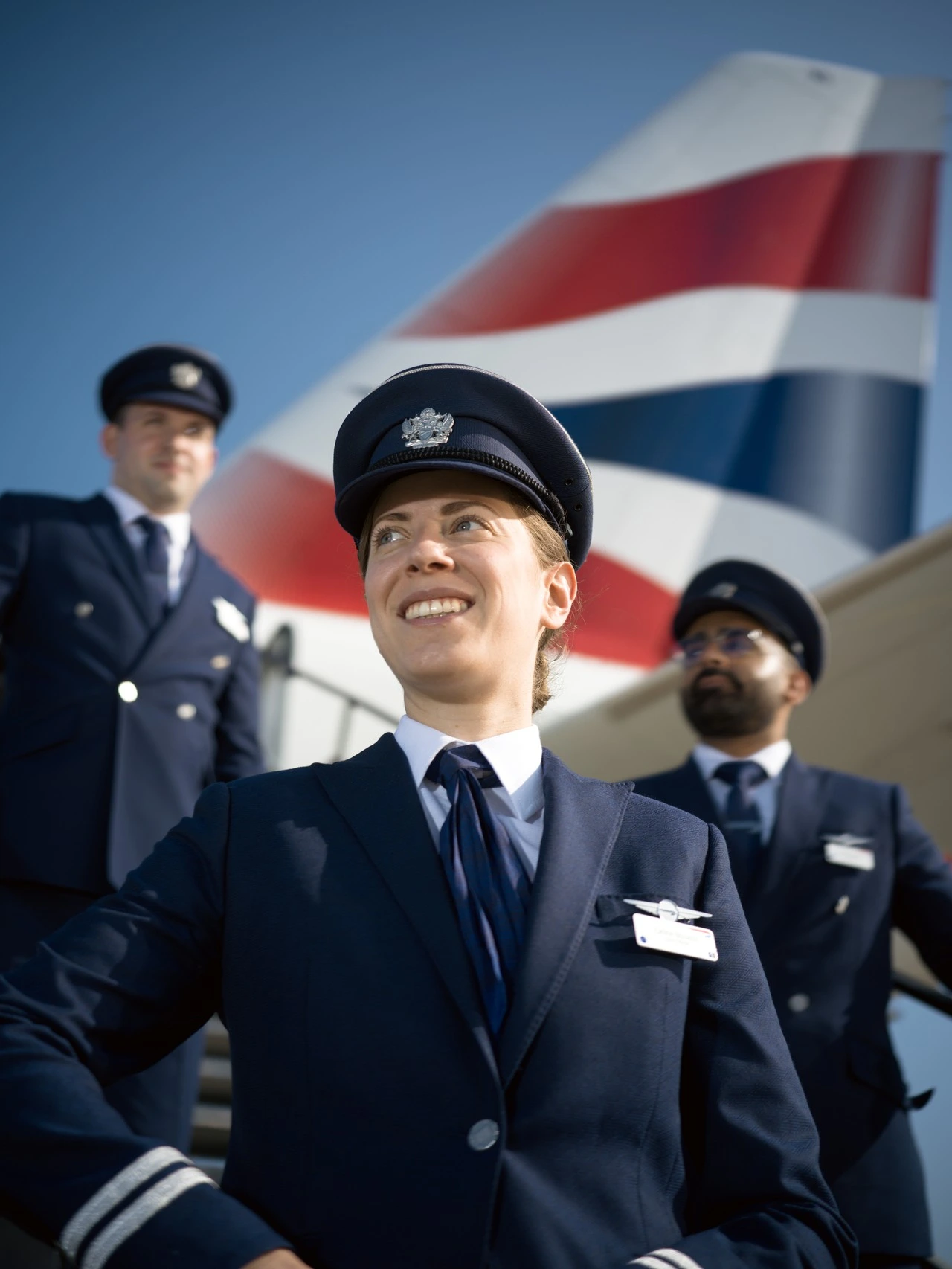
Defence Attributes Merritt’s Lapse to Family Stress
At Uxbridge Magistrates’ Court, Merritt’s defence lawyer Ghulam Ali submitted that his client had been under acute personal pressure. Ali told the court that Merritt was stressed due to a family incident and had consumed wine the day before, believing it would be out of her system by the time she reported for duty. He was also reported by The Sun to have stated that she “doesn’t eat so much” implying a diminished metabolic capacity to process alcohol within the timeframe she had assumed.
The court did not accept that the circumstances warranted imprisonment. Merritt told the magistrates she was “devastated” she would never be able to perform the role again. British Airways sacked Merritt following her arrest, bringing to an abrupt end a career that had lasted 37 years with the carrier.
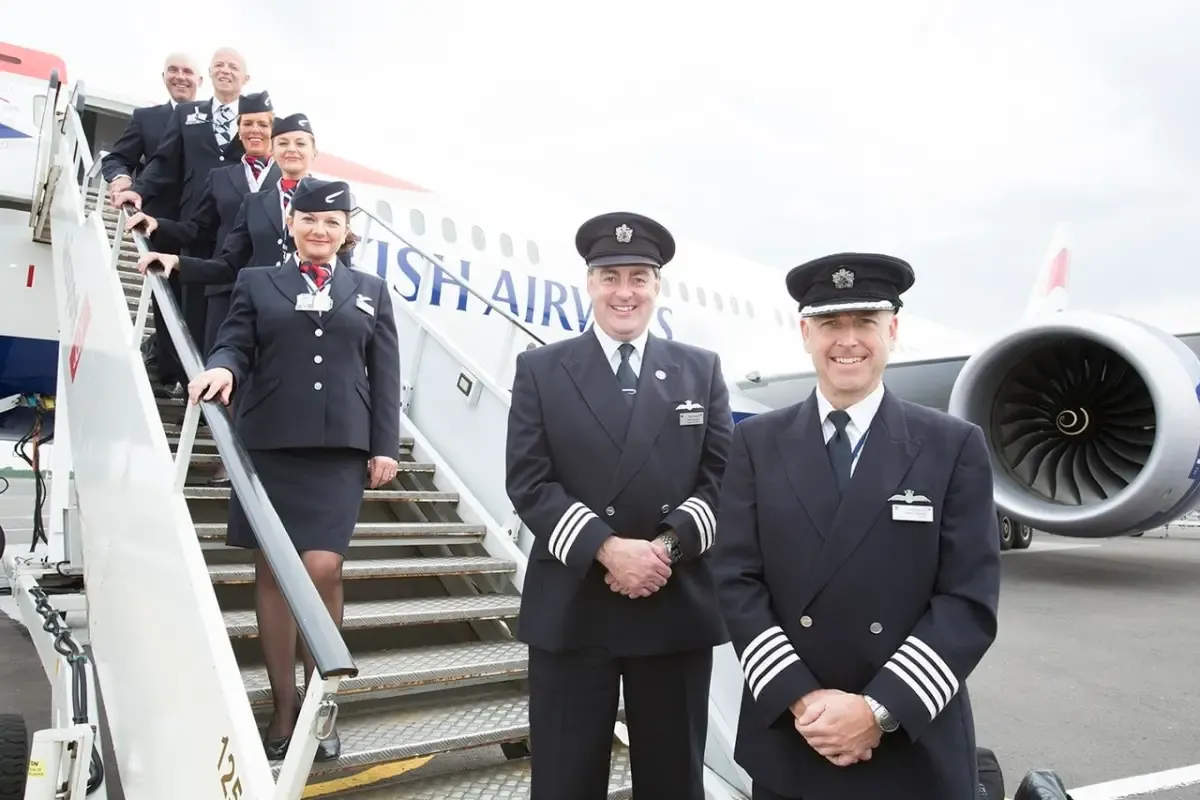
All in All
In the United States, the Federal Aviation Administration (FAA) requires airlines to implement comprehensive alcohol and drug testing programmes covering all safety-sensitive personnel, with testing mandated in defined circumstances including:
- random selection
- reasonable suspicion
- post-accident events
- return-to-duty following a violation
This model places the compliance burden more squarely on the operator rather than relying primarily on ramp inspection by a regulator. The following table gives us a better idea of the differences:
| Aspect | United Kingdom (CAA) | United States (FAA) |
|---|---|---|
| Regulatory Authority | UK Civil Aviation Authority | Federal Aviation Administration |
| Testing Approach | Conducted primarily during ramp inspections by regulators | Managed through structured testing programmes implemented by airlines |
| Who Conducts Testing | Government inspectors during on-site ramp checks | Airlines conduct testing under regulatory oversight |
| Personnel Covered | Pilots and cabin crew on active duty | All safety-sensitive personnel, including pilots |
| Testing Triggers | Random checks or reasonable suspicion | Random, reasonable suspicion, post-incident, and return-to-duty cases |
| Testing Method | Breathalyser devices approved to European standards | Breath alcohol testing under strict procedural guidelines |
| Confirmation Process | Positive initial tests followed by confirmatory testing | Confirmatory procedures embedded within programme protocols |
| Duty Restrictions | Immediate removal from duty if above limit or refusal to test | Immediate prohibition from duties if thresholds are exceeded or concerns arise |
| Additional Safeguards | Testing applies only to operational crew; data protection measures in place | Strict documentation, record-keeping, and compliance requirements |
| Preventive Rules | Focus on compliance with low tolerance limits | Includes behavioural rules such as mandatory abstinence period before duty |
| Enforcement | May involve referral to licensing authority or law enforcement | Can lead to removal, evaluation, and potential loss of certification |
| Regulatory Model | Centralized oversight through inspections | Decentralized system with airline-managed compliance programmes |
| International Applicability | Applies to UK and foreign airlines operating in UK airspace | Applies to US-registered operators and personnel under FAA jurisdiction |