Germany’s largest airline, Lufthansa (LH), is facing one of its most severe operational disruptions in recent years as pilots and cabin crew stage back-to-back strikes across April 13–16, 2026, hitting its Frankfurt and Munich hubs at peak intensity. The pilots’ union Vereinigung Cockpit launched a 48-hour strike from April 13 to April 14, affecting Lufthansa mainline operations as well as Lufthansa Cargo and CityLine services.
The action was triggered by a long-running dispute over pilot pension arrangements and compensation structures, with the union arguing negotiations had stalled without meaningful progress.
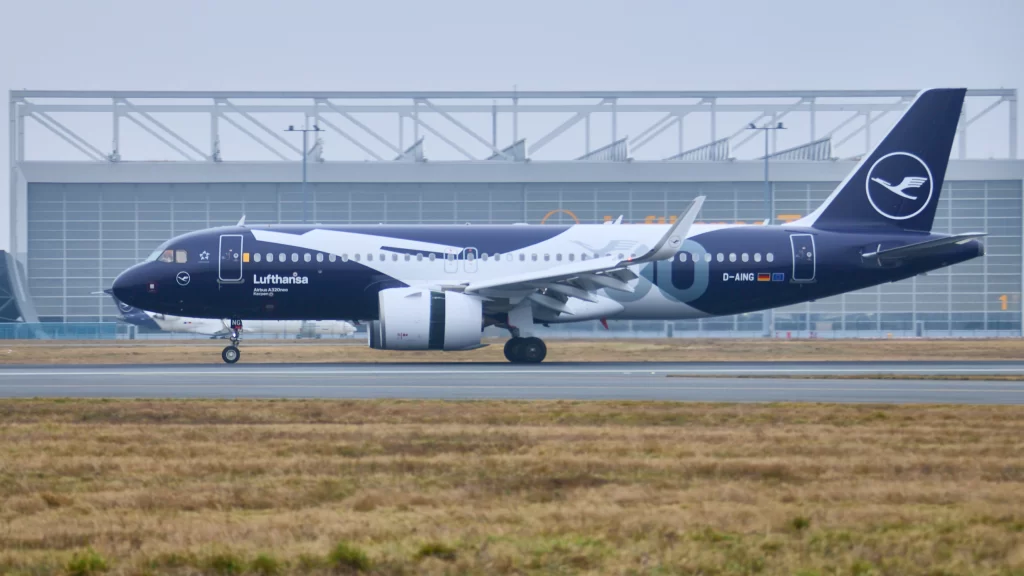
Hundreds of Lufthansa Flights Cancelled as Pilots Bring Core Operations to a Halt
During the pilot walkout, Lufthansa was forced to cancel hundreds of flights across Germany’s major hubs, particularly Frankfurt and Munich, disrupting tens of thousands of passengers. Early estimates suggest the scale of disruption reached thousands of affected passengers per day, with knock-on delays extending across Europe’s short- and medium-haul networks.
According to a report published in Reuters, the union had asked pilots at Lufthansa, Lufthansa Cargo and Lufthansa CityLine had been asked to strike from April 13, 0001 CET (2201 GMT) to April 14, 2359 CET (2159 GMT). Flights to Azerbaijan, Egypt, Bahrain, Iraq, Israel, Yemen, Jordan, Qatar, Kuwait, Lebanon, Oman, Saudi Arabia, United Arab Emirates had been exempt, though.
Airlines within the Lufthansa Group attempted to stabilize operations by reallocating aircraft and crews, but the network impact still forced widespread schedule changes and cancellations. Here’s a scope of the cancelations:
| Entity / Location | Metric | Value |
|---|---|---|
| Frankfurt Airport | Cancellations | 570 take-offs and landings cancelled |
| Frankfurt Airport | Passenger impact | >50,000 passengers affected |
| Munich Airport | Cancellations (2 days) | 720 total cancellations |
| Lufthansa | Cancellation reporting | No absolute figures published; only percentages reported |
| Lufthansa Group | Short/medium-haul cancellations | Two-thirds of flights cancelled |
| Lufthansa Group | Long-haul cancellations | 50% of flights cancelled |
| Eurowings | Flights operated | ~300 flights operated |
| Eurowings | Operational rate | ~60% of scheduled flights operated |
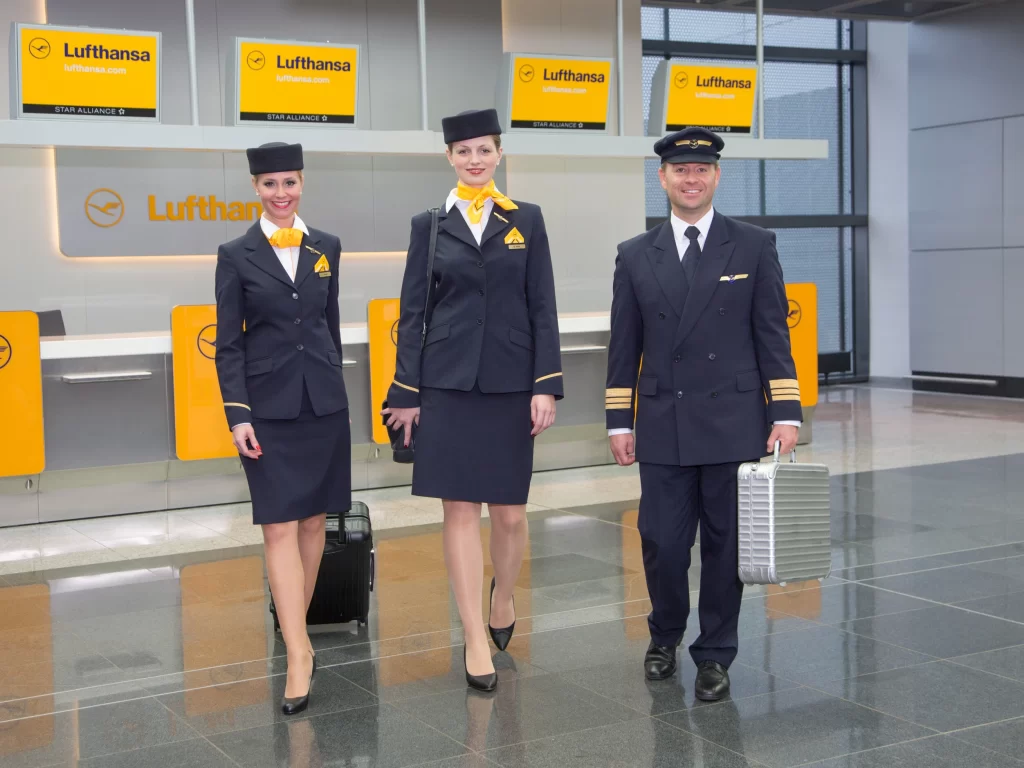
Cabin Crew Strike Adds Second Layer of Disruption
As pilot disruptions were still unfolding, Lufthansa cabin crew announced a two-day strike planned for April 15–16, intensifying pressure on the airline’s recovery operations.
This followed an earlier cabin crew walkout on April 10, which already caused widespread cancellations across Frankfurt and Munich departures.
The union representing cabin crew, UFO, cited unresolved disputes over:
- Pay structure revisions
- Pension contributions
- Staffing levels and working conditions
These demands have remained unresolved despite repeated negotiation rounds with Lufthansa management.
The planned strike is expected to affect all Lufthansa departures from Frankfurt and Munich, along with additional disruption at regional Lufthansa CityLine bases.
According to the words of spokesperson for the Independent Flight Attendants’ Organization (UFO), that was quoted in AeroTime, Lufthansa’s flight attendants would take industrial action on April 15 and 16, 2026:
Over the past few months, the employers have made it clear that they are unwilling to adequately address our demands and are stalling. For this reason, negotiations have failed. We are therefore forced to enforce our demands through a strike.
Munich This is set to affect flights departing Munich Airport (MUC) and Frankfurt Airport (FRA).
Frankfurt Airport Under Severe Operational Pressure
Frankfurt Airport, Lufthansa’s central global hub, has become the focal point of cascading disruption.
With overlapping pilot and cabin crew actions, the airport has experienced:
- Repeated cancellations across departure banks
- Severe congestion in rebooking queues
- Missed international connections
- Bottlenecks in baggage and crew rotation systems
Earlier industrial actions have shown the scale of vulnerability at the hub, with previous strikes cancelling up to 80–90% of flights during peak disruption windows.
Given Frankfurt’s role as a major European transfer hub, disruptions quickly spread beyond Germany, impacting passengers traveling across the Star Alliance network.
A Long-Running Labour Dispute at the Core of the Crisis
The strikes stem from a prolonged breakdown in negotiations between Lufthansa management and two major workforce groups: pilots and cabin crew.
Pilots are primarily disputing:
- Pension scheme structures
- Long-term retirement benefits
- Compensation alignment with productivity expectations
The pilot walkout was called by the Vereinigung Cockpit (VC), and the words of the president of VC, Andreas Pinheiro, was quoted as having announced:
A strike is always the last resort to bring movement to failed negotiations. We would have been very happy to do without it – especially against the background of the strain on our passengers and our colleagues on the ground. However, the responsibility for this lies with the employer
Cabin crew unions, on the other hand, are focused on:
- Salary restructuring
- Staffing levels across routes
- Social protections for affected subsidiary workers
Union representatives argue that Lufthansa has failed to present acceptable proposals despite months of negotiations, while the airline maintains that cost pressures and restructuring demands limit its ability to meet union expectations.
Lufthansa’s statement in its website expressed sincere regret the disruption caused by the strike.
Financial Pressures and Structural Tensions at Lufthansa
Lufthansa’s management has repeatedly highlighted the financial challenges facing European legacy carriers, including:
- High fuel costs
- Competitive pressure from low-cost carriers
- Post-pandemic restructuring requirements
The airline argues that wage and pension demands must be balanced against long-term sustainability goals, while unions counter that employee conditions are being eroded during restructuring.
Michael Niggemann, Lufthansa’s head of HR, said that because Lufthansa Classic operates on very thin profit margins that do not support investment in new aircraft, the company has no room for additional pay increases, and that industrial action will not alter this position.
All in All
With both pilot and cabin crew strikes overlapping within the same week, Lufthansa faces sustained operational volatility across its core European network.
Unless negotiations accelerate, further disruptions remain likely, particularly at Frankfurt and Munich—two of Europe’s most important aviation hubs.
For now, passengers are advised across all reporting sources to expect ongoing cancellations, schedule changes, and extended rebooking delays as the airline works through successive waves of industrial action.