Air travel with children remains one of the more challenging aspects of flying for families, especially on busy commercial routes. Cabin crews frequently deal with situations where young passengers experience discomfort, boredom, or anxiety during flights.
However, flight attendants and frequent flyers consistently point out that with simple preparation and a few in-flight strategies, the experience can be made significantly smoother.
From setting expectations before boarding to managing mood changes inside the cabin, these practical approaches help parents keep children calm while ensuring a more comfortable journey for everyone onboard.
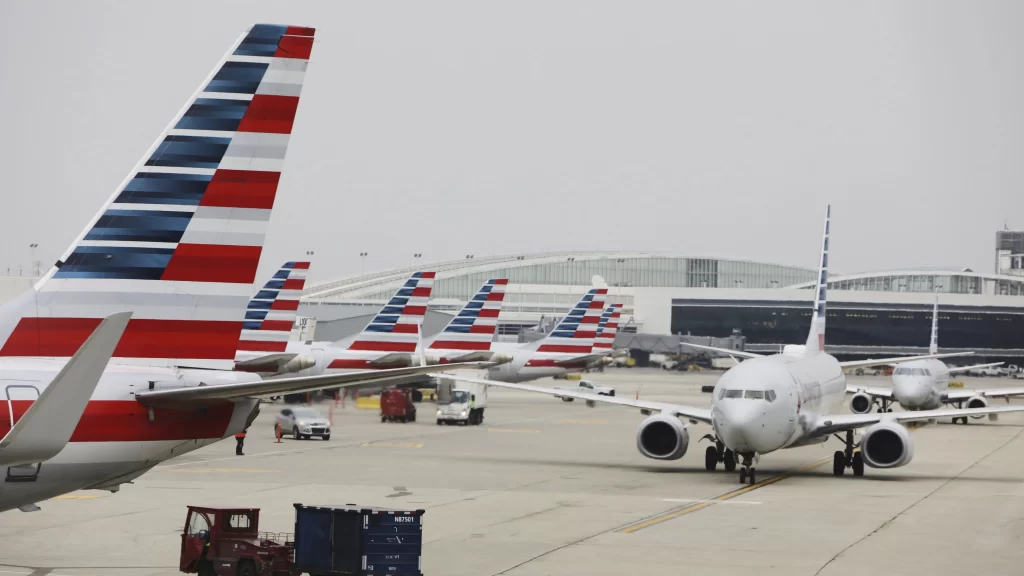
Pre-Flight Preparation for Traveling with Children
Flight attendants consistently recommend preparing early before boarding to help keep children calm and engaged.
Parents are often advised to request a brief cockpit visit when available, as it can help children feel more comfortable and familiar with the journey. Airlines may accommodate such requests depending on operational conditions.
Packing is also considered essential for reducing in-flight disruptions. Experts suggest bringing snacks (as snacks on planes might not be as healthy), comfort items, and a mix of digital and non-digital entertainment options to prevent boredom.
According to Evelyn Kelly, cofounder of Travelers at Heart and co-author of “Have a Love Affair with Travel” (quoted in Travel and Leisure), introducing small “surprise” items during the flight can further help maintain attention and ease anxiety during turbulence or longer stretches of travel:
“New items hold attention longer, reducing boredom and restlessness,” she said, adding that multiple reveals throughout a flight can help to distract from potential stress triggers like sitting for too long or sudden turbulence. Essentials such as a change of clothes, wet wipes, and garbage bags should also be packed in carry-ons and within arm’s reach for any unexpected needs.
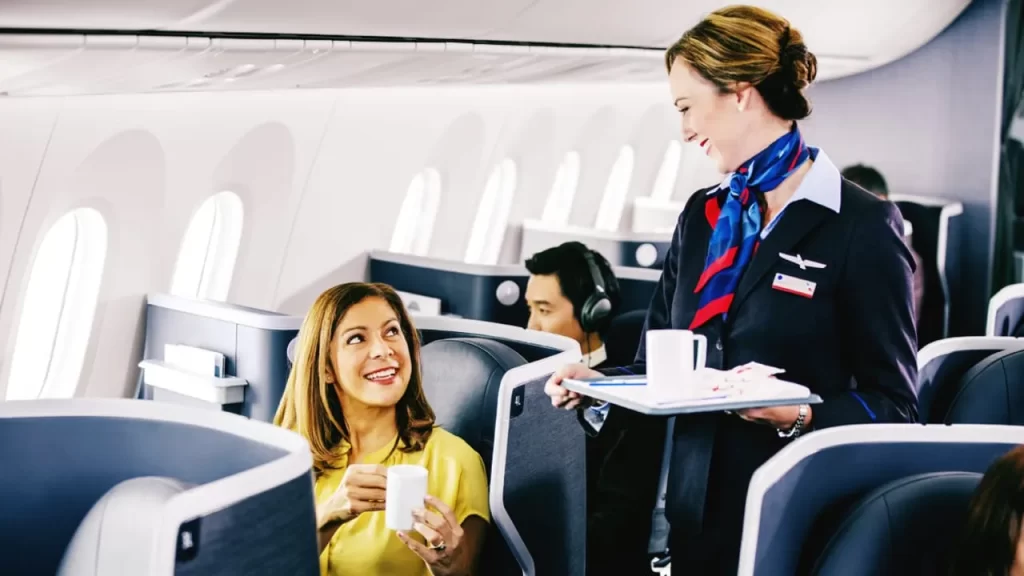
In-Flight Comfort Tips
Managing physical comfort during flight is key to maintaining a calm cabin environment. Parents often use gum, pacifiers, or drinks to help children manage ear pressure during takeoff and landing.
Choosing a window seat can also provide visual distraction, helping reduce restlessness and keeping children engaged throughout the journey.
Parental behaviour plays an important role as well. A calm and composed approach helps children adjust more easily to unfamiliar surroundings and reduces the likelihood of distress escalating.
A disruptive in-flight experience is often caused less by the unfamiliar environment and more by the difficulty of keeping children seated for long periods, which is why a retired United Airlines flight attendant noted that if children are tired on a flight (by expending energy before a flight due to physical activities such as playing games), they are less likely to becoming restless, and therefore quieter.
While moving up and down the aisle may be acceptable on long-haul flights, he advised against it on most domestic routes:
“Due to unexpected turbulence, it can be unsafe for a kid to be out of their seat and up and about in the cabin….We are also having to navigate a drink cart, so it can be difficult or nearly impossible to allow families to return to their seats.”
Cabin Behavior Tips
Parents can better manage in-flight behaviour by setting expectations before boarding.
Flight attendants recommend explaining basic rules in simple terms so children understand what is and isn’t allowed during the journey. This helps reduce confusion and creates a sense of structure.
Distraction techniques are also widely used inside the cabin. Activities such as colouring books, puzzles, or interactive games can help redirect attention during longer periods of sitting.
Airlines encourage patience, as consistent and calm communication is often effective in preventing emotional outbursts.
Positive reinforcement is another commonly used strategy. Praising good behaviour or offering small rewards such as snacks or surprises can encourage children to remain engaged and cooperative throughout the flight.

Airport Strategies for Family Travel
Pre-boarding activity plays an important role in ensuring smoother travel experiences for families.
As we touched upon previously, allowing children to walk, stretch, or use play areas before boarding can help release excess energy and reduce restlessness during the flight.
Airports and airlines also offer family boarding options. Airlines often allow families with young children to board early, giving extra time to settle in and organize belongings.
Selecting seats in advance further improves comfort and helps minimise in-flight disruption.