Singapore Airlines (SQ) is actively exploring an expansion of its Dhaka operations, with plans to increase flight frequency on the Singapore–Dhaka route amid sustained passenger demand.
Recent aviation reporting confirms that the airline has shown interest in doubling flights between the two cities, with discussions taking place between Singaporean diplomatic officials and Bangladeshi authorities to strengthen connectivity. According to Aviation and Tourism Times, the issue was brought up by Singapore’s Chargé d’Affaires Mitchel Lee during a courtesy meeting with Expatriates’ Welfare and Overseas Employment State Minister Nurul Haque at his office on Wednesday, April 8.
The move reflects a broader trend of airlines increasing to the capital of Bangladesh – only a couple of days ago Etihad Airways (EY) expanded services to Dhaka, Bangladesh on its Boeing 777.
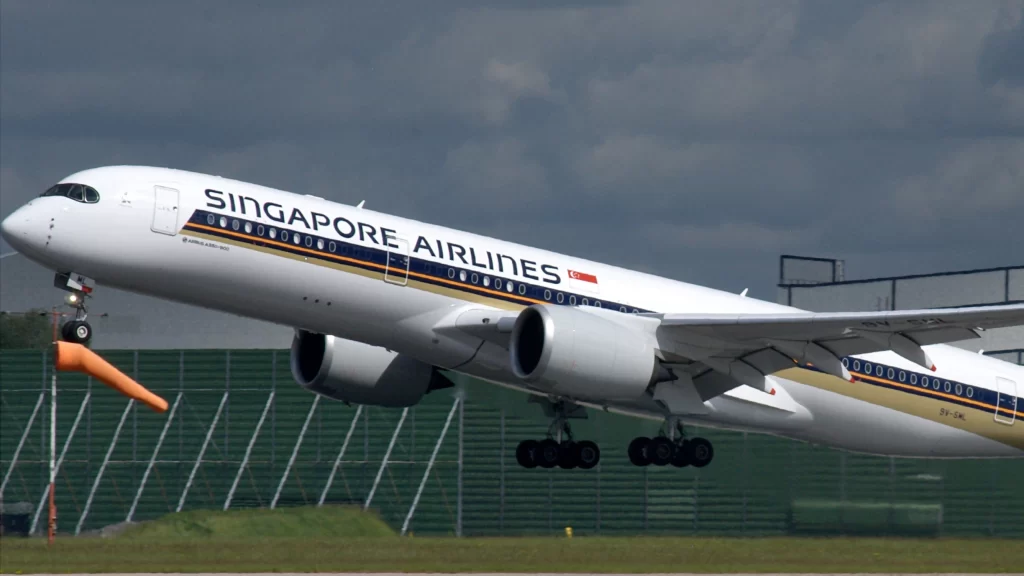
Singapore Will Have Double-Daily Services to Dhaka
At present, Singapore Airlines operates regular non-stop flights between Singapore Changi Airport and Dhaka’s Hazrat Shahjalal International Airport. But internal schedule updates indicate that capacity expansion is already underway.
According to aviation schedule data, Singapore Airlines had planned to increase frequencies from 7 weekly flights to 10, and eventually up to 14 weekly flights by mid-2026
If fully implemented, this would effectively translate into double-daily service, marking a significant capacity jump on a route that has historically seen steady but constrained growth.
Why Dhaka Is Becoming a Strategic Aviation Market
The proposed expansion is not happening in isolation. Dhaka is emerging as one of South Asia’s fastest-growing outbound travel markets, driven by:
- Rising middle-class demand for international travel
- Strong labour migration flows
- Increasing business links with Southeast Asia
Industry reporting highlights that expanding air connectivity between Bangladesh and Singapore is expected to boost trade, travel, and labour mobility simultaneously, reinforcing the economic relationship between the two countries
Labor Mobility at the Core of Demand
Unlike many international routes that rely heavily on tourism cycles, the Dhaka–Singapore corridor is structurally supported by labour migration and workforce mobility.
According to Aviation and Tourism Times,
Bangladesh requested the expansion of Singapore Overseas Testing Centres (OTCs) from six to at least ten to facilitate the recruitment of skilled workers. It also urged Singapore to consider hiring Bangladeshi professionals in emerging sectors such as food and beverage, healthcare, manufacturing, and hospitality.
Singapore remains a key destination for Bangladeshi workers, and aviation capacity plays a direct role in enabling that flow. More flights mean:
- Easier worker rotation and travel
- Reduced ticket price volatility
- Greater flexibility for employers and recruitment systems
This explains why aviation discussions between the two countries are often tied closely to labour policy and manpower cooperation, rather than purely tourism-driven considerations.
A Broader Network Strategy at Play
The Dhaka expansion also aligns with Singapore Airlines’ wider strategy of increasing frequencies across high-demand routes globally.
The airline has been actively adjusting its network to match post-pandemic travel recovery patterns, focusing on routes with strong load factors and consistent demand rather than speculative expansion
In this context, Dhaka fits neatly into a category of routes where:
- Demand is resilient
- Growth is predictable
- Passenger mix is diversified
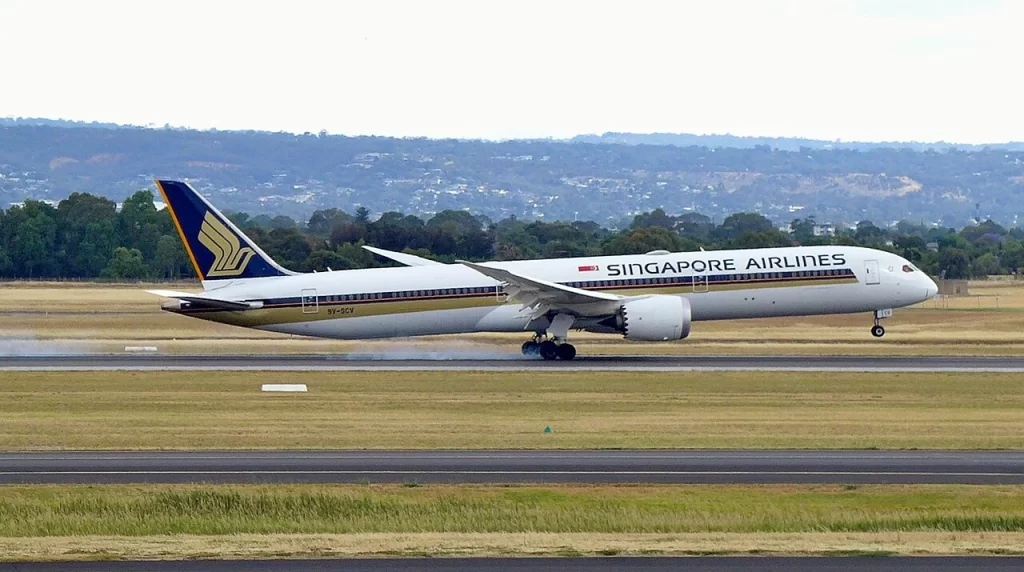
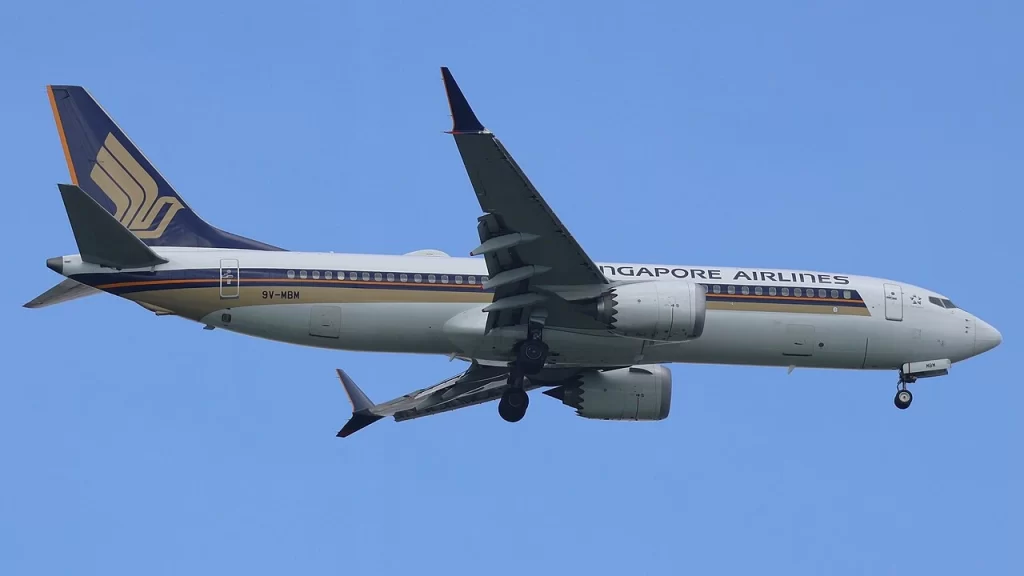
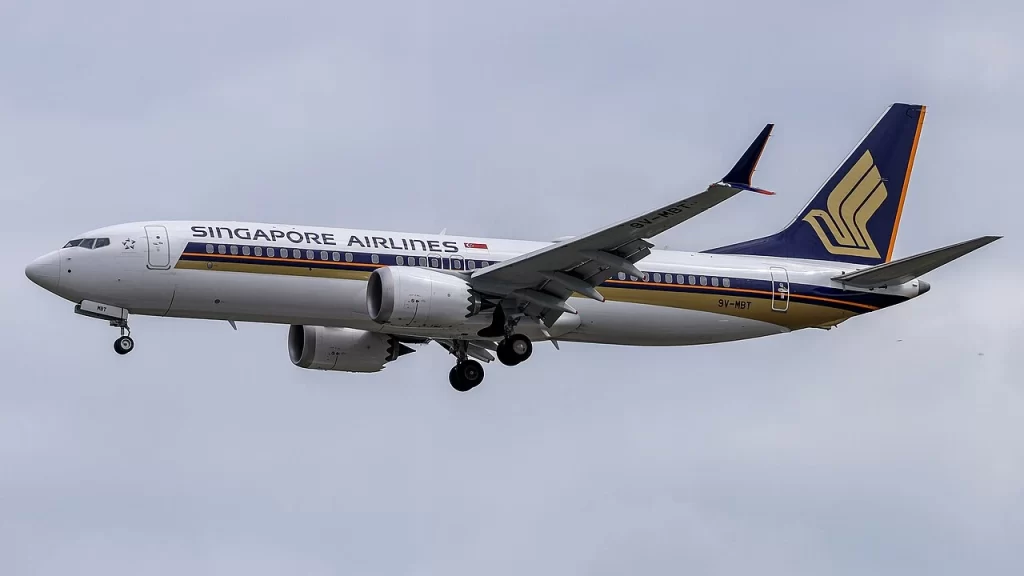
Singapore Will Use Its 737s on the Route
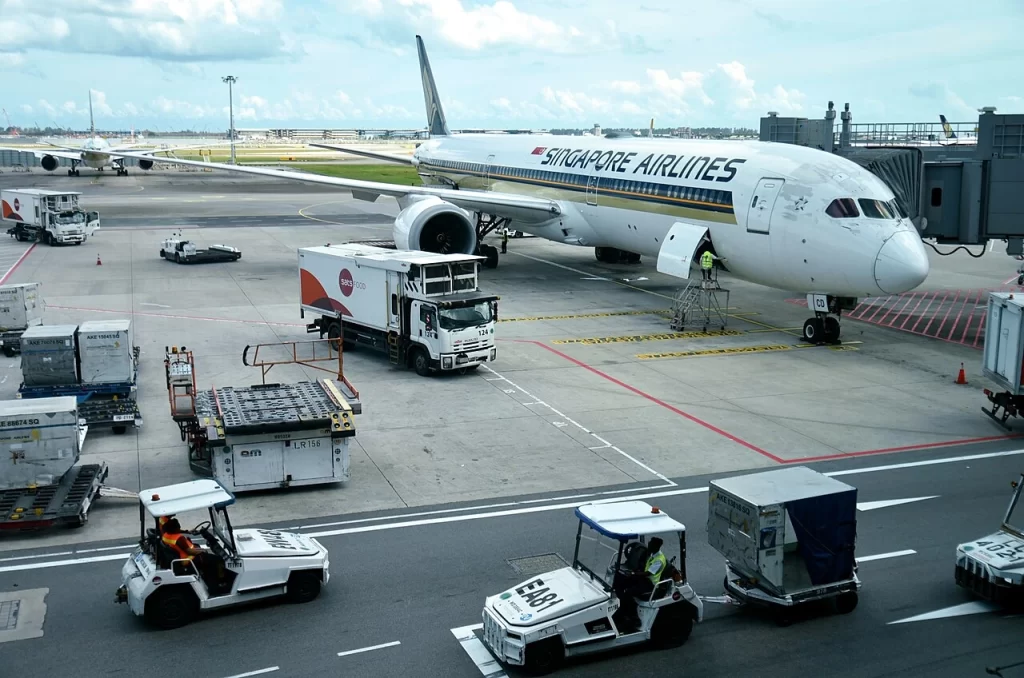
According to schedule filings, seven additional weekly flights are planned. These services are expected to be operated using the Boeing 737 MAX 8, complementing the existing Boeing 787 Dreamliner operations.
According to data from planespotters.net, SQ has 22 737MAX8s in its fleet and these average 5.1 years. On the other hand, all its 228 Dreamliners are of the 787-10 type ad these average almost the same as the 737 MAX8s i.e., 5.3 years. Here’s how the configuration of these two aircraft types compare:
Singapore Airlines Boeing 737 MAX 8 vs Boeing 787-10
| Category | Boeing 737 MAX 8 | Boeing 787-10 |
|---|---|---|
| Total Seats | 154 | 337 |
| Business Class Seats | 10 | 36 |
| Economy Class Seats | 144 | 301 |
| Business Class Pitch | 44 inches | 60 inches |
| Business Class Width | 21 inches | 20 inches |
| Business Class Recline | 180° (flat bed) | 180° (flat bed) |
| Economy Class Pitch | 30 inches | 32 inches |
| Economy Class Width | 17 inches | 17 inches |
| Economy Class Recline | 3 inches | 5 inches |
| Business Cabin Type | Small, exclusive | Larger, more spacious |
| Economy Comfort Level | Basic short-haul | Improved for longer routes |
| Typical Use Case | Short-haul routes | Medium to long regional routes |
_@_MAN,_May_2017.jpg)
_Singapore_Airlines_Boeing_737_MAX_8_9V-MBM_@_WSSS_2026-03-11.jpg)
_Singapore_Airlines_Boeing_737_MAX_8_9V-MBT_@_WSSS_2026-01-29.jpg)
.jpg)
.jpg)