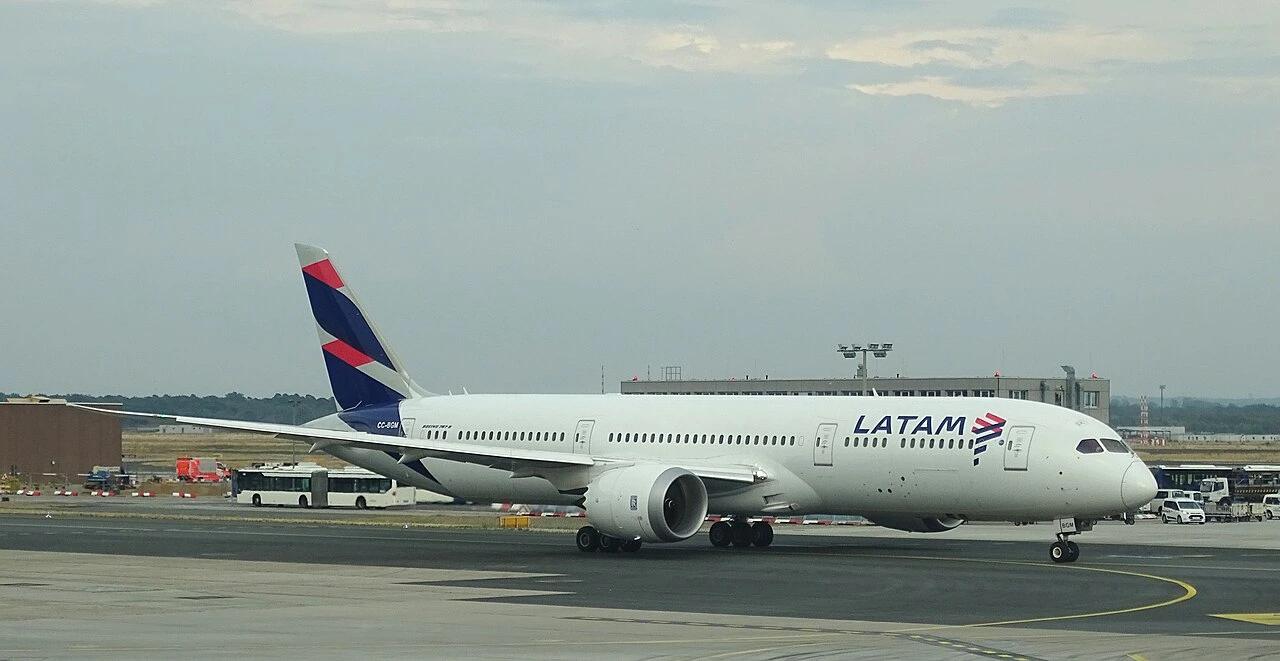
A LATAM Airlines Boeing 787-9 experienced a sudden in-flight upset after a flight attendant inadvertently activated a cockpit seat switch during cruise, investigators have confirmed. The incident occurred on 11 March 2024 while the aircraft was operating a trans-Tasman service from Sydney to Auckland, resulting in injuries to passengers and crew.
According to Flight Global, Chile’s accident investigation authority, the upset was triggered when an unsecured rocker-switch cap beneath a protective guard flap was unintentionally pressed, causing the captain’s seat to lurch forward and disengage the autopilot, leading to a brief but sharp descent.
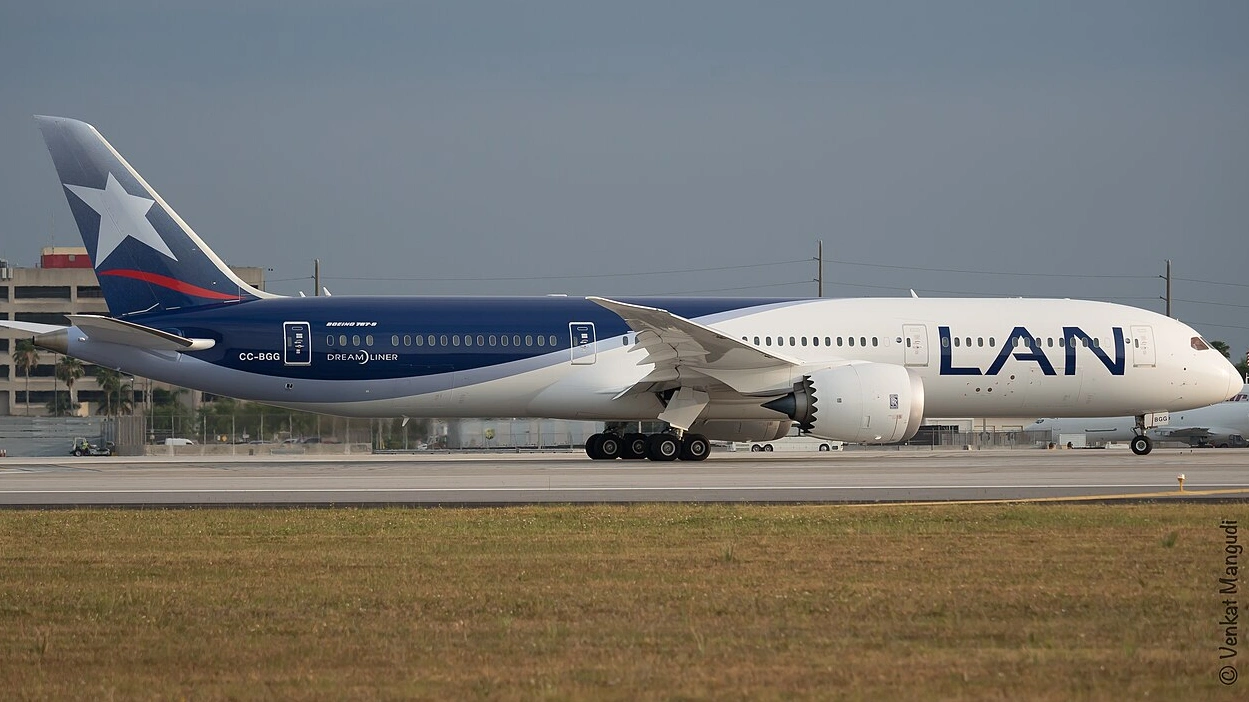
LATAM Airlines Boeing 787-9 Incident Overview
| Parameter | Details |
|---|---|
| Type | Boeing 787-9 Dreamliner (generic silhouette representation) |
| Registration | CC-BGG |
| Date | Monday, 11 March 2024 |
| Operator | LATAM Airlines Chile |
| Phase | En route |
| Location | Over Tasman Sea – Pacific Ocean |
| Departure Airport | Sydney Kingsford Smith International Airport (SYD/YSSY) |
| Destination Airport | Auckland International Airport (AKL/NZAA) |
| Time | Approx. 23:04 |
| Aircraft Damage | None |
| Fatalities | 0 / 272 occupants |
| Other Fatalities | 0 |
| Engine Model | Rolls-Royce Trent 1000-J2 |
| Year of Manufacture | 2015 |
| Total Airframe Hours | 24,195 hours |
| MSN | 38461/382 |
| Category | Accident |
| Nature | Passenger – Scheduled |
| Investigating Agency | DGAC Chile |
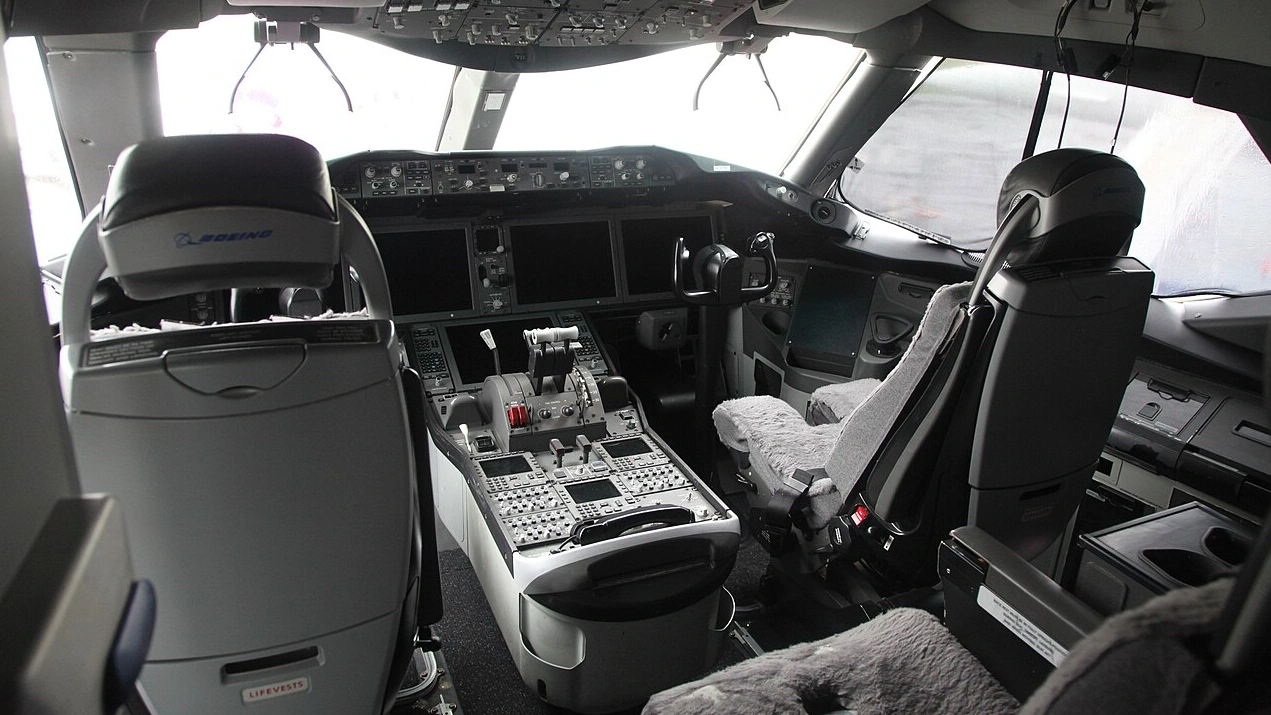
LATAM Boeing 787 Cockpit Seat Switch: Incident Details
The aircraft was cruising at approximately 41,000ft when the event unfolded. Both pilots were seated, while a cabin crew member entered the cockpit to collect meal trays at the end of service.
Investigators determined that the flight attendant inadvertently brushed against the rear of the captain’s seat, pressing a guard flap that should have protected the seat-adjustment rocker switch.
Key things this incident include:
- The rocker-switch cap had become loose and was not secured with adhesive as required by prior service bulletins
- The guard flap failed to sit flush, allowing unintended activation
- The captain’s seat moved forward abruptly, trapping his legs against the control column
- Autopilot disengaged, resulting in a descent rate of approximately 3,165ft per minute
- The aircraft stabilised within roughly 12 seconds after the first officer regained control
A flight attendant reported being “lifted towards the ceiling” during the upset, highlighting the severity of the transient manoeuvre .
In the days following the incident, Wall Street Journal cited US industry officials and suggested that there might have been a mishap in the cockpit:
While serving a meal, a flight attendant may have hit a switch on the pilot’s seat, the officials told the Journal, turning on a feature that pushed the pilot and his seat toward the controls. They added that this would have pointed the plane’s nose down.
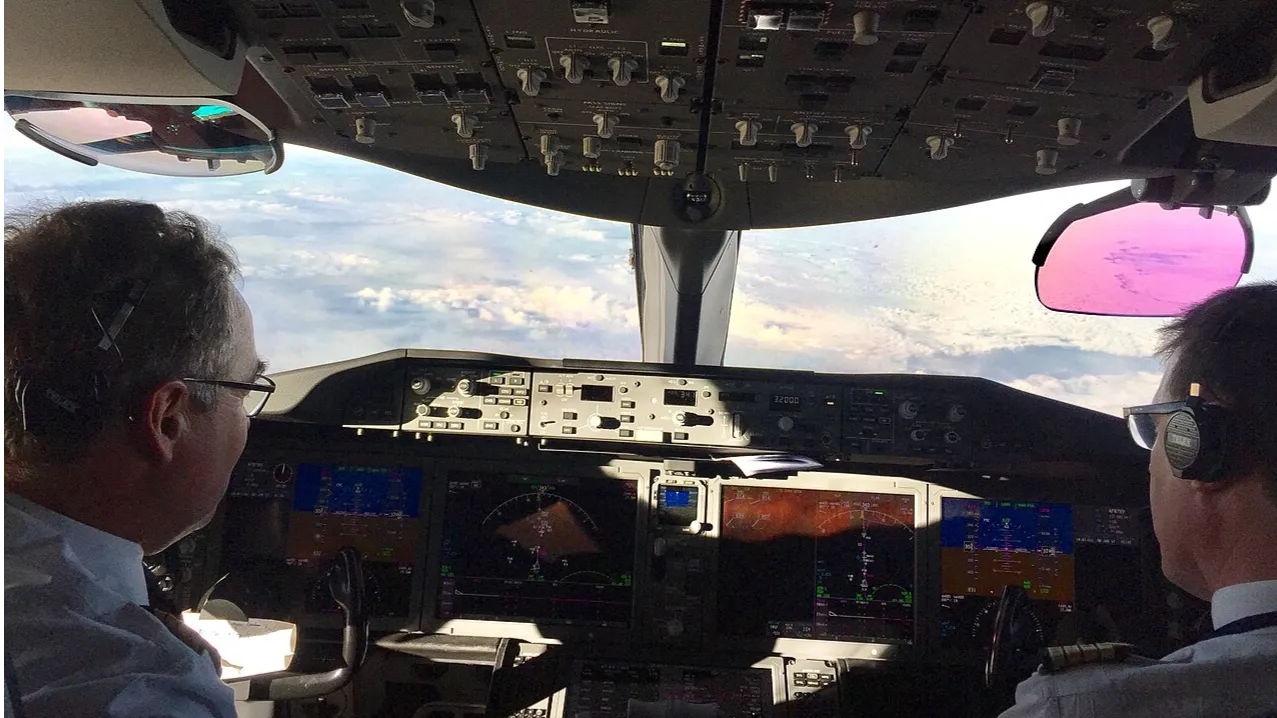
What the Investigation revealed about the Seat Switch Incident
A flight attendant unintentionally triggered the rocker switch after it had come loose from the Captain’s seat assembly, allowing it to be activated without proper control.
As the seat began moving unexpectedly, the Captain was seated in a rotated position, with his body turned to the right and his legs crossed. This posture caused both legs to become pinned against the control column during the sudden motion, creating significant force on the system. The pressure exerted exceeded the tolerance limits of the autopilot sensor, ultimately leading to its disengagement.
The crew’s limited awareness of how such unintended seat movement could affect aircraft systems likely contributed to the Captain’s decision not to record the incident in the technical log. As a result, the underlying issue remained unreported and went undetected prior to the event.
According to a report published in Flight Global:
“Analysis shows that the event, from the beginning of the seat shift to the stabilisation of the flight, lasted around 12s. Two passengers and one cabin crew member sustained injuries serious enough for hospitalisation once the aircraft landed. The JIA found that the problem of loose rocker switch caps had emerged at least seven years earlier, and that a March 2017 service bulletin from seat manufacturer Ipeco had recommended using an adhesive to fix the cap in place.”
The Boeing 787 flight deck incorporates electrically adjustable pilot seats with dual control interfaces, including switches located beneath a protective cover behind the headrest.
After it was found that the affected LATAM aircraft had not implemented the recommended modification at the time of the incident, regulatory escalation followed:
- The US Federal Aviation Administration (FAA) later issued an airworthiness directive mandating inspections and corrective action
- At least four additional reports of uncommanded seat movement were identified, three linked to loose switch caps.
All in All
The incident resulted in multiple injuries onboard, with at least two passengers and one cabin crew member requiring hospitalisation upon landing in Auckland .
Other reports indicated that dozens of occupants experienced minor injuries due to the sudden vertical acceleration, with some briefly thrown against the cabin ceiling .
Operationally, the aircraft landed safely, but the event prompted immediate technical scrutiny of Boeing 787 cockpit seat systems, triggered fleet-wide inspection recommendations from Boeing, and intensified regulatory attention toward cockpit ergonomics and the risks associated with unintended control inputs.
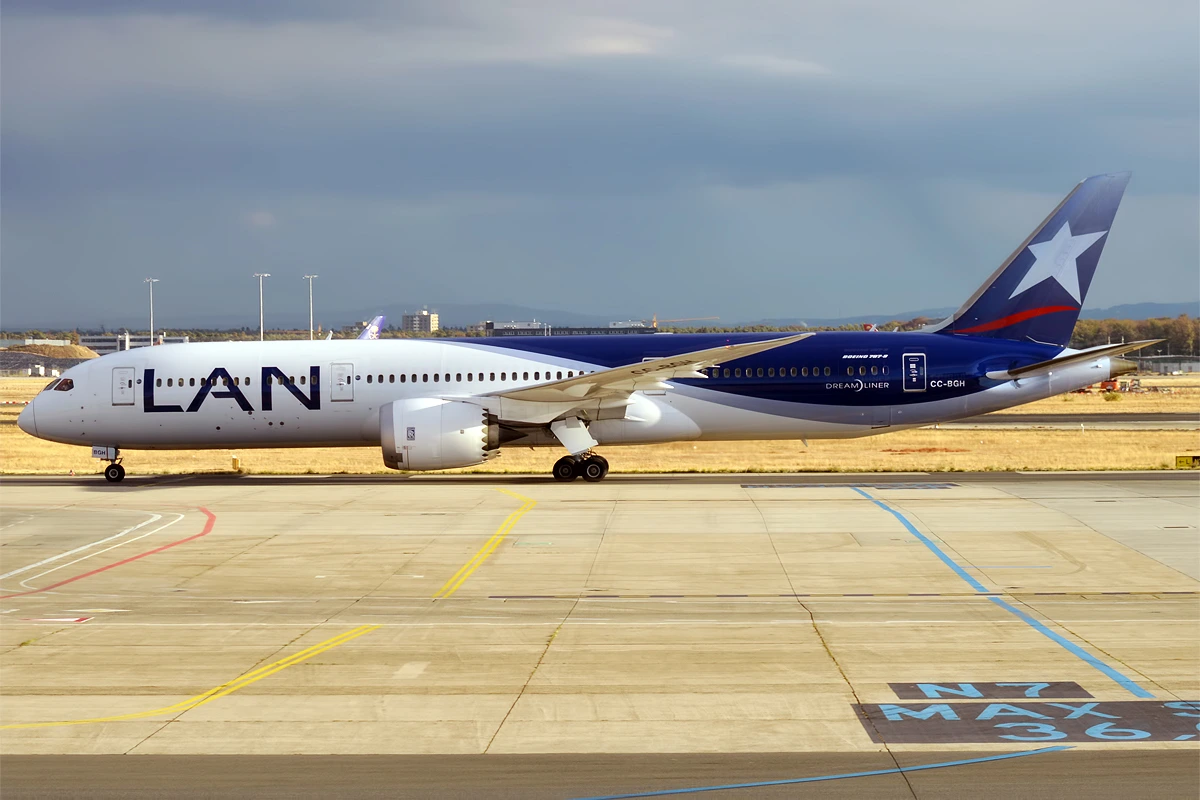
The LATAM 787 incident demonstrates how a seemingly minor maintenance oversight can escalate into a high-risk flight event, as the convergence of a loose mechanical component, a partially compromised protective guard, and routine human movement within the cockpit created the precise conditions for an unintended control input with immediate aerodynamic consequences.