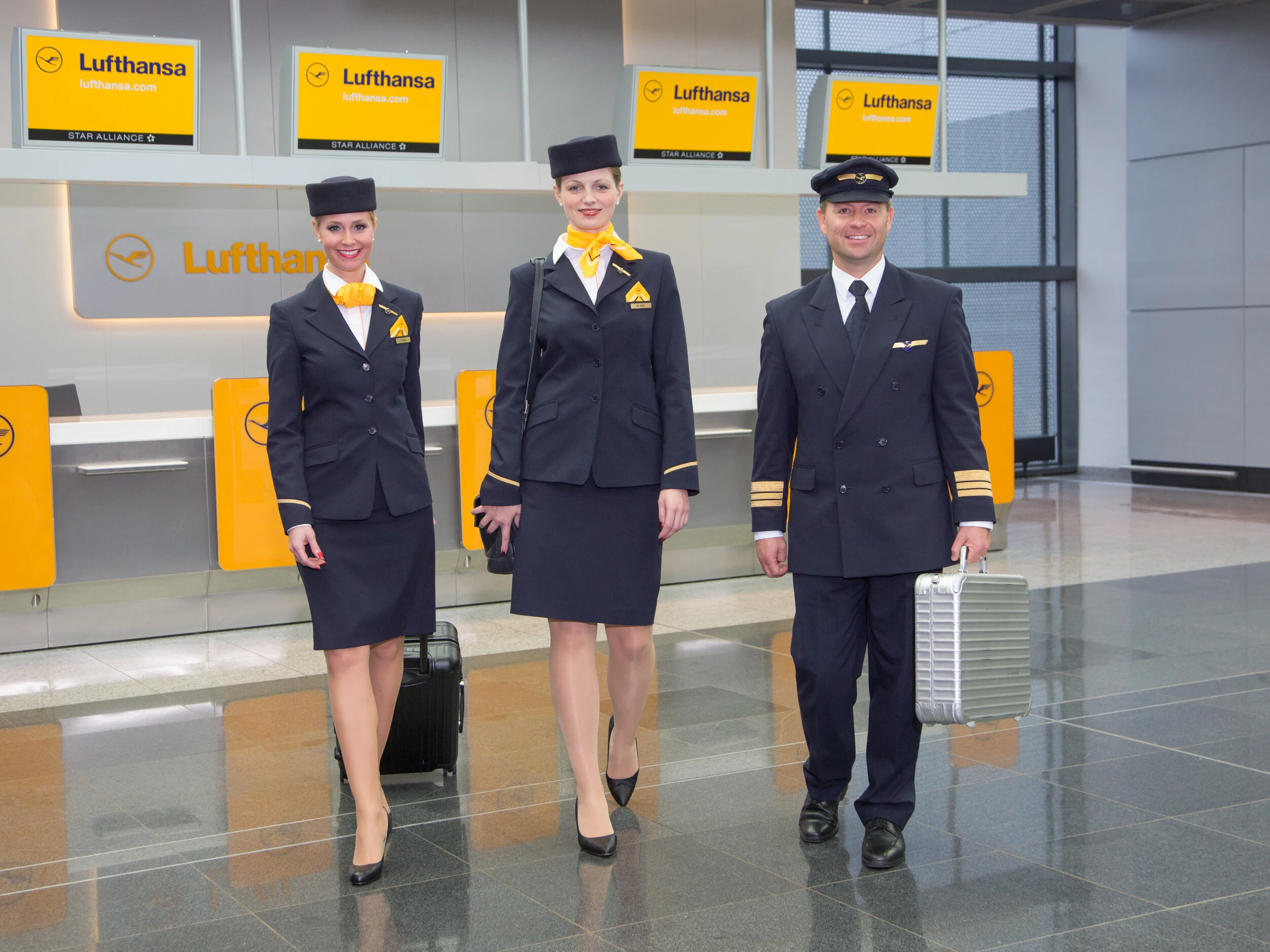
Flight attendants at Germany’s national carrier, Lufthansa (LH), are mobilizing in opposition to a recently enacted tax regulation that dramatically increases the cost of “non‑rev” standby flight benefits — a long‑standing and vital perk for crew members who often use these tickets not for leisure travel, but simply to keep their jobs viable in high‑cost regions.
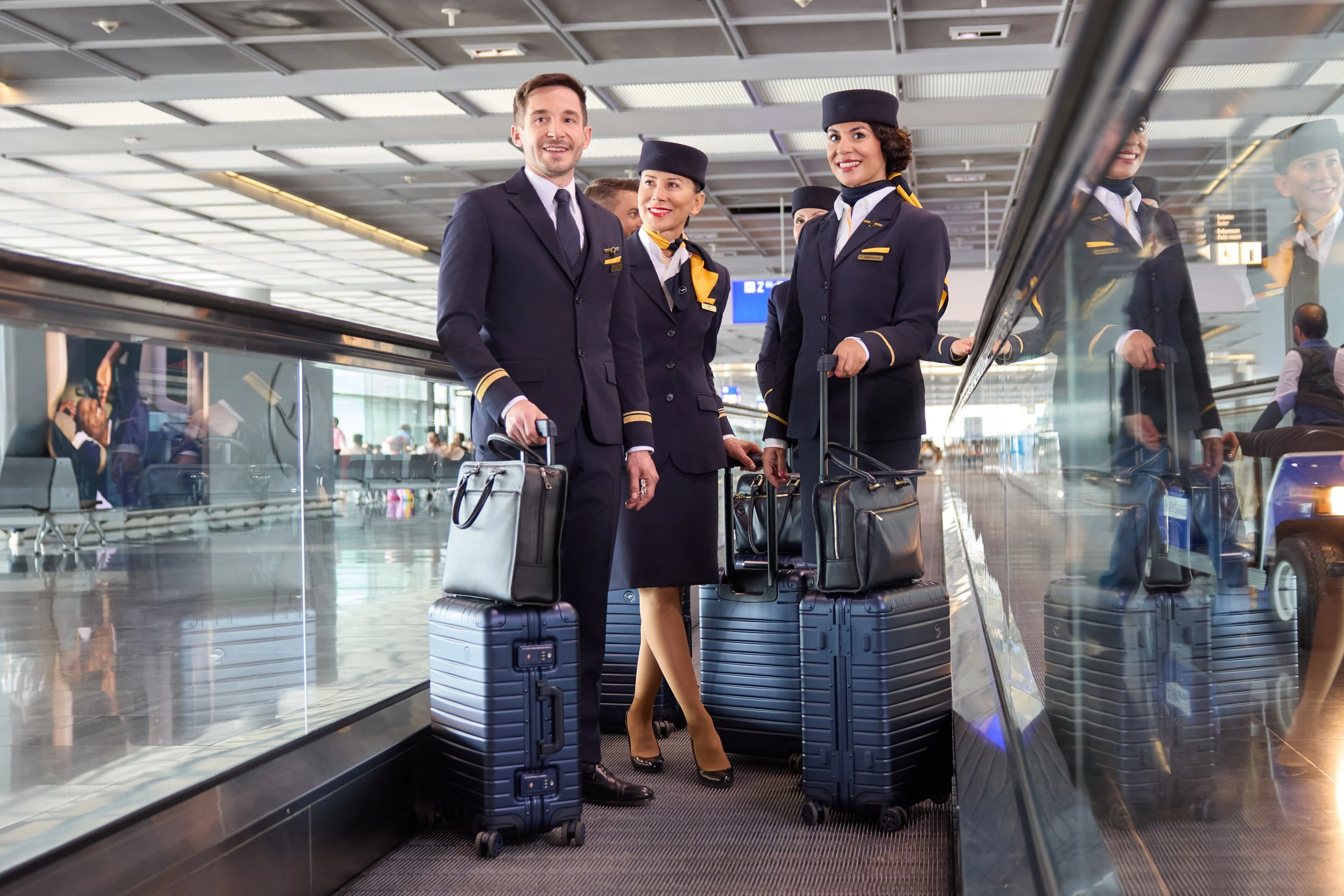
What Changed for Cabin Crew at Lufthansa: Standby Travel Now Taxable
In late 2025, a new German tax decree came into effect that reclassifies discounted standby airline travel for employees as taxable income. The policy means that benefits once treated as fringe allowances — or not taxed at all — are now added to workers’ taxable earnings.
Under the revised rule, each standby flight ticket that an employee uses is treated as a monetary benefit and must be included in that employee’s taxable income. Cabin crew unions warn that this changes the economics of commuting for many staff, particularly those based at Frankfurt Airport (FRA) — one of Europe’s most expensive metropolitan hubs.
Why Airlines Are Canceling Flights Over Israel and Iran: KLM, Lufthansa Updates
Why This Matters for Flight Attendants at LH
For many younger or lower‑paid crew members, especially those who live far from their base for affordability reasons, non‑rev standby tickets are far from a luxury:
- Most flight attendants do not see non‑rev travel as a “glamorous benefit” but a necessity — they use standby flights primarily to commute to work between lower‑cost cities and their home bases.
- In practice, this means that crew members often live hundreds of kilometers away from Frankfurt or Munich, where accommodation and living costs are high. Without discounted standby travel, many say they couldn’t feasibly take their scheduled shifts.
How the Tax Change Hits Household Budgets
The union representing Lufthansa flight attendants — the Unabhängige Flugbegleiter Organisation (UFO) — has highlighted concrete examples of household income shifts under the new tax regime, reported Paddle Your Own Kanoo:
- A cited scenario involved a 20‑year‑old cabin attendant earning a modest monthly net income of approximately €2,023 who regularly commuted from Dresden to Frankfurt using standby flights.
- Prior to the regulation, she paid roughly €530 per month in total taxes while covering about €900 in commuting costs — leaving modest funds for living expenses.
- With each standby ticket now treated as a taxable benefit (around €76.46 per trip), the worker’s tax bill rises to roughly €850 monthly — sharply squeezing her disposable income.
According to UFO, this kind of adjustment leaves some employees with only about €600 per month for living expenses — far below what is needed to meet basic costs in Europe’s pricier urban regions.
Union Response and Petition Drive
UFO has been vocal in saying the regulation places a “significant additional financial burden” on workers who rely on standby tickets as a fundamental part of their employment terms.
The union argues that many airline employees using these tickets are simply trying to go to work — not take personal holidays — and that taxing these benefits undermines the viability of their employment.
UFO has launched a petition urging German legislators to revisit or reverse the tax change, framing the issue as one of economic survival rather than mere workplace perks.

Standby Travel for Flight Attendants in the Industry Context
Standby or “non‑rev” travel benefits are widely used in aviation globally, not just at Lufthansa. Across Europe and North America, airlines commonly offer deeply discounted standby travel for their own employees and sometimes for allied carriers’ staff under reciprocal agreements.
Lufthansa flight attendants have highlighted what they see as an irony: crew from some North American airlines flying to Europe on interline contracts may effectively pay less for travel than Lufthansa’s own staff under the new tax structure.
Unions contend that without these commuter benefits, carriers risk shrinking their recruitment pool to only those who can afford full cost of living near major airport hubs — a scenario likely to worsen staffing shortages.
What Comes Next for Lufthansa’s Flight Attendants
Whether the petition or union pressure will lead to legislative action remains uncertain. German policymakers have not publicly signaled an intention to reverse the tax decree, and Lufthansa itself has not announced corporate support for the change.
The dispute arises at a time when Germany’s aviation sector is facing broader cost pressures and policy shifts:
- The German federal government recently announced a planned reduction in the national air travel tax (Luftverkehrsteuer) effective July 2026, aimed at improving industry competitiveness and reducing passenger costs amid high operating expenses.
- But some critics argue that broader cost‑of‑living and fuel price pressures on ordinary Germans make it politically challenging to single out airline employees for tax relief.
Meanwhile, cabin crew unrest at Lufthansa is part of a broader pattern of labour tension. In late March 2026, cabin crew ballots showed strong support for strike action at Lufthansa and regional subsidiary Lufthansa CityLine — with around 94% at Lufthansa and 99% at CityLine voting in favour of industrial action.